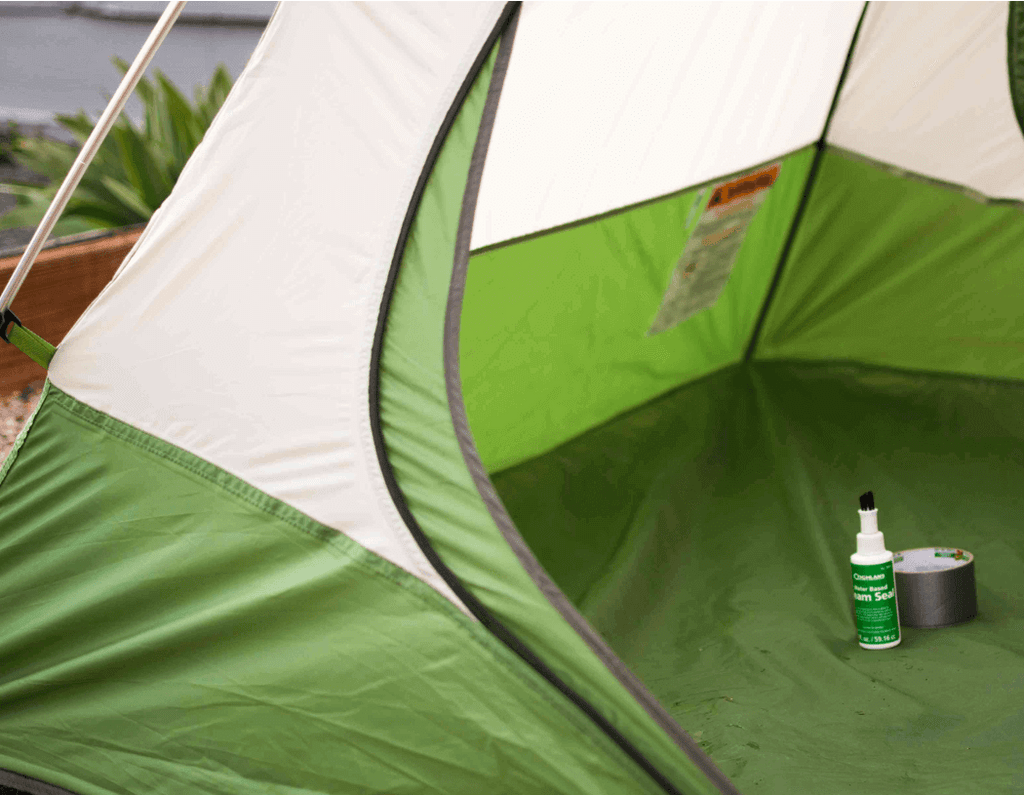
Mold on your tent isn’t just ugly—it can ruin your gear and even harm your health. If you’ve ever opened your tent to find dark spots or a musty smell, you know how frustrating it is.
But don’t worry, cleaning mold off your tent is easier than you think. You’ll discover simple, effective steps to get your tent fresh and mold-free again. Keep reading to protect your gear and enjoy your outdoor adventures without worry.

Credit: www.gearaid.com
Identify Mold And Mildew
Mold and mildew can damage your tent fabric and cause bad smells. It is important to find them early to clean them properly.
Both mold and mildew grow in damp places. Knowing how to spot them helps keep your tent safe and fresh.
Spotting Common Signs
Mold and mildew usually look like spots or patches. They appear in areas that stay wet or have poor air flow.
You may notice a musty or earthy smell coming from your tent. This is a strong sign of mold or mildew growth.
- Dark green, black, or brown spots on fabric
- White or gray powdery patches
- Musty, damp odors inside the tent
- Sticky or slimy feeling on the fabric
- Discoloration or fading of tent material
Differences Between Mold And Mildew
Mold and mildew are types of fungi. They look different and need different cleaning approaches.
Mildew grows flat and stays on the surface. Mold can grow deeper and may damage the fabric more.
| Feature | Mold | Mildew |
|---|---|---|
| Appearance | Dark green, black, or brown spots | White or gray powdery patches |
| Texture | Fuzzy or slimy | Powdery and flat |
| Growth Location | Deeper in fabric or damp areas | On surface, usually flat areas |
| Damage Level | Can cause fabric damage | Usually surface-level, less damage |

Credit: www.popularmechanics.com
Prepare Your Cleaning Supplies
Cleaning mold off a tent requires the right supplies. Having them ready will make the process easier and faster.
Ensure you have everything needed to tackle the mold effectively. Let’s start by gathering our tools and solutions.
Essential Cleaning Tools
Having the right tools is crucial for cleaning mold. These tools help remove mold without damaging your tent.
- Soft-bristled brush for gentle scrubbing
- Bucket for mixing cleaning solutions
- Sponge or cloth for applying the solution
- Spray bottle for easy application
- Gloves to protect your hands
Safe Cleaning Solutions
Using safe solutions ensures your tent remains in good condition. These solutions help remove mold without harsh chemicals.
| Solution | Purpose |
| Vinegar and water mixture | Natural mold remover |
| Baking soda paste | Gentle abrasive cleaner |
| Mild soap and water | General cleaning |
Set Up A Cleaning Area
Cleaning mold off a tent needs a proper space. This space should be safe and easy to work in.
Setting up the right area helps remove mold faster. It also keeps mold spores from spreading.
Choosing The Right Location
Pick a place away from your living areas. This stops mold spores from entering your home.
The spot should have enough space to spread out the tent. You need room to clean every part.
- Choose a flat, clean surface
- Avoid windy places to stop spores from flying
- Near a water source for easy rinsing
- Keep away from pets and children
Ventilation And Sunlight Benefits
Good airflow helps dry the tent after cleaning. It also reduces mold growth by lowering moisture.
Sunlight kills mold spores naturally. It also helps dry the tent faster and freshens the fabric.
- Open windows or work outside for fresh air
- Place the tent where sunlight hits directly
- Turn the tent occasionally to dry all sides
- Use fans if needed to boost airflow
Remove Loose Dirt And Debris
Cleaning mold off a tent starts with removing loose dirt and debris. This step helps prevent spreading mold spores while cleaning.
Using simple tools like brushes and vacuums can prepare your tent for deeper cleaning.
Brushing Off The Tent
Use a soft-bristled brush to gently remove dirt from the tent fabric. Avoid hard scrubbing to protect the material.
- Brush the tent outside to avoid bringing dirt inside.
- Work from the top down to clear debris.
- Pay close attention to seams and corners where dirt gathers.
- Brush gently to avoid damaging waterproof coatings.
Vacuuming Techniques
A vacuum cleaner with a soft brush attachment can remove fine dust and dirt from the tent surface. Use low suction to protect the fabric.
| Vacuuming Tip | Details |
|---|---|
| Choose Attachment | Soft brush nozzle to avoid fabric damage |
| Suction Level | Set to low or medium for gentle cleaning |
| Vacuum Direction | Move in smooth strokes following the fabric grain |
| Focus Areas | Seams, corners, and folds where dirt collects |
Apply Cleaning Solution
Cleaning mold off a tent starts with applying the right solution. The solution helps remove mold safely and effectively.
You can use homemade cleaners or commercial mold removers. Both options work well if applied correctly.
Mixing Homemade Cleaners
Homemade cleaners use simple ingredients you may already have. They are gentle and work well on most tent fabrics.
Mix the ingredients carefully to avoid damage to your tent. Always test a small area first.
- Combine one cup of white vinegar with two cups of water
- Add a tablespoon of baking soda for extra cleaning power
- Use mild liquid soap mixed with water as a safe alternative
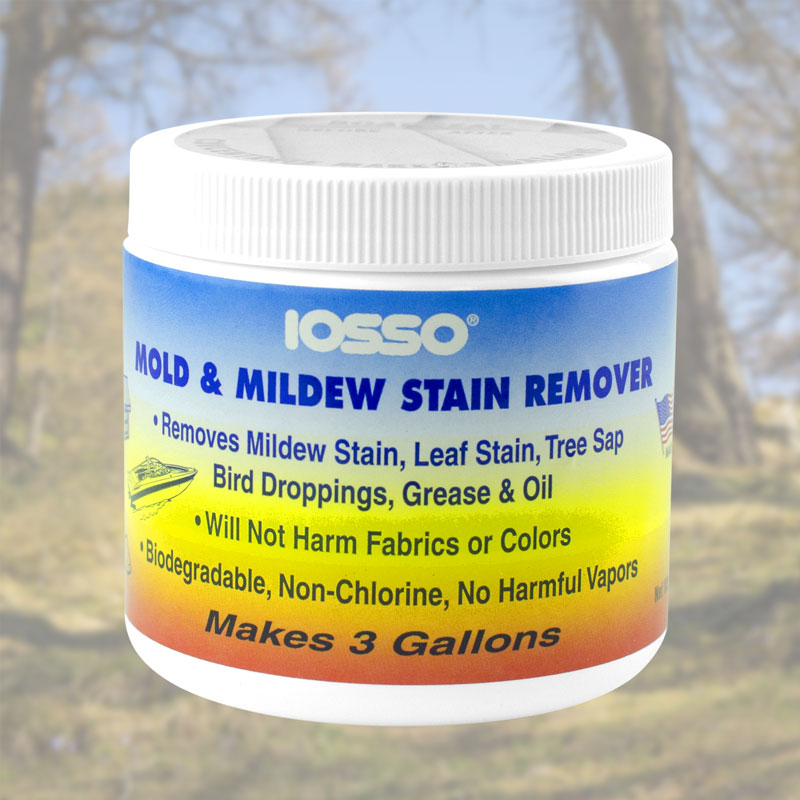
Using Commercial Mold Removers
Commercial mold removers are made for tough mold problems. They clean quickly but may have stronger chemicals.
Choose a product labeled safe for fabrics and tents. Follow the instructions on the label for the best results.
- Wear gloves to protect your skin
- Spray the mold remover evenly on the affected areas
- Let it sit for the recommended time before scrubbing or rinsing
Scrub Moldy Areas
Cleaning mold from a tent needs careful scrubbing. You must remove the mold without hurting the fabric.
Scrubbing helps lift mold from the surface. Use the right tools and pressure for best results.
Choosing The Right Brush
Pick a brush that cleans well but does not damage the tent. Soft brushes work well on delicate fabrics.
Hard brushes can remove tough mold but may wear out the tent material. Choose based on your tent’s fabric type.
- Soft nylon brush for light cleaning
- Medium-bristle brush for general use
- Stiff brush for thick mold spots (use carefully)
Gentle Vs. Aggressive Scrubbing
Gentle scrubbing removes light mold without damage. Use soft strokes and little force.
Aggressive scrubbing works on heavy mold but can harm the fabric. Use it only on tough spots.
- Gentle scrubbing: preserves fabric, good for light mold
- Aggressive scrubbing: removes deep mold, use with caution
- Test a small area first to check fabric reaction
Rinse And Dry Thoroughly
Cleaning mold from a tent needs careful rinsing and drying. These steps stop mold from growing back.
Rinsing removes mold and soap. Drying stops moisture that helps mold grow again.
Proper Rinsing Methods
Use clean water to rinse the tent well. Avoid harsh sprays that can damage the fabric.
Rinse until no soap or mold traces remain. Check areas with heavy mold carefully.
- Use a gentle spray or bucket of clean water
- Rinse both inside and outside of the tent
- Repeat rinsing if soap suds or mold remain
- Do not scrub too hard to avoid fabric damage
Effective Drying Tips
Dry the tent completely in sunlight if possible. Sunlight helps kill mold spores and dry the fabric fast.
Hang the tent in a well-ventilated area. Avoid folding or packing it damp to prevent new mold growth.
- Set up the tent outdoors on a dry, sunny day
- Use a clothesline or hangers to spread fabric
- Keep the tent open for air flow
- Make sure all parts, including corners, dry fully
Prevent Future Mold Growth
Mold can damage your tent fabric and cause bad smells. Stopping mold before it grows helps keep your tent clean.
Good storage and regular care reduce the chance of mold forming. You can protect your tent by following simple steps.
Storage Best Practices
Store your tent in a dry place with good air flow. Avoid tight bags that trap moisture inside the fabric.
Keep your tent clean and completely dry before putting it away. This stops mold spores from growing on damp surfaces.
- Dry the tent fully in sunlight if possible
- Use a breathable storage bag or loose sack
- Keep the tent away from damp basements or garages
- Store in a cool place, not in direct heat or cold
Regular Maintenance Routines
Check your tent often for signs of mold or dirt. Cleaning it regularly keeps mold from settling in.
Use a soft brush and mild soap to clean the tent after each trip. Rinse well and dry completely before storage.
- Inspect the tent for spots or stains after use
- Clean immediately if you see mold or mildew
- Air out the tent to prevent moisture buildup
- Reapply waterproofing spray to protect fabric
When To Replace Your Tent
Cleaning mold off a tent can restore its look and smell. Sometimes, the damage is too bad to fix. It is important to know when to replace your tent.
Using a damaged tent can cause safety problems. Learn the signs that mean it is time to get a new tent.
Signs Of Irreparable Damage
Some damage from mold or wear cannot be fixed. Look for torn fabric or broken poles. If the tent leaks even after cleaning, it may be time to replace it.
- Large holes or tears in the fabric
- Severe mold stains that won’t come off
- Broken or bent tent poles
- Water leaks after cleaning
- Bad odors that stay after airing out
Safety Considerations
A damaged tent can cause accidents or health risks. Mold can cause breathing problems. A weak tent may collapse in bad weather. Always check safety before using your tent.
- Check for mold that can cause allergies or asthma
- Make sure poles and zippers work well
- Replace tents with holes that let in rain or wind
- Do not use tents with structural damage in storms
- Keep tents clean and dry to avoid mold growth
Credit: www.davistent.com
Frequently Asked Questions
How Do I Safely Remove Mold From A Tent?
Use a mixture of mild soap and water with a soft brush. Avoid harsh chemicals that can damage the fabric. Rinse thoroughly and dry completely in sunlight to prevent mold regrowth.
What Household Items Kill Mold On Tents Effectively?
White vinegar and baking soda are safe and effective against mold. Apply vinegar directly, let it sit, then scrub with baking soda paste. Rinse well and dry the tent fully outdoors.
Can Mold Damage My Tent Fabric Permanently?
Yes, mold can weaken and discolor tent fabric if untreated. Prompt cleaning prevents permanent damage and extends your tent’s lifespan. Always dry your tent thoroughly after cleaning.
How Often Should I Check My Tent For Mold?
Check your tent for mold after every camping trip, especially if stored damp. Regular inspection helps catch mold early and keeps your tent fresh and safe.
Conclusion
Cleaning mold off a tent protects it and keeps you healthy. Use gentle soap and water, and scrub the spots well. Let the tent dry completely in sunlight to stop mold growth. Store your tent in a dry place to avoid future mold problems.
Regular care makes your tent last longer and stay safe. Keep your camping gear clean and ready for your next trip. Simple steps make a big difference in tent care.