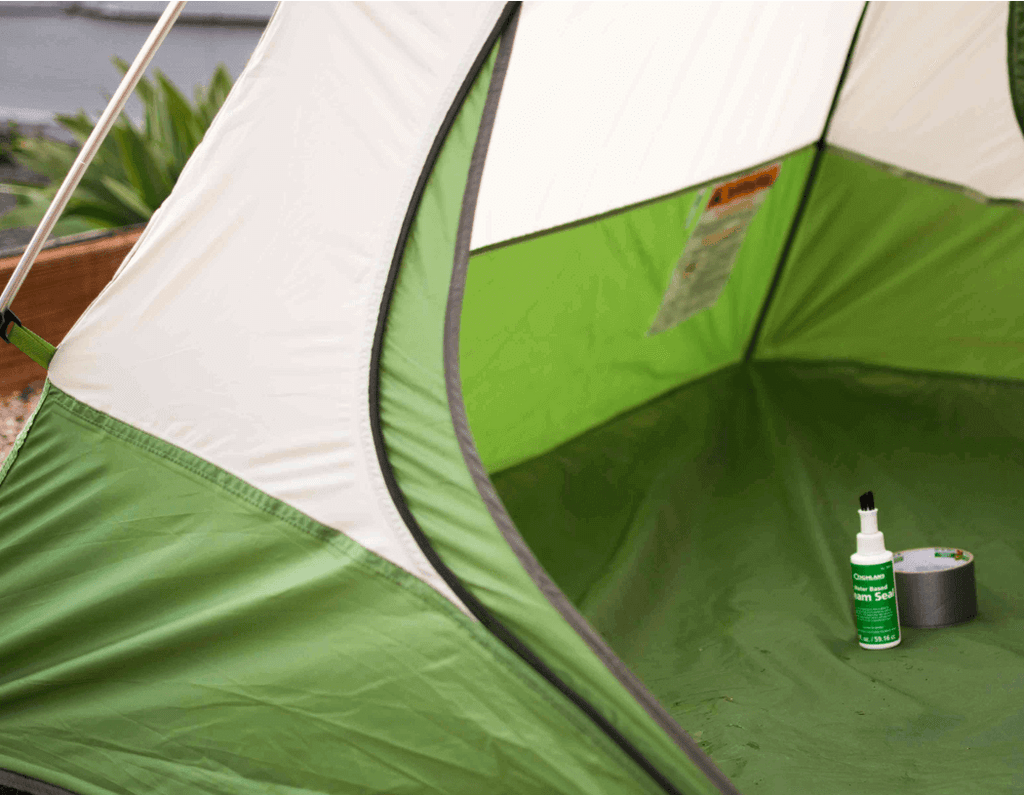
You’ve just unpacked your tent, only to find patches of mould staring back at you. It’s frustrating, right?
Mould not only looks nasty but can also damage your gear and affect your health. The good news is, cleaning mould off your tent is easier than you think. In this guide, you’ll discover simple, effective steps to restore your tent to a fresh, clean state.
Keep reading, because your next camping trip deserves a mould-free start.
Identify Mould On Your Tent
Mould can grow on tents if they stay damp for too long. It looks like dark spots or patches on the fabric. Knowing how to spot mould helps you clean it early.
Check your tent after camping trips, especially if it was wet or stored without drying. Early detection stops mould from spreading and damaging your tent.
Common Signs Of Tent Mould
Mould on tents shows up in different ways. Look closely to find these signs before mould spreads.
- Dark green, black, or grey spots on the fabric
- A musty or damp smell inside the tent
- Sticky or slimy patches on the tent surface
- Faded or discolored areas where mould grows
- Soft or weakened fabric in some spots
Health Risks Of Mould Exposure
Breathing in mould spores can cause health problems. People react differently depending on their sensitivity.
| Health Issue | Symptoms |
| Allergic Reactions | Sneezing, runny nose, itchy eyes |
| Respiratory Problems | Cough, wheezing, shortness of breath |
| Skin Irritation | Rash, redness, itching |
| Asthma Attacks | Difficulty breathing, chest tightness |
Gather Cleaning Supplies
Cleaning mould off a tent requires the right tools and supplies. Having everything ready makes the task easier and faster.
Follow this guide to ensure you have all you need to effectively clean and maintain your tent.
Essential Cleaning Tools
Gathering the right cleaning tools is crucial for removing mould from your tent. These tools will help you clean efficiently and protect your tent fabric.
- Soft brush or sponge for scrubbing
- Bucket for mixing cleaning solutions
- Clean cloths for wiping and drying
- Water source for rinsing
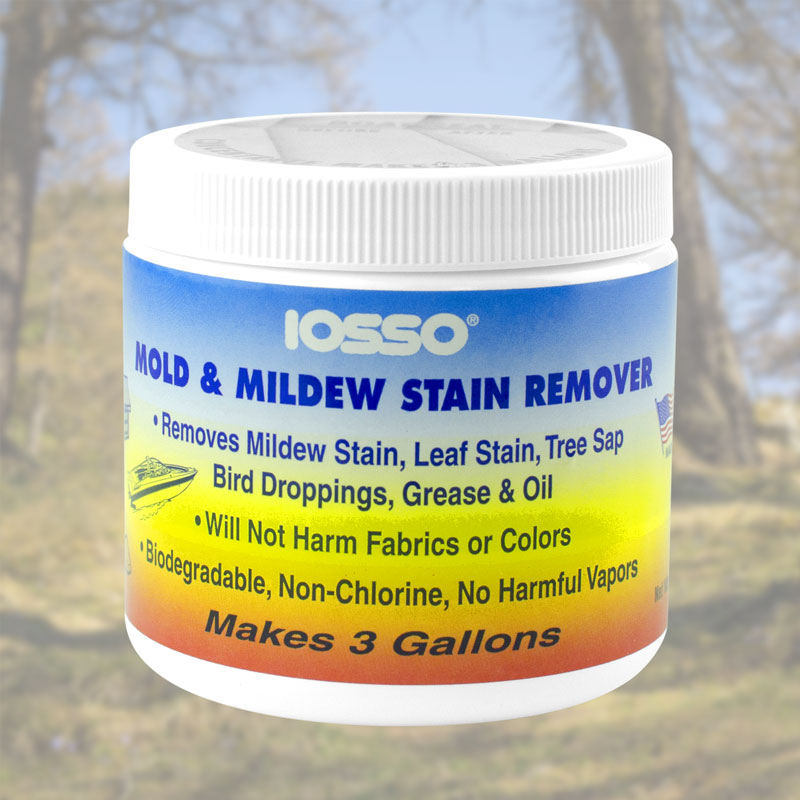
Safe Cleaning Solutions
Using safe cleaning solutions helps protect your tent material while effectively removing mould. Choose solutions that are gentle yet effective.
Consider using this simple homemade cleaning solution:
- Mix one part vinegar with three parts water.
- Add a few drops of mild dish soap.
- Stir well before use.
| Solution Type | Ingredients | Usage |
| Vinegar Mix | Vinegar, Water, Dish Soap | Spray and scrub |
| Baking Soda Paste | Baking Soda, Water | Apply and scrub |
Prepare The Tent For Cleaning
Cleaning mould from a tent starts with good preparation. You need to get the tent ready so the cleaning works well and is safe.
Follow these steps to prepare your tent before you begin the mould removal process.
Set Up A Well-ventilated Area
Work in a place with fresh air to avoid breathing mould spores. Good airflow helps dry the tent and stops mould from spreading.
- Choose an outdoor spot or open garage with windows.
- Avoid tight spaces like small rooms or closets.
- Use fans if natural airflow is low.
- Keep children and pets away from the cleaning area.
Remove Loose Dirt And Debris
Clear off dirt and loose mould before washing. This makes cleaning easier and protects the tent fabric.
| Tool | Use |
| Soft brush | Gently sweep dirt and mould flakes |
| Vacuum cleaner | Remove dust without damaging fabric |
| Cloth or sponge | Wipe surface lightly before washing |

Credit: www.reddit.com
Step-by-step Mould Removal
Mould can damage your tent and cause bad smells. Cleaning it quickly keeps your tent safe to use. Follow simple steps to remove mould safely.
Use gentle cleaning methods to protect the fabric. Rinse and dry your tent well to stop mould from coming back.
Apply Cleaning Solution
Mix a cleaning solution using water and mild soap or vinegar. Avoid harsh chemicals that can damage your tent fabric. Use a spray bottle to apply the solution evenly on the mould spots.
- Fill a spray bottle with 1 part white vinegar and 3 parts water
- Or use a small amount of mild soap mixed with warm water
- Spray the solution on all mouldy areas
- Let the solution sit for 10 to 15 minutes
Scrub Affected Areas Gently
Use a soft brush or sponge to scrub the mould carefully. Do not use hard brushes that can tear the fabric. Clean all affected spots until the mould starts to disappear.
| Tool | Purpose |
| Soft Brush | Remove mould without damage |
| Sponge | Clean gently and evenly |
| Cloth | Wipe off excess cleaning solution |
Rinse And Dry Thoroughly
Rinse your tent well with clean water to remove all cleaning solution and mould residue. Dry the tent completely in the sun to prevent mould growth.
- Use a hose or bucket to rinse all cleaned areas
- Shake off excess water gently
- Set up the tent in direct sunlight
- Allow it to dry for several hours until fully dry
Prevent Future Mould Growth
Mould can damage your tent and cause bad smells. Stopping mould from growing is important. You must keep your tent dry and clean.
Good storage and regular care help keep mould away. Learn how to store and maintain your tent properly.
Proper Tent Storage Tips
Always dry your tent completely before storing it. Even small damp spots can cause mould.
Store your tent in a cool, dry place. Avoid tight bags or plastic containers that trap moisture.
- Keep your tent loose in a breathable bag
- Choose a dry, shaded storage area
- Do not store your tent in direct sunlight
- Avoid damp basements or garages
Regular Maintenance Practices
Check your tent often for dirt and moisture. Clean it after every trip to stop mould growth.
Use mild soap and water to clean your tent. Avoid harsh chemicals that can damage the fabric.
- Air out your tent after use
- Wipe off dirt and leaves promptly
- Inspect seams and zippers for damage
- Apply waterproof spray if needed

Credit: www.popularmechanics.com
When To Seek Professional Help
Mould can grow quickly on tents if not cleaned properly. Some mould problems need expert care. Knowing when to get help saves your tent and health.
This guide explains signs of severe mould and how to check for damage. It helps you decide when to call a professional.
Severe Mould Infestations
Severe mould looks dark and spreads fast. It can cause health issues and weaken tent fabric. If mould covers large areas or returns after cleaning, get help.
- Mould covers more than 25% of the tent surface
- Mould smells very strong or musty
- Cleaning does not remove mould stains
- You feel allergic or sick near the tent
- Fabric feels weak or discolored
Damage Assessment And Repair
Professionals check how much mould damaged the tent. They know how to fix tears, holes, or fabric loss. They may use special tools and treatments to save your tent.
| Damage Type | Signs | Professional Action |
| Fabric Weakening | Thin, brittle, or torn areas | Patch or replace damaged sections |
| Permanent Stains | Dark spots that won’t fade | Deep cleaning or fabric treatment |
| Odor Problems | Strong musty smell | Special deodorizing treatments |
| Structural Damage | Bent or broken poles | Repair or replace poles |
Credit: www.davistent.com
Frequently Asked Questions
How Do I Remove Mould From A Tent Effectively?
To remove mould, first brush off loose spores outside. Then, clean with a mixture of water and mild detergent. Rinse thoroughly and dry the tent completely in sunlight to prevent mould regrowth. Avoid harsh chemicals to protect the tent fabric.
What Household Products Kill Mould On Tents?
White vinegar and baking soda are effective mould killers. Spray diluted vinegar on mouldy areas, let sit 30 minutes, then scrub gently. Baking soda mixed with water also helps remove mould and odor safely without damaging tent material.
Can Mould Damage My Tent Fabric Permanently?
Yes, mould can weaken and discolor tent fabric if untreated. Prolonged mould exposure breaks down fibers, reducing tent durability and waterproofing. Prompt cleaning and thorough drying after mould detection prevent permanent damage and extend your tent’s lifespan.
How Often Should I Check My Tent For Mould?
Check your tent for mould after every camping trip, especially in humid conditions. Regular inspections help catch mould early, making it easier to clean. Always dry your tent completely before storage to minimize mould growth risk.
Conclusion
Cleaning mould off a tent keeps it safe and ready to use. Regular care stops mould from growing back quickly. Use gentle cleaners and dry the tent well every time. This helps your tent last longer and stay fresh. A clean tent makes camping more fun and healthy.
Remember, small steps make a big difference in tent care. Keep your gear clean, and enjoy the outdoors with peace of mind.