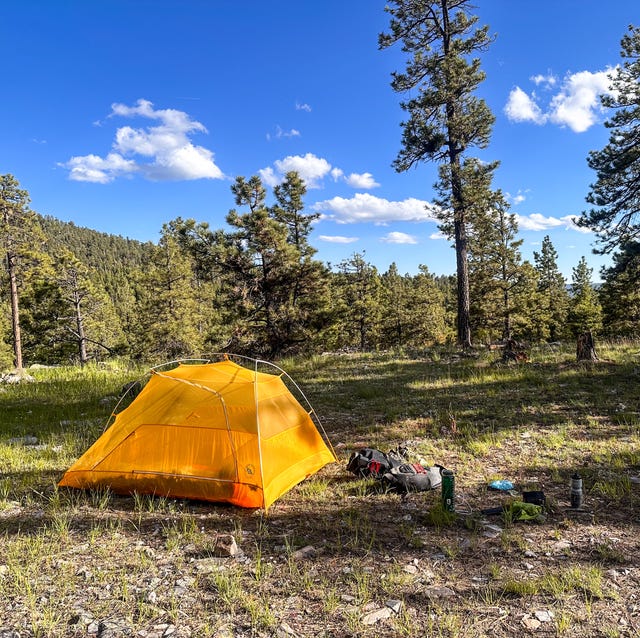
Your tent is more than just a shelter—it’s your cozy home away from home. But after a fun trip, it can get dirty, smelly, and even damaged if not cleaned properly.
You might wonder, “How do I clean my tent without ruining it? ” You’re not alone. Keeping your tent fresh and ready for the next adventure is easier than you think. In this guide, you’ll discover simple, step-by-step tips to clean your tent safely and effectively.
Ready to make your tent feel like new again? Let’s dive in!
Preparing Your Tent For Cleaning
Cleaning your tent starts with good preparation. This makes the process easier and protects your tent’s material.
Careful preparation helps you clean your tent well without causing damage.
Choosing The Right Location
Pick a clean, flat area to set up your tent for cleaning. Avoid rough or sharp surfaces that can tear the fabric.
Good lighting helps you see dirt and damage clearly. Outdoor spaces with shade work best to prevent sun damage during cleaning.
Gathering Cleaning Supplies
- Mild soap or tent cleaner
- Soft sponge or cloth
- Bucket of clean water
- Soft brush for tough dirt
- Towels for drying
- Plastic tarp or groundsheet
Use supplies that are gentle on the tent fabric. Avoid harsh chemicals and strong detergents.
Inspecting For Damage
| Type of Damage | Signs to Look For | What to Do |
|---|---|---|
| Rips or Tears | Holes or cuts in fabric | Patch before cleaning |
| Broken Zippers | Zipper stuck or missing teeth | Repair or replace zipper |
| Mold or Mildew | Dark spots or musty smell | Use mild cleaner, avoid bleach |
| Loose Seams | Stitches coming undone | Sew seams or use seam tape |

Credit: www.popularmechanics.com
Removing Dirt And Debris
Cleaning your tent starts by removing dirt and debris. This keeps the fabric safe and ready for your next trip.
Use simple tools and gentle methods to avoid damage. Here are easy ways to clean your tent.
Shaking Off Loose Particles
Take your tent outside and hold it firmly. Shake it gently to remove leaves, dust, and small stones.
Focus on corners and seams where dirt can collect. This quick step prevents dirt from spreading inside.
Brushing Away Stubborn Dirt
Use a soft brush to clean dirt stuck on the tent fabric. Avoid hard brushes that may tear the material.
- Brush in one direction to lift dirt gently
- Pay attention to areas near the floor and zippers
- Do not scrub too hard to keep the fabric waterproof
- Brush off dirt after each use to avoid buildup
Vacuuming The Interior
Use a handheld vacuum to clean the inside of your tent. It removes sand, crumbs, and small debris.
| Vacuum Tips | Reason |
|---|---|
| Use low suction power | Protects delicate fabric |
| Vacuum seams carefully | Removes hidden dirt |
| Empty vacuum regularly | Maintains strong suction |
| Check for holes after vacuuming | Prevents leaks later |
Cleaning The Tent Fabric
Cleaning your tent fabric helps keep it strong and ready for camping. Dirt and stains can damage the material over time.
Use gentle cleaning methods to protect the fabric and keep it waterproof.
Selecting A Suitable Cleaner
Choose a cleaner made for outdoor gear or tents. Avoid harsh soaps or bleach. These can harm the fabric and coatings.
Look for mild, non-detergent cleaners. These clean well without stripping waterproof layers.
- Use a tent-specific cleaner or mild soap
- Do not use bleach or strong detergents
- Test cleaner on a small area first
Hand Washing Techniques
Hand washing is gentle and lets you clean spots carefully. Use a soft sponge or cloth to avoid damage.
Fill a tub with lukewarm water and add a small amount of cleaner. Soak the tent fabric and scrub lightly.
- Mix mild cleaner with lukewarm water
- Use a soft sponge or cloth
- Focus on dirty or stained areas
- Rinse well with clean water
Using A Gentle Machine Wash
You can wash small tents in a machine if the label allows. Use a gentle cycle with cold water.
Place the tent in a laundry bag or pillowcase to protect it. Use a mild cleaner and avoid fabric softeners.
- Check the tent care label first
- Use cold water and gentle cycle
- Put tent inside a laundry bag
- Use mild cleaner only
- Skip fabric softeners and bleach
Credit: www.popularmechanics.com
Dealing With Stains And Mildew
Cleaning a tent is important for its lifespan. Stains and mildew can damage the fabric.
It is crucial to address these issues quickly. Here are some tips to keep your tent clean.
Spot Cleaning Methods
Spot cleaning is effective for small stains. Use mild soap and water.
Gently scrub the stain with a soft brush. Avoid harsh chemicals that can harm the fabric.
- Mix soap and water in a small bowl
- Dip the brush into the solution
- Scrub the stain gently
- Rinse with clean water
- Let the tent air dry completely
Natural Remedies For Mildew
Mildew needs to be tackled quickly. Vinegar is a natural option for this.
Mix equal parts of vinegar and water. Spray the mixture on the affected area.
- Mix vinegar and water in a spray bottle
- Spray on mildew spots
- Let it sit for 10 minutes
- Wipe with a damp cloth
- Allow the tent to dry completely
Preventing Mold Growth
Prevention is key to avoiding mold. Always dry your tent before storing it.
Store the tent in a cool, dry place. Use a breathable bag instead of a plastic one.
- Ensure the tent is completely dry
- Store in a well-ventilated area
- Use a breathable storage bag
- Avoid storing in damp places
Drying And Storing Your Tent
Taking care of your tent after camping keeps it safe and clean. Drying and storing it properly stops mold and damage. Follow simple steps to keep your tent in good shape.
Learn how to dry your tent well, avoid sun damage, and fold it the right way. These tips help your tent last for many camping trips.
Proper Air Drying Tips
Always dry your tent completely before storing. Wet tents can grow mold and smell bad. Set it up or hang it in a dry place with good airflow.
- Choose a shaded, breezy spot to dry your tent.
- Use tent poles or a clothesline to spread the fabric.
- Turn the tent inside out to dry the floor and rainfly separately.
- Check all pockets and seams for moisture.
- Do not pack the tent until it is fully dry.
Avoiding Sun Damage
Sunlight can weaken your tent’s fabric and color. Avoid leaving your tent in direct sun for long periods. Use these tips to protect it.
- Dry your tent in the shade or under a tree.
- Use a tarp or cover to block strong sunlight.
- Set up your tent early or late in the day to reduce sun exposure.
- Store your tent away from windows or hot areas indoors.
Folding And Packing Correctly
Folding your tent the right way saves space and keeps it safe. Avoid sharp creases that can damage the fabric over time. Follow this folding guide.
| Folding Step | How to Do It |
|---|---|
| Lay Flat | Spread the tent flat on a clean surface, smoothing wrinkles. |
| Fold Lengthwise | Fold the tent in half or thirds, matching edges carefully. |
| Roll or Fold | Roll tightly from one end or fold neatly without forcing. |
| Pack in Bag | Place the folded tent in its storage bag without stuffing. |
Maintaining Your Tent’s Longevity
Keeping your tent clean and in good condition helps it last longer. Dirt and damage can weaken the fabric and seams.
Regular care protects your tent from wear and tear. It also keeps it ready for your next trip.
Regular Cleaning Schedule
Clean your tent after every camping trip to avoid dirt buildup. Use mild soap and water for washing.
- Shake out loose dirt and debris before packing
- Spot clean stains with a soft cloth
- Hand wash with gentle soap and lukewarm water
- Rinse thoroughly to remove all soap
- Air dry completely before storage
Repairing Small Tears
Fix small tears as soon as you find them. Early repairs prevent bigger damage.
| Type of Damage | Recommended Repair |
| Small tear under 3 inches | Use fabric repair tape |
| Seam separation | Apply seam sealer and stitch if needed |
| Hole or puncture | Patch with a repair kit |
Using Protective Sprays
Apply waterproof sprays to keep your tent dry and protected. These sprays add a water-resistant layer.
Follow these tips when using protective sprays:
- Choose a spray suitable for your tent’s material
- Apply on a clean and dry tent surface
- Spray evenly and avoid soaking
- Let the tent dry fully before packing

Credit: www.youtube.com
Frequently Asked Questions
How Often Should I Clean My Tent?
Clean your tent after every camping trip or at least twice a year. Regular cleaning prevents mold, dirt buildup, and fabric damage, extending your tent’s life.
What Is The Best Way To Wash A Tent?
Use lukewarm water, mild soap, and a soft brush or sponge. Avoid harsh detergents or washing machines to protect the tent fabric and waterproof coating.
Can I Use Bleach To Clean My Tent?
No, avoid bleach as it damages tent fabric and waterproof coatings. Instead, use gentle soap and water to maintain fabric integrity and color.
How Do I Dry My Tent Properly?
Air dry your tent in a shaded, well-ventilated area. Avoid direct sunlight to prevent fabric fading and damage to waterproof coatings.
Conclusion
Cleaning your tent keeps it fresh and ready for use. Dirt and stains can damage fabric over time. Use gentle soap and water for best results. Always dry your tent completely before packing it away. Store it in a cool, dry place to avoid mold.
Taking care of your tent helps it last longer. Enjoy your camping trips with a clean, well-kept tent. Simple steps make tent cleaning easy and effective. Keep your gear in top shape for every adventure.