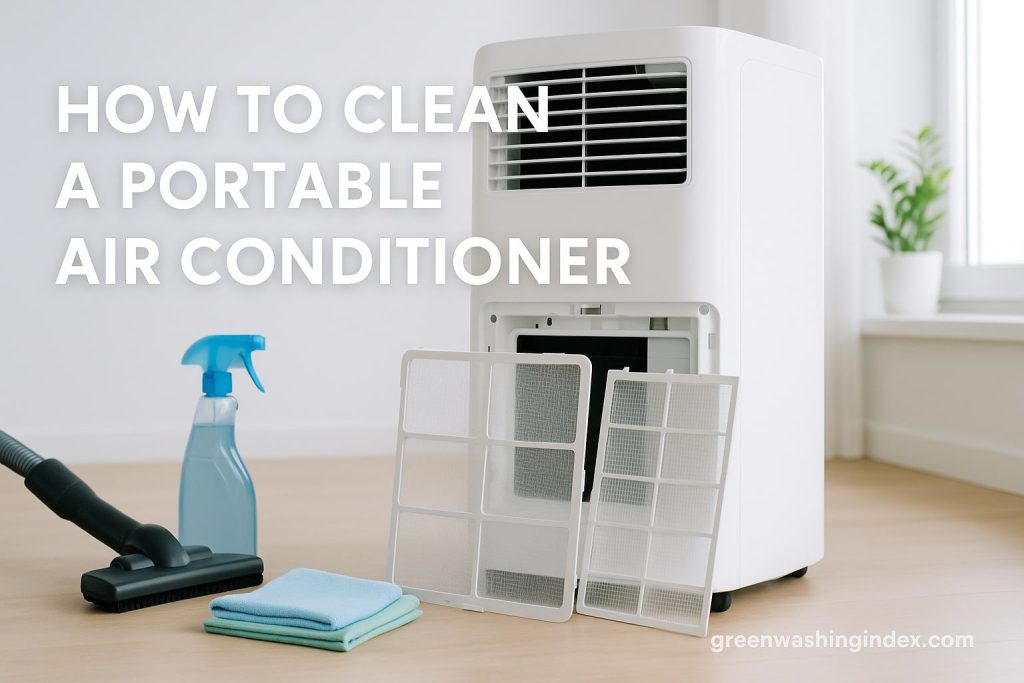
Is your portable air conditioner not cooling as well as it used to? It might be time for a deep clean.
Cleaning your portable AC is easier than you think, and it can make a huge difference in how well your unit works. When you keep your air conditioner clean, you save money on energy bills, avoid costly repairs, and breathe fresher air.
In this guide, you’ll learn simple, step-by-step methods to clean your portable air conditioner quickly and safely. Keep reading—you’ll be surprised how a little cleaning can bring big comfort back to your space.

Credit: www.youtube.com
Preparing For Cleaning
Cleaning your portable air conditioner helps it work better and last longer. Before you start, get ready with the right tools and steps.
Proper preparation makes the cleaning process safe and easy. Follow these tips to prepare your unit.
Gathering Necessary Tools
Collect all tools before cleaning. This keeps you from stopping midway to find items.
- Soft cloths or microfiber towels
- Mild dish soap or gentle cleaner
- Vacuum cleaner with brush attachment
- Small brush or old toothbrush
- Bucket of warm water
- Screwdriver (if needed to open panels)
Having these tools ready helps you clean every part of the air conditioner carefully.
Unplugging And Moving The Unit
Always unplug the air conditioner before cleaning to avoid electric shock. Safety first.
Move the unit to a well-ventilated area or near a drain if possible. This prevents water damage indoors.
- Turn off the unit using the power button
- Unplug from the electrical outlet
- Carefully disconnect any hoses or vents
- Use wheels or handles to move the unit gently
- Place the unit on a flat surface for cleaning

Credit: www.youtube.com
Cleaning The Exterior
Keeping your portable air conditioner clean helps it work well. The exterior collects dust and dirt. Cleaning it regularly keeps it looking good and running smoothly.
Use simple tools and gentle cleaners. Avoid harsh chemicals that can damage the surface. Focus on wiping and checking for damage to keep your unit safe.
Wiping Down The Surface
Wipe the outside of your air conditioner with a soft cloth. Use mild soap and water to remove dirt and dust. Avoid soaking the unit or using abrasive materials.
- Turn off and unplug the air conditioner before cleaning
- Use a damp cloth with mild soap to wipe the surface
- Clean vents carefully without pushing dust inside
- Dry the surface with a clean, dry cloth
- Do not spray water directly on the unit
Checking For Damage
Look over the exterior for cracks, dents, or loose parts. Damage can affect how well the unit works. Early spotting can prevent bigger problems later.
| Type of Damage | Signs to Look For | Action to Take |
|---|---|---|
| Cracks | Visible lines or splits on the surface | Seal small cracks or contact a professional |
| Dents | Indented or pushed-in areas | Check if the dent blocks vents or controls |
| Loose parts | Wobbling panels or buttons | Tighten screws or replace broken parts |
Cleaning The Air Filter
Cleaning the air filter in your portable air conditioner keeps it running well. A dirty filter lowers cooling power and can cause damage.
Regular cleaning helps the air flow freely and improves air quality in your room.
Removing The Filter
First, turn off and unplug the air conditioner. Find the filter, usually behind a front or side panel. Open the panel carefully to access the filter. Gently pull the filter out to avoid damage.
Washing And Drying
Use lukewarm water and mild soap to clean the filter. Avoid harsh chemicals that can harm the material. Rinse the filter well to remove all soap.
- Fill a basin with lukewarm water
- Add a small amount of mild soap
- Soak the filter for 10 minutes
- Gently scrub with a soft brush
- Rinse with clean water
- Shake off excess water
- Let it air dry completely before reinstalling
Replacing The Filter
After the filter is dry, slide it back into its slot. Make sure it fits snugly and the panel closes properly. Plug in the unit and turn it on to check it works well.
| Task | Action |
| Remove Filter | Unplug unit, open panel, pull filter out |
| Clean Filter | Soak in soapy water, scrub, rinse, air dry |
| Replace Filter | Insert filter back, close panel, power on |
Cleaning The Condenser And Evaporator Coils
Keeping the condenser and evaporator coils clean helps your portable air conditioner work well. Dirt on the coils can block airflow and reduce cooling.
Regular cleaning stops damage and keeps your unit running longer. Follow these easy steps to clean the coils safely.
Accessing The Coils
First, unplug the air conditioner to stay safe. Remove the outer cover or panel to find the coils inside. The condenser coil is usually at the back, and the evaporator coil is inside near the air filter.
Removing Dust And Debris
Use a soft brush or vacuum cleaner with a brush attachment to clear dust from the coils. Be gentle to avoid bending the coil fins. Remove all loose dirt and debris before using any liquid cleaner.
- Turn off and unplug the unit
- Remove the outer cover or panel
- Use a soft brush or vacuum to remove dust
- Be careful not to damage the fins
- Clear away all loose debris
Using Coil Cleaner Safely
Choose a coil cleaner made for air conditioners. Spray the cleaner on the coils following the instructions on the label. Avoid spraying electrical parts. Let the cleaner sit for the recommended time, then rinse off with water if needed. Dry the coils before putting the cover back on.
| Safety Tips | Details |
| Unplug unit | Always disconnect power before cleaning |
| Use proper cleaner | Select coil cleaner safe for AC units |
| Avoid electrical parts | Do not spray cleaner on wiring or controls |
| Follow instructions | Read and follow label directions carefully |
| Dry coils | Let coils dry fully before reassembling |
Draining And Cleaning The Water Tank
Cleaning the water tank of your portable air conditioner keeps it working well. A clean tank stops bad smells and water problems. This guide helps you drain and clean the tank safely.
Follow simple steps to empty the tank, remove mold, and dry it. Regular care extends the life of your air conditioner and keeps the air fresh.
Emptying The Tank
Drain the water tank often to avoid overflow. Turn off and unplug the unit before starting. Locate the drain plug or hose at the base of the unit.
- Place a shallow container or towel under the drain plug.
- Remove the drain plug carefully to let water flow out.
- Allow all water to drain completely.
- Reinsert the drain plug securely after draining.
- Wipe the outside of the tank with a dry cloth.
Removing Mold And Mildew
Mold and mildew can grow inside the tank if water stays too long. Clean the tank regularly to stop this. Use mild soap and water or a vinegar solution for cleaning.
| Cleaning Agent | Mix Ratio | Use Instructions |
|---|---|---|
| White Vinegar | 1 part vinegar to 3 parts water | Pour into tank, let sit 30 minutes, then scrub and rinse |
| Mild Soap | Few drops in warm water | Apply with soft cloth, scrub gently, then rinse well |
Wear gloves while cleaning. Use a soft brush or cloth to scrub the tank walls. Rinse the tank fully to remove all cleaning agents.
Drying The Tank
Drying the tank stops mold and keeps the unit fresh. After rinsing, leave the tank open in a dry area. Use a clean cloth to wipe any wet spots.
- Leave the drain plug off to air dry faster.
- Use a fan to speed up drying if needed.
- Make sure the tank is fully dry before reinserting it.
- Check for any damage or cracks before use.
Maintaining The Exhaust Hose
The exhaust hose of a portable air conditioner needs regular care. Keeping it clean helps the unit work well and last longer.
This guide will show you how to detach, clean, and reattach the hose safely and easily.
Detaching The Hose
Turn off the air conditioner and unplug it. Wait for the unit to cool down. Locate the exhaust hose at the back of the machine.
Loosen the hose connection by twisting it gently. Pull the hose away from the air conditioner and from the window or vent it leads to.
Cleaning Inside The Hose
Use a soft cloth or sponge with mild soap and warm water to clean the inside of the hose. Avoid harsh chemicals that can damage the material.
- Prepare a bucket with warm, soapy water.
- Dip the cloth into the water and wring it out.
- Reach inside the hose and wipe the interior walls carefully.
- Rinse the cloth and wipe again to remove soap.
- Hang the hose to dry completely before reattaching.
Reattaching Properly
Check the hose and connections for any cracks or damage before reattaching. Align the hose with the air conditioner outlet and twist to secure it firmly.
| Connection Point | Check | Action |
|---|---|---|
| Air Conditioner Outlet | Clean and free of debris | Wipe with dry cloth |
| Hose Ends | No cracks or holes | Replace if damaged |
| Window Vent Connection | Secure fit | Twist or clip tightly |
Make sure the hose is not bent or pinched. This helps air flow freely and keeps your air conditioner efficient.
Routine Maintenance Tips
Cleaning your portable air conditioner keeps it working well. Regular care helps the unit last longer.
Follow simple steps to keep the air conditioner fresh and efficient all year.
Scheduling Regular Cleanings
Clean your air conditioner often to stop dust and dirt buildup. This keeps air flowing and cools better.
- Turn off and unplug the unit before cleaning.
- Remove and wash the filters with warm water and mild soap.
- Dry the filters completely before putting them back.
- Wipe the outside with a soft cloth and mild cleaner.
- Check the drain pan and empty any water inside.
- Clean the air vents gently to remove dust.
Storing The Unit Off-season
Store the air conditioner properly during cold months. This stops damage and keeps it ready for summer.
| Storage Tip | Reason |
| Clean and dry the unit | Prevents mold and bad smells |
| Cover with a plastic sheet | Keeps dust off the machine |
| Store in a dry place | Avoids rust and damage |
| Remove batteries from remote | Prevents battery leaks |

Credit: www.youtube.com
Frequently Asked Questions
How Often Should I Clean My Portable Air Conditioner?
It’s best to clean your portable air conditioner every two weeks. Regular cleaning ensures efficient performance and extends the unit’s lifespan. Pay attention to filters and the water tank. By maintaining a consistent cleaning schedule, you can avoid dirt buildup and ensure fresh, cool air.
What Tools Do I Need For Cleaning?
You need a soft cloth, vacuum cleaner, and mild detergent. Use the cloth to wipe surfaces and the vacuum for filters. A mild detergent helps remove stubborn dirt. These tools are usually sufficient for a thorough cleaning, ensuring your portable air conditioner stays in top condition.
Can I Clean The Air Filter Myself?
Yes, cleaning the air filter yourself is simple. First, remove the filter according to the manual. Rinse it with lukewarm water and let it dry completely. Regularly cleaning the filter improves air quality and ensures your unit operates efficiently, saving energy and enhancing cooling performance.
How Do I Prevent Mold In My Air Conditioner?
To prevent mold, ensure regular cleaning and proper ventilation. Empty the water tank frequently and keep the unit dry. Use a dehumidifier if necessary. Mold thrives in damp conditions, so maintaining a dry environment helps prevent its growth in your air conditioner.
Conclusion
Cleaning your portable air conditioner keeps it working well and lasts longer. Regular care stops dirt from building up inside. It also improves the air you breathe at home. Take time to clean the filters and the water tank often.
Don’t forget to check the vents for dust. A clean unit uses less energy and cools better. Small efforts make a big difference in comfort. Keep your air conditioner fresh and ready for hot days. Simple steps help avoid costly repairs later on.
Clean air, cool room, happy you.