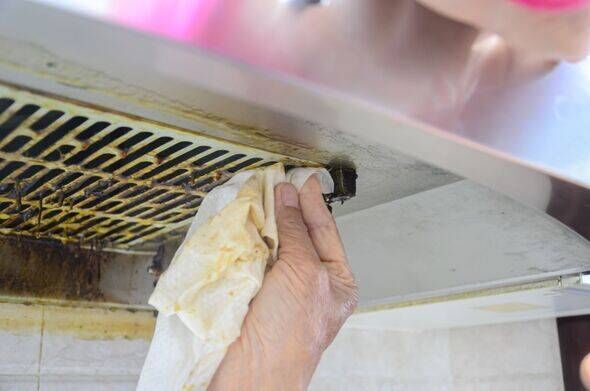
Is your kitchen starting to feel a bit stuffy or greasy? If so, your range hood fan might be overdue for a good cleaning.
When you cook, your range hood fan works hard to keep your kitchen air fresh by capturing smoke, grease, and odors. But, over time, all that grime builds up, reducing efficiency and even posing a fire risk. Imagine cooking in a space where you can breathe easy and everything smells fresh.
That’s exactly what you’ll achieve by learning how to clean your range hood fan. This article will guide you through simple steps to transform your cooking area and ensure your range hood fan is working at its best. Keep reading to discover how easy it is to restore your kitchen to its clean and inviting glory!

Credit: kitchen.services
Tools And Materials Needed
Cleaning your range hood fan is easier with the right tools and materials. Having everything ready helps you work faster and better. This section lists the essentials needed for a thorough cleaning.
Cleaning Cloths And Sponges
Soft cloths and sponges help wipe away grease gently. Use microfiber cloths for better dust and grime removal. Avoid abrasive pads that can scratch the surface.
Degreasing Cleaner
A strong degreaser breaks down tough grease and grime. Choose a cleaner safe for kitchen appliances. Homemade solutions with vinegar and baking soda also work well.
Dish Soap
Dish soap cuts through light grease and dirt. It works well for routine cleaning. Mix it with warm water to create a gentle cleaning solution.
Bucket Or Basin
Use a bucket or basin to soak removable parts. Warm water helps loosen built-up grease. Make sure the container is large enough for fan filters.
Old Toothbrush Or Soft Brush
Brushes clean hard-to-reach spots and crevices. An old toothbrush works perfectly for detailed scrubbing. Choose soft bristles to avoid damage.
Gloves
Protect your hands with rubber gloves. They shield against harsh chemicals and hot water. Gloves also keep your skin clean during scrubbing.

Credit: www.searshomeservices.com
Safety Precautions
Cleaning a range hood fan requires careful attention to safety. The fan has electrical parts and grease buildup that can be hazardous. Taking safety precautions protects you from injury and damage. Always prepare properly before starting the cleaning process.
Wear protective gear to avoid grease and sharp edges. Ensure the power supply is off to prevent electric shock. Use the right tools and cleaning products to work safely and efficiently.
Turn Off Power Supply
Switch off the range hood power at the circuit breaker. Confirm the fan is not running before touching any parts. This step prevents electrical accidents during cleaning.
Wear Protective Gloves
Use gloves to shield your hands from grease and sharp fan blades. Gloves also protect your skin from harsh cleaning chemicals. Choose gloves that fit well for better grip and control.
Use A Stable Ladder Or Step Stool
Use a sturdy ladder or step stool to reach the fan comfortably. Avoid standing on unstable surfaces to prevent falls. Make sure the ladder is on a flat, dry floor.
Ventilate The Area
Open windows or use fans to provide fresh air. Cleaning products can release fumes that irritate your eyes and lungs. Good ventilation keeps the air safe to breathe.
Handle Fan Parts Gently
Remove and clean fan parts carefully to avoid damage. Do not force or bend delicate components. Keep small screws and parts in a safe place to avoid losing them.
Removing The Range Hood Fan
Removing the range hood fan is a key step before cleaning. It allows you to access all parts for a thorough wash. Take your time and handle the fan carefully to avoid damage.
Turn Off The Power
Switch off the range hood power from the main switch or fuse box. This step ensures safety while working with electrical parts. Double-check the power is off before starting.
Locate The Fan Assembly
Open the range hood cover or panel to find the fan. Look for screws or clips holding the fan in place. Keep track of all fasteners for reassembly.
Remove The Fan Blades
Unscrew the fan blades carefully using a screwdriver. Hold the blades steady to prevent bending or breaking. Place the blades on a clean surface for cleaning.
Detach The Fan Motor
Disconnect the fan motor from its mount if possible. Some models allow easy removal; others may be fixed. Follow the manufacturer’s instructions for your model.
Clean The Fan Components Separately
Clean each part with warm soapy water or a degreaser. Avoid soaking electrical parts like the motor. Use a soft brush to remove grease and dirt.
Cleaning The Fan Blades
Cleaning the fan blades of a range hood is essential for better airflow and less noise. Grease and dust build up quickly, reducing the fan’s efficiency. Regular cleaning keeps your kitchen fresh and the fan working well.
Soaking Techniques
Remove the fan blades carefully before soaking. Fill a large basin or sink with hot water. Add a few drops of dish soap to break down grease. Submerge the blades fully in the soapy water. Let them soak for 15 to 30 minutes.
This loosens stubborn grime and makes scrubbing easier. Use warm water to speed up the grease removal. Avoid soaking for too long to prevent damage to blade materials.
Scrubbing Tips
Use a soft brush or sponge to clean the blades. Focus on edges and corners where grease hides. Avoid harsh scrubbing tools that can scratch blades. For tough spots, apply a paste of baking soda and water.
Rinse thoroughly with clean water to remove soap residue. Dry blades completely before reinstalling to stop rust. Regular scrubbing keeps the fan blades shiny and efficient.
Cleaning The Filters
Cleaning the filters is a key step in maintaining a range hood fan. Filters trap grease, dust, and other particles. Over time, these build-ups reduce the fan’s efficiency. Regular cleaning keeps the air fresh and helps the fan work better. Proper care extends the life of your range hood.
Dishwasher Vs Hand Wash
Some filters are dishwasher safe. Putting them in the dishwasher saves time and effort. Use a gentle cycle with warm water and mild detergent. Avoid high heat drying to prevent damage.
Hand washing lets you clean filters thoroughly. Soak them in hot, soapy water for 10 to 15 minutes. Use a soft brush to scrub away grease and dirt. Rinse well with warm water and let dry completely before reinstalling.
Check the filter type before choosing a cleaning method. Metal filters often handle dishwasher cleaning well. Charcoal or fabric filters need hand washing or replacement.
Deep Cleaning Methods
For heavy grease, deep cleaning is necessary. Use a mixture of baking soda and hot water. Soak the filters for 30 minutes to loosen grime. Scrub gently with a non-abrasive brush or sponge.
Another option is using a degreaser spray designed for kitchen use. Spray on the filter and let it sit for a few minutes. Rinse thoroughly to remove all chemicals.
Dry filters completely in a well-ventilated area. Never reinstall a wet filter to avoid mold growth. Repeat deep cleaning every few months or as needed.
Cleaning The Exterior Surface
Cleaning the exterior surface of your range hood fan keeps it looking fresh and prevents grease buildup. Dirt and grime can dull the finish and cause unpleasant odors. Regular cleaning also helps maintain good air quality in your kitchen. Use gentle techniques to avoid scratching or damaging the surface.
Gathering The Right Cleaning Supplies
Use mild dish soap, warm water, and a soft cloth or sponge. Avoid abrasive pads or harsh chemicals that may damage the finish. Have a microfiber cloth ready for drying and polishing. Prepare a spray bottle with a water and vinegar mixture for tough grease spots.
Removing Surface Grease And Dirt
Spray the exterior surface lightly with the cleaning solution. Let it sit for a minute to loosen grease. Wipe gently in circular motions to lift dirt without scratching. For stubborn spots, apply a bit more solution and scrub softly. Rinse the cloth frequently to avoid spreading grease.
Drying And Polishing The Surface
Use a clean microfiber cloth to dry the range hood surface completely. This prevents water spots and streaks. Buff gently to restore shine and remove any remaining residue. Check for missed spots and clean again if needed. Maintain this routine weekly for best results.
Reassembling The Range Hood
Reassembling the range hood fan is an important final step. It ensures the fan works properly after cleaning. Taking your time during this process can prevent damage and keep your kitchen safe.
Start by checking each part. Make sure all components are dry and free of grease. This helps the fan run smoothly without causing bad smells or smoke.
Aligning The Fan Blades Correctly
Place the fan blades back on their shaft carefully. The blades must be balanced to avoid noise or wobbling. Tighten screws securely but do not over-tighten.
Reattaching The Filters
Clean filters should fit snugly into their slots. Slide or clip them back in place based on your model. Proper filter placement improves air flow and keeps the fan efficient.
Securing The Outer Cover
Once internal parts are set, attach the outer cover. Use screws or clips to hold it firmly. The cover protects internal parts and keeps the fan looking neat.
Testing The Fan After Assembly
Turn on the fan to check for smooth operation. Listen for unusual noises or vibrations. If anything feels off, recheck the assembly steps for errors.
Maintenance Tips To Keep It Sparkling
Keeping your range hood fan sparkling isn’t just about looks—it ensures your kitchen stays fresh and your appliance works efficiently. Regular maintenance prevents grease buildup and reduces fire risk. Here are some practical tips to help you maintain your range hood fan with minimal effort.
Clean The Filters Regularly
Filters trap grease and smoke, so they get dirty fast. Remove them every month and soak in hot, soapy water. If you notice stubborn grease, add a bit of baking soda for extra cleaning power.
Some filters are dishwasher-safe—check your manual before tossing them in. How often do you check your filters? Making it a habit can save you from tough scrubbing later.
Wipe Down The Fan And Hood Exterior
Grease doesn’t just stop at the filters. The fan blades and hood exterior gather grime too. Use a soft cloth with warm, soapy water to wipe these parts weekly.
A microfiber cloth works best to avoid scratches. If you’ve ever ignored this step, you’ve probably noticed how quickly dust and grease can dull the finish. Don’t let it build up; a quick wipe keeps everything shining.
Use The Right Cleaning Products
Harsh chemicals can damage your range hood’s finish or internal parts. Opt for gentle, non-abrasive cleaners or natural solutions like vinegar mixed with water.
Test any cleaner on a small spot first to avoid discoloration. Have you tried homemade cleaning sprays yet? They’re effective and safer for your kitchen environment.
Inspect The Vent And Ductwork
Don’t forget the vent and ductwork behind the scenes. Grease can clog these areas, reducing airflow and causing odors. Check them every six months and clean as needed.
If you notice a drop in performance, this might be the cause. Have you checked your ducts recently? Keeping them clear can improve your range hood’s efficiency significantly.
Keep The Fan Running After Cooking
Letting the fan run for 10 minutes after cooking helps clear lingering smoke and grease particles. This simple habit reduces buildup inside your range hood.
Think of it as the final step in your cooking routine. Have you tried this yet? It’s an easy way to protect your fan without extra work.

Credit: medium.com
Frequently Asked Questions
How Often Should I Clean My Range Hood Fan?
Clean your range hood fan every 1 to 3 months. Frequent cleaning prevents grease buildup and maintains optimal airflow. Regular maintenance keeps your kitchen odor-free and improves fan efficiency.
What Materials Are Best For Cleaning A Range Hood Fan?
Use mild dish soap, warm water, and a non-abrasive sponge. Avoid harsh chemicals or steel wool, which can damage the fan surface. A degreaser helps remove tough grease effectively.
Can I Clean The Range Hood Fan Without Removing It?
Yes, you can clean the fan blades and exterior without removal. Use a damp cloth and degreaser carefully. However, deep cleaning requires removing the fan for better access.
Is It Safe To Use A Dishwasher For Cleaning Range Hood Filters?
Most metal range hood filters are dishwasher-safe. Place them on the top rack and use a mild detergent. Check the manufacturer’s instructions to avoid damage.
Conclusion
Cleaning your range hood fan keeps your kitchen fresh and safe. Regular cleaning stops grease build-up and bad smells. It helps your fan work better and last longer. Use simple tools and mild cleaners for the best results. Set a schedule to clean often and avoid tough dirt.
Small efforts make a big difference in kitchen hygiene. Take care of your range hood fan to enjoy a cleaner home. Easy steps, clear air, and a happy kitchen.