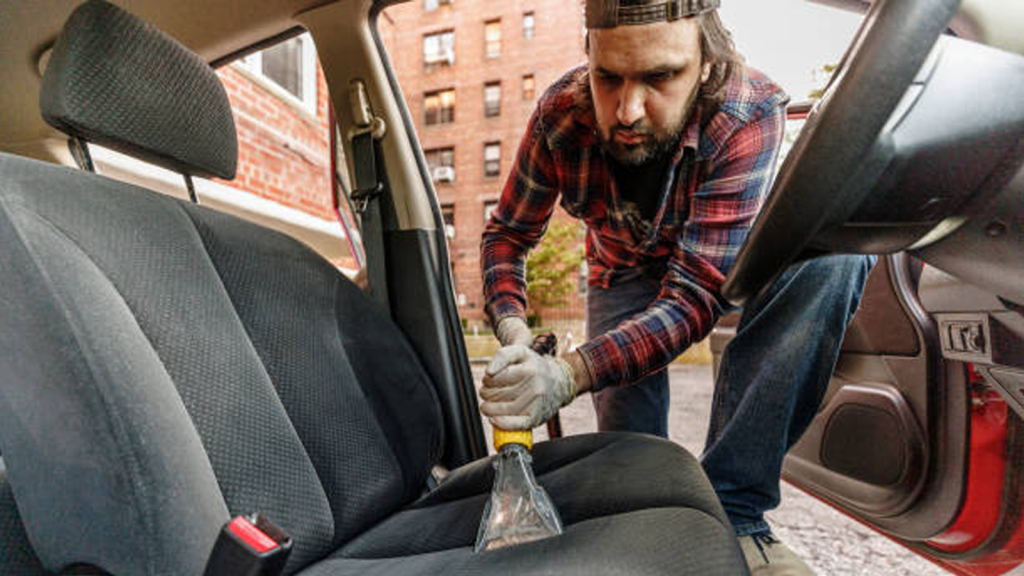
Your seat belts protect you every time you drive, so keeping them clean is more important than you might think. But how do you clean seat belts without damaging them or affecting their safety?
If you’ve ever wondered how to remove stubborn stains or get rid of that musty smell, you’re in the right place. You’ll discover simple, effective steps to make your seat belts look and feel fresh again. Keep reading, and you’ll learn exactly what to do to keep your car’s safety gear spotless and safe.
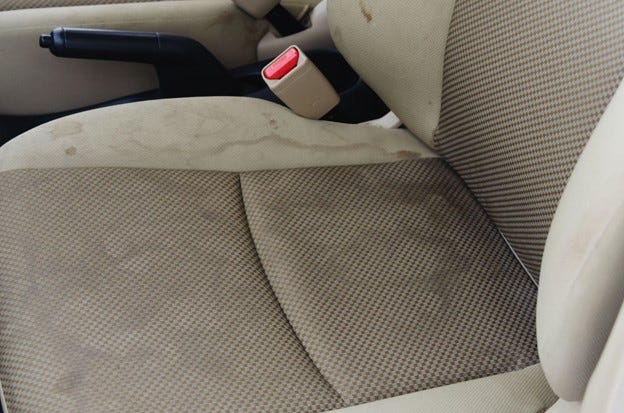
Credit: www.vanisharabia.com
Tools And Materials Needed
Cleaning seat belts keeps them safe and looking good. You need the right tools and materials. This guide helps you prepare everything.
Using proper supplies makes cleaning easier and better. It also protects your car’s interior and the seat belts.
Cleaning Solutions
Choose cleaning solutions that remove dirt without damaging the seat belt fabric. Mild cleaners work best.
Avoid harsh chemicals that can weaken the belt material or leave stains. A gentle soap or fabric cleaner is ideal.
- Mild liquid soap
- Fabric or upholstery cleaner
- Warm water
- White vinegar diluted in water (optional)
Brushes And Cloths
Use soft brushes to scrub the seat belt gently. Hard brushes may damage the fabric fibers.
Microfiber cloths or clean rags help wipe away dirt and cleaning solution. They also dry the belt without leaving lint.
- Soft-bristled brush
- Microfiber cloths
- Clean, lint-free rags
- Spray bottle (optional for applying solution)
Protective Gear
Wear protective gear to keep your hands safe from cleaning chemicals. Gloves also stop dirt from spreading.
Use goggles if you work with sprays that could splash. Protect your eyes from irritation or injury.
- Rubber or latex gloves
- Protective eyewear or goggles
- Old clothes or apron to avoid stains
Preparing The Seat Belts
Cleaning seat belts starts with good preparation. This helps keep them safe and working well.
Before cleaning, check the belts carefully. Make sure they are ready for the cleaning process.
Inspecting For Damage
Look closely at the seat belts for any damage. Check for tears, frays, or stains that might need special care.
Damaged belts can be unsafe. If you find cuts or worn spots, do not clean them. Instead, get them fixed or replaced.
- Look for loose threads or frayed edges
- Check for cuts or holes on the belt webbing
- Ensure the stitching is strong and intact
- Inspect the buckle and latch for any cracks or damage
Extending The Belts Fully
Pull the seat belts out completely before cleaning. This lets you clean the whole belt, not just the visible part.
Extending the belts also helps spot hidden dirt and stains. It makes the cleaning more effective and thorough.
- Slowly pull the belt all the way out from the retractor
- Hold the belt steady to avoid twisting
- Check for any dirt or stains along the full length
- Clean small sections one at a time
Removing Surface Dirt
Cleaning seat belts starts with removing surface dirt. Dirt and dust can build up over time. This makes the seat belts look old and dirty.
Removing loose dirt first makes deeper cleaning easier. Use simple tools you have at home. This helps keep your seat belts fresh and safe.
Brushing Off Loose Debris
Use a soft brush to remove loose dirt from the seat belt surface. Brush gently to avoid damaging the fabric. A clean brush works best for this task.
Brush along the length of the seat belt. This helps lift dust and debris without pushing it deeper. You can do this before vacuuming for better results.
- Choose a soft-bristle brush
- Brush gently along the belt
- Focus on visible dirt spots
- Brush both sides of the belt
Vacuuming The Seat Belts
Use a vacuum cleaner with a brush attachment to clean seat belts. This removes dust trapped in the fabric. Vacuum slowly to pick up all loose dirt.
Make sure the vacuum is not too strong. A strong vacuum can pull on the belt fabric. Move the vacuum head gently along the belt to avoid damage.
- Attach a soft brush to the vacuum
- Vacuum both sides of the seat belt
- Use slow, steady movements
- Check for any remaining dirt spots

Credit: www.reddit.com
Applying Cleaning Solutions
Cleaning your car’s seat belts helps keep them safe and looking good. Using the right cleaning solutions is key.
Apply cleaning solutions carefully to avoid damage. Learn how to pick and test cleaners first.
Choosing The Right Cleaner
Pick a cleaner that removes dirt but does not harm the seat belt fabric. Mild soap or upholstery cleaner works well.
Avoid bleach or strong chemicals. These can weaken the belt and cause discoloration.
- Mild dish soap diluted with water
- Upholstery or fabric cleaner
- Non-abrasive, gentle cleaners only
Spot Testing
Test the cleaner on a small, hidden part of the seat belt first. This checks for color loss or damage.
Apply a small amount and wait 5 minutes. If the fabric looks the same, it is safe to use.
- Choose a hidden spot on the seat belt
- Apply a small drop of cleaner
- Wait 5 minutes and check for changes
- Do not use if color fades or fabric weakens
Scrubbing Techniques
Cleaning seat belts keeps your car safe and neat. Dirt and stains can build up over time.
Using the right scrubbing methods helps clean seat belts without damage. Gentle care is important.
Gentle Hand Scrubbing
Use a soft brush or cloth to scrub seat belts by hand. This removes surface dirt safely.
Dab a mild soap solution on the belt. Rub gently in small circles to avoid fraying.
- Mix warm water and mild soap
- Dip soft cloth or brush in solution
- Scrub seat belt softly in circular motions
- Wipe with clean damp cloth
- Let seat belt air dry completely
Dealing With Tough Stains
For strong stains, use a stronger cleaner but still gentle on fabric. Avoid bleach or harsh chemicals.
Apply cleaner to the stain and let it sit for a few minutes. Then scrub lightly to lift the mark.
- Use a fabric-safe stain remover
- Apply directly on the stain
- Wait 5-10 minutes before scrubbing
- Use a soft brush for scrubbing
- Rinse with clean water and dry well
Rinsing And Drying
Cleaning your car seat belts properly helps keep them safe and looking good. Rinsing and drying are important steps in this process.
After cleaning, make sure to rinse the seat belts well and dry them carefully to avoid damage and mildew.
Removing Residue
After scrubbing the seat belts, rinse them with clean water to remove soap and dirt. Use a damp cloth or sponge to wipe off excess residue gently.
- Use lukewarm water to rinse the belts thoroughly.
- Do not soak the seat belts for too long.
- Wipe off any soap left on the fabric.
- Check for any remaining stains and repeat if needed.
Air Drying Tips
Let seat belts dry naturally to keep their strength. Avoid using direct heat or sunlight that can cause damage.
| Drying Method | Details |
| Shade Drying | Dry seat belts in a shaded, well-ventilated area. |
| Flat Surface | Lay belts flat to avoid creases or stretching. |
| Do Not Use Dryer | Avoid machine drying to protect fabric and webbing. |
| Check Dryness | Ensure belts are fully dry before using the car. |
Maintaining Clean Seat Belts
Keeping car seat belts clean is important for safety and appearance. Dirty seat belts can hold dust, stains, and bacteria.
Regular cleaning helps maintain their strength and keeps your car interior fresh.
Regular Cleaning Schedule
Clean your seat belts every few months to avoid dirt build-up. Frequent cleaning stops stains from setting in.
Use mild soap and warm water with a soft cloth. Avoid harsh chemicals that can weaken the belt fabric.
- Check belts for stains and dirt monthly
- Wipe with a damp cloth regularly
- Deep clean every 3 to 6 months
- Let belts dry fully before use
Preventing Future Stains
Prevent stains by keeping food and drinks away from seat belts. Clean spills immediately if they happen.
Try to avoid sitting with dirty or oily clothes. This reduces grime and keeps belts looking new.
- Eat and drink outside the car
- Clean spills quickly with mild soap
- Avoid greasy or oily clothing
- Store the car in a clean area

Credit: www.reddit.com
Frequently Asked Questions
How Often Should Car Seat Belts Be Cleaned?
Car seat belts should be cleaned every three to six months. Regular cleaning helps maintain their appearance and functionality. If spills or stains occur, clean the belts immediately to prevent permanent damage. Routine cleaning ensures seat belts remain safe and hygienic for passengers.
What Is The Safest Way To Clean Seat Belts?
To clean seat belts safely, use mild soap and warm water. Avoid harsh chemicals that can weaken the fabric. Gently scrub with a soft brush and rinse thoroughly. Allow the seat belts to air dry completely before using the vehicle to ensure they remain effective.
Can I Use A Steam Cleaner On Seat Belts?
Using a steam cleaner on seat belts is not recommended. High heat and moisture can damage the fabric and weaken the fibers. Instead, opt for mild soap and warm water for cleaning. This method ensures the integrity and safety of the seat belts are maintained.
Are There Specific Products For Cleaning Seat Belts?
Yes, there are products specifically designed for cleaning seat belts. These products are formulated to be gentle yet effective. They safely remove dirt and stains without damaging the fabric. Always follow the manufacturer’s instructions when using these products for the best results.
Conclusion
Cleaning seat belts keeps your car safe and fresh. Use gentle soap and warm water for best results. Avoid harsh chemicals that can damage the fabric. Regular cleaning stops dirt and stains from building up. Remember to let the seat belts dry fully before use.
Simple care helps your seat belts last longer. A clean belt also feels better and works well. Keep your car neat with easy seat belt cleaning. Small steps make a big difference in safety and comfort.