Your sleeping bag is your trusted companion on every outdoor adventure. But over time, dirt, sweat, and odors can build up, making your sleeping bag less fresh and cozy.
If you want to keep it clean, comfortable, and long-lasting, you need the right cleaning methods. In this guide, you’ll discover simple, effective steps to clean your sleeping bag without damaging it. Keep reading to learn how to refresh your gear and enjoy a better night’s sleep on your next trip.

Credit: alpkit.com
Choosing The Right Cleaning Method
Cleaning your sleeping bag keeps it fresh and extends its life. Choosing the right cleaning method depends on the bag’s material and dirt level.
Some sleeping bags handle machine washing well, while others need gentle hand washing or spot cleaning. Learn how to pick the best method for your bag.
Machine Wash Vs Hand Wash
Machine washing is quick and easy for many synthetic sleeping bags. Use a front-loading washer on a gentle cycle with cold water and mild detergent.
- Check the care label for washing instructions.
- Use a large capacity washer to avoid compressing the bag.
- Rinse twice to remove all detergent.
- Tumble dry on low heat with clean tennis balls to restore loft.
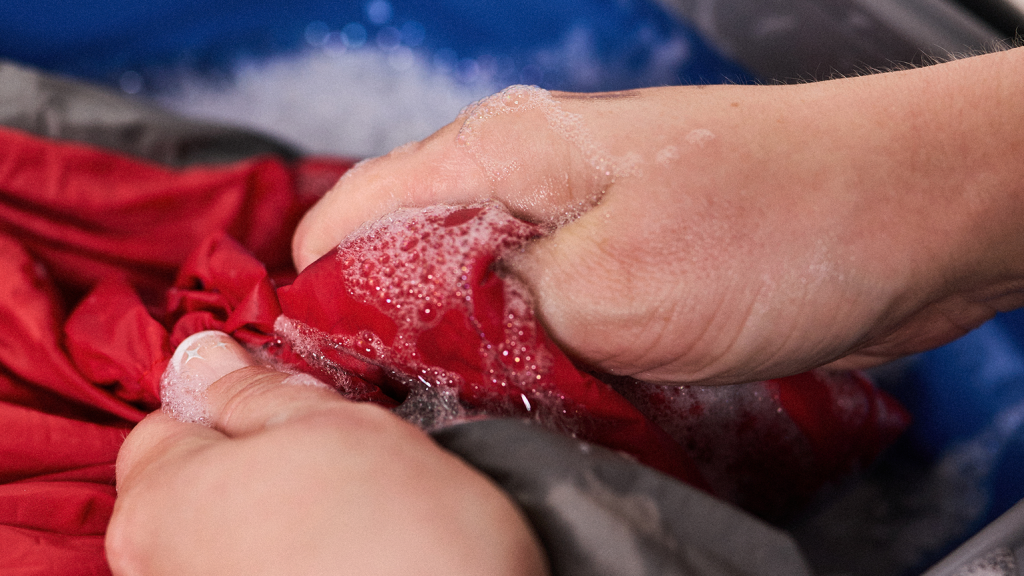
Hand washing is best for delicate down bags or older sleeping bags. Fill a bathtub with cold water and mild soap, then gently squeeze the bag without wringing.
Spot Cleaning Tips
Spot cleaning saves time and protects your sleeping bag from full wash damage. Use this method for small stains or dirt patches.
| Spot Cleaning Steps | Details |
|---|---|
| Use mild soap | Dilute soap in water to avoid damage. |
| Apply gently | Use a soft cloth or sponge to clean the spot. |
| Rinse carefully | Remove soap with a damp cloth. |
| Air dry | Let the spot dry completely before storing. |
Credit: gearjunkie.com
Preparing Your Sleeping Bag
Cleaning your sleeping bag starts with good preparation. Taking time to prepare helps keep your bag in great shape.
Follow these steps to get your sleeping bag ready for washing or storage.
Emptying All Pockets
Remove everything from all pockets before cleaning. Small items can damage the bag or washing machine.
- Check all zippered and Velcro pockets.
- Take out small objects like coins, keys, and trash.
- Turn pockets inside out to find hidden items.
- Shake out dirt and debris from pockets.
Checking For Damage
Look closely for tears, holes, or broken zippers. Fixing damage early helps keep your bag safe and warm.
| Type of Damage | How to Check | Repair Tip |
|---|---|---|
| Tears or Holes | Spread out the bag and inspect all fabric areas. | Use fabric patches or sew small holes. |
| Broken Zippers | Open and close zippers slowly to test. | Replace zipper or use zipper repair kits. |
| Loose Stitching | Check seams for loose threads or gaps. | Sew loose seams with strong thread. |
Washing Your Sleeping Bag
Keeping your sleeping bag clean ensures it lasts longer and stays comfortable. Washing it properly is essential for maintaining its insulation and fabric quality.
Learn the best ways to wash your sleeping bag without damaging it. Follow these simple steps to keep it fresh and ready for your next adventure.
Selecting The Best Detergent
Choosing the right detergent is key to keeping your sleeping bag in top condition. Harsh detergents can ruin the fabric and reduce its warmth.
- Pick a mild, non-detergent soap for delicate fabrics.
- Avoid bleach and fabric softeners to prevent damage.
- Use a product specifically designed for down or synthetic insulation.
Setting The Washer Correctly
Using the right washer settings will help clean your sleeping bag without causing harm. Follow these guidelines to ensure a safe wash.
| Washer Setting | Recommendation |
| Water Temperature | Cold |
| Cycle Type | Gentle or delicate |
| Spin Speed | Low |
| Load Size | Large to allow space |
Drying Techniques
Drying sleeping bags properly keeps them fresh and ready for use. It helps keep the insulation fluffy and effective. Using the right drying methods prevents damage and extends the bag’s life.
There are two main ways to dry your sleeping bag: air drying and using a dryer. Each method needs care to avoid harming the fabric or fill.
Air Drying Best Practices
Air drying is gentle and safe for most sleeping bags. It avoids heat damage and keeps the bag’s shape intact. Follow these tips for the best results.
- Choose a shaded, well-ventilated area to dry your sleeping bag.
- Lay the bag flat or hang it loosely to avoid creases.
- Turn the bag occasionally to dry all sides evenly.
- Make sure the bag is fully dry before storing to prevent mold.
- Do not expose the bag to direct sunlight for long periods.
Using A Dryer Safely
Dryers can speed up drying but must be used with care. Too much heat can damage the insulation or outer fabric. Use these guidelines to protect your sleeping bag.
| Dryer Setting | Tips |
| Low Heat | Use low heat or air fluff to avoid melting or shrinking. |
| Tennis Balls | Add clean tennis balls to help keep insulation fluffy. |
| Check Often | Stop and check the bag every 20-30 minutes for dryness. |
| Remove Promptly | Take the bag out immediately to prevent wrinkles. |
| Dry Completely | Ensure the bag is fully dry before storage to avoid mildew. |
Maintaining Freshness Between Washes
Sleeping bags can get dirty and smelly after camping. Washing them too often can damage the material. Keeping them fresh between washes helps them last longer.
Simple care steps keep your sleeping bag clean and ready for use. This guide shares easy ways to store and refresh your bag.
Proper Storage Tips
Store your sleeping bag in a dry, cool place to avoid bad smells. Do not keep it compressed for a long time. Use a large storage sack or hang it up.
- Use a breathable storage sack, not a tight stuff sack
- Keep the bag away from direct sunlight
- Hang it in a closet or lay it flat on a shelf
- Ensure the bag is completely dry before storing
Quick Refresh Methods
Freshen your sleeping bag quickly by airing it out after use. This removes moisture and odors. Spot clean small stains to avoid full washing.
- Hang your sleeping bag outside in shade for a few hours
- Use a damp cloth to wipe dirty spots
- Spray a light mist of water mixed with baking soda to reduce smells
- Use a fabric freshener made for outdoor gear if needed

Credit: www.halfwayanywhere.com
Frequently Asked Questions
How Often Should I Clean My Sleeping Bag?
Clean your sleeping bag after every 3-4 uses or if it smells or gets visibly dirty. Frequent cleaning protects its insulation and fabric.
Can I Machine Wash A Sleeping Bag Safely?
Yes, use a front-loading washing machine on a gentle cycle with mild detergent. Avoid top loaders with agitators to prevent damage.
What Is The Best Detergent For Sleeping Bags?
Use a mild, non-detergent soap or a cleaner designed for outdoor gear. Avoid bleach and fabric softeners as they harm insulation.
How Do I Dry My Sleeping Bag Properly?
Air dry or use a dryer on low heat with tennis balls to fluff insulation. Avoid high heat which can damage fabric and fill.
Conclusion
Cleaning sleeping bags keeps them fresh and lasts longer. Always follow care labels and use gentle soap. Dry your bag fully to avoid mold and smells. Store it loosely in a cool, dry place. Regular cleaning makes camping more comfortable and safe.
Take time to care for your sleeping bag well. It’s worth the effort for many happy trips ahead.