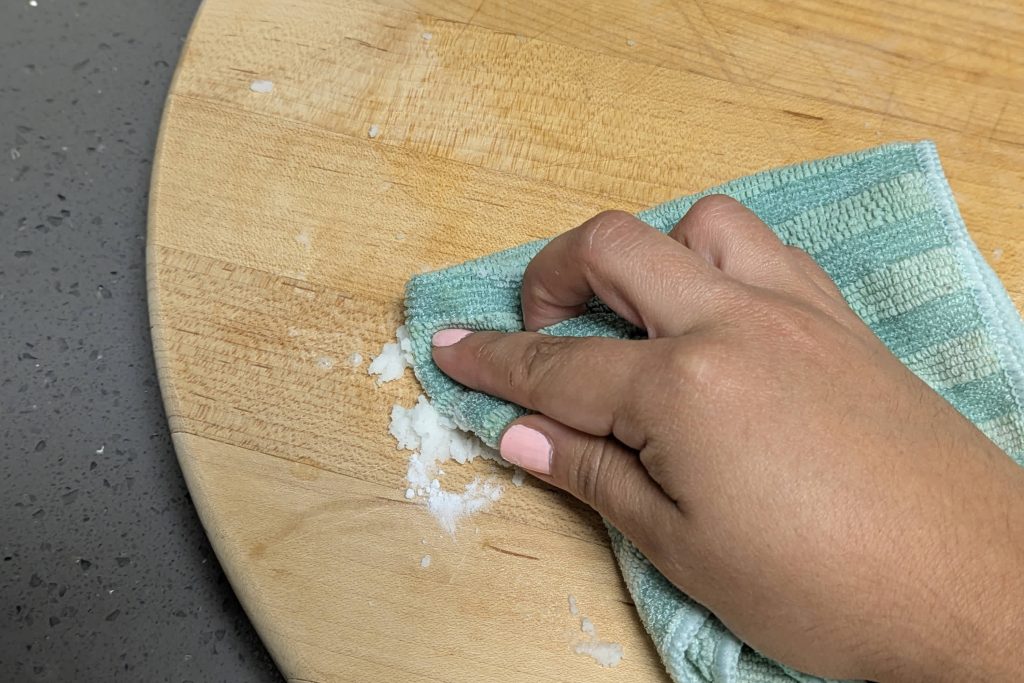
Your cutting board is one of the busiest tools in your kitchen, but over time, stains can make it look old and worn. You might think those marks are impossible to remove, but that’s not true.
Imagine bringing back your cutting board’s fresh, clean look with just a few simple steps. You’ll discover easy and effective ways to clean stained cutting boards, saving you money and keeping your kitchen hygienic. Ready to make your cutting board look like new again?
Let’s dive in!
Types Of Cutting Board Materials
Cutting boards come in different materials. Each type needs special care to keep it clean and safe.
Knowing the material helps you choose the best way to clean stained cutting boards.
Wood
Wood cutting boards are popular and gentle on knives. They can absorb stains and odors if not cleaned well.
- Wash with warm soapy water right after use.
- Use a paste of baking soda and water for stains.
- Rinse and dry immediately to avoid warping.
- Oil regularly to keep the wood from drying out.
Plastic
Plastic boards are lightweight and easy to clean. They can get deep cuts that trap bacteria.
- Scrub with hot, soapy water after each use.
- Use a bleach solution to disinfect if stained.
- Replace when deep grooves become hard to clean.
Bamboo
Bamboo boards are eco-friendly and hard. They resist stains but need careful cleaning.
| Cleaning Tip | Reason |
|---|---|
| Wipe with a damp cloth | Prevents bamboo from cracking |
| Use mild soap | Protects natural fibers |
| Dry immediately | Avoids mold growth |
Glass
Glass boards are easy to clean and stain resistant. They can dull knives and break if dropped.
- Wash with warm soapy water or in the dishwasher.
- Use a scrubber to remove stuck food and stains.
- Handle with care to avoid cracks or chips.

Credit: homewithgraceandjoy.com
Common Stains And Causes
Cutting boards get stained and marked from daily use. Knowing the causes helps clean them better.
Different stains need different cleaning methods. Let’s explore common stains and their causes.
Food Stains
Food stains come from fruits, vegetables, and spices. Items like beets, turmeric, and berries leave strong colors.
- Beets cause deep red stains.
- Turmeric leaves yellow marks.
- Tomatoes and berries create red or purple spots.
- Spices can leave oily or colored residue.
Knife Marks
Knife cuts make grooves on the board surface. These marks trap dirt and bacteria.
| Cause | Effect on Board |
| Sharp knives | Deep cuts and grooves |
| Dull knives | Rough surface scratches |
| Frequent chopping | More knife marks over time |
Water Spots
Water spots form when water dries on the board. Hard water leaves mineral deposits behind.
These spots look like white or cloudy marks. They can make the board look old and worn.
Mold And Mildew
Mold and mildew appear on boards stored wet or in damp places. They are usually black, green, or white spots.
Keep boards dry to prevent mold growth. Clean mold with vinegar or baking soda solutions.
Essential Cleaning Tools
Cleaning stained cutting boards needs the right tools. These tools help remove stains and keep boards safe.
Using proper cleaners and brushes makes cleaning easier. Cloths and gloves protect you during the process.
Natural Cleaners
Natural cleaners work well for cutting boards. They remove stains without harsh chemicals.
Common natural cleaners include lemon juice, baking soda, and white vinegar. These ingredients break down stains and kill germs.
- Lemon juice brightens and disinfects
- Baking soda scrubs and deodorizes
- White vinegar cleans and removes odors
Scrubbing Brushes
Scrubbing brushes help remove stuck-on stains. Use brushes with firm bristles for good results.
Choose brushes with handles to keep hands clean and dry. Avoid soft sponges that do not scrub well.
- Firm bristles remove tough stains
- Handle keeps your hands safe
- Easy to rinse and reuse
Cleaning Cloths
Cleaning cloths wipe away dirt and cleaner. Use soft, absorbent cloths for best results.
Microfiber cloths are good for drying and polishing. Change cloths often to avoid spreading germs.
- Soft texture protects the board
- Absorbs water and cleaner
- Reusable and easy to wash
Protective Gloves
Protective gloves keep your hands safe from cleaners. They also stop your skin from drying out.
Use rubber or latex gloves. They create a barrier between your skin and cleaning products.
- Prevents skin irritation
- Keeps hands dry during cleaning
- Reusable or disposable options
Basic Cleaning Techniques
Keeping your cutting board clean prevents stains and bacteria buildup. Use simple methods every day to maintain it. These techniques help your board stay fresh and safe for food preparation.
Below are easy ways to clean a stained cutting board using common household items. Each method targets grime and discoloration effectively.
Daily Wipe Down
After each use, wipe your cutting board to remove food particles. This quick step helps stop stains from setting in.
- Use a clean cloth or paper towel
- Wipe the surface with warm water
- Dry with a fresh towel to avoid moisture
- Repeat if needed to remove stuck bits
Warm Water And Soap
For deeper cleaning, wash your cutting board with warm water and soap. This removes oils and stains left by food.
| Cleaning Step | Details |
| Rinse | Use warm water to rinse off loose debris |
| Soap | Apply mild dish soap to a sponge or cloth |
| Scrub | Clean the board surface gently but thoroughly |
| Rinse again | Wash off all soap to avoid residue |
| Dry | Pat dry with a clean towel or air dry upright |
Using Vinegar
Vinegar works as a natural cleaner and deodorizer. It helps break down stains and kills some bacteria.
To use vinegar:
- Pour white vinegar over the stained areas
- Let it sit for about 5 minutes
- Scrub gently with a soft brush or sponge
- Rinse with warm water
- Dry completely before storing
Deep Cleaning Methods
Cutting boards can get stained after regular use. Deep cleaning helps remove tough stains and keeps the board safe.
Use natural ingredients found at home to clean your cutting board deeply. These methods are simple and effective.
Baking Soda Paste
Baking soda is a gentle abrasive that lifts stains from cutting boards. It also neutralizes odors.
Make a paste by mixing baking soda with water. Spread it on the stained areas and scrub well.
- Mix 3 tablespoons of baking soda with 1 tablespoon of water.
- Apply paste on stains and scrub with a brush or sponge.
- Let it sit for 10 minutes before rinsing with warm water.
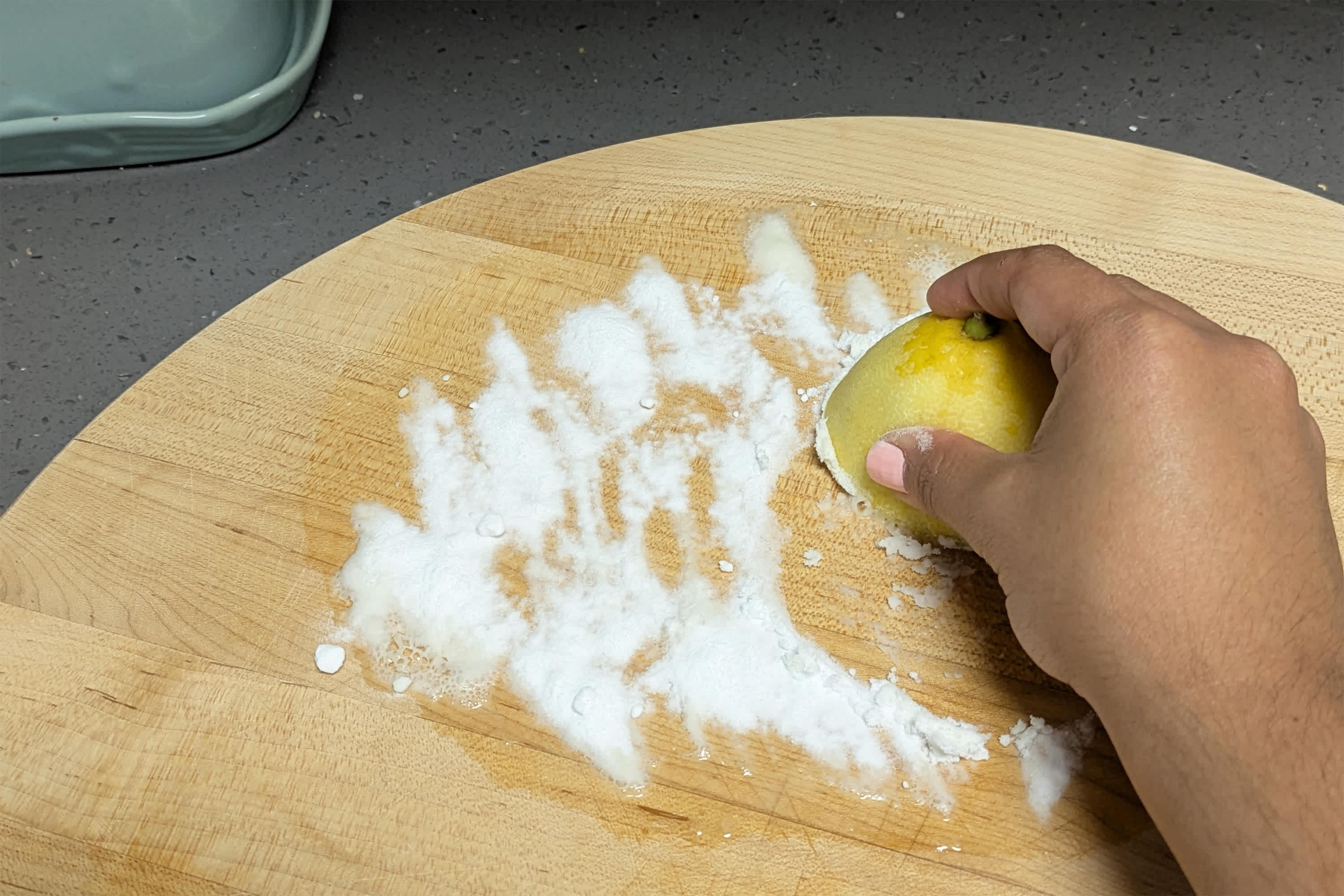
Lemon And Salt Scrub
Lemon has natural bleaching properties. Salt acts as a scrub to remove dirt and stains.
Cut a lemon in half and dip it in salt. Use it to scrub the board’s surface to clean stains deeply.
- Sprinkle coarse salt over the stained area.
- Rub the lemon half on salt and scrub the board.
- Let it sit for 5 minutes, then rinse with warm water.
Hydrogen Peroxide Rinse
Hydrogen peroxide cleans and disinfects cutting boards. It breaks down stains and kills bacteria.
Pour 3% hydrogen peroxide over the board. Let it sit for a few minutes, then rinse thoroughly with water.
- Use 3% hydrogen peroxide for safety.
- Apply enough to cover stained areas.
- Wait 5 minutes before rinsing well.
Credit: www.thekitchn.com
Stain Removal Tricks
Cutting boards can get stained from fruits, vegetables, and meats. Cleaning stains helps keep your board safe and looking good.
Try these simple tricks to remove stains from your cutting board using common household items.
Bleach Solution For Tough Stains
Bleach can remove deep stains and kill germs on plastic and wood boards. Use it carefully to avoid damage.
- Mix one tablespoon of bleach with one gallon of water.
- Soak the cutting board in the solution for two minutes.
- Rinse the board well with clean water.
- Let it air dry completely before use.
Baking Soda And Vinegar Reaction
Baking soda and vinegar create a fizz that lifts stains and cleans the surface gently.
Follow this method:
- Sprinkle baking soda over the stained area.
- Pour white vinegar slowly on the baking soda.
- Wait for the fizz to stop, about 5 minutes.
- Scrub the board with a sponge or brush.
- Rinse with warm water and dry well.
Oil Treatment For Wood Boards
Wood boards can dry out and stain easily. Treating them with oil keeps them healthy and less prone to stains.
| Type of Oil | Best Use | Notes |
| Mineral Oil | Food-safe and easy to apply | Use regularly for maintenance |
| Beeswax Oil Blend | Protects and seals wood | Apply after mineral oil for shine |
| Coconut Oil (Refined) | Natural and mild scent | Use sparingly to avoid stickiness |
Preventing Future Stains
Cleaning your cutting board well stops stains from setting. Preventing stains keeps it looking new longer.
Taking simple steps after use protects your board. This helps avoid tough marks and discoloration.
Proper Drying
Dry your cutting board fully after washing. Water left on the surface can cause stains and damage.
Stand the board upright or use a drying rack. This allows air to reach all sides and speeds drying.
- Wipe off excess water with a clean towel
- Place the board in a vertical position
- Keep it in a well-ventilated area
Regular Maintenance
Clean your cutting board after every use. This prevents food stains and bacteria build-up.
Use mild soap and warm water for washing. Avoid harsh chemicals that can harm the board’s surface.
- Scrub with a soft brush or sponge
- Rinse well to remove all soap
- Dry immediately to stop moisture damage
Using Cutting Board Oils
Apply food-safe oil to your board regularly. Oil helps seal the wood and stops stains from soaking in.
Rub oil evenly on all sides and let it soak. This keeps the board smooth and easier to clean.
- Choose mineral oil or cutting board oil
- Apply oil once a month or after deep cleaning
- Wipe off extra oil with a clean cloth
When To Replace Your Cutting Board
Cutting boards are essential in every kitchen. They protect your counters and keep your knives sharp. Over time, boards wear out and need replacement to stay safe and clean.
Knowing when to replace your cutting board helps avoid bacteria buildup and food contamination. Watch for signs that show your board is past its best use.
Signs Of Wear And Tear
Look closely at your cutting board for cracks, warping, or rough surfaces. These signs show the board is aging and may no longer be safe to use.
- Cracks that trap food particles
- Warped or bent shape
- Surface that feels rough or splintered
- Discoloration that does not wash off
Persistent Odors
Some cutting boards keep smells even after cleaning. Strong odors mean bacteria may still live in the board. If the smell won’t go away, it is time to replace the board.
Deep Cuts And Grooves
Deep cuts and grooves on the surface collect germs and make cleaning hard. These cuts can hide bacteria and cause food safety problems.
| Problem | Reason to Replace |
| Deep Cuts | Trap bacteria and cause contamination |
| Grooves | Hard to clean properly |
| Surface Damage | Knife slips and safety risks |
Credit: www.lemonslavenderandlaundry.com
Frequently Asked Questions
How Do I Remove Stains From A Wooden Cutting Board?
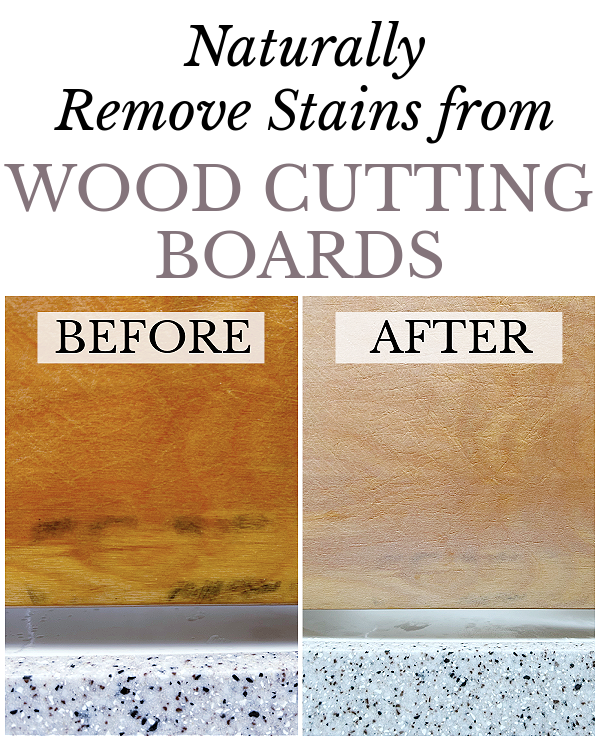
Use coarse salt and lemon to scrub the stained areas. Rinse with warm water and dry thoroughly. This natural method lifts stains and deodorizes the board effectively.
Can Bleach Safely Clean Stained Plastic Cutting Boards?
Yes, dilute bleach solution (1 tablespoon bleach per gallon water) disinfects and removes stains. Soak for a few minutes, then rinse well and air dry.
What Household Items Remove Cutting Board Odors And Stains?
Baking soda, lemon, and vinegar are great for cleaning. Sprinkle baking soda, scrub with lemon halves, rinse with vinegar, then wash and dry.
How Often Should I Deep Clean My Cutting Board?
Deep clean your cutting board weekly or after cutting raw meat. Regular cleaning prevents stains and bacteria buildup, keeping your board safe and fresh.
Conclusion
Cleaning stained cutting boards is simple with the right steps. Use natural ingredients like lemon and baking soda to remove stains. Regular cleaning keeps your board safe and fresh. Avoid harsh chemicals to protect the wood or plastic. Dry the board well to stop bacteria growth.
Clean cutting boards make cooking safer and more enjoyable. Keep these tips in mind for a spotless kitchen tool. Your cutting board will look better and last longer. Easy care makes a big difference every day.