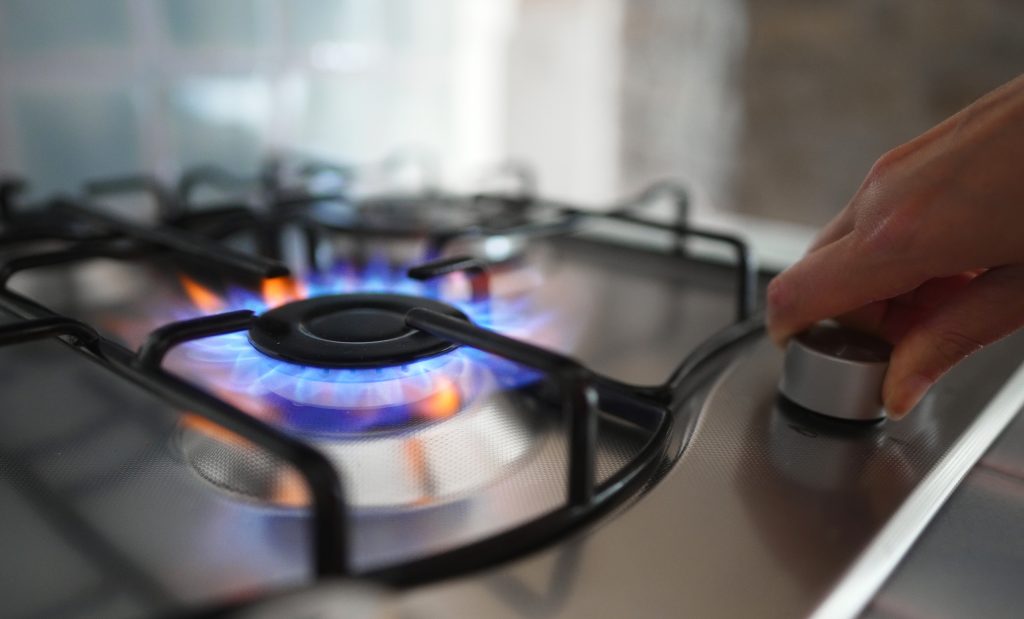
Are you tired of battling stubborn stains and streaks on your stainless cooktop? You’re not alone.
Many people struggle to keep their cooktops looking spotless and shiny. But what if there was a simple, effective way to clean it without the headache? Imagine your kitchen gleaming with that just-like-new sparkle every time you step in. This guide is here to unveil the secrets to achieving that dream effortlessly.
Get ready to discover step-by-step tips that will transform your cleaning routine and leave your stainless cooktop looking flawless. Dive in to find out how you can enjoy a pristine kitchen without the stress!

Credit: www.maytag.com
Choosing The Right Cleaning Tools
Choosing the right cleaning tools makes a huge difference in maintaining your stainless cooktop’s shine and durability. Using the wrong tools can cause scratches or leave stubborn stains behind. Your goal is to pick items that clean effectively without damaging the surface.
Soft Cloths And Sponges
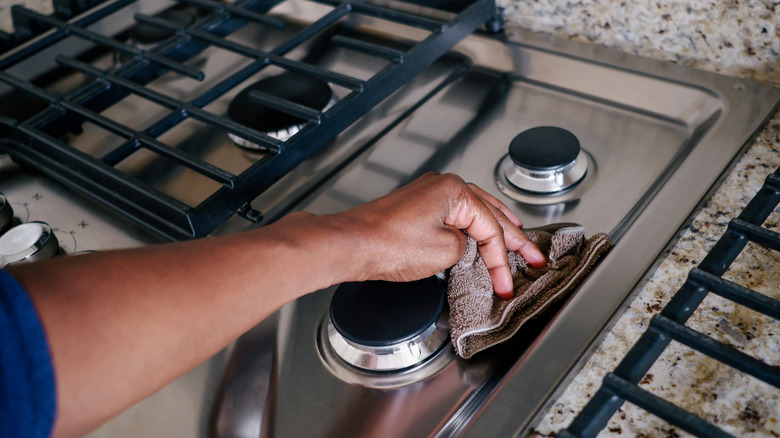
Soft cloths are gentle on stainless steel and prevent scratches. Microfiber cloths work exceptionally well because they trap dirt and grease without harsh rubbing. Sponges with soft sides can handle light messes, but avoid those with rough or abrasive surfaces.
Think about the last time you scrubbed a cooktop with a rough sponge—did it leave marks? Switching to a soft cloth can save you from that hassle and keep the surface smooth.
Non-abrasive Scrubbers
Non-abrasive scrubbers are perfect for tougher stains that soft cloths can’t tackle. Look for scrubbers labeled safe for stainless steel or those made from nylon mesh. These scrubbers clean grime without scratching the metal’s protective layer.
If you’ve ever tried steel wool on your cooktop, you know it can cause permanent damage. Choosing a non-abrasive option protects your investment and keeps cleaning less stressful.
Suitable Cleaning Agents
The cleaning agent you pick should be tough on grease but kind to stainless steel. Mild dish soap mixed with warm water often does the trick for daily cleaning. For stubborn spots, a paste made from baking soda and water is safe and effective.
Avoid bleach or harsh chemicals—they can discolor or pit the surface. Have you ever noticed a dull patch after using a strong cleaner? That’s a sign to switch to gentler, stainless-friendly products.
Daily Cleaning Routine
Keeping your stainless steel cooktop spotless doesn’t have to be a chore. A daily cleaning routine can save you from stubborn stains and buildup that are harder to remove later. Simple habits each day keep your cooktop shiny and extend its lifespan.
Wiping Spills Immediately
Don’t let spills sit on your cooktop. Wiping them up right away prevents stains and sticky residues. Even small splashes of oil or sauces can cause discoloration if left too long.
Keep a soft cloth or paper towel handy while cooking. When you see a spill, grab the cloth and gently wipe it away before it dries. This quick action often makes a huge difference in maintaining a clean surface.
Using Mild Detergents
Harsh chemicals can damage stainless steel surfaces. Instead, choose mild dish soap mixed with warm water for daily cleaning. This gentle solution removes grease and dirt without scratching your cooktop.
Apply the soapy water with a soft sponge or cloth, wiping in the direction of the metal grain. Avoid abrasive scrubbers that can leave marks. After rinsing, your cooktop will look fresh and well cared for.
Drying To Prevent Water Spots
Water spots can dull the finish of your stainless steel cooktop. Always dry the surface thoroughly after cleaning. Use a microfiber cloth to gently buff away moisture.
Have you noticed those annoying white spots after cleaning? They are caused by minerals in tap water. Drying immediately stops these spots from forming and keeps your cooktop gleaming.
Removing Tough Stains
Tough stains on stainless cooktops can spoil the look of your kitchen. These stains often come from burnt food, grease, or mineral deposits. Removing them needs gentle yet effective cleaning methods to avoid scratching the surface. The following techniques help clear stubborn marks without harming your cooktop.
Baking Soda Paste Method
Baking soda is a natural cleaner that works well on tough stains. Make a paste by mixing baking soda with a small amount of water. Apply the paste on the stained areas and let it sit for 10 to 15 minutes.
Use a soft cloth or sponge to gently scrub the stains in a circular motion. Rinse with clean water and dry with a microfiber cloth. This method lifts grime without harsh chemicals or damage.
Vinegar Spray Technique
White vinegar cuts through grease and mineral buildup easily. Pour vinegar into a spray bottle and spray it directly on the stains. Let it sit for 5 to 10 minutes to break down residue.
Wipe with a soft cloth or sponge, applying light pressure. Rinse the area with water and dry thoroughly. Vinegar leaves the surface shiny and fresh without streaks.
Commercial Stainless Steel Cleaners
Special cleaners designed for stainless steel can remove tough stains quickly. Choose a non-abrasive product safe for cooktops. Follow the instructions on the label carefully for best results.
Apply the cleaner with a soft cloth, rub gently, and wipe off any excess. These cleaners often add a protective layer to keep your cooktop cleaner longer.
Dealing With Burnt Residue
Burnt residue on a stainless steel cooktop can be stubborn and unsightly. It often forms after spills burn onto the surface during cooking. Removing these marks requires care to avoid scratching or damaging the finish. Using simple techniques helps restore the cooktop’s shine without harsh chemicals.
Soaking With Warm Soapy Water
Fill a basin with warm water and mild dish soap. Soak a soft cloth or sponge in the solution. Place it over the burnt area and let it sit for 15 to 20 minutes. The warmth and soap loosen the burnt food particles. After soaking, gently wipe the residue away. Repeat if needed to remove all burnt spots.
Scraping Gently With Plastic Tools
Use a plastic scraper or spatula designed for cooktops. Avoid metal tools that can scratch the surface. Hold the scraper at a low angle to the cooktop. Gently push or lift the burnt residue without applying too much force. Work slowly to prevent damage. Clear off loosened bits with a damp cloth afterward.
Using Steam For Softening
Boil water in a pot to create steam. Hold the pot close to the burnt area but do not touch the cooktop. Let the steam soften the residue for about 5 minutes. Use a soft cloth or sponge to wipe away the softened burnt spots. Repeat steaming if the residue remains tough. Steam helps avoid scraping hard and damaging the surface.
Polishing For Extra Shine
Polishing your stainless steel cooktop can bring out a brilliant shine that makes your kitchen look fresh and inviting. It’s not just about cleaning; it’s about restoring that smooth, reflective surface that catches the eye. A polished cooktop also helps resist fingerprints and smudges, keeping it looking cleaner for longer.
Applying Olive Oil Or Mineral Oil
Using a small amount of olive oil or mineral oil can enhance the shine of your stainless cooktop effectively. Apply a few drops onto a soft cloth and spread it evenly over the surface in the direction of the grain. This technique not only adds shine but also helps fill microscopic scratches, making them less visible.
Have you noticed how a tiny bit of oil can transform a dull surface into something glowing? It’s a simple, natural solution that costs very little and avoids harsh chemicals.
Buffing With Microfiber Cloth
After applying oil, take a clean microfiber cloth and buff the surface gently. Microfiber is perfect because it picks up residue without scratching. Use circular motions to bring out the shine and polish every corner thoroughly.
Buffing doesn’t require elbow grease; a light touch often does the trick. You’ll be surprised how quickly your cooktop can look brand new with just a few minutes of this step.
Avoiding Harsh Chemicals
Many commercial cleaners contain harsh chemicals that can dull the finish or even damage your cooktop over time. Steer clear of bleach, ammonia, or abrasive powders. They may clean quickly but can leave your stainless steel vulnerable to stains and corrosion.
Instead, rely on natural oils and gentle cleaning methods. Your cooktop deserves care that maintains its beauty, not shortcuts that cause harm.
Credit: www.housedigest.com
Preventive Tips For Maintenance
Preventing damage to your stainless steel cooktop keeps it looking new longer. Simple daily habits protect the surface from stains and scratches. Small efforts save time and money on deep cleaning or repairs. Follow these tips to maintain a spotless cooktop easily.
Avoiding Abrasive Materials
Use soft cloths or sponges for cleaning your cooktop. Avoid steel wool, rough scrubbers, and harsh brushes. Abrasive materials scratch and dull the stainless steel surface. Choose gentle cleaning tools to maintain its shine and smoothness.
Regular Cleaning Schedule
Clean your cooktop after every use to prevent buildup. Wipe spills and stains quickly before they harden. Use mild detergent and warm water for routine cleaning. Set a weekly deep-cleaning time for a thorough scrub. Consistency keeps the cooktop looking fresh and new.
Protecting Surface From Scratches
Place cookware gently on the cooktop surface. Avoid sliding pots or pans across the stainless steel. Use burner grates or mats to reduce direct contact. Keep sharp objects away from the cooktop area. These actions prevent scratches and preserve the smooth finish.
Credit: www.microfiberwholesale.com
Frequently Asked Questions
How Do I Remove Stains From A Stainless Cooktop?
Use a soft cloth with mild dish soap and warm water. For tough stains, apply a baking soda paste. Gently scrub in the grain direction. Rinse and dry thoroughly to avoid water spots.
What Household Items Clean Stainless Steel Cooktops Safely?
Mild dish soap, baking soda, white vinegar, and microfiber cloths are safe. Avoid abrasive cleaners or steel wool to prevent scratches and damage.
Can I Use Vinegar To Clean Stainless Cooktops?
Yes, vinegar effectively removes grease and fingerprints. Spray diluted white vinegar, wipe with a soft cloth, then rinse with water and dry.
How Often Should I Clean My Stainless Steel Cooktop?
Clean daily after use to prevent buildup. Deep clean weekly to maintain shine and remove stubborn stains for best results.
Conclusion
Cleaning a stainless cooktop is simple with the right steps. Use gentle cleaners and soft cloths to protect the surface. Regular cleaning keeps it shiny and working well. Avoid harsh tools that can cause scratches. Small efforts make a big difference in maintaining your cooktop.
Keep your kitchen fresh and safe by cleaning often. A clean cooktop looks great and lasts longer. Try these tips to enjoy a spotless cooking space every day.