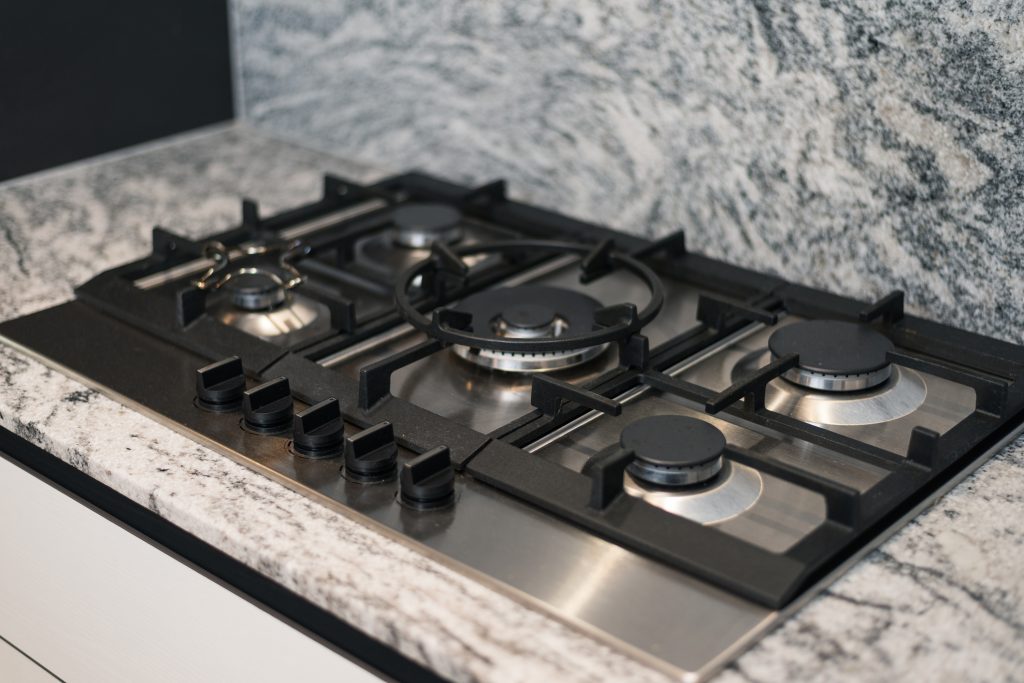
Are you tired of those stubborn stains and smudges on your stainless steel cooktop? You’re not alone.
Keeping your cooktop shiny and spotless can feel like an uphill battle. But there’s good news: you can clean your stainless steel cooktop without leaving a single scratch. Imagine the satisfaction of a gleaming cooktop that looks as good as new every time you step into your kitchen.
You’ll discover simple, effective methods that protect your cooktop’s surface while ensuring it stays pristine. You won’t need expensive cleaners or complicated techniques. Just straightforward tips and tricks that work. Ready to transform your cleaning routine and enjoy a spotless, scratch-free cooktop? Let’s dive in!

Credit: www.reddit.com
Choosing The Right Cleaning Tools
Choosing the right cleaning tools is essential for maintaining the sleek look of your stainless steel cooktop without causing damage. Using improper materials can easily scratch or dull the surface, undoing all your hard work. The key is to select items that are effective yet gentle enough to protect the finish.
Soft Cloths And Sponges
Soft cloths, like microfiber towels, are your best friends when cleaning stainless steel. They pick up grease and grime without scratching the surface. Sponges with soft, non-abrasive sides also work well, especially for light daily cleaning.
Make sure the cloth or sponge is clean before you start. Dirt trapped in the fibers can create tiny scratches. Have you noticed how a rough rag can sometimes leave streaks? That’s why softness matters more than you might think.
Avoiding Abrasive Materials
Steer clear of steel wool, rough scrubbers, or harsh scouring pads. These tools are too abrasive and will leave permanent marks on your cooktop. Even some household scrub brushes can cause damage if the bristles are too stiff.
If you’re tempted to use something heavy-duty for tough stains, pause and think about alternatives. Is it worth risking a scratched surface? Usually, the answer is no.
Recommended Brushes For Stubborn Stains
For tough stains, soft-bristled brushes designed for delicate surfaces are ideal. Look for brushes labeled safe for stainless steel or non-scratch use. They provide enough scrubbing power without the risk of abrasion.
Small nylon brushes can reach into corners and edges where cloths can’t. Have you ever struggled to clean those tight spots on your cooktop? A gentle brush can make a big difference without harm.
Safe Cleaning Solutions
Keeping your stainless steel cooktop spotless without scratching it requires choosing the right cleaning solutions. The market offers many options, but not all are safe for the delicate surface. Understanding which cleaners protect your cooktop while effectively removing grime is key to maintaining its sleek appearance.
Homemade Natural Cleaners
Natural cleaners are gentle and often just as effective as commercial products. A simple mix of white vinegar and water can dissolve grease and leave a streak-free shine. Baking soda, when sprinkled on stubborn spots and gently scrubbed with a soft cloth, lifts residue without damaging the surface.
Have you ever tried lemon juice for a fresh scent and extra cleaning power? It’s a great way to break down grease naturally. These ingredients are usually already in your kitchen, making them a budget-friendly choice.
Commercial Cleaners That Work
Some commercial cleaners are formulated specifically for stainless steel and can save you time. Look for products labeled safe for stainless steel cooktops—these avoid harsh abrasives that cause scratches. Brands like Weiman and Bar Keepers Friend have earned trust for their effective yet gentle formulas.
Always read the instructions carefully to avoid using too much or applying abrasive scrubbing pads. Using a microfiber cloth with these cleaners enhances their safety and effectiveness, reducing the risk of damage.
Avoiding Harsh Chemicals
Harsh chemicals like bleach, ammonia, or oven cleaners can permanently damage your cooktop’s finish. They might remove stains but leave behind dull spots or scratches. Have you noticed how some cleaners leave streaks or a cloudy residue? That’s often a sign of chemical damage.
Stick to mild detergents or natural options to keep your cooktop looking new. Remember, protecting the surface today means less time and money spent on repairs tomorrow.
Step-by-step Cleaning Process
Cleaning your stainless steel cooktop without scratching it requires a careful approach that respects the surface’s delicate finish. The process is simple but demands attention to detail and gentle handling. Here’s how you can keep your cooktop sparkling clean while protecting it from damage.
Preparing The Cooktop
Start by removing any loose debris or crumbs using a soft brush or a microfiber cloth. Avoid using abrasive sponges that might scratch the surface. If there are stubborn food residues, dampen the area slightly to soften them before cleaning.
Make sure your cooktop is cool to the touch; cleaning a hot surface can cause streaks or damage the finish. Also, clear the surrounding area to avoid accidents and give yourself enough room to work comfortably.
Applying Cleaner Gently
Choose a cleaner specifically designed for stainless steel or make a mild solution with dish soap and warm water. Apply the cleaner with a soft cloth or sponge, moving in the direction of the grain on the stainless steel. This technique reduces the risk of scratching and helps maintain the cooktop’s natural luster.
Resist the urge to scrub hard. Instead, let the cleaner sit for a minute on tough spots to loosen grime. If you encounter grease, a few drops of white vinegar can cut through it without harsh rubbing.
Wiping And Drying Properly
Use a clean, dry microfiber cloth to wipe away the cleaner and any loosened dirt. Patience is key here; wiping gently in the grain’s direction prevents streaks and scratches. Avoid circular motions, which can mar the surface.
After wiping, go over the cooktop again with a dry cloth to remove any moisture. This final step prevents water spots and keeps your cooktop looking flawless. Have you noticed how a well-dried surface reflects light better and looks more inviting?
Removing Tough Stains And Burnt Residue
Removing tough stains and burnt residue from a stainless steel cooktop needs care. Scratches can ruin its smooth surface and shine. Using gentle but effective cleaning methods keeps your cooktop looking new. Targeting stubborn spots with the right technique makes cleaning easier.
Soaking Techniques
Soaking softens burnt food and tough stains. Use warm water and a mild dish soap. Pour the mixture over the stained area. Let it sit for 15 to 20 minutes. This loosens residue without scrubbing hard.
Use a soft cloth or sponge to wipe the loosened dirt. Avoid steel wool or rough scrubbers. They can scratch the surface. Rinse with clean water and dry with a soft towel.
Using Baking Soda Paste
Baking soda works well on stubborn stains. Mix baking soda with a little water to form a paste. Apply the paste to the burnt or stained area. Let it sit for 10 to 15 minutes.
Gently rub the paste using a soft cloth in circular motions. Baking soda acts as a mild abrasive, removing stains safely. Rinse the cooktop thoroughly with water afterward. Dry with a microfiber cloth for a streak-free finish.
Dealing With Grease Buildup
Grease can build up and cause sticky patches. Use white vinegar to break down grease quickly. Spray vinegar on the greasy spots and let it sit for a few minutes.
Wipe with a soft cloth or sponge. For heavy grease, mix vinegar with baking soda for extra cleaning power. Avoid harsh chemicals that can damage stainless steel. Finish by rinsing and drying the surface completely.
Maintaining Shine And Preventing Scratches
Maintaining the shine of your stainless steel cooktop while preventing scratches requires careful attention to how you clean and use it. Scratches not only dull the surface but can also make future cleaning more difficult. By adopting the right habits and techniques, you can keep your cooktop looking brand new and avoid damage that is often caused by everyday use.
Polishing Tips
Use a soft microfiber cloth to polish your stainless steel cooktop. Avoid abrasive pads or steel wool, as they can leave permanent scratches. Applying a small amount of olive oil or a dedicated stainless steel cleaner helps restore shine and creates a protective layer.
Always polish in the direction of the metal grain. This simple action prevents streaks and minimizes the risk of scratching. Have you noticed how polishing against the grain can leave fine lines that are hard to remove? Stick to the grain for a flawless finish.
Regular Cleaning Habits
Clean spills immediately to prevent staining and buildup. Use warm water and mild dish soap with a soft cloth or sponge for daily cleaning. Harsh chemicals can strip the protective finish, so avoid bleach or ammonia-based cleaners.
Rinse thoroughly and dry your cooktop after cleaning to prevent water spots. A quick wipe-down after every use can save you from heavy scrubbing later. Do you find that consistent small efforts keep your cooktop looking better than occasional deep cleans?
Protective Measures During Cooking
Use burner covers or trivets to protect the surface when placing hot pots and pans down. Avoid dragging cookware across the cooktop to prevent scratches. Consider silicone or felt pads under heavy pots to cushion the contact.
Be mindful of utensils and tools around the cooktop. Sharp edges or metal handles can accidentally scratch the surface if not handled carefully. How often do you catch yourself sliding a pan instead of lifting it? Changing that habit can make a big difference.

Credit: www.maytag.com

Credit: bbqovencleaning.com.au
Frequently Asked Questions
How Do I Clean Stainless Steel Cooktops Safely?
Use a soft cloth and mild detergent for daily cleaning. Avoid abrasive pads or harsh chemicals to prevent scratches. Wipe in the grain direction. Rinse with water and dry with a microfiber cloth for a streak-free shine.
What Household Items Remove Stains Without Scratching?
White vinegar and baking soda are effective and gentle cleaners. Apply vinegar, then sprinkle baking soda for stubborn spots. Let it fizz, then wipe gently with a soft cloth. Always rinse and dry to avoid residue.
Can I Use Steel Wool On Stainless Steel Cooktops?
No, steel wool is too abrasive and can scratch the surface. Instead, use non-abrasive sponges or microfiber cloths. These clean effectively without damaging the cooktop’s finish, maintaining its smooth and shiny look.
How Often Should I Clean My Stainless Steel Cooktop?
Clean your cooktop after every use to prevent buildup. Regular cleaning avoids stains and maintains shine. Deep clean weekly with gentle products to keep the surface scratch-free and hygienic.
Conclusion
Cleaning your stainless steel cooktop can be easy and safe. Use soft cloths and gentle cleaners to avoid scratches. Regular care keeps your cooktop shiny and smooth. Avoid harsh scrubbing or abrasive tools. Small steps make a big difference. A clean cooktop looks great and lasts longer.
Keep your kitchen neat and enjoy cooking more. Simple habits protect your investment every day.