
Is your stainless steel cooktop looking a little worse for wear? You’re not alone.
Keeping your cooktop sparkling clean can be challenging, especially when dealing with stubborn stains and grease. But don’t worry—achieving that shiny, streak-free surface you love is easier than you might think. In this guide, you’ll discover simple, effective techniques to make your stainless steel cooktop look brand new.
Imagine the satisfaction of seeing your reflection in that gleaming surface every time you cook. Ready to transform your kitchen? Let’s dive into the secrets of effortless stainless steel cleaning that will have your cooktop shining like a gem.
Credit: bbqovencleaning.com.au
Tools And Materials Needed
Having the right tools and materials makes cleaning your stainless steel cooktop easier and more effective. Without them, you might waste time and effort, or worse, damage the surface. Let’s look at what you need to keep your cooktop sparkling.
Essential Cleaning Supplies
- Microfiber cloths:These are gentle on stainless steel and great for wiping away grease and residue without scratching.
- Mild dish soap:A few drops mixed with warm water can break down everyday dirt and spills efficiently.
- Spray bottle:Useful for applying your cleaning solution evenly across the surface.
- Soft sponge or non-abrasive scrubber:Perfect for scrubbing without harming the finish.
- White vinegar:Helps remove fingerprints and adds shine by cutting through oily films.
- Paper towels or clean dry cloths:For drying and buffing your cooktop to a streak-free finish.
Have you ever tried cleaning a cooktop only to see streaks left behind? Using microfiber cloths combined with vinegar can solve that problem quickly.
Optional Tools For Tough Stains
- Baking soda:When mixed into a paste with water, it acts as a mild abrasive to tackle stubborn spots.
- Plastic scraper:Ideal for gently lifting burnt-on food without scratching the surface.
- Commercial stainless steel cleaner:These are formulated specifically to restore shine and remove tough grime.
- Old toothbrush:Great for reaching tight corners and edges where dirt builds up.
Have you noticed some stains just won’t budge with regular cleaning? Sometimes, a baking soda paste or a plastic scraper is the extra help you need to restore your cooktop’s look.
Preparing The Cooktop
Preparing your stainless steel cooktop before cleaning sets the stage for a more effective and safer process. Taking a few simple steps can prevent scratches and damage, and it ensures that the cleaning products work better. Let’s focus on two key tasks that help you get started right.
Removing Loose Debris
Start by clearing away any crumbs, food particles, or loose dirt from the cooktop surface. Use a soft brush or a dry microfiber cloth to gently sweep off debris without scratching the steel.
Pay attention to corners and the area around burners where bits of food often hide. Removing these beforehand prevents smearing or pushing dirt deeper during cleaning.
Ensuring Safety Before Cleaning
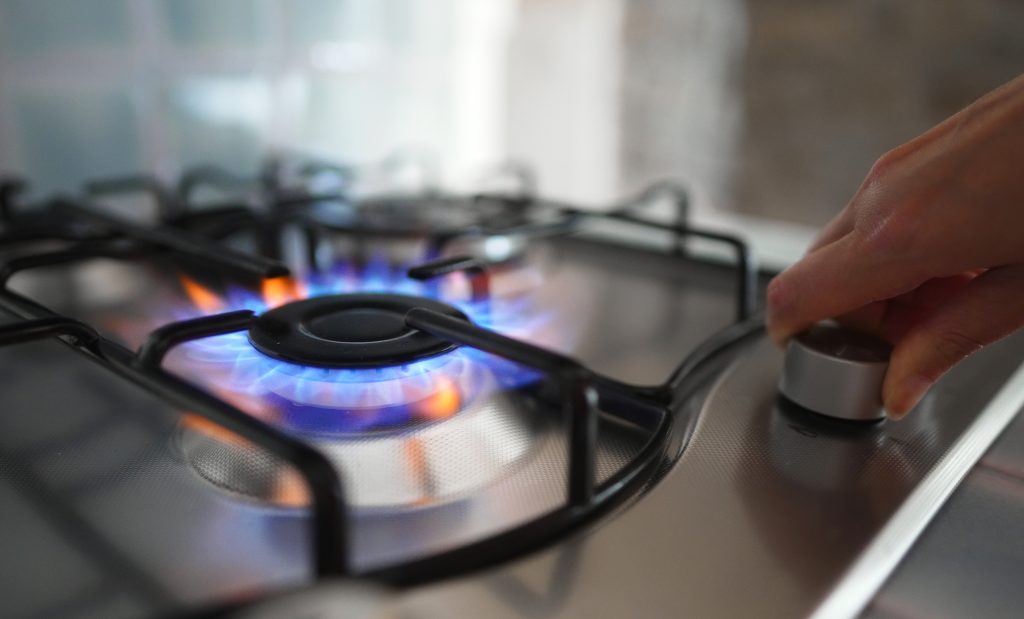
Safety is crucial before you handle any cleaning task. Make sure all burners are completely turned off and the cooktop has cooled down to avoid burns.
If your cooktop has electric elements, unplug it or switch off the power at the circuit breaker to prevent accidental shocks. Do you know where your cooktop’s manual is? It often contains important safety tips tailored to your model.
Daily Cleaning Routine
Keeping your stainless steel cooktop clean every day makes a big difference. Dirt and spills can build up quickly. A simple daily routine helps keep your cooktop shiny and ready for use. This routine takes only a few minutes but prevents tough stains later.
Wiping Down After Use
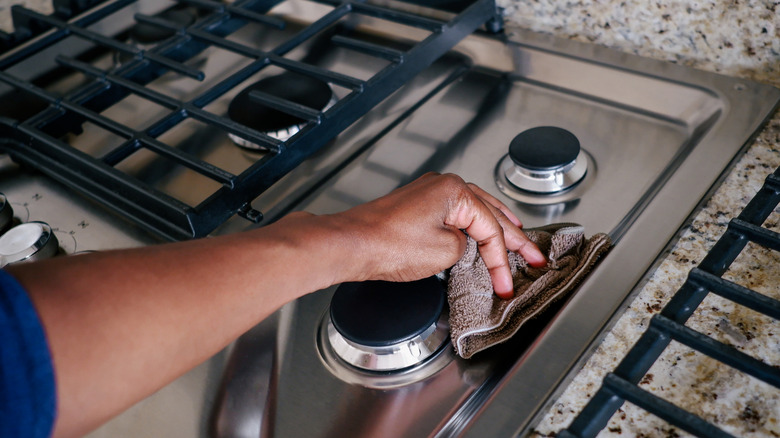
After cooking, wait for the cooktop to cool. Use a soft cloth or paper towel to wipe away crumbs and spills. Wiping right away stops stains from setting. Always wipe in the direction of the steel grain. This avoids scratches and keeps the surface smooth.
Using Mild Cleaners
Choose gentle cleaners made for stainless steel. Avoid harsh chemicals or abrasive pads. Spray a small amount on the surface. Use a soft cloth to clean the cooktop gently. Rinse with a damp cloth and dry with a clean towel. Mild cleaners remove grease and fingerprints without damage.
Removing Stubborn Stains
Stubborn stains on a stainless steel cooktop can spoil its sleek look. These marks often come from burnt food, grease, or mineral deposits. Removing them requires care to avoid scratching the surface. Using the right cleaning agents helps restore shine and cleanliness without damage. Below are effective ways to tackle tough stains safely.
Natural Cleaning Solutions
Natural cleaners are gentle and safe for stainless steel. They remove stains without harsh chemicals.
- Baking Soda Paste:Mix baking soda with water to form a paste. Apply it on stains and let it sit for 15 minutes. Wipe with a soft cloth in the grain direction.
- White Vinegar:Spray vinegar directly on the stained area. Let it sit for a few minutes. Wipe clean with a microfiber cloth.
- Lemon Juice:Apply lemon juice on stains to help break down grease. Rinse with water and dry with a soft towel.
These natural options are eco-friendly and easy to find. They also leave a fresh scent and avoid chemical residues.
Commercial Stainless Steel Cleaners
Specialized cleaners work well on stubborn, old stains. They contain ingredients designed to protect and polish stainless steel.
- Choose a cleaner labeled safe for stainless steel surfaces.
- Apply a small amount to the stain following the product instructions.
- Use a soft cloth to rub gently in the metal grain direction.
- Rinse thoroughly and dry to prevent water spots.
These products help maintain the cooktop’s shine and protect it from future stains.
Polishing For A Shine
Polishing your stainless steel cooktop is the key to restoring its original gleam and making your kitchen look inviting. A shiny surface not only looks clean but also helps repel fingerprints and smudges. Let’s dive into simple polishing tricks that can give your cooktop that fresh, mirror-like shine.
Using Olive Oil Or Baby Oil
Olive oil and baby oil are surprisingly effective for polishing stainless steel. Just add a few drops to a soft cloth and gently rub it onto the surface in the direction of the grain.
This technique helps fill in tiny scratches and creates a protective layer that boosts shine. You might wonder why these oils work better than commercial products—it’s because they’re gentle and natural, leaving no harsh residue behind.
Buffing Techniques
Buffing is where the magic happens to achieve that glossy finish. Use a clean, dry microfiber cloth and apply light pressure in circular motions or follow the grain for best results.
Don’t rush this step; take your time to evenly spread the oil and polish. Have you noticed how a quick buff can turn a dull surface into something that catches the light beautifully? That’s the power of proper technique.
Preventing Future Stains
Preventing future stains on your stainless steel cooktop saves you time and effort. A clean surface not only looks great but also performs better by avoiding burnt-on residues. Understanding how to protect your cooktop from stains helps keep it shiny and smooth for years.
Regular Maintenance Tips
Cleaning your cooktop after each use prevents buildup. Wiping with a soft, damp cloth removes spills before they dry. Avoid letting food or liquids sit for long periods, especially sugary or acidic substances.
Try using a microfiber cloth with mild dish soap for a gentle clean. Dry the surface thoroughly to stop water spots. How often do you pause to clean your cooktop during busy cooking sessions? A quick wipe can save you from stubborn stains later.
Avoiding Harsh Chemicals
Strong cleaners can damage the stainless steel’s protective layer. Steer clear of bleach, ammonia, or abrasive powders that scratch or dull the surface. Instead, choose cleaners made specifically for stainless steel or gentle solutions like vinegar diluted with water.
Applying harsh chemicals might seem like a shortcut, but it often leads to more stains and discoloration. Have you noticed streaks or patches after using a new cleaner? That’s a sign to switch to milder products and protect your cooktop’s finish.
Handling Scratches And Damage
Scratches and damage on your stainless steel cooktop can be frustrating to deal with. They not only affect the appliance’s look but can also impact its performance over time. Handling these imperfections carefully can restore the sleek, shiny surface and extend the lifespan of your cooktop.
Minor Scratch Removal
Small scratches are common and often fixable with items you already have at home. Try using a non-abrasive cleaner or a paste made from baking soda and water.
- Apply the paste gently with a soft cloth, rubbing in the direction of the grain.
- Rinse with clean water and dry thoroughly to check if the scratch has faded.
- For stubborn marks, a specialized stainless steel scratch remover can work wonders.
I once thought a deep scratch meant replacement, but a simple polish brought it back to life. Are you sure your cooktop needs an expensive fix, or could a DIY approach save the day?
When To Seek Professional Help
Deep scratches, dents, or burns require more than just home remedies. These damages can affect the cooktop’s functionality and might worsen if ignored.
If you notice discoloration, warping, or cracks alongside scratches, it’s time to call a professional. Experts have the right tools and knowledge to restore or replace damaged parts safely.
Don’t wait until a minor imperfection turns into a costly repair. How well do you know the limits of your cleaning skills versus when to ask for help?

Credit: bbqovencleaning.com.au
Credit: www.housedigest.com
Frequently Asked Questions
How Do I Clean Stains On A Stainless Steel Cooktop?
Use a soft cloth with warm soapy water for daily stains. For tough spots, apply baking soda paste gently. Avoid abrasive scrubbers to prevent scratches and always wipe in the grain direction to maintain the finish.
Can I Use Vinegar To Clean Stainless Steel Cooktops?
Yes, vinegar is effective for removing grease and water spots. Spray diluted white vinegar, let it sit briefly, then wipe clean. It’s a natural, safe cleaner that also helps restore shine without damaging the surface.
What Should I Avoid When Cleaning Stainless Steel Cooktops?
Avoid abrasive cleaners, steel wool, and bleach as they scratch or discolor. Do not use harsh chemicals that can damage the finish. Always use gentle cloths and mild cleaners to maintain your cooktop’s durability and appearance.
How Often Should I Clean My Stainless Steel Cooktop?
Clean your cooktop after every use to prevent buildup. Regular wiping keeps it hygienic and shiny. Deep clean weekly or when stains appear to maintain optimal performance and appearance.
Conclusion
Cleaning your stainless steel cooktop is simple and quick. Use mild cleaners and soft cloths to avoid scratches. Regular wiping keeps your cooktop shiny and fresh. Avoid harsh chemicals that can damage the surface. Small daily efforts prevent tough stains later.
Your cooktop will look new for years. Enjoy cooking on a clean, sparkling surface every day. A little care goes a long way. Keep these tips in mind for easy maintenance.