
Is your stainless steel range hood looking a little worse for wear? You’re not alone.
Keeping your kitchen sparkling clean can be a challenge, especially with a range hood that’s constantly battling grease, smoke, and food particles. But don’t worry—giving your stainless steel range hood a fresh, gleaming look is easier than you might think.
In this guide, you’ll discover simple, effective cleaning techniques that will save you time and effort. Imagine walking into your kitchen and seeing your range hood shining like new, reflecting light and adding that touch of elegance to your cooking space. Stick around and learn the secrets to maintaining that pristine stainless steel shine, making your kitchen a place you’ll love to show off.
Credit: www.sydneyrangehoods.com.au
Choosing The Right Cleaning Supplies
Choosing the right cleaning supplies is key to keeping your stainless steel range hood looking fresh and new. Using harsh chemicals or rough tools can scratch or dull the surface, which nobody wants. It’s about picking products and tools that protect the metal while effectively removing grease and grime.
Safe Cleaners For Stainless Steel
Look for cleaners that are specifically labeled safe for stainless steel. These usually avoid abrasive ingredients that can damage the finish. Simple options like mild dish soap mixed with warm water often do the trick without risking harm.
Vinegar diluted with water is another popular choice. It cuts through grease well and leaves a streak-free shine. Avoid bleach or ammonia-based cleaners—they can cause discoloration or corrosion over time.
If you want to try commercial products, check the label for phrases like “non-abrasive” and “stainless steel safe.” Always test a small hidden area first to see how your range hood reacts before applying widely.
Tools You’ll Need
Using the right tools makes cleaning easier and safer for your appliance. Soft microfiber cloths are perfect—they trap grease without scratching the surface. Avoid rough sponges or steel wool, which can leave permanent marks.
A spray bottle helps you apply cleaners evenly and control the amount used. You might also want a soft-bristle brush to reach tight spots or stubborn grease build-up.
Think about how much time you spend cleaning. I once switched to microfiber cloths and a gentle, vinegar-based spray, and the difference was amazing. My range hood sparkled without any effort, and I didn’t worry about damaging it.
Preparing The Range Hood
Before you dive into cleaning your stainless steel range hood, a little preparation goes a long way. Taking the right steps beforehand not only makes the process smoother but also ensures your safety and protects the appliance from damage. Let’s focus on what you need to do to get your range hood ready for a deep clean.
Turning Off The Power
Safety should always come first. Before touching anything, make sure to switch off the power supply to your range hood. This can usually be done by turning off the dedicated circuit breaker or unplugging the appliance if accessible.
Have you ever tried cleaning an appliance only to get startled by unexpected noise or movement? Turning off the power prevents any accidental activation of the fan or lights while you work. It also protects you from electrical hazards during the cleaning process.
Removing Filters And Parts
Next, remove the filters and any detachable parts from the range hood. Most filters slide or pop out easily, but if you’re unsure, check the user manual to avoid breaking any clips or tabs.
Take a moment to inspect these parts for grease buildup or damage. Removing them allows you to clean thoroughly and reach areas that are otherwise hidden. Plus, cleaning the filters separately prevents grease from spreading back onto the stainless steel surface.
Have you noticed how much grease can accumulate in those hidden corners? Getting these parts off is the key to a deep, effective clean that will keep your range hood looking and working like new.
Basic Cleaning Steps
Cleaning a stainless steel range hood keeps it shiny and working well. Basic cleaning removes dust, grease, and grime. This helps the hood last longer and keep your kitchen fresh.
Follow simple steps to clean the surface and filters. Use gentle materials to avoid scratches. Regular care prevents buildup and keeps air flowing smoothly.
Wiping Down The Surface
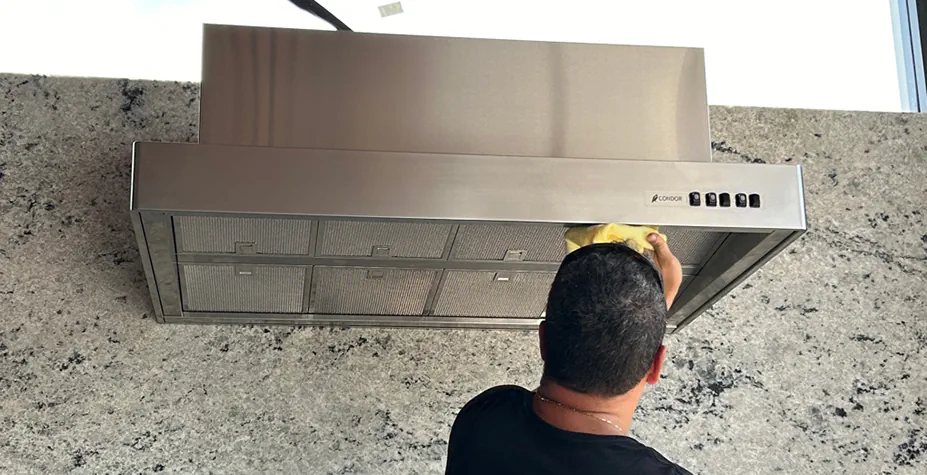
Start by turning off the range hood and unplugging it. Use a soft cloth or sponge with warm water. Add a few drops of mild dish soap. Wipe the entire surface gently, following the grain of the steel.
For stubborn spots, apply a mix of baking soda and water. Rub lightly and rinse with a clean damp cloth. Dry the surface with a microfiber cloth to avoid streaks. Avoid using steel wool or abrasive cleaners.
Cleaning The Filters
Remove the filters carefully from the hood. Soak them in hot water with dish soap for 10 to 15 minutes. Use a soft brush to scrub away grease and dirt. Rinse thoroughly with warm water.
Let the filters dry completely before putting them back. Some filters are dishwasher safe; check your hood’s manual. Clean filters improve air quality and boost the hood’s efficiency.

Credit: vattimalaysia.com
Dealing With Stubborn Stains
Stubborn stains on stainless steel range hoods can be tough to remove. These marks often come from grease, water spots, and fingerprints. Cleaning them properly keeps your range hood shiny and new. The right approach avoids scratches and damage. Use gentle, effective techniques for best results.
Removing Grease Buildup
Grease buildup is the most common stain on stainless steel. Use warm water and mild dish soap to break down grease. Avoid harsh chemicals that can damage the finish.
- Mix warm water with a few drops of dish soap.
- Dip a soft cloth or sponge into the solution.
- Wipe the greasy areas gently in the direction of the grain.
- Rinse with clean water and dry with a microfiber cloth.
For tough grease, try a mixture of vinegar and water. Spray it on, let it sit for five minutes, then wipe clean. This method helps dissolve grease without scratching the surface.
Handling Water Spots And Fingerprints
Water spots and fingerprints dull the stainless steel look. Use white vinegar or a glass cleaner to remove these marks quickly.
- Spray vinegar or cleaner on a soft cloth.
- Wipe the surface following the grain direction.
- Buff dry with a clean microfiber cloth to prevent streaks.
For extra shine, apply a small amount of olive oil or baby oil on a cloth. Rub it gently over the surface. This step helps repel future fingerprints and water spots.
Polishing For A Sparkling Finish
Polishing your stainless steel range hood is the key to achieving that eye-catching, sparkling finish that brightens your entire kitchen. Beyond just cleaning, polishing helps protect the metal from fingerprints and smudges while enhancing its natural shine. With the right approach, you can maintain a sleek, like-new look that makes your range hood a centerpiece rather than just another appliance.
Using Natural Polishes
Natural polishes are gentle on stainless steel and free from harsh chemicals that might damage the surface. A simple mix of olive oil or coconut oil and a soft cloth can bring out a beautiful shine without leaving residue. You can also use white vinegar diluted with water to remove any remaining streaks and restore brilliance.
Try this: apply a small amount of oil to a microfiber cloth and rub it in the direction of the steel grain. This technique not only polishes but also creates a protective layer that repels dirt and moisture. Have you noticed how some store-bought polishes leave a sticky feel? Natural options avoid that problem entirely.
Avoiding Scratches
Scratches can ruin the smooth look of your stainless steel range hood, so it’s crucial to polish carefully. Always use a soft, non-abrasive cloth like microfiber to prevent any marks. Avoid scrubbing in circles; instead, follow the direction of the metal grain to keep the surface uniform.
Beware of abrasive cleaners or scrubbers—they might seem effective but often cause tiny scratches that dull the finish over time. If you spot stubborn stains, soak a cloth in warm soapy water and gently wipe rather than rubbing hard. How often do you check your polishing cloth for trapped grit? Even small particles can scratch the surface during polishing.
Maintaining Your Range Hood
Maintaining your stainless steel range hood keeps it looking clean and working well. Regular care stops grease build-up and keeps the air fresh. Simple habits protect the hood’s finish and extend its life.
Routine Cleaning Tips
- Wipe the hood surface with a soft cloth daily.
- Use warm water and mild dish soap for gentle cleaning.
- Dry the surface after cleaning to avoid water spots.
- Clean the buttons and controls carefully to prevent damage.
- Check and clean the grease filters every two weeks.
- Avoid harsh chemicals or abrasive scrubbers that scratch steel.
When To Deep Clean
Deep cleaning removes tough grease and dirt inside the hood. Perform this every three to six months depending on cooking frequency.
Signs it’s time for deep cleaning:
- Grease buildup on filters or fan blades.
- Reduced suction or airflow from the hood.
- Visible stains or discoloration on the stainless steel.
- Strong cooking odors linger longer than usual.
Deep cleaning includes soaking filters, scrubbing fan blades, and wiping interior parts. This keeps the hood working efficiently and looking its best.

Credit: us.ciarraappliances.com
Frequently Asked Questions
How Often Should I Clean My Stainless Steel Range Hood?
Clean your stainless steel range hood every 1 to 3 months. Frequent cleaning prevents grease buildup and keeps it efficient. Wipe daily with a damp cloth to maintain shine and avoid stains. Regular cleaning extends the hood’s lifespan and ensures better air quality in your kitchen.
What Is The Best Cleaner For Stainless Steel Range Hoods?
Use a mild detergent or specialized stainless steel cleaner. Avoid abrasive cleaners that scratch the surface. Mix warm water with dish soap for regular cleaning. Always wipe in the direction of the grain to maintain the finish and prevent streaks.
Can I Use Vinegar To Clean Stainless Steel Range Hoods?
Yes, vinegar is effective for removing grease and fingerprints. Mix equal parts vinegar and water in a spray bottle. Spray and wipe with a microfiber cloth for a streak-free shine. Vinegar is natural, safe, and helps disinfect the surface without damage.
How Do I Remove Stubborn Grease From My Range Hood?
Apply baking soda paste or a degreaser to tough grease spots. Let it sit for 10-15 minutes before scrubbing gently with a soft cloth. Rinse with warm water and dry thoroughly. This method safely breaks down grease without harming stainless steel.
Conclusion
Cleaning your stainless steel range hood keeps it shiny and fresh. Use gentle cleaners and soft cloths to avoid scratches. Regular cleaning stops grease buildup and keeps your kitchen healthy. Remember to clean filters often for better air flow. A clean range hood works well and lasts longer.
Small steps make a big difference in kitchen care. Keep your cooking space safe and nice with simple cleaning habits. Easy to do, and worth the effort.