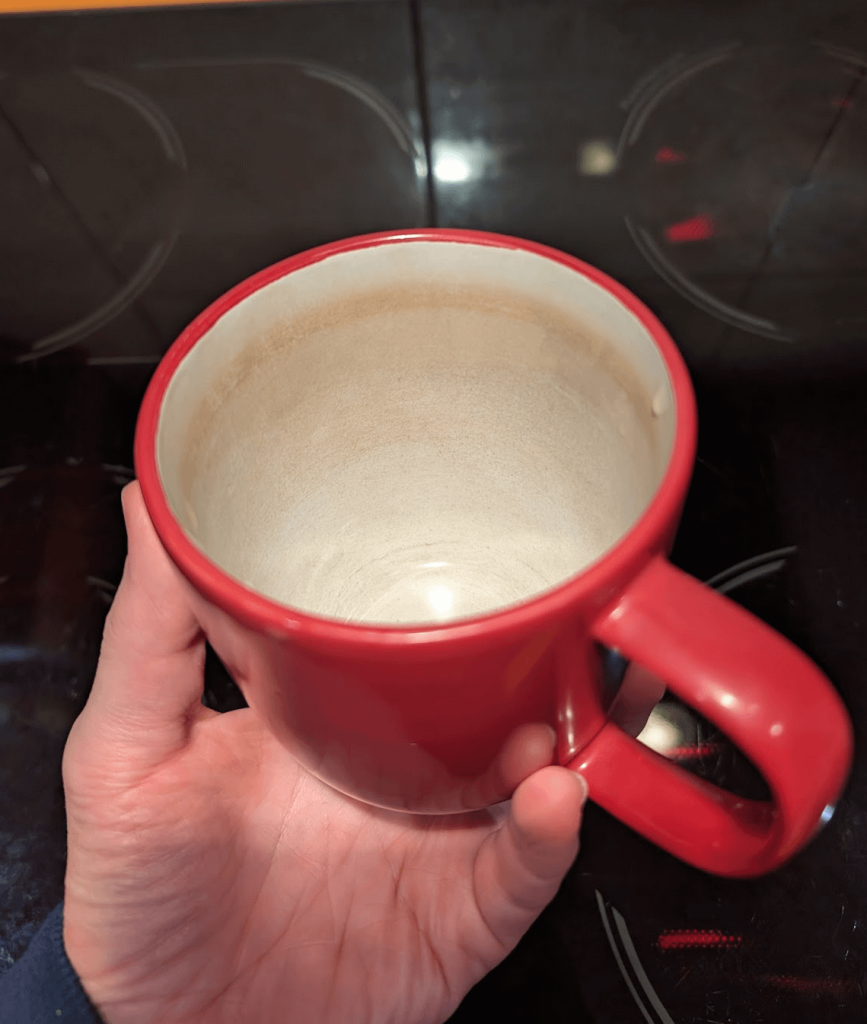
Do you love your daily cup of tea but hate the stubborn stains it leaves behind? Those brown marks can make your favorite cups look old and dirty, even after washing.
But don’t worry—you don’t need special cleaners or expensive products to get rid of them. You’ll discover simple, effective ways to clean tea stains from your cups and make them look fresh again. Keep reading, and you’ll be amazed at how easy it is to restore your cups to their original shine.
Causes Of Tea Stains
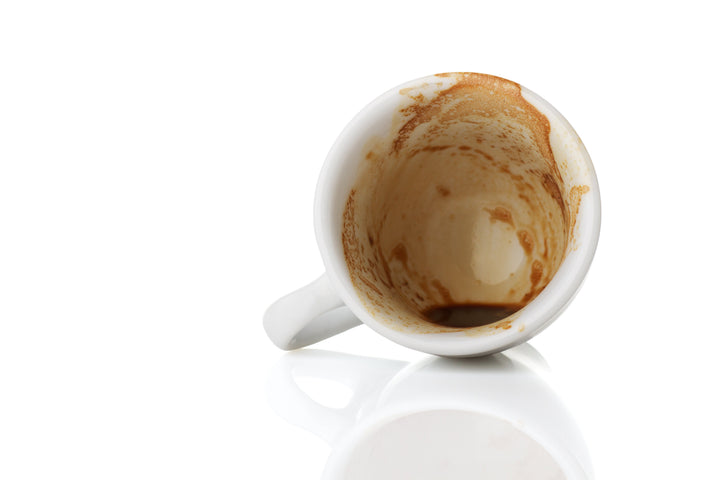
Tea stains appear on cups after repeated use. They form because of natural compounds in tea leaves. These compounds stick to cup surfaces and leave marks.
Understanding why tea stains happen helps us clean cups better. It also helps to prevent stains from forming in the future.
Why Tea Leaves Stain Cups
Tea leaves contain tannins, which cause stains. Tannins are natural chemicals found in many plants. They give tea its color and flavor but can stick to cups.
When tea cools, tannins settle on the cup’s surface. Over time, these tannins build up and create dark stains. Stronger teas have more tannins, so stains can be darker.
- Tannins bind easily to smooth surfaces
- Tea temperature affects how much tannin sticks
- Leaving tea in the cup longer causes more stains
Types Of Cups Affected
Tea stains can appear on many types of cups. The material of the cup changes how visible the stains are. Some cups are easier to stain than others.
Porcelain, ceramic, glass, and plastic cups all show stains differently. Porcelain and ceramic cups often show stains clearly. Glass cups may show stains less but still get marks. Plastic cups stain easily and can hold on to the color.
- Porcelain and ceramic:Stains appear dark and clear
- Glass:Stains are less visible but still form
- Plastic:Stains can be deep and hard to remove
- Metal:Usually resists stains but can discolor

Credit: 100things2do.ca
Common Household Cleaning Methods
Tea stains on cups can be stubborn and unsightly. Many household items can remove these stains easily. Using simple methods saves money and avoids harsh chemicals.
This guide explains three popular cleaning techniques. Each uses common kitchen ingredients to restore your cups to a clean state.
Using Baking Soda
Baking soda is a mild abrasive that works well to scrub away tea stains. It also deodorizes your cup, leaving no bad smell.
- Sprinkle a small amount of baking soda inside the cup.
- Add a little water to form a paste.
- Use a soft cloth or sponge to scrub the stained areas gently.
- Rinse the cup thoroughly with warm water.
- Repeat if any stains remain.
Applying Vinegar
White vinegar breaks down stains with its natural acidity. It is effective for tougher tea marks and helps disinfect the cup.
| Vinegar Cleaning Steps | Description |
| Pour vinegar | Fill the cup with white vinegar to cover stains. |
| Let soak | Wait 15 to 30 minutes for the vinegar to work. |
| Scrub gently | Use a sponge or brush to remove loosened stains. |
| Rinse well | Wash the cup thoroughly with water. |
Lemon And Salt Technique
Lemon juice’s acidity combined with salt’s abrasiveness creates a strong cleaning paste. This method brightens cups while removing stains.
Follow these steps:
- Cut a lemon in half and squeeze the juice into the cup.
- Add a tablespoon of salt to the lemon juice.
- Use the lemon half to scrub the salt mixture onto the stains.
- Let it sit for 10 minutes to lift the stains.
- Rinse the cup with warm water.
Specialized Cleaning Products
Tea stains on cups can be tough to remove with regular washing. Specialized cleaning products help clean these stains effectively. They work by breaking down the stains without harming your cups.
Using the right product makes cleaning easier and keeps your cups looking new. Below are two types of products that work well on tea stains.
Commercial Stain Removers
Commercial stain removers are made specifically for removing tough stains. They often contain enzymes or chemicals that break down tea stains quickly.
These products are easy to use. Apply a small amount to the stained area, let it sit for a few minutes, and then rinse or wash as usual.
- Follow the instructions on the label for best results
- Test on a small area first to avoid damage
- Use gloves to protect your hands
- Rinse cups thoroughly after cleaning
Safe Abrasive Cleaners
Safe abrasive cleaners have mild scrubbing ingredients. They remove stains without scratching the cup’s surface.
These cleaners work well on ceramic and porcelain cups. Use a soft cloth or sponge with the cleaner to scrub the stains gently.
- Choose cleaners labeled as non-scratch
- Apply with a soft cloth or sponge
- Rinse well to remove all residue
- Avoid using on delicate or painted cups
Credit: nelsonwashonline.co.uk
Preventing Future Stains
Tea stains on cups can be hard to remove if left for too long. Preventing stains helps keep your cups clean and fresh.
Simple habits and protective measures stop stains from forming. This saves time and effort in cleaning later.
Regular Cleaning Habits
Clean your cups soon after use. Rinse cups with warm water to stop tea from drying and staining.
Use a soft sponge or cloth and mild soap for washing. Avoid harsh scrubbing to protect cup surfaces.
- Rinse cups immediately after drinking tea
- Wash with soap and warm water daily
- Dry cups with a clean towel to prevent marks
- Do not let tea sit in cups for long periods
Using Protective Coatings
Apply a thin layer of food-safe coating inside your cups. This creates a barrier to stop tea stains.
Some coatings repel liquids and make cleaning easier. Check if coatings are safe for drinking cups before use.
- Use food-safe ceramic or glass sealants
- Apply coatings evenly and let dry fully
- Reapply coatings as recommended by the product
- Test coatings on a small area first
Tips For Different Cup Materials
Tea stains can be tricky to remove, especially from different cup materials. Knowing the right cleaning tips helps keep your cups looking fresh.
Each cup type needs a special cleaning method. This guide covers ceramic, glass, and stainless steel cups.
Ceramic And Porcelain Cups
Ceramic and porcelain cups are common for tea. Stains can build up inside the cup, making it look dull.
- Use baking soda and water to make a paste.
- Apply the paste to the stains and let it sit for 15 minutes.
- Scrub gently with a soft sponge or cloth.
- Rinse well with warm water.
- For tough stains, soak the cup in white vinegar for 30 minutes before scrubbing.
Glass And Crystal Cups
Glass and crystal cups need gentle care to avoid scratches and cloudiness from tea stains.
| Cleaning Agent | How to Use |
| White vinegar | Soak for 10 minutes, then rinse. |
| Baking soda | Sprinkle on a damp cloth, gently wipe stains. |
| Lemon juice | Rub on stains, leave 5 minutes, rinse well. |
| Dish soap | Use mild soap and warm water for daily cleaning. |
Stainless Steel Mugs
Stainless steel mugs are durable but may hold tea stains inside and on lids. Cleaning well is key.
Follow these tips to clean stainless steel mugs:
- Fill the mug with warm water and add a teaspoon of baking soda.
- Let it soak for 20 minutes to loosen stains.
- Use a bottle brush to scrub inside gently.
- Clean the lid separately with soapy water.
- Rinse everything thoroughly and dry.

Credit: ca.style.yahoo.com
Frequently Asked Questions
What Removes Tea Stains From Cups Effectively?
Baking soda is an effective solution for tea stains. Mix it with water to form a paste. Apply it to the stained area and scrub gently. Rinse thoroughly with water. This method is eco-friendly and gentle on cups, ensuring no damage to your favorite mugs.
Can Vinegar Clean Tea Stains From Cups?
Yes, vinegar can clean tea stains. Fill the cup with equal parts vinegar and hot water. Let it sit for about 15 minutes. Scrub gently with a soft brush or sponge. Rinse the cup thoroughly with water to remove any vinegar smell.
Does Lemon Juice Help In Removing Tea Stains?
Lemon juice is a natural stain remover. Squeeze lemon juice into the stained cup and add hot water. Let it sit for 10 minutes. Scrub gently with a sponge, then rinse thoroughly. The acidic nature of lemon helps in breaking down the stains effectively.
Are Commercial Cleaners Safe For Removing Tea Stains?
Commercial cleaners can be effective but check for harsh chemicals. They are usually safe for most cups. Always follow manufacturer instructions and rinse thoroughly after cleaning. Opt for eco-friendly options to ensure minimal environmental impact while keeping your cups stain-free.
Conclusion
Cleaning tea stains from cups does not have to be hard. Use simple ingredients like baking soda or vinegar for best results. Rub gently and rinse well to keep cups looking new. Regular cleaning stops stains from building up over time.
Clean cups make tea taste better and look nicer. Try these easy steps to keep your cups bright and fresh. A little care goes a long way in your daily routine. Enjoy your tea with clean, stain-free cups every day.