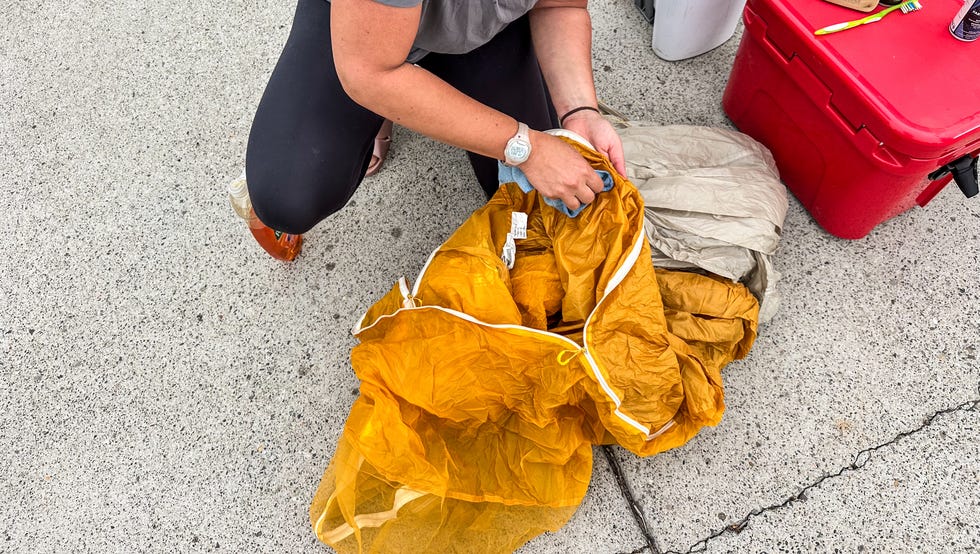
Your tent is more than just a shelter—it’s your home away from home during every adventure. But if you don’t clean it properly, dirt, stains, and even mold can build up, ruining your gear and your next trip.
You might think cleaning a tent is tricky or time-consuming, but it doesn’t have to be. In this guide, you’ll discover simple, effective steps to clean your tent the right way. Keep reading, and you’ll protect your investment and enjoy a fresh, ready-to-use tent every time you head outdoors.
Preparing Your Tent For Cleaning
Cleaning your tent starts with good preparation. Getting your tent ready helps protect it and makes cleaning easier.
Follow simple steps to prepare your tent before you wash it. These steps keep your tent in good shape for your next trip.
Empty And Shake Out Debris
Remove everything from inside your tent. This includes sleeping bags, mats, and any trash. Shake the tent gently to get rid of dirt and leaves.
- Open all doors and windows fully.
- Take the tent outside to a clean area.
- Shake the tent to loosen dirt and small debris.
- Use a soft brush to sweep away stuck dirt.
- Check the floor carefully for small stones or twigs.
Check For Damage And Repairs
Look over the tent fabric, zippers, and poles. Find any holes, tears, or broken parts before washing.
| Part | What to Check | How to Fix |
| Fabric | Holes, tears, thin spots | Patch with repair tape or fabric patches |
| Zippers | Stuck or broken teeth | Clean with brush, apply zipper lubricant |
| Poles | Cracks or bends | Replace or tape damaged sections |

Credit: www.youtube.com
Choosing The Right Cleaning Supplies
Cleaning your tent is important to keep it in good shape. Using the right supplies helps protect the fabric. It also makes cleaning easier and more effective.
This guide covers gentle detergents and the best brushes and cloths for tent care. Choose supplies that are safe and soft on your tent material.
Gentle Detergents And Cleaners
Select detergents that do not contain bleach or strong chemicals. These can damage the waterproof coating and fabric fibers. Mild soaps or cleaners made for delicate fabrics work best.
- Use a small amount of gentle soap mixed with water
- Avoid detergents with enzymes or brighteners
- Test the cleaner on a small tent area first
- Rinse well to remove all soap residues
Soft Brushes And Cloths
Choose soft brushes and cloths to avoid scratching the tent. Hard brushes can damage fabric threads and reduce tent life. Soft brushes help lift dirt without harm.
| Tool | Use | Material |
| Soft-bristle brush | Remove dirt and dust | Nylon or natural fibers |
| Microfiber cloth | Wipe down wet or dry surfaces | Soft, absorbent fabric |
| Sponge | Apply gentle soap solutions | Soft and non-abrasive |
Cleaning The Tent Fabric
Tents are your home in the wild. Keeping them clean helps them last longer. Focus on cleaning the tent fabric carefully to maintain its quality.
Proper cleaning prevents damage and keeps your tent looking new. Follow these steps to clean your tent fabric effectively.
Spot Cleaning Stains
Spot cleaning is useful for small stains. Use mild soap and water for this process. Avoid using harsh chemicals that can damage the fabric.
Gently scrub the stained area with a soft brush or cloth. Rinse thoroughly with clean water and let it air dry completely before storing.
- Identify the stain type
- Use mild soap and water
- Gently scrub with a soft brush
- Rinse and air dry
Hand Washing Vs. Machine Washing
Hand washing is gentler on tent fabric. Fill a tub with cool water and mild soap. Submerge the tent and gently agitate it to clean.
Machine washing can be harsh. If you must, use a front-loading machine on a gentle cycle. Always use cold water and a small amount of mild detergent.
| Method | Pros | Cons |
| Hand Washing | Gentle on fabric | More time-consuming |
| Machine Washing | Faster | Risk of damage |

Credit: shopping.yahoo.com
Cleaning The Tent Floor And Rainfly
Keeping your tent clean helps it last longer and stay comfortable. Focus on the floor and rainfly to remove dirt and moisture.
Cleaning these parts properly prevents damage and keeps your tent ready for the next trip.
Removing Mud And Dirt
Start by shaking the tent to remove loose dirt. Use a soft brush or cloth to clean the floor and rainfly. Avoid harsh scrubbing to protect the fabric.
- Shake off loose mud outside
- Use a damp cloth for stubborn spots
- Clean the rainfly gently with mild soap
- Rinse thoroughly with clean water
- Let dirt drip off before wiping
Drying Techniques
Dry your tent floor and rainfly completely before storing. Moisture can cause mold and bad smells.
| Drying Method | Details |
| Air Drying | Hang tent parts in a shaded, well-ventilated area |
| Use Towels | Pat dry with clean towels to speed up drying |
| Sunlight | Use limited direct sunlight to avoid fabric damage |
| Indoor Drying | Place near a fan or heater if outdoor drying is not possible |
Drying And Storing Your Tent
Proper drying and storing help keep your tent in good shape. Moisture can damage the fabric and cause bad smells.
Taking time to dry and store your tent right makes it last longer and stay fresh for your next trip.
Avoiding Mold And Mildew
Keep your tent dry to stop mold and mildew from growing. These fungi eat the fabric and cause stains.
- Always air dry your tent completely before packing it away.
- Set up your tent in the sun or a well-ventilated area to speed drying.
- Check for damp spots and open all zippers and doors to let air flow.
- If your tent smells musty, clean it with mild soap and water.
- Store the tent in a dry place away from damp basements or garages.
Proper Folding And Storage Tips
How you fold and store your tent affects its shape and material. Follow these tips to keep it safe.
| Tip | Reason |
| Fold loosely or roll the tent | Prevents creases that weaken fabric fibers |
| Use a breathable storage bag | Allows air flow and reduces moisture buildup |
| Keep tent away from direct sunlight | Sunlight breaks down material over time |
| Store tent in a cool, dry place | Reduces risk of mold and fabric damage |
| Do not store tent wet or dirty | Prevents stains and mold growth |
Maintaining Tent Longevity
Keeping your tent clean helps it last longer. Dirt and stains can wear out the fabric over time.
Regular care prevents damage and keeps your tent ready for your next trip.
Regular Cleaning Schedule
Clean your tent after every trip to remove dirt and debris. Use a soft brush or sponge with mild soap and water.
Let the tent dry completely before storing it. Avoid harsh chemicals that can damage the fabric.
- Shake out loose dirt and leaves
- Spot clean stains with mild soap
- Rinse gently with clean water
- Air dry fully in shade
- Store in a dry, cool place
Protective Treatments And Sealants
Apply waterproof treatments to keep your tent dry and strong. These treatments protect fabric from water and UV damage.
Reapply sealants after cleaning or every camping season. Follow product instructions to avoid harming the tent.
- Use waterproof sprays made for tents
- Apply sealant evenly on clean, dry fabric
- Allow sealant to dry before use
- Check seams and re-seal if needed
- Store tent away from sunlight when not used

Credit: www.popularmechanics.com
Frequently Asked Questions
How Often Should I Clean My Tent?
You should clean your tent after every camping trip. Regular cleaning prevents dirt buildup and damage. It also extends the tent’s lifespan and maintains waterproofing.
What Is The Best Way To Remove Mold From Tents?
Use a mixture of water and mild soap to scrub mold gently. Avoid harsh chemicals as they damage fabric. Let the tent dry fully in sunlight to prevent mold growth.
Can I Machine Wash My Tent Safely?
Most tents are not machine washable. Hand washing with mild soap and water is safer. Always check the manufacturer’s instructions before attempting machine washing.
How Do I Dry My Tent Properly After Cleaning?
Dry your tent in a shaded, well-ventilated area. Avoid direct sunlight, which can damage fabric and coatings. Ensure it is fully dry before storage to prevent mold and mildew.
Conclusion
Cleaning your tent keeps it safe and lasts longer. Use gentle soap and water to avoid damage. Always dry your tent fully to stop mold and smell. Store it in a cool, dry place. Regular care saves money and helps your camping trips.
A clean tent means a better outdoor experience every time. Keep these simple steps in mind for easy tent care. Ready for your next adventure? Your clean tent will be too!