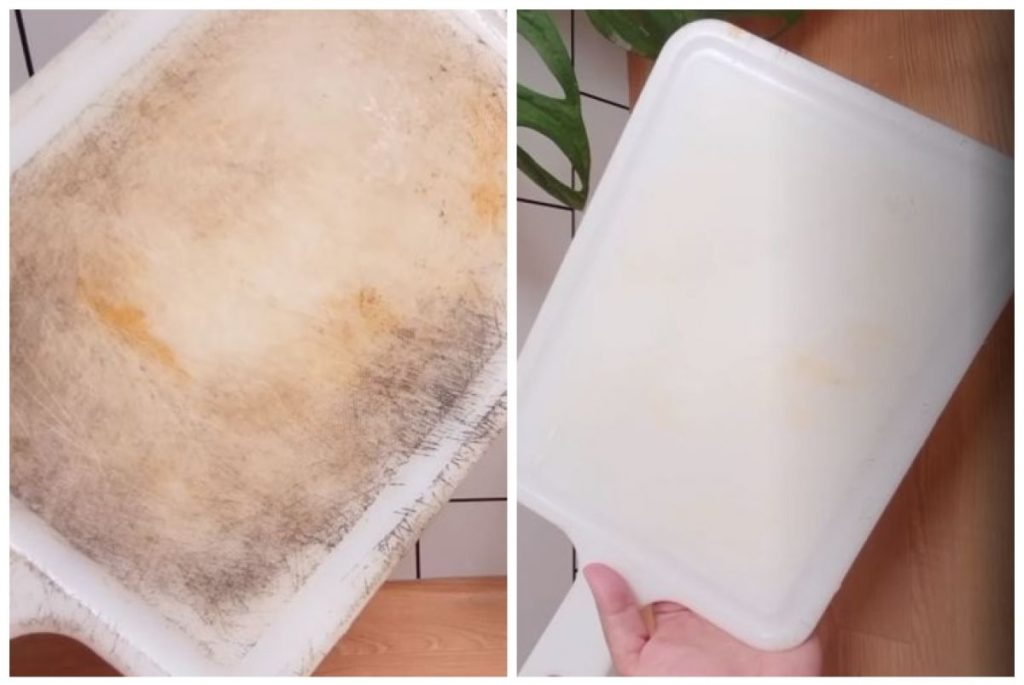
Your white cutting board is one of the most used tools in your kitchen, but keeping it spotless can feel like a challenge. Stains, odors, and bacteria can build up quickly, making your board look worn and unsafe.
What if you could restore it to its original bright, clean state with simple steps? You’ll discover easy and effective ways to clean your white cutting board, ensuring it stays fresh and hygienic every time you use it. Keep reading, and say goodbye to stubborn stains and lingering smells for good!
Choosing The Right Cleaning Supplies
Cleaning a white cutting board keeps it safe and looking fresh. Using the right supplies helps remove stains and germs well.
Picking safe and effective cleaners protects the board’s surface. Good tools make scrubbing easier and better.
Safe Cleaners For White Boards
Choose cleaners that do not damage the cutting board. Avoid harsh chemicals that can wear down the surface.
Common safe cleaners include mild dish soap and baking soda. These clean well without harming the board.
- Mild dish soap: removes grease and food residue
- Baking soda: lifts stains and neutralizes odors
- White vinegar: disinfects and brightens the surface
- Hydrogen peroxide: kills bacteria and whitens stains
Tools For Effective Scrubbing
Good tools help clean deep stains and dirt. They also protect the board from scratches.
Soft scrub brushes and non-abrasive sponges work best. Avoid steel wool or rough pads that can damage the board.
- Soft nylon scrub brush: cleans grooves and cuts
- Non-abrasive sponge: gentle on the surface
- Old toothbrush: reaches small corners
- Microfiber cloth: dries and polishes after washing
Daily Cleaning Routine
Keeping your white cutting board clean every day helps prevent bacteria. A simple routine removes food residue and keeps it fresh.
Follow easy steps to clean and sanitize your cutting board after each use. This keeps your kitchen safe and your board looking good.
Removing Food Residue
Start by scraping off leftover food with a plastic scraper or spatula. Rinse the board with warm water to wash away loose particles.
- Use a sponge with dish soap to scrub the surface.
- Focus on stains and sticky spots to remove all residue.
- Rinse well to remove soap and food bits.
- Dry the board with a clean towel or air dry upright.
Quick Sanitizing Methods
Sanitize your cutting board to kill germs after cleaning. Use common household items for fast and safe sanitizing.
| Sanitizing Method | Instructions |
| Vinegar Spray | Spray white vinegar over the board, wait 5 minutes, then rinse. |
| Hydrogen Peroxide | Pour 3% hydrogen peroxide on the surface, let sit 10 minutes, rinse well. |
| Bleach Solution | Mix 1 tablespoon bleach with 1 gallon water, soak board 2 minutes, rinse thoroughly. |
Deep Cleaning Techniques
White cutting boards need regular deep cleaning to stay fresh and safe. Dirt and stains can hide in the board’s surface.
Deep cleaning removes germs and tough stains. Use simple ingredients you have at home for best results.
Using Baking Soda And Vinegar
Baking soda and vinegar work well to clean white cutting boards. They remove stains and kill bacteria naturally.
Sprinkle baking soda over the board. Then pour vinegar on it. Let the mixture bubble and sit for 5 minutes.
- Scrub the board with a sponge or brush
- Rinse with warm water
- Dry the board completely before use
Bleach Solutions For Stubborn Stains
Bleach is strong and works well on tough stains and germs. Use it carefully to avoid damage.
Mix one tablespoon of bleach with one gallon of water. Soak the cutting board for two minutes.
- Rinse the board thoroughly with water
- Let it dry in the air
- Use bleach only when stains do not come out otherwise

Credit: ca.style.yahoo.com
Removing Tough Stains
White cutting boards often show stains and marks from daily use. Removing these tough stains keeps the board clean and safe for food preparation.
Some stains need special care to bring back the board’s bright white surface. Below are ways to handle knife marks and discoloration.
Dealing With Knife Marks
Knife marks can create grooves that trap dirt and bacteria. Cleaning these marks helps maintain hygiene.
- Use a fine-grit sandpaper to gently rub the surface.
- Rinse the board with warm water after sanding.
- Scrub with a paste made of baking soda and water to remove residue.
- Dry the board completely before storing it.
Eliminating Discoloration
Discoloration can result from food stains like beet juice or turmeric. These spots need stronger cleaning methods.
| Cleaning Agent | How to Use | Effect |
| White Vinegar | Spray on stains, let sit 10 minutes, then scrub | Lightens yellow or brown stains |
| Lemon Juice | Rub lemon slice on stains, leave 5 minutes, rinse well | Removes mild discoloration and odors |
| Hydrogen Peroxide | Apply with cloth, wait 3 minutes, rinse thoroughly | Kills bacteria and whitens stains |
Preventing Future Stains
White cutting boards can get stained easily. Preventing stains keeps your board clean and safe for food.
Proper care and smart use help stop stains from forming on your cutting board.
Proper Board Maintenance
Clean your board right after each use. Use hot soapy water to wash it well.
Dry your board completely before storing it. This stops bacteria and stains from growing.
- Use baking soda and water paste to scrub stains gently
- Sanitize with vinegar or diluted bleach once a week
- Replace your board if deep cuts trap food and stains
Avoiding Cross-contamination
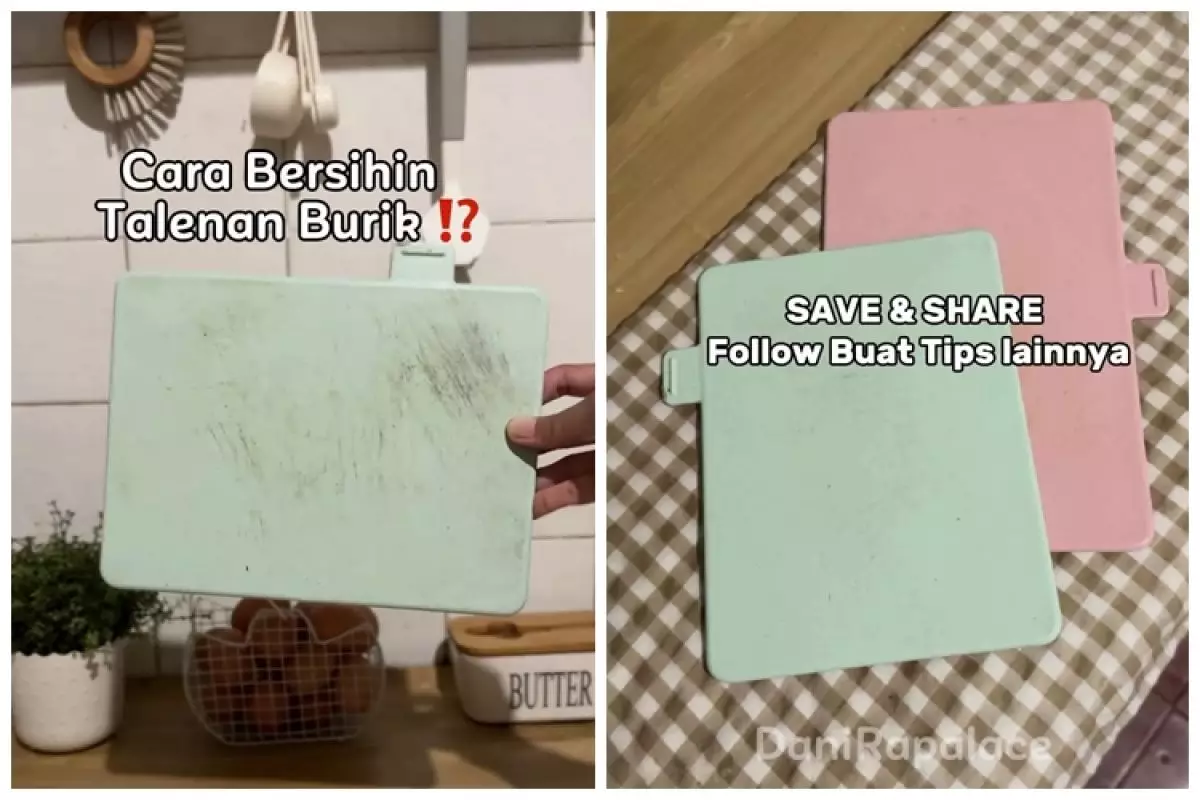
Use separate cutting boards for raw meat, vegetables, and cooked food.
Label or color code your boards to avoid mixing foods that cause stains or bacteria.
- Keep raw meat boards away from fruits and veggies
- Clean boards immediately after cutting strong-colored foods like beets or berries
- Use plastic or silicone mats for extra protection
Credit: en.brilio.net
Drying And Storing Tips
Keeping your white cutting board dry and stored properly helps it last longer. Wet boards can grow bacteria and stain easily.
Follow these tips to dry and store your cutting board safely after cleaning.
Ensuring Complete Dryness
After washing, drying your cutting board fully stops mold and bacteria growth. Use these methods to ensure dryness.
- Wipe the board with a clean towel immediately after rinsing.
- Stand the board upright to air dry both sides evenly.
- Place the board in a well-ventilated area away from moisture.
- Do not stack wet boards or cover them while drying.
- Use a fan or open window to speed up drying if needed.
Best Storage Practices
Storing your white cutting board correctly keeps it clean and ready for use. Avoid damage and stains with smart storage.
| Storage Method | Why It Helps |
|---|---|
| Store upright in a dry rack | Prevents moisture buildup and warping |
| Keep away from heat sources | Stops warping and discoloration |
| Use a clean, dry place | Reduces bacteria and stains |
| Separate from other cutting boards | Avoids cross-contamination |

Credit: homewithgraceandjoy.com
Frequently Asked Questions
How Often Should I Clean My White Cutting Board?
You should clean your white cutting board after every use. This prevents bacteria buildup and maintains hygiene. Regular cleaning helps avoid cross-contamination between different foods. If used frequently, consider a deep clean weekly with vinegar or baking soda.
What’s The Best Way To Remove Stains?
To remove stains, sprinkle baking soda on the board and scrub with a damp sponge. For tougher stains, use a mixture of lemon juice and salt. Let it sit for a few minutes before scrubbing. This method effectively lifts stains without harsh chemicals.
Can I Use Bleach To Clean My Cutting Board?
Yes, but use bleach sparingly. Mix a tablespoon of bleach with a gallon of water. Soak the board for a few minutes, then rinse thoroughly with water. Ensure all bleach is washed off before using the board again to prevent food contamination.
How Do I Prevent My Board From Smelling?
To prevent odors, clean your board with vinegar after each use. Vinegar acts as a natural deodorizer and disinfectant. Regular cleaning with baking soda also helps neutralize odors. Store your board in a dry, airy place to avoid moisture buildup.
Conclusion
Cleaning your white cutting board keeps it safe and fresh. Use simple steps like scrubbing with soap and water. Rinse well and dry it completely to avoid bacteria. For tough stains, try baking soda or vinegar. Regular cleaning stops smells and discoloration.
Keep your cutting board bright and ready for every meal. A clean board means healthier cooking. Easy habits make a big difference in your kitchen. Stay consistent, and your cutting board will last longer. Safe food prep starts with a clean surface.