
Are you tired of staring at those stubborn stains and grime on your Wolf cooktop? You’re not alone.
A sparkling clean cooktop not only enhances the beauty of your kitchen but also ensures you’re cooking in a hygienic environment. Imagine the satisfaction of a spotless surface, where every meal preparation is a pleasure rather than a chore. In this guide, you’ll discover the secrets to transforming your cooktop from grimy to gleaming with minimal effort.
If you’ve ever wished for a quick and effective cleaning routine, you’re about to learn just how simple it can be. Get ready to dive into a hassle-free way to keep your Wolf cooktop looking brand new, while making your cooking experience more enjoyable and efficient.

Credit: www.assinc.com
Preparing Your Cooktop
Preparing your Wolf cooktop for cleaning is essential for effective results. This stage helps you avoid damage and keeps you safe. A clean workspace and the right supplies make the task easier. Follow simple steps before starting the cleaning process.
Gathering Cleaning Supplies
Collect all cleaning tools before you begin. Use gentle, non-abrasive cleaners made for cooktops. Avoid harsh chemicals that can harm surfaces. Common supplies include:
- Soft microfiber cloths
- Mild dish soap
- Warm water
- Plastic scraper or spatula
- Cooktop cleaner specifically for glass or ceramic
Having everything ready prevents interruptions and speeds up cleaning.
Ensuring Safety Precautions
Turn off all burners and unplug the cooktop if possible. Wait until it cools completely. Hot surfaces can cause burns or damage cleaning materials. Remove burner grates and knobs carefully. Clean them separately to avoid water damage to controls. Keep children and pets away during cleaning. Follow these precautions for a safe and smooth process.
Removing Grates And Burner Caps
Removing the grates and burner caps from your Wolf cooktop is the first essential step for a thorough cleaning. These parts often trap grease and food debris, which can affect your cooktop’s performance and appearance. Handling them carefully not only makes cleaning easier but also helps maintain the longevity of your appliance.
How To Safely Remove The Grates
Start by ensuring the cooktop is completely cool to avoid burns. Gently lift each grate straight up; they should come off without force. If you notice resistance, check for any clips or locking mechanisms that might be holding them in place.
Place the grates on a soft surface to prevent scratches while you clean. If your grates are heavy cast iron, consider wearing gloves for a better grip. Have you ever struggled with stubborn grates? A steady, careful lift usually does the trick without damage.
Detaching The Burner Caps
Burner caps sit atop the burner bases and are designed for easy removal. Lift each cap straight up without twisting to avoid damaging the ignition or burner head. If a cap feels stuck, a slight wiggle can help, but avoid using tools that might scratch the surface.
Once removed, inspect the caps for any cracks or discoloration that might indicate the need for replacement. Keeping these parts clean ensures your burners ignite properly and cook evenly. Have you noticed uneven flames? Dirty or misaligned caps are often the cause.
Tips For Organizing Parts During Cleaning
Use a designated tray or towel to keep grates and burner caps together while cleaning. This prevents losing small parts or mixing them up, especially if you have a multi-burner cooktop. Labeling the spots or taking a quick photo before removal can save time when reassembling.
Keeping these parts organized avoids frustration and ensures your Wolf cooktop looks and works like new after every cleaning session. How do you keep track of small appliance parts during maintenance?
Cleaning The Surface
Cleaning the surface of your Wolf cooktop keeps it looking new and working well. Dirt, grease, and spills can build up quickly. Regular cleaning prevents damage and maintains its shine. Use gentle tools and the right products to avoid scratches or stains.
Choosing The Right Cleaner
Select a cleaner made for glass or ceramic surfaces. Avoid harsh chemicals that can harm the cooktop. Mild dish soap mixed with warm water works well for daily cleaning. For tougher messes, use a cleaner specifically labeled for cooktops. Always check the label to ensure it is safe for Wolf appliances.
Wiping Down The Cooktop
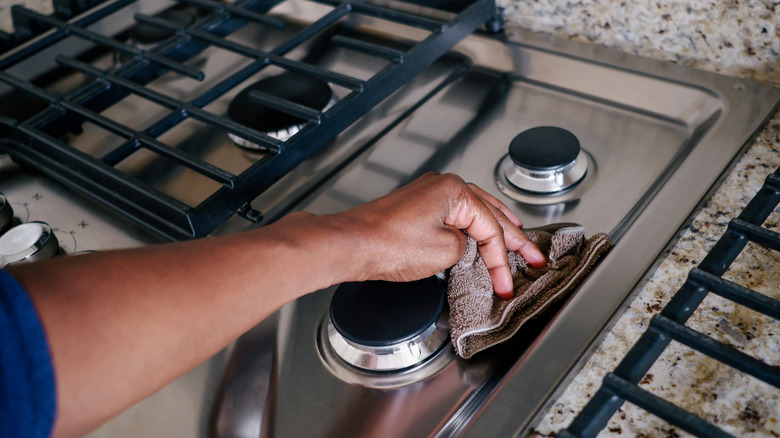
Start by removing loose debris with a soft cloth or paper towel. Dampen a microfiber cloth with your chosen cleaner. Wipe the entire surface gently in circular motions. Dry the cooktop with a clean, dry cloth to prevent streaks. Clean spills as soon as possible to avoid stains.
Dealing With Stubborn Stains
For burnt-on food or tough stains, use a cooktop scraper designed for glass surfaces. Hold the scraper at a 45-degree angle. Gently scrape the residue without pressing too hard. Apply a small amount of cooktop cleaner and let it sit for a few minutes. Wipe away with a damp cloth and dry thoroughly.
Credit: www.housedigest.com
Cleaning Grates And Burner Caps
Cleaning the grates and burner caps of your Wolf cooktop is essential for maintaining its performance and appearance. These parts often collect grease and food residue, which can affect how evenly your burners heat. Taking time to clean them properly can save you from uneven cooking and extend the life of your cooktop.
Soaking Techniques
Start by removing the grates and burner caps carefully. Place them in a sink filled with warm water and a few drops of mild dish soap. Let them soak for at least 20 minutes to loosen stubborn grease and burnt-on food.
If you notice tough stains, add a bit of baking soda to the water. This creates a gentle abrasive that helps break down grime without damaging the surface. Soaking makes scrubbing easier and prevents unnecessary scratching.
Scrubbing Tips
Use a non-abrasive scrub brush or sponge to clean the grates and burner caps after soaking. Focus on edges and corners where grease builds up the most. Avoid steel wool or harsh scrubbers, as they can scratch the finish.
For persistent spots, sprinkle baking soda directly on the surface and scrub gently. You can also use an old toothbrush to reach small crevices. Have you tried using a toothpick to clear clogged burner holes? It’s a simple trick that works wonders.
Drying And Reassembling
After scrubbing, rinse the parts thoroughly with clean water. Dry them completely with a soft cloth or let them air dry to prevent rusting. Make sure no moisture remains before putting them back on your cooktop.
When reassembling, align the burner caps properly to ensure even flame distribution. Check that the grates sit securely to avoid wobbling during cooking. Taking this extra moment ensures your Wolf cooktop stays in top shape and cooks safely.
Maintaining The Control Knobs
Maintaining the control knobs of your Wolf cooktop keeps it functioning smoothly. Clean knobs improve the look and help prevent damage. Dirt, grease, and food particles can build up around and under the knobs over time. Regular cleaning stops buildup and keeps the controls responsive. Proper care also extends the knobs’ lifespan.
Removing Knobs Safely
Turn off the cooktop before removing the knobs. Gently pull the knob straight away from the cooktop surface. Avoid twisting or yanking to prevent damage. Use a soft cloth to grip the knob if it feels slippery. Place the knobs on a clean surface to avoid losing them.
Cleaning Methods
Use warm, soapy water to clean the knobs. Soak them for a few minutes if needed. Avoid harsh chemicals that can damage the finish. Use a soft brush or cloth to scrub away grease and dirt. Dry the knobs completely before reattaching them. Clean the area behind the knobs on the cooktop as well.
Reattaching The Knobs
Align each knob with its stem on the cooktop. Press gently but firmly to snap the knob back into place. Test the knobs by turning them to check smooth movement. Ensure they fit tightly and do not wobble. Avoid forcing the knobs to prevent damage to the control mechanism.

Credit: www.reddit.com
Preventing Future Buildup
Keeping your Wolf cooktop spotless is easier when you focus on preventing buildup before it starts. Regular care not only saves time but also protects the surface and burners from damage. Think about the last time you let grease sit for days—didn’t it make cleaning tougher and affect your cooktop’s performance?
Regular Cleaning Schedule
Set a routine for cleaning your cooktop, ideally after every use. Wiping down spills immediately prevents stains and grime from hardening. You can keep a microfiber cloth and mild cleaner nearby to make quick cleanups effortless.
Once a week, do a deeper clean to remove any grease or food residues that might have been missed. This habit keeps your cooktop looking new and working efficiently longer. Isn’t it better to spend five minutes now than scrubbing for hours later?
Avoiding Harsh Chemicals
Strong chemicals can damage the finish and parts of your Wolf cooktop. Instead, use gentle, non-abrasive cleaners designed for kitchen surfaces. Even simple mixtures like vinegar and water can be very effective without causing harm.
If you notice stubborn spots, let the cleaner sit for a few minutes before wiping. This avoids the need for harsh scrubbing that can scratch or dull the surface. Have you ever tried a cleaner that made your cooktop look worse? Choosing the right one matters.
Using Protective Covers
Consider using stove burner covers or mats to shield your cooktop from spills and splatters during cooking. These covers catch messes, making cleanup quicker and preserving the cooktop’s surface. Just make sure they’re heat-resistant and designed for your model.
Protective covers can also prevent scratches from pots and pans sliding around. When you remove them after cooking, you’ll often find less buildup to tackle. Wouldn’t you like to extend the life of your cooktop with such a simple step?
Troubleshooting Common Issues
Wolf cooktops offer excellent performance but sometimes face common issues. Troubleshooting these problems helps keep your cooktop working well. Simple fixes often solve small troubles quickly. Understanding these solutions saves time and stress.
Handling Burn Marks
Burn marks on your cooktop surface are common after cooking. Use a soft cloth and warm soapy water to clean them gently. Avoid abrasive scrubbers that can scratch the surface.
For tough marks, apply a paste of baking soda and water. Let it sit for a few minutes before wiping clean. Repeat if necessary but do not use harsh chemicals.
Fixing Ignition Problems
Ignition issues can stop burners from lighting. First, check if the burner ports are clogged. Use a toothpick or a soft brush to clear debris carefully.
Make sure the burner cap is positioned correctly. Misalignment can block sparks. Also, ensure the cooktop is properly connected to power.
If the igniter still does not work, try cleaning around the igniter with rubbing alcohol. Dry it thoroughly before testing again.
When To Call A Professional
Call a professional if the cooktop does not light after cleaning and checking connections. Electrical or gas issues need expert attention.
Do not attempt to repair gas leaks or complex wiring problems yourself. These can be dangerous.
Regular maintenance by a technician helps prevent major problems. Contact a certified service provider for safety and peace of mind.
Frequently Asked Questions
How Often Should I Clean My Wolf Cooktop?
Clean your Wolf cooktop after every use to avoid buildup. Regular cleaning keeps the surface spotless and efficient. Deep clean monthly for optimal maintenance and longer appliance life.
What Is The Safest Cleaner For Wolf Cooktops?
Use a mild, non-abrasive cleaner made for stainless steel or glass. Avoid harsh chemicals or abrasive pads to prevent scratches. Always check the manufacturer’s recommendations for safe cleaning products.
Can I Remove Burner Grates For Cleaning?
Yes, remove burner grates carefully for thorough cleaning. Soak them in warm, soapy water to loosen grime. Dry completely before placing them back on the cooktop.
How Do I Clean Tough Stains On Wolf Cooktops?
Apply a paste of baking soda and water on stains. Let it sit for 15 minutes, then gently scrub with a soft cloth. Rinse and wipe dry to restore shine.
Conclusion
Cleaning your Wolf cooktop keeps it looking fresh and working well. Use gentle cleaners and soft cloths to avoid scratches. Clean spills quickly to stop stains from setting. Regular care saves time and effort later. A clean cooktop makes cooking more enjoyable.
Keep these tips handy for easy maintenance. Your kitchen will stay neat and safe. Simple steps lead to great results every time.