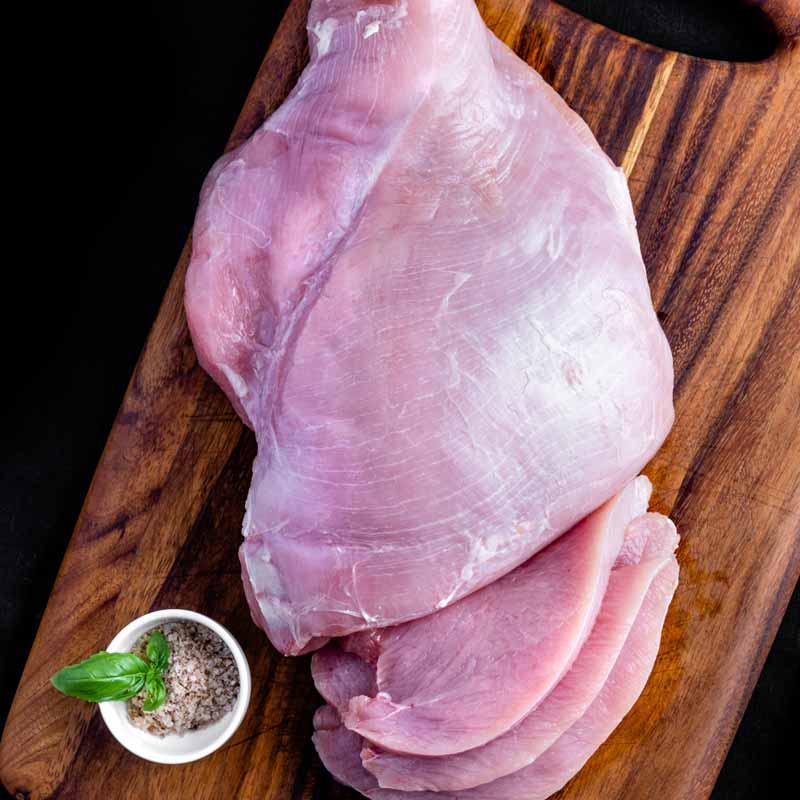
Your wood cutting board is a kitchen hero, especially when preparing raw meat. But do you know the best way to clean it afterward?
If not cleaned properly, harmful bacteria can linger, putting your health at risk. You want your board to stay safe, fresh, and long-lasting. You’ll discover simple, effective steps to clean your wood cutting board after handling raw meat. Keep reading to protect your family and keep your kitchen sparkling clean.
Credit: globalnews.ca
Risks Of Improper Cleaning
Cleaning wood cutting boards after using raw meat is very important. If not cleaned well, harmful germs can stay on the board.
These germs can cause illness and spread to other foods. Learn about the risks of not cleaning properly.
Bacterial Contamination
Raw meat often carries bacteria like Salmonella and E. coli. These bacteria can stick to the wood surface.
If the cutting board is not cleaned well, these bacteria can multiply and cause food poisoning.
- Bacteria can hide in the wood grain.
- Simple rinsing does not remove all germs.
- Using hot water and soap is needed to kill bacteria.
- Letting the board dry fully helps stop bacteria growth.
Cross-contamination Dangers
Cross-contamination happens when germs from raw meat spread to other foods. This can make safe foods unsafe.
| Cause | Effect |
| Using the same board for meat and vegetables | Vegetables get contaminated |
| Not washing hands between tasks | Germs transfer to other foods or surfaces |
| Storing cutting boards wet | Bacteria grow faster |
Credit: www.lemonslavenderandlaundry.com
Initial Cleaning Steps
Cleaning your wood cutting board after cutting raw meat is very important. This helps stop germs from spreading to other foods.
Start with simple actions to remove meat bits and juices. These steps make the board safer to use again.
Scraping Off Residue
Use a bench scraper or a spatula to remove leftover meat pieces. Scrape gently to avoid damaging the wood.
Removing residue stops bacteria from staying on the board. Do this right after using the board.
- Hold the scraper at a slight angle
- Push meat bits off the board surface
- Clean the scraper after use
Rinsing With Hot Water
Rinse the board with hot water to wash away blood and juices. Hot water helps kill some germs.
Do not soak the board in water. Quick rinsing is best to keep the wood from warping.
- Use water as hot as you can safely handle
- Rinse both sides of the board
- Dry the board with a clean towel after rinsing
Effective Cleaning Methods
Cleaning a wood cutting board after raw meat use is important. It helps stop bacteria growth and keeps your kitchen safe.
Using the right cleaning methods removes germs without harming the wood. Here are simple ways to clean your board well.
Using Soap And Water
Start by washing the board with warm water and dish soap. Use a sponge or brush to scrub all surfaces well.
Rinse the board fully to remove all soap. Dry it with a clean towel or let it air dry standing up.
Disinfecting With Vinegar
White vinegar kills many bacteria on wood. Spray or wipe the board with vinegar after washing.
Let the vinegar sit for a few minutes. Then rinse the board with water and dry it well.
Applying Hydrogen Peroxide
Hydrogen peroxide is a strong cleaner for wood boards. Pour or spray 3% hydrogen peroxide on the surface.
Wait five minutes to let it work. Rinse the board with water and dry it completely to keep the wood safe.
Credit: tabcpronto.com
Deep Cleaning Techniques
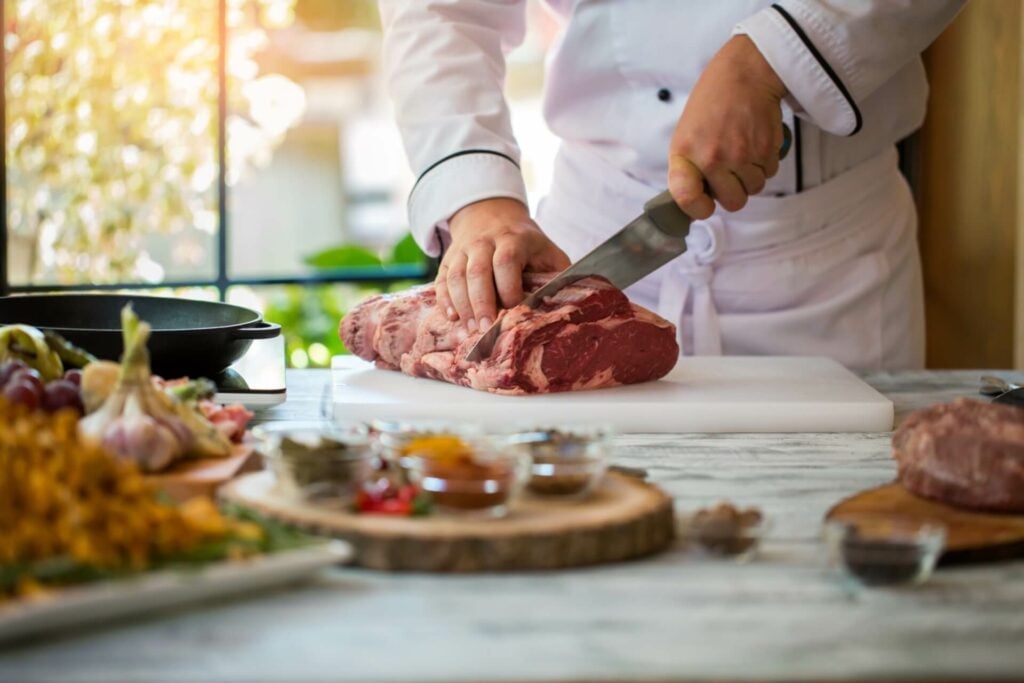
Cleaning a wood cutting board after cutting raw meat is very important. Deep cleaning removes harmful bacteria and keeps your board safe. It also helps stop smells and stains from staying on the wood.
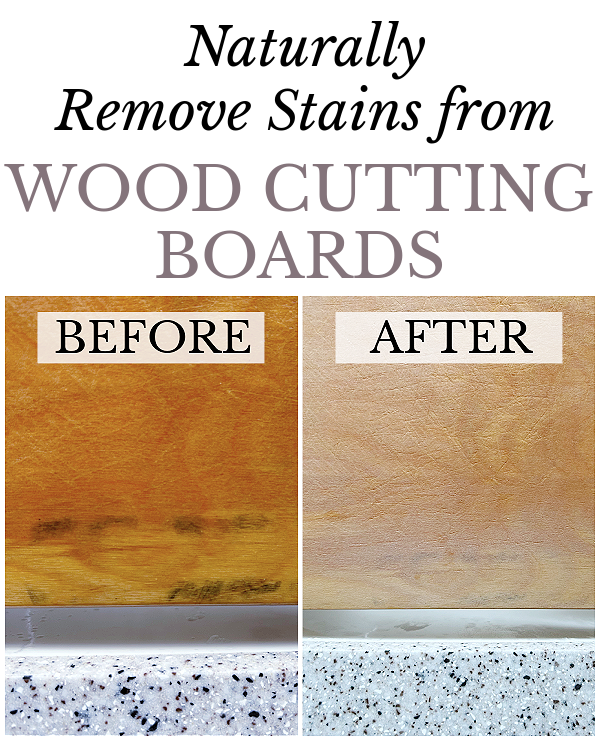
Using natural ingredients like salt, lemon, and baking soda can clean your board well. These items break down germs and clean deep into the wood.
Salt And Lemon Scrub
Salt and lemon work together to clean and freshen your board. Salt scrubs away stuck particles, and lemon kills bacteria with its acid.
To use this scrub, sprinkle coarse salt over the board. Cut a lemon in half and rub it on the salt. Scrub the whole surface with the lemon, squeezing gently to release juice.
- Use coarse salt for better scrubbing power
- Rub the lemon all over the board’s surface
- Let the mixture sit for 5 minutes
- Rinse the board with warm water
- Dry the board completely with a clean towel
Baking Soda Paste
Baking soda is a gentle cleaner that removes stains and odors. Making a paste helps it stay on the board and work well.
Mix baking soda with water to make a thick paste. Spread the paste evenly over the cutting board. Let it sit for 10 minutes to absorb bad smells and clean the surface.
- Use 3 parts baking soda to 1 part water
- Apply the paste with a sponge or cloth
- Scrub gently in circular motions
- Rinse with warm water after 10 minutes
- Dry the board fully before storing
Drying And Maintenance
Cleaning your wood cutting board after raw meat is only part of the care. Drying and maintenance keep it safe and lasting. Proper drying stops bacteria growth and warping.
Regular maintenance, like oiling, protects the wood from cracking. This guide explains best drying and oiling methods for your board.
Proper Drying Practices
After washing, dry your wood cutting board thoroughly. Leaving it wet can cause damage and bacteria buildup. Follow these tips for proper drying:
- Pat the board dry with a clean towel immediately after washing.
- Stand the board upright or on its edge to air dry fully.
- Keep it in a well-ventilated area away from direct sunlight.
- Avoid placing the board flat on a surface while drying.
- Never use a dishwasher, as heat and water harm the wood.
Regular Oiling Tips
Oiling your cutting board keeps it strong and water-resistant. Use food-safe mineral oil or cutting board oil. Apply oil at least once a month or when the wood looks dry.
| Oiling Step | Description |
| Clean Board | Wash and dry the board before oiling. |
| Apply Oil | Pour a small amount of oil on the board’s surface. |
| Spread Evenly | Use a cloth to rub oil in all directions. |
| Let Soak | Allow oil to soak for a few hours or overnight. |
| Remove Excess | Wipe off any extra oil with a clean cloth. |
Avoiding Damage To Wood Boards
Cleaning a wood cutting board after using raw meat is important. You must keep the board safe and strong. Wood can get damaged if you use wrong cleaning ways.
Use gentle methods to clean the board. This helps it last longer and stay useful in your kitchen.
What Not To Use
Do not use harsh chemicals or strong detergents. These can harm the wood and remove its natural oils. Avoid soaking the board in water for a long time. Water can make the wood swell and crack.
- No bleach or ammonia-based cleaners
- Do not use metal scrubbers or rough pads
- Avoid soaking in water for more than a few minutes
- Do not put the board in the dishwasher
Handling Cracks And Warping
Cracks and warping happen if the board dries too fast or stays wet too long. Fix small cracks by sanding the area lightly. Apply food-safe oil to keep the wood hydrated.
Prevent warping by drying the board upright after washing. Keep it away from heat sources like stoves or sunlight. Regular oiling helps keep the wood strong and smooth.
- Sand cracks gently with fine sandpaper
- Use mineral or beeswax oil to treat the wood
- Dry boards standing up for good air flow
- Store boards away from heat and sunlight
Frequently Asked Questions
How Do You Sanitize A Wood Cutting Board?
To sanitize a wood cutting board, wash it with hot, soapy water first. Then, apply a mixture of vinegar and water. Let it sit for a few minutes. Finally, rinse with water and dry it thoroughly with a clean towel.
This ensures the board is safe for future use.
Can Raw Meat Contaminate Wood Cutting Boards?
Yes, raw meat can contaminate wood cutting boards with bacteria. It’s essential to clean and sanitize the board immediately after use. This helps prevent bacteria like Salmonella or E. coli from spreading. Proper cleaning maintains hygiene and ensures the board is safe for future food preparation.
What’s The Best Cleaning Agent For Wood Boards?
White vinegar is an excellent cleaning agent for wood cutting boards. It naturally disinfects and eliminates odors. You can also use lemon juice for an added antibacterial effect. Always ensure the board is thoroughly rinsed and dried after using these agents to maintain its condition.
How Often Should You Clean Wood Cutting Boards?
Clean your wood cutting boards immediately after each use, especially after cutting raw meat. Regular cleaning prevents bacteria buildup and maintains hygiene. For deep cleaning, use vinegar or lemon once a week. Always dry the board thoroughly to prevent warping or cracking over time.
Conclusion
Cleaning your wood cutting board after raw meat keeps your kitchen safe. Use hot water and soap right away. Scrub well to remove all meat juices. Rinse and dry the board completely. A little vinegar or lemon helps kill germs.
Regular cleaning stops bacteria from spreading. Your board stays fresh and ready for next use. Simple steps make a big difference in food safety. Keep these habits to protect your family’s health. Clean boards mean safer meals every time.