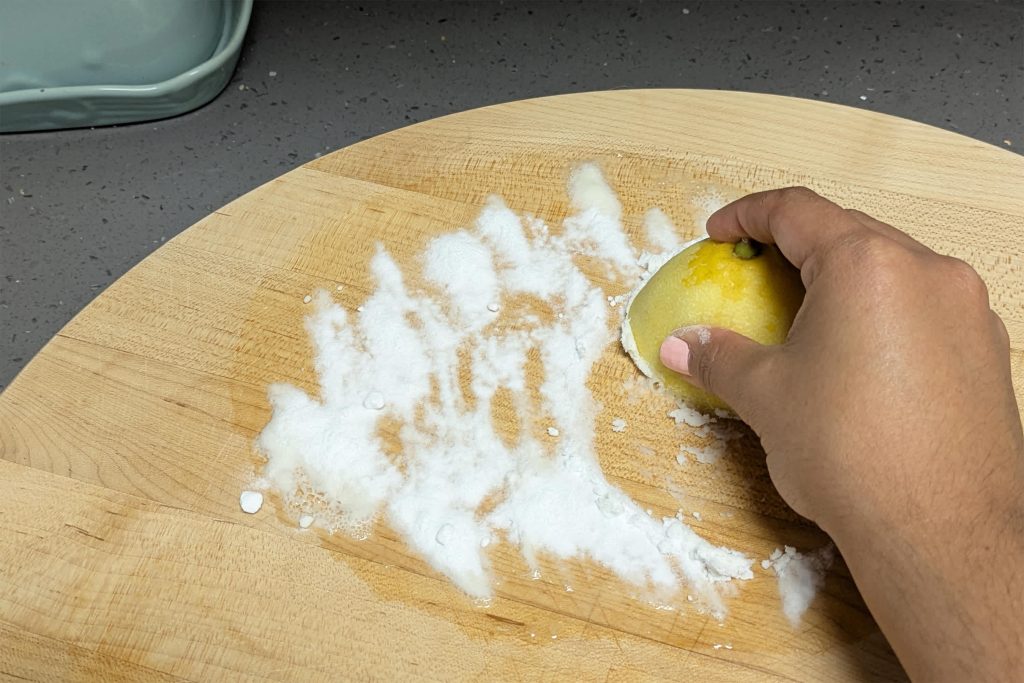
Your wooden cutting board is a kitchen essential, but keeping it clean can be tricky. If you want a simple, natural way to refresh your board without harsh chemicals, lemon might be your best friend.
Imagine removing stains, odors, and bacteria with just a squeeze of lemon juice. Curious how this easy trick works and how you can do it yourself? Keep reading to discover the step-by-step method that will make your wooden cutting board look and smell like new.
Benefits Of Using Lemon
Lemon is a natural and simple way to clean wooden cutting boards. It helps keep the board fresh and safe to use. Using lemon also avoids harsh chemicals.
This guide explains the benefits of lemon for cleaning wooden surfaces. It covers antibacterial effects, freshness, and eco-friendly cleaning.
Natural Antibacterial Properties
Lemon juice contains citric acid that kills many types of bacteria on cutting boards. This helps reduce germs and food contamination.
- Kills common bacteria like E. coli and Salmonella
- Prevents mold and mildew growth
- Works as a natural disinfectant without chemicals
Freshening Wooden Surfaces
Lemon removes stains and bad odors from wood. It leaves the cutting board smelling clean and fresh after use.
| Problem | How Lemon Helps |
| Food stains | Breaks down and lifts stains |
| Strong odors | Neutralizes and removes smells |
| Sticky residue | Softens and cleans residue |
Safe And Eco-friendly Cleaning
Lemon is safe for your family and the environment. It does not add chemicals to your kitchen or water supply.
- Non-toxic and food-safe
- Biodegradable and natural
- Reduces plastic waste from cleaners
- Cost-effective and easy to find

Credit: www.southernliving.com
Preparing The Cutting Board
Cleaning a wooden cutting board with lemon starts with good preparation. This helps remove dirt and food bits first.
A clean surface lets the lemon work better to freshen and sanitize the board.
Removing Food Residue
Begin by scraping off leftover food with a plastic scraper or a spatula. Avoid using metal tools that can damage the wood.
Next, rinse the board under warm water to wash away small particles. Do not soak the board in water, as this can cause warping.
- Use a plastic scraper to remove stuck food
- Rinse with warm running water
- Do not soak the board in water
Drying The Surface
After rinsing, dry the cutting board with a clean towel. Removing moisture prevents wood damage and mold growth.
Stand the board upright or place it in a well-ventilated area to air dry fully before using lemon for cleaning.
Cleaning Steps With Lemon
Cleaning a wooden cutting board with lemon is a natural and easy way to remove stains and odors. Lemon’s acidity helps kill bacteria and freshen the surface.
This guide shows how to use lemon to clean your wooden cutting board safely and effectively.
Cutting And Applying Lemon
Start by cutting a fresh lemon in half. You will use the lemon halves to scrub the board directly.
- Cut the lemon so the juice is easy to access.
- Rub the lemon half firmly on the cutting board surface.
- Make sure to cover all areas, especially stains and spots.
- Use the lemon juice to soak in and break down grime.
Scrubbing Techniques
After applying lemon, use a gentle scrubbing method to clean the board without damage.
Here is a simple scrubbing method:
| Tool | Action |
|---|---|
| Lemon half | Rub in circular motions on the board |
| Coarse salt | Sprinkle on the board for extra scrubbing power |
| Soft brush or sponge | Use to scrub stubborn spots gently |
Rinsing And Drying
Rinse the cutting board well with warm water to remove lemon juice and salt. Avoid soaking the wood for long.
- Rinse the board under running water.
- Wipe off excess water with a clean towel.
- Let the board air dry standing up to prevent warping.
- Do not put the wooden board in the dishwasher.
Additional Tips For Maintenance
Cleaning your wooden cutting board with lemon is a great start. To keep it in good shape, you need extra care steps. These tips help your board last longer and stay safe for food.
Follow these simple ideas to keep your wooden board clean and well-maintained. They prevent damage and keep your board looking fresh.
Using Salt For Extra Scrubbing
Salt works well with lemon to scrub your board deeply. The salt adds roughness to remove stuck food and stains.
Sprinkle coarse salt on the board. Rub with half a lemon in circles. This scrubs the surface and cleans germs better.
- Use coarse salt for best scrubbing power
- Rub with lemon to clean and freshen smell
- Rinse with warm water after scrubbing
- Dry board completely before storing
Oiling The Board
Oiling keeps wood from drying out and cracking. It also helps prevent stains and odors from soaking in.
Use food-safe mineral oil or special cutting board oil. Apply a thin layer with a clean cloth. Let it soak overnight if possible.
- Apply oil once a month for regular use
- Wipe off extra oil to avoid sticky surface
- Use only food-safe oils, not cooking oils
- Oil helps keep the board smooth and strong
Avoiding Excess Moisture
Too much water can damage wooden boards. It makes the wood swell and crack over time.
Wash your board quickly with water and lemon. Do not soak it or leave it wet. Dry it well after cleaning.
- Never put wooden boards in the dishwasher
- Do not soak the board in water
- Dry board with a towel right after washing
- Store board upright to air dry completely
Common Mistakes To Avoid
Cleaning a wooden cutting board with lemon is simple and effective. Many people make errors that damage their board or reduce its lifespan. Avoid these common mistakes to keep your board safe and clean.
Learn what to avoid when cleaning your wooden cutting board with lemon. These tips help you keep your board clean without causing harm.
Using Harsh Chemicals
Some people use strong soaps or bleach to clean wooden boards. These chemicals can dry out the wood and cause cracks. They may also leave harmful residues that affect food safety.
- Do not use bleach or ammonia-based cleaners.
- Avoid harsh detergents with strong fragrances.
- Stick to natural cleaners like lemon and salt.
Soaking The Board
Soaking a wooden cutting board in water or lemon juice for a long time causes damage. Wood absorbs water and swells, which can lead to warping and splitting.
| Wrong Practice | Effect on Board |
|---|---|
| Soaking for hours | Wood swells and cracks |
| Leaving wet after cleaning | Encourages mold growth |
| Using lemon juice without drying | Acid can dull the wood finish |
Neglecting Regular Cleaning
Many skip cleaning their boards often or forget to use lemon. This allows bacteria and stains to build up. Regular cleaning keeps the board safe and fresh.
- Clean your board after every use.
- Use lemon and salt to scrub away stains.
- Dry the board well to prevent moisture damage.

Credit: homewithgraceandjoy.com

Credit: www.aol.com
Frequently Asked Questions
How Does Lemon Clean A Wooden Cutting Board?
Lemon acts as a natural disinfectant and deodorizer. Its acidity breaks down stains and kills bacteria. Rubbing lemon on the board removes odors and lightens stains. It’s a safe, eco-friendly cleaning method without harsh chemicals.
Can Lemon Remove Stains From Wooden Cutting Boards?
Yes, lemon effectively removes stains by breaking down discoloration. Apply lemon juice, let it sit for a few minutes, then scrub gently. This natural method brightens the wood and refreshes its appearance without damage.
How Often Should I Clean My Wooden Cutting Board With Lemon?
Clean your wooden cutting board with lemon once a week or after cutting strong-smelling foods. Regular lemon cleaning prevents odor buildup and keeps the board hygienic. Avoid over-saturating the wood to maintain its condition.
Is Lemon Safe For All Wooden Cutting Boards?
Lemon is safe for most wooden cutting boards but should be used sparingly. Excessive lemon juice can dry out the wood. Always rinse and dry the board thoroughly after cleaning to prevent warping or cracking.
Conclusion
Cleaning your wooden cutting board with lemon is simple and natural. The lemon’s acid helps remove stains and odors easily. Just rub, rinse, and dry your board well. This method keeps your cutting board fresh and safe for food. Regular cleaning prevents bacteria build-up and extends the board’s life.
Try this easy, eco-friendly way for a cleaner kitchen tool. Your wooden board will stay bright and healthy with little effort. Give it a try and enjoy a cleaner cutting experience every time.