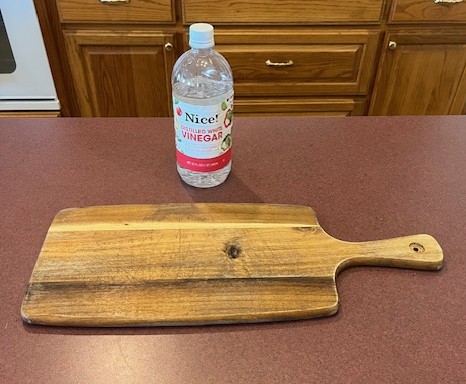
Your wooden cutting board is a kitchen essential, but keeping it clean and fresh can be tricky. If you’re wondering how to remove stains, odors, and bacteria without harsh chemicals, vinegar might be your secret weapon.
You’ll discover simple, effective steps to clean your wooden cutting board using vinegar. By the end, you’ll feel confident that your board is not only spotless but also safe for your next meal prep. Ready to bring your cutting board back to life?
Let’s get started!
Benefits Of Vinegar For Cleaning
Vinegar is a popular natural cleaner for wooden cutting boards. It helps keep boards fresh and safe for food use.
Using vinegar is simple and effective. It cleans without harsh chemicals that can damage wood or affect food taste.
Natural Antibacterial Properties
Vinegar contains acetic acid, which kills many types of bacteria. This makes it a good choice to clean cutting boards.
- Reduces germs and harmful bacteria
- Helps prevent cross-contamination
- Works without bleach or strong chemicals
Eco-friendly And Safe
Vinegar is made from natural ingredients. It is safe for people and the environment.
| Feature | Description |
|---|---|
| Biodegradable | Breaks down naturally without harming soil or water |
| Non-toxic | Safe around children and pets |
| No harsh fumes | Does not irritate eyes or lungs |
Cost-effective Solution
Vinegar is inexpensive and easy to find. It offers good cleaning power without high cost.
- Affordable price compared to chemical cleaners
- Long shelf life
- Multi-purpose use beyond cutting boards

Credit: homewithgraceandjoy.com
Preparing Your Cutting Board
Cleaning a wooden cutting board with vinegar starts with good preparation. It helps remove germs and keeps the board safe to use.
First, you need to get the board ready by removing bits of food and drying the surface well. This makes the vinegar work better.
Remove Food Debris
Clear away any leftover food from the cutting board. Use a bench scraper or a spatula to lift bits off the surface.
Rinse the board with warm water to wash away small particles. Avoid soaking the board to protect the wood.
- Scrape large food pieces gently
- Rinse with warm water only
- Do not soak the board in water
Dry The Surface
Dry your cutting board before applying vinegar. Use a clean towel or cloth to remove water.
Make sure the board is not wet. This helps vinegar stay on the wood and clean better.
- Use a clean, dry cloth
- Wipe all sides of the board
- Let the board air dry if needed
Cleaning Steps Using Vinegar
Vinegar is a natural cleaner that helps remove stains and odors from wooden cutting boards. It kills bacteria without harsh chemicals.
Follow these simple steps to clean your wooden cutting board safely using vinegar.
Dilute Vinegar Solution
Start by mixing vinegar with water to make a gentle cleaning solution. This stops the vinegar from damaging the wood.
Use one part white vinegar to four parts water for the best mix.
- 1 cup white vinegar
- 4 cups water
Apply Vinegar To The Board
Pour or spray the diluted vinegar solution evenly over the wooden cutting board. Make sure the entire surface is covered.
Let it sit for about 5 minutes to allow the vinegar to work on germs and stains.
Scrub With A Brush Or Sponge
Use a soft brush or sponge to scrub the board gently. This helps remove stuck-on food and dirt.
Scrub in the direction of the wood grain to avoid damage.
- Soft brush or sponge
- Gentle scrubbing motion
- Follow wood grain lines
Rinse And Dry Thoroughly
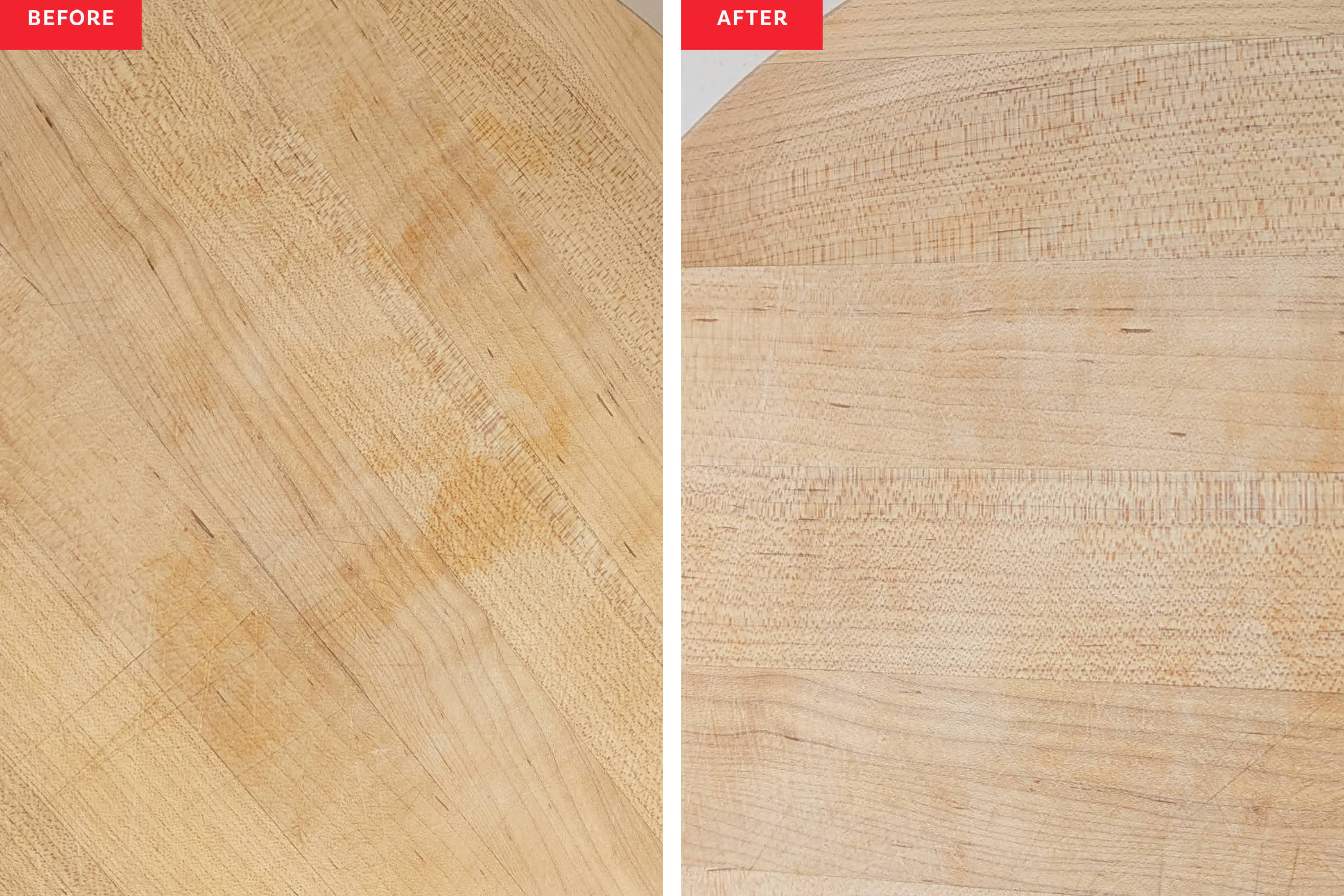
Rinse the board well with warm water to remove all vinegar and loosened dirt. Avoid soaking the wood.
Dry the board completely with a clean towel. Stand it upright to air dry fully before storing.
Credit: www.thekitchn.com
Additional Natural Cleaning Tips
Cleaning wooden cutting boards with vinegar works well. There are other natural ways to keep them fresh. These methods help remove smells and stains. They also protect the wood.
Try these simple tips to keep your cutting board clean and healthy without harsh chemicals.
Using Lemon For Extra Freshness
Lemon juice is a natural cleaner and deodorizer. Rub half a lemon over the board. Let it sit for a few minutes, then rinse with warm water. This removes odors and adds a fresh scent.
Salt Scrub For Stains And Odors
Salt helps scrub off tough stains and bad smells. Sprinkle coarse salt on the board, then rub with a lemon half. The salt scrubs, and the lemon cleans and freshens the wood.
- Sprinkle coarse salt over the cutting board.
- Use half a lemon to scrub the salt into the wood.
- Let it sit for five minutes.
- Rinse with warm water and dry well.
Olive Oil For Conditioning
Olive oil keeps wooden boards from drying out and cracking. After cleaning, apply a small amount of olive oil to the board. Rub it in with a cloth and let it soak overnight.
| Benefit | How Olive Oil Helps |
| Moisturizes Wood | Prevents drying and cracking |
| Enhances Appearance | Gives a natural shine |
| Protects Surface | Forms a light barrier against stains |
Maintenance To Prolong Board Life
Wooden cutting boards need care to last long. Cleaning with vinegar helps remove germs and stains safely.
Proper maintenance keeps your board strong and useful for years. Follow simple tips to protect your board.
Regular Cleaning Schedule
Clean your wooden board after each use. Vinegar is a natural cleaner that kills bacteria effectively.
Use white vinegar to wipe the board with a soft cloth. Let it sit for a few minutes, then rinse gently.
- Spray or pour vinegar on the surface
- Wipe with a clean cloth or sponge
- Let vinegar sit for 5 minutes
- Rinse with warm water
- Dry board completely with towel
Avoiding Excess Water Exposure
Too much water can damage wood. It causes warping and cracking over time.
Do not soak your board in water. Avoid using a dishwasher for wooden boards.
- Use a damp cloth for cleaning
- Rinse quickly under running water
- Dry immediately with a towel
- Keep board away from standing water
Proper Storage Practices
Store your wooden board in a dry place. Good air flow stops moisture build-up.
Keep the board standing or flat on a rack. Avoid stacking heavy items on top.
- Place board upright to dry fully
- Store in a cool, dry spot
- Do not stack wet boards
- Use a cutting board rack if possible

Credit: homewithgraceandjoy.com
Frequently Asked Questions
Can Vinegar Damage A Wooden Cutting Board?
No, vinegar won’t damage your wooden cutting board. Vinegar is a natural disinfectant, helping to kill bacteria. Its acidic properties are gentle yet effective for cleaning. However, avoid soaking the board in vinegar. Instead, wipe it using a cloth soaked in vinegar.
This preserves the wood’s integrity.
How Often Should I Clean My Cutting Board?
Clean your cutting board after each use. This practice prevents bacterial buildup, ensuring a hygienic surface. For a deeper clean, use vinegar once a week. Regular cleaning also maintains the board’s appearance and prolongs its lifespan. Consistent care keeps your kitchen safe and your board in good condition.
Can I Use Vinegar On All Wood Types?
Yes, vinegar is safe for most wood types. It’s a versatile cleaner that works on various wooden surfaces. However, always test it on a small area first. This ensures no adverse reactions occur. Vinegar cleans effectively without harming the wood, making it ideal for cutting boards.
How Do I Deodorize A Cutting Board With Vinegar?
To deodorize, wipe the board with a vinegar-soaked cloth. The vinegar neutralizes odors, leaving the board fresh. Rinse with water and dry thoroughly. For stubborn smells, let vinegar sit for a few minutes before rinsing. Regular deodorizing keeps your board smelling pleasant and clean.
Conclusion
Cleaning your wooden cutting board with vinegar keeps it fresh and safe. Vinegar kills germs without harsh chemicals. Use it regularly to stop bad smells and stains. Always dry the board well after cleaning to avoid cracks. This simple step helps your board last longer.
A clean board means healthier meals and less worry. Try this easy vinegar method today and enjoy a cleaner kitchen.