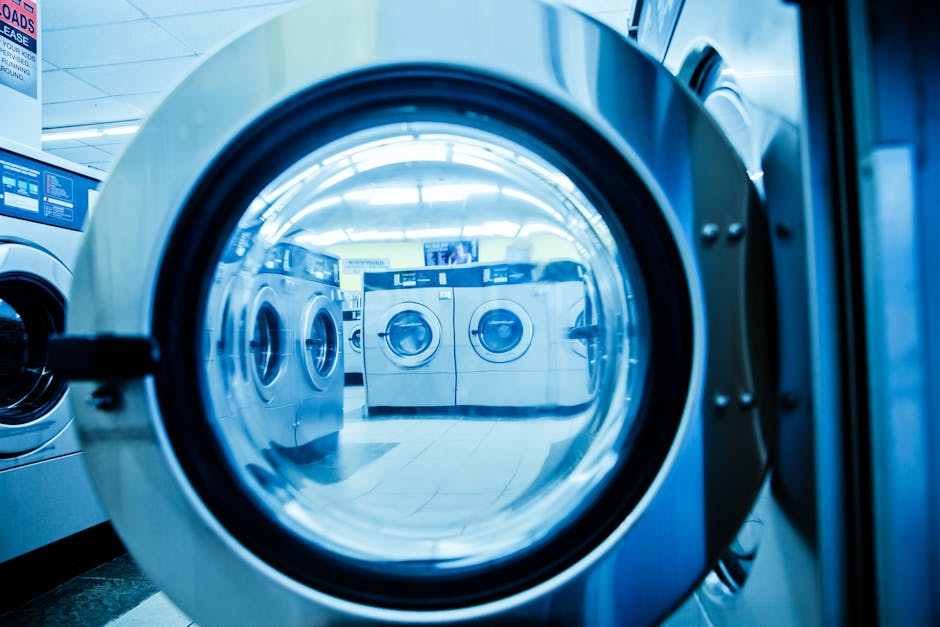
Is your washer leaving your clothes less fresh than before? Or maybe your dryer takes longer to dry than it used to?
The problem might be dirt and buildup inside your machines. Cleaning your washer and dryer is easier than you think, and it can save you time, money, and hassle. You’ll discover simple steps to make your laundry appliances work like new again.
Keep reading—your clothes will thank you!

Credit: ablissfulnest.com
Why Clean Your Washer And Dryer
Cleaning your washer and dryer keeps them working well for longer. Dirt and grime can build up and cause problems.
Regular cleaning helps prevent bad smells and keeps your clothes fresh. It also saves energy and money.
Benefits Of Regular Cleaning
Cleaning your machines often helps them run smoothly. It removes soap scum, lint, and dirt that can slow them down.
Regular cleaning also stops mold and mildew from growing inside your washer. This keeps your laundry smelling clean.
- Improves washing and drying performance
- Reduces bad odors
- Extends the life of your machines
- Prevents energy waste
- Keeps clothes cleaner and fresher
Common Problems From Neglect
Not cleaning your washer and dryer can cause many problems. Dirt and lint can block parts and make machines work harder.
Ignoring cleaning also leads to bad smells, mold growth, and even machine damage. This can mean costly repairs or replacements.
- Clogged drains and filters
- Foul odors in washer and clothes
- Mold and mildew build-up
- Longer drying and washing times
- Higher energy bills
- Damage to washer and dryer parts

Credit: www.selecthomewarranty.com
Tools And Supplies Needed
Cleaning your washer and dryer helps them work better and last longer. You need the right tools and supplies for a good clean.
This guide covers the cleaning agents and essential tools you should have ready. These items make the job easier and safer.
Cleaning Agents
Cleaning agents help remove dirt, soap scum, and odors from your washer and dryer. Choose safe and effective products for your machines.
Common cleaning agents include natural and chemical options. Use the right agent for the best results without damage.
- White vinegar: Removes odors and breaks down buildup
- Baking soda: Cleans and deodorizes gently
- Liquid dish soap: Cuts grease and grime
- Commercial washing machine cleaner: Designed for deep cleaning
- All-purpose cleaner: Good for dryer surfaces
Essential Tools
Having the right tools makes cleaning faster and more thorough. Use tools that reach tight spaces and protect your hands.
Some tools are basic household items. Others help with tough spots and lint buildup.
- Soft cloths or microfiber towels for wiping surfaces
- Old toothbrush or small brush for scrubbing
- Sponge with a non-scratch side for gentle cleaning
- Vacuum cleaner with hose to remove lint and dust
- Bucket for mixing cleaning solutions
- Rubber gloves to protect your skin
Cleaning Your Washer
Cleaning your washer helps it work better and last longer. Dirt and soap build-up can cause bad smells and poor washing results.
Regular cleaning removes grime, mold, and mildew. Use the right steps for your washer type to keep it fresh and clean.
Front-load Washer Steps
Front-load washers need special care because water stays in the door seal. Clean the rubber gasket and detergent drawer often.
- Wipe the rubber seal with a cloth soaked in a mix of water and vinegar.
- Remove and clean the detergent drawer with warm water.
- Run a cleaning cycle with washing machine cleaner or vinegar and baking soda.
- Leave the door open after use to let the washer dry.
Top-load Washer Steps
Top-load washers need cleaning inside the drum and around the agitator. Soap and dirt can hide there.
- Fill the washer with hot water on the largest load setting.
- Add two cups of white vinegar to the water and let it sit for an hour.
- Run the washer through a full cycle to rinse.
- Sprinkle a cup of baking soda inside the drum and run another hot water cycle.
- Wipe the lid and outside surfaces with a damp cloth.
Removing Mold And Mildew
Mold and mildew cause bad smells and stains. Clean these areas often to stop growth.
| Area | Cleaning Method |
|---|---|
| Rubber Door Seal (Front-Load) | Use a cloth with vinegar or bleach solution. Dry well. |
| Detergent Drawer | Remove and soak in hot soapy water. Scrub and dry. |
| Drum Interior | Run a hot cycle with bleach or washer cleaner. |
| Washer Exterior | Wipe with mild detergent and water. |

Credit: www.youtube.com
Cleaning Your Dryer
Cleaning your dryer keeps it working well and safe. Dust and lint build up can cause problems.
Regular cleaning saves energy and stops fires. Focus on the lint trap, drum, and vent.
Lint Trap Maintenance
Lint traps catch dust and fibers during drying. Clean the lint trap after every use to keep air flowing.
- Remove the lint screen
- Pull off the lint by hand
- Use a soft brush to clean the screen
- Wash the screen with soap and water once a month
- Let the screen dry completely before putting it back
Cleaning The Dryer Drum
The drum holds your clothes while drying. Dirt and residue can build up inside.
Wipe the drum with a damp cloth and mild soap. Avoid harsh cleaners that can damage the surface.
Clearing The Vent And Duct
The vent and duct remove hot air and lint. Blocked vents can cause slow drying and fire risks.
| Tool | Purpose | Tip |
| Vacuum Cleaner | Remove lint inside vent | Use narrow nozzle |
| Dryer Vent Brush | Clean duct walls | Brush gently to avoid damage |
| Screwdriver | Detach vent covers | Keep screws safe |
Disconnect the dryer from power before cleaning the vent and duct. Clean the vent outside to clear lint.
Tips For Maintaining Clean Appliances
Keeping your washer and dryer clean helps them work better. Dirt and lint can cause problems if not cleaned regularly.
Simple cleaning habits extend the life of your appliances. This guide shows easy tips to keep them fresh.
Routine Cleaning Schedule
Set a regular time to clean your washer and dryer. This stops dirt and grime from building up.
Cleaning often helps avoid big problems and keeps clothes smelling fresh.
- Clean the washer drum and seals every month
- Remove lint from the dryer filter after each use
- Check and clean the dryer vent every three months
- Run an empty hot wash with vinegar to clear detergent residue
Preventing Odors And Buildup
Odors come from leftover water and dirt inside the machines. Wiping and drying parts stops smells.
Keep the door open after use to let air circulate. This helps avoid mold and mildew growth.
- Use a damp cloth to clean seals and dispensers
- Remove wet clothes quickly to prevent mold
- Use baking soda or vinegar to freshen the washer
- Clean the dryer vent to prevent lint buildup and fire risk
Frequently Asked Questions
How Often Should I Clean My Washer And Dryer?
Clean your washer and dryer every 1 to 3 months to maintain efficiency. Regular cleaning prevents mold, odors, and lint buildup that can affect performance.
What Is The Best Way To Clean A Washing Machine?
Use a mixture of white vinegar and baking soda. Run a hot water cycle with these to remove dirt and odors effectively.
How Do I Clean The Dryer Lint Trap Properly?
Remove the lint screen after every use. Clean lint with your fingers or a brush to prevent fire hazards and improve drying efficiency.
Can I Use Bleach To Clean My Washer?
Yes, but use bleach sparingly. Add 1 cup of bleach during a hot water cycle to disinfect and remove mold safely.
Conclusion
Cleaning your washer and dryer keeps them working well. Dirt and lint can cause problems over time. Regular cleaning saves money on repairs. It also helps your clothes smell fresh and look clean. Set a schedule to clean them often.
Small steps make a big difference. Your laundry will stay safe and fresh. Keep your machines happy with simple care. Easy cleaning habits protect your home too. Take a few minutes each month. You will see better results every time.