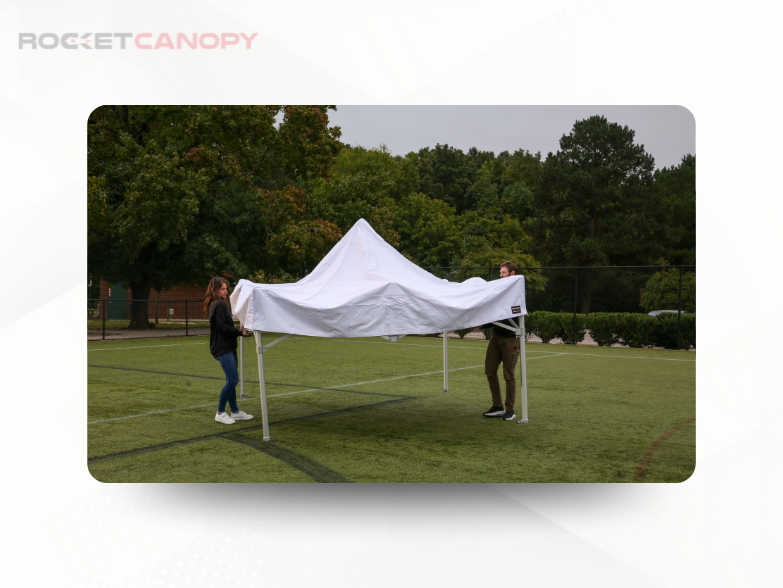
Have you ever found yourself puzzled over how to properly collapse your canopy tent after a fun day outdoors? You’re not alone.
Many people struggle with this task, which can sometimes feel like a complicated puzzle. But don’t worry—mastering the art of collapsing a canopy tent is easier than you think! In this guide, you will discover simple, step-by-step instructions that will help you pack up your tent quickly and efficiently, saving you time and frustration.
Imagine enjoying your outdoor activities without the hassle of wrestling with your tent afterward. By the end of this article, you will feel empowered to handle your canopy tent with ease, making your outdoor experiences even more enjoyable. Keep reading to transform your tent-collapsing skills and turn this daunting task into a breeze!
Prepare The Tent
Before collapsing a canopy tent, you need to get it ready. Taking time to prepare helps avoid damage.
Preparing the tent makes the folding process easier and safer for you and the tent.
Clear The Area
Make sure the space around the tent is free of obstacles. This helps you move the tent without trouble.
Remove any furniture, decorations, or debris near the tent. A clear area keeps the tent fabric clean and intact.
- Move tables and chairs away from the tent
- Pick up any trash or small objects
- Check for low branches or wires nearby
Remove Accessories
Take off all accessories attached to the tent. This includes lights, banners, and weights.
Removing these items prevents damage and makes folding the tent frame easier.
- Unhook lights and electrical cords
- Take down banners and signs
- Lift off any weights or anchors

Credit: www.amazon.ca
Release The Canopy
Collapsing a canopy tent starts with releasing the canopy fabric from the frame. This step prepares the tent for folding and storage.
Take your time to avoid damaging the fabric or the frame. Follow simple actions to safely release the canopy.
Unfasten The Clips
Look for clips that hold the canopy fabric to the frame. These clips keep the fabric tight and secure during use.
Gently unfasten each clip. Do not pull hard to avoid breaking them. Set the clips aside for the next setup.
- Check all four corners first
- Unclip sides evenly to avoid fabric stress
- Handle clips carefully to prevent damage
Detach The Fabric
After unfastening the clips, carefully lift the fabric off the frame. The fabric should come off smoothly without resistance.
Fold the fabric neatly to keep it clean and prevent wrinkles. Store it in a dry place to avoid mold or damage.
- Lift fabric from the highest point
- Fold fabric in half, then in thirds for storage
- Keep fabric away from sharp objects
Fold The Frame
Folding the frame is a key part of collapsing a canopy tent. It makes the tent smaller and easier to carry. Follow simple steps to fold the frame safely.
Be careful with the parts to avoid damage. A folded frame fits well in storage or transport.
Unlock The Hinges
Check all hinges on the frame. These hinges lock the tent in place. You must unlock them to fold the frame.
Usually, hinges have pins or clips. Remove or release these parts gently to unlock the frame.
- Look for hinge pins or clips on each joint
- Push or pull to release the locking mechanism
- Do not force the hinges to avoid damage
- Make sure all hinges are unlocked before folding
Bring Legs Together
After unlocking hinges, move the legs closer. This action folds the frame inward. Bring all legs together carefully.
Keep the legs aligned to prevent bending. Folding the legs together reduces the size of the tent.
- Hold two opposite legs firmly
- Push legs towards the center slowly
- Fold the remaining legs to meet in the middle
- Check that the frame is compact and secure

Credit: www.amazon.ca
Compress The Frame
Collapsing a canopy tent requires compressing its frame carefully. This helps make the tent smaller and easier to carry.
Focus on pushing the frame inward and securing it tightly. These steps keep the frame stable during transport.
Push Frame Inward
Start by pushing the frame legs inward toward the center. Use both hands to press evenly on opposite sides.
- Stand at one corner of the tent.
- Grip the frame firmly near the top joints.
- Push the legs toward each other slowly.
- Repeat this on all sides until the frame folds.
Secure With Straps
After compressing the frame, use straps to hold it in place. This stops the frame from opening accidentally.
| Strap Type | Use | Tip |
| Velcro Strap | Wrap around frame joints | Wrap tightly for best hold |
| Buckle Strap | Buckle around compressed frame | Adjust buckle for snug fit |
| Elastic Strap | Stretch over frame sections | Check for wear before use |
Pack The Tent
Packing your canopy tent properly helps keep it safe and lasts longer. You will need to fold the fabric and place the tent in its bag carefully.
Follow these simple steps to pack your canopy tent quickly and neatly.
Fold The Canopy Fabric
First, make sure the canopy fabric is clean and dry to avoid damage. Lay it flat on a clean surface.
Fold the fabric carefully, matching the original creases if possible. Keep the folds tight and even.
- Remove any dirt or debris before folding
- Fold along the seams to keep it neat
- Smooth out wrinkles to save space
Place In Carry Bag
Once the fabric is folded, place it gently inside the carry bag. Avoid forcing it in to prevent tears.
Make sure to pack the frame and accessories in the bag too. Secure the bag so nothing falls out during transport.
- Place folded fabric flat in the bag
- Add frame parts and accessories carefully
- Close zippers or straps tightly

Credit: www.ebay.com
Tips For Easy Setup Next Time
Collapsing your canopy tent properly helps it last longer. Taking a few minutes to prepare it before storage makes setup easier next time.
Follow these simple tips to keep your tent in good shape and ready for your next use.
Clean Before Storage
Cleaning your canopy tent removes dirt and debris that can cause damage. Use mild soap and water to wipe down the fabric and frame.
- Brush off leaves, dust, and loose dirt before folding.
- Spot clean any stains with a soft cloth.
- Rinse the tent with clean water to remove soap residue.
- Allow the tent to dry completely before folding.
Store In Dry Place
Storing your tent in a dry place prevents mold and mildew. Moisture can damage fabric and metal parts over time.
| Storage Tip | Reason |
|---|---|
| Keep tent off the ground | Prevents moisture absorption |
| Use a breathable storage bag | Allows air circulation |
| Avoid plastic bags | Traps moisture and causes mold |
| Store in a cool, dry area | Protects fabric and frame |
Frequently Asked Questions
How Do You Safely Collapse A Canopy Tent?
To safely collapse a canopy tent, start by removing all accessories. Then, unlock the frame joints gently. Slowly fold the tent roof and frame inward. Avoid forcing any parts to prevent damage. Finally, secure the tent with straps or carry bags for easy transport.
What Is The Best Way To Fold A Canopy Tent?
The best way to fold a canopy tent is to align the frame evenly. Fold the roof fabric neatly without wrinkles. Collapse the legs inward step-by-step. Keep the tent compact to save space. Use the carry bag for protection and storage.
How Long Does It Take To Collapse A Canopy Tent?
Collapsing a canopy tent typically takes 5 to 10 minutes. Experience and team help can speed up the process. Taking time ensures no damage occurs. Practicing beforehand makes it easier and quicker during events or emergencies.
Can One Person Collapse A Canopy Tent Alone?
Yes, one person can collapse a canopy tent alone, but it requires care. Ensure the tent is clear of obstacles. Work slowly to avoid pinching fingers. Having a compact and lightweight tent helps. Assistance is recommended for larger tents to avoid strain.
Conclusion
Collapsing a canopy tent is easier with practice and patience. Follow the steps carefully to avoid damage. Keep the tent clean and dry before folding. Store it in a cool, dry place to last longer. Take your time and work with a friend if possible.
Soon, folding the tent will feel natural and quick. Enjoy your outdoor events without stress. Simple care makes your canopy tent ready for next use.