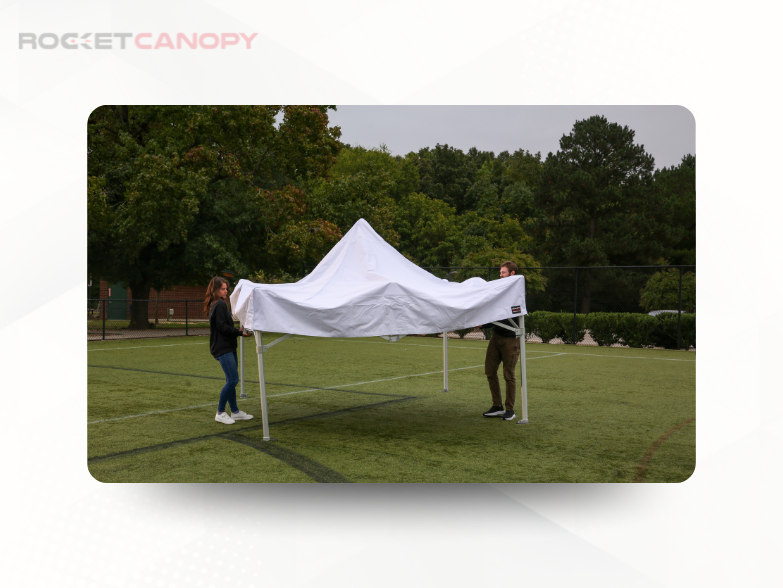
Have you ever struggled to fold up your canopy tent after a fun day outdoors? Knowing how to collapse a canopy tent quickly and correctly can save you time, effort, and frustration.
Whether you’re packing up after a party, a camping trip, or a market stall, mastering this simple skill will make your life easier. In this guide, you’ll discover step-by-step tips that anyone can follow to fold your canopy tent neatly and safely.
Keep reading, and you’ll never dread taking down your tent again!
Choosing The Right Location
Picking the right spot for your canopy tent helps keep it safe and stable. A good location makes it easier to collapse and store the tent later.
Consider the ground, weather, and space around you before setting up your tent. These factors affect how well your tent will stand and how simple it is to fold it up.
Check The Ground Surface
Look for flat and firm ground. Avoid soft, wet, or uneven surfaces. Hard ground gives better support and stops the tent from sinking.
Avoid Windy Spots
Choose a place protected from strong winds. Trees, buildings, or walls can block the wind. This keeps the tent stable and safe while you collapse it.
Leave Enough Space Around
Make sure there is room to move freely around the tent. Clear space helps you fold the tent without hitting objects or people nearby.
- Clear debris like rocks or sticks
- Keep distance from power lines or sharp objects
- Allow space to lay the tent flat when folding
Consider Sun And Shade
| Location Factor | Why It Matters |
|---|---|
| Direct Sun | Can heat the tent fabric and make it harder to collapse |
| Shady Area | Keeps the tent cooler and comfortable to handle |
| Evening Shade | Better for folding as the fabric is less stiff |
Preparation Before Breakdown
Before you collapse a canopy tent, it is important to prepare the area and the tent itself. This helps make the process easier and safer. Taking time to get ready prevents damage to the tent and injury to yourself.
Focus on clearing the space and removing all accessories. These steps ensure you have enough room and avoid losing small parts during the breakdown.
Clear The Area
Make sure the area around the tent is free of objects and debris. This gives you space to fold and pack the tent without obstacles. Check for rocks, sticks, or trash that might tear the fabric or get in the way.
- Remove chairs, tables, and personal items from under the canopy.
- Clear away any loose branches or trash nearby.
- Check the ground for uneven spots or sharp objects.
- Keep children and pets away while you work.
Remove Accessories
Take off all accessories attached to the tent. This includes sidewalls, weights, lights, and any hanging items. Removing these parts prevents damage and makes folding the tent frame easier.
| Accessory | Reason to Remove |
| Sidewalls | Prevent tearing and folding issues |
| Weights and Stakes | Make tent lighter to carry |
| Lights and Decorations | Avoid damage and tangling |
| Storage Bags | Clear space for packing tent |
Releasing The Canopy
Collapsing a canopy tent starts with safely releasing the canopy fabric and its anchors. This process helps prevent damage and makes folding easier.
Follow these simple steps to detach the anchors and unfasten the fabric before folding your tent.
Detach The Anchors
First, remove all anchors that hold the canopy to the ground. These could be stakes, weights, or ropes.
- Walk around the tent and find all the anchors.
- Pull out ground stakes carefully to avoid bending.
- Untie or release any ropes or cords securing the tent.
- Remove weights from the tent legs if used.
Unfasten The Canopy Fabric
Next, detach the fabric from the frame. This step frees the canopy for folding.
| Fastener Type | Action |
|---|---|
| Velcro Straps | Unwrap all Velcro straps holding the fabric to the frame. |
| Snap Buttons | Unsnap each button carefully to avoid tearing. |
| Zippers | Zip open any zippers connecting fabric parts. |
| Bungee Cords | Unhook cords from frame hooks or loops. |
Collapsing The Frame
Collapsing a canopy tent frame takes care and proper steps. Doing it right keeps your tent safe and easy to store.
Focus on how the frame moves and folds. This guide covers unlocking joints and folding the legs.
Unlock The Joints
Start by loosening all the joints on the frame. These joints hold the tent open and must be free to move for folding.
- Locate the locking mechanisms on each joint.
- Push or pull the locks to release tension.
- Test each joint to see if it moves smoothly.
- If a joint is stuck, apply gentle pressure to avoid damage.
Fold The Legs
Once the joints are free, fold the legs inward. Folding legs correctly prevents bending or breaking the frame.
| Leg Position | Action |
| Fully Extended | Push the legs toward the center slowly. |
| Half Folded | Continue folding until the legs meet in the middle. |
| Fully Folded | Lock the legs to keep the frame compact. |
Packing The Tent
Packing your canopy tent properly keeps it safe and easy to carry. Taking time to fold and store it right helps the tent last longer.
Follow these steps to pack your tent carefully after use. Focus on folding the canopy fabric and storing the frame correctly.
Fold The Canopy Fabric
Start by cleaning the fabric if it is dirty or wet. Let it dry completely to avoid mold and mildew.
- Lay the canopy flat on a clean surface.
- Fold the fabric edges towards the center to make a neat rectangle.
- Fold the fabric again in half or thirds depending on its size.
- Keep the folds tight but avoid creasing the material too much.
- Place the folded fabric in a dry bag or cover it to protect from dust.
Store The Frame Properly
After folding the fabric, focus on the metal frame. Proper storage prevents bending and damage.
| Frame Part | Storage Tip | Reason |
| Legs | Fold fully and secure with straps | Keeps legs from moving and bending |
| Joints | Clean and dry before storing | Prevents rust and stiffness |
| Frame Bag | Use a padded bag or wrap in cloth | Protects metal from scratches |

Credit: www.amazon.ca
Safety Tips And Precautions
Collapsing a canopy tent requires care to avoid injuries and damage. Following safety tips helps keep you and others safe during the process.
Read all safety instructions before starting. Prepare your space to work safely and smoothly.
Avoid Pinching Points
Pinching points can cause serious injuries. Be alert to where your fingers and hands are during tent collapse.
- Keep fingers clear of folding joints and hinges.
- Use gloves to protect your hands.
- Work slowly and avoid rushing the collapse.
- Ask for help if the tent is large or heavy.
- Check for any damaged parts before folding.
Check Weather Conditions
Weather affects the safety of collapsing a canopy tent. Wind and rain can create hazards during the process.
| Weather Condition | Safety Advice |
| Strong Wind | Delay collapsing the tent until wind calms down. |
| Rain or Wet Ground | Wear slip-resistant shoes and be careful on slippery surfaces. |
| Extreme Heat | Stay hydrated and take breaks to avoid heat exhaustion. |
| Cold Weather | Wear gloves to protect your hands from cold metal parts. |
Maintenance For Longevity
Taking care of your canopy tent helps it last longer. Regular maintenance keeps it safe and strong.
Cleaning and inspecting your tent prevents damage and keeps it ready to use anytime.
Clean The Fabric
Remove dirt and stains from the tent fabric after each use. Clean fabric stops mold and mildew growth.
Use a soft brush and mild soap with water. Avoid harsh chemicals that can damage the fabric.
- Brush off loose dirt and leaves
- Mix mild soap with water
- Gently scrub fabric with a soft brush
- Rinse thoroughly with clean water
- Let fabric air dry completely before storing
Inspect For Damage
Check your canopy tent for tears, holes, or broken parts. Fix problems early to avoid bigger damage.
Look closely at the fabric, frame, and joints each time you fold the tent. Replace worn or broken pieces.
- Examine fabric for rips or holes
- Check frame joints and locks for cracks
- Test all moving parts for smooth operation
- Replace or repair damaged parts promptly
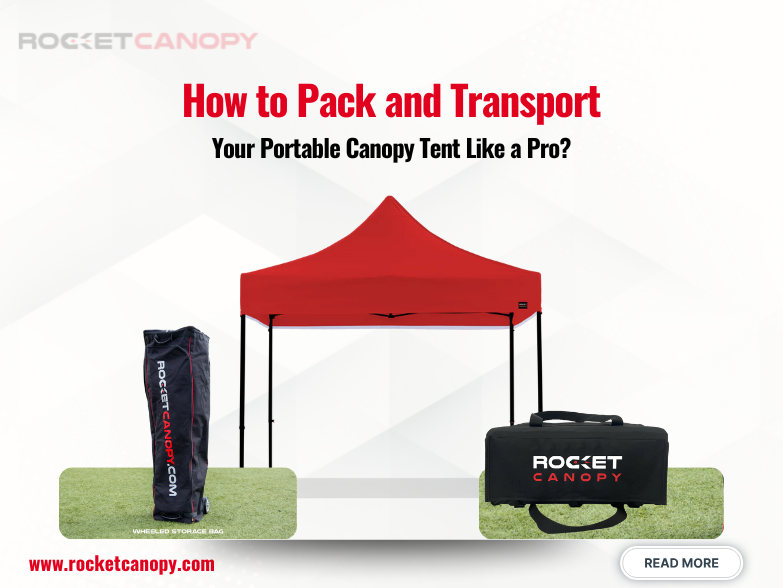
Credit: www.rocketcanopy.com

Credit: www.rocketcanopy.com
Frequently Asked Questions
How Do I Safely Collapse A Canopy Tent?
To safely collapse a canopy tent, first remove all accessories. Then, unlock the frame joints gently. Fold the tent fabric neatly to prevent damage. Store the tent in a dry, clean place to avoid mold and wear.
What Is The Best Technique To Fold Canopy Fabric?
Lay the canopy flat and smooth out wrinkles. Fold the fabric evenly towards the center. Avoid sharp creases to prolong fabric life. Rolling the fabric can reduce fold lines and save space.
How Can I Avoid Damage When Collapsing My Tent?
Handle the frame carefully to prevent bending. Avoid forcing joints or locks. Keep fabric dry before folding to prevent mildew. Use protective bags or covers when storing the tent.
How Long Does It Take To Collapse A Canopy Tent?
Collapsing a canopy tent usually takes 5 to 10 minutes. Experience and teamwork can speed up the process. Practicing setup and takedown can help improve efficiency.
Conclusion
Collapsing a canopy tent is simple with the right steps. Start by removing any items inside the tent. Next, fold the tent frame carefully to avoid damage. Keep the fabric clean and dry before folding it. Store your tent in a safe, dry place.
Regular practice helps you fold it faster each time. Now, you can pack up quickly after any outdoor event. Enjoy stress-free tent takedown every time you use it.