Are you tired of struggling to fit your bulky sleeping bag into your backpack? You’re not alone.
Knowing how to compress a sleeping bag properly can save you space, make your pack lighter, and keep your gear in great shape. In this guide, you’ll discover simple, effective steps to shrink your sleeping bag without damaging it. Whether you’re heading out for a weekend camping trip or a long hike, mastering this skill will make your packing easier and your adventure more enjoyable.
Keep reading to learn how to get the most out of your sleeping bag and carry less weight on your back.
Choosing The Right Sleeping Bag
Picking the right sleeping bag is key for a good night’s rest outdoors. The right choice keeps you warm and comfortable.
Think about how you will use the sleeping bag before buying. The right bag fits your needs and saves space when packed.
Types Of Sleeping Bags
Sleeping bags come in many types. Each type fits different weather and camping styles.
- Mummy bags are snug and warm. They keep heat well in cold weather.
- Rectangular bags offer more room to move. They suit warmer weather or car camping.
- Semi-rectangular bags balance warmth and space. They work in moderate conditions.
Material Considerations
Materials affect warmth, weight, and price. Choose materials that match your camping needs.
| Material | Advantages | Disadvantages |
| Down | Lightweight, compressible, warm | Expensive, loses warmth if wet |
| Synthetic | Water-resistant, affordable, dries fast | Heavier, less compressible |
Size And Shape Impact
The size and shape of a sleeping bag affect comfort and how much space it takes when packed.
- Choose a bag that fits your height and shoulder width.
- Tighter bags pack smaller but feel less roomy.
- Larger bags offer comfort but take more space in your backpack.
Preparing Your Sleeping Bag
Compressing a sleeping bag is important for easy storage and travel. Preparing it properly helps maintain its quality. Let’s go through the steps to get your sleeping bag ready for compression.
Follow these simple guidelines to ensure your sleeping bag is clean, organized, and flat before you compress it.
Cleaning And Drying
Ensure your sleeping bag is clean before you store it. Dirt and moisture can damage the material over time.
Wash your sleeping bag according to the manufacturer’s instructions. Make sure it is completely dry before compressing it.
- Use mild detergent for cleaning
- Air dry or use a low-heat dryer setting
- Check for any remaining moisture
Removing Accessories
Remove any accessories attached to your sleeping bag. This includes stuff sacks, liners, or straps.
These items can cause wrinkles or damage when compressing the bag. Place them separately for easy access later.
- Unzip and detach liners
- Remove straps and buckles
- Store accessories in a safe place
Flattening The Bag
Lay the sleeping bag flat on a clean surface. Smooth out any lumps or bumps.
Flattening helps remove excess air and makes it easier to roll or fold. It ensures an even compression without damaging the insulation.
- Start from the foot end and work upwards
- Smooth out wrinkles with your hands
- Ensure even thickness across the bag
Compression Techniques
Compressing your sleeping bag saves space in your backpack. It also makes carrying easier and more comfortable.
Different techniques can help you compress your sleeping bag effectively. This guide covers three common methods.
Rolling Method
Lay your sleeping bag flat and fold it lengthwise. Start rolling tightly from the foot end to the head end. This method reduces air pockets inside.
- Make sure the sleeping bag is dry before rolling.
- Roll slowly and firmly to avoid creases.
- Use your hands to press out trapped air as you roll.
- Secure the rolled bag with straps or cords.
Stuff Sack Compression
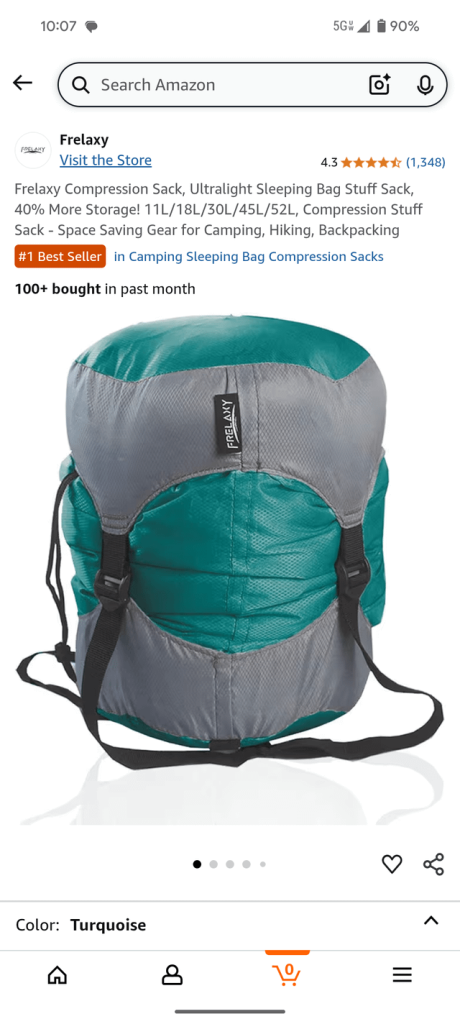
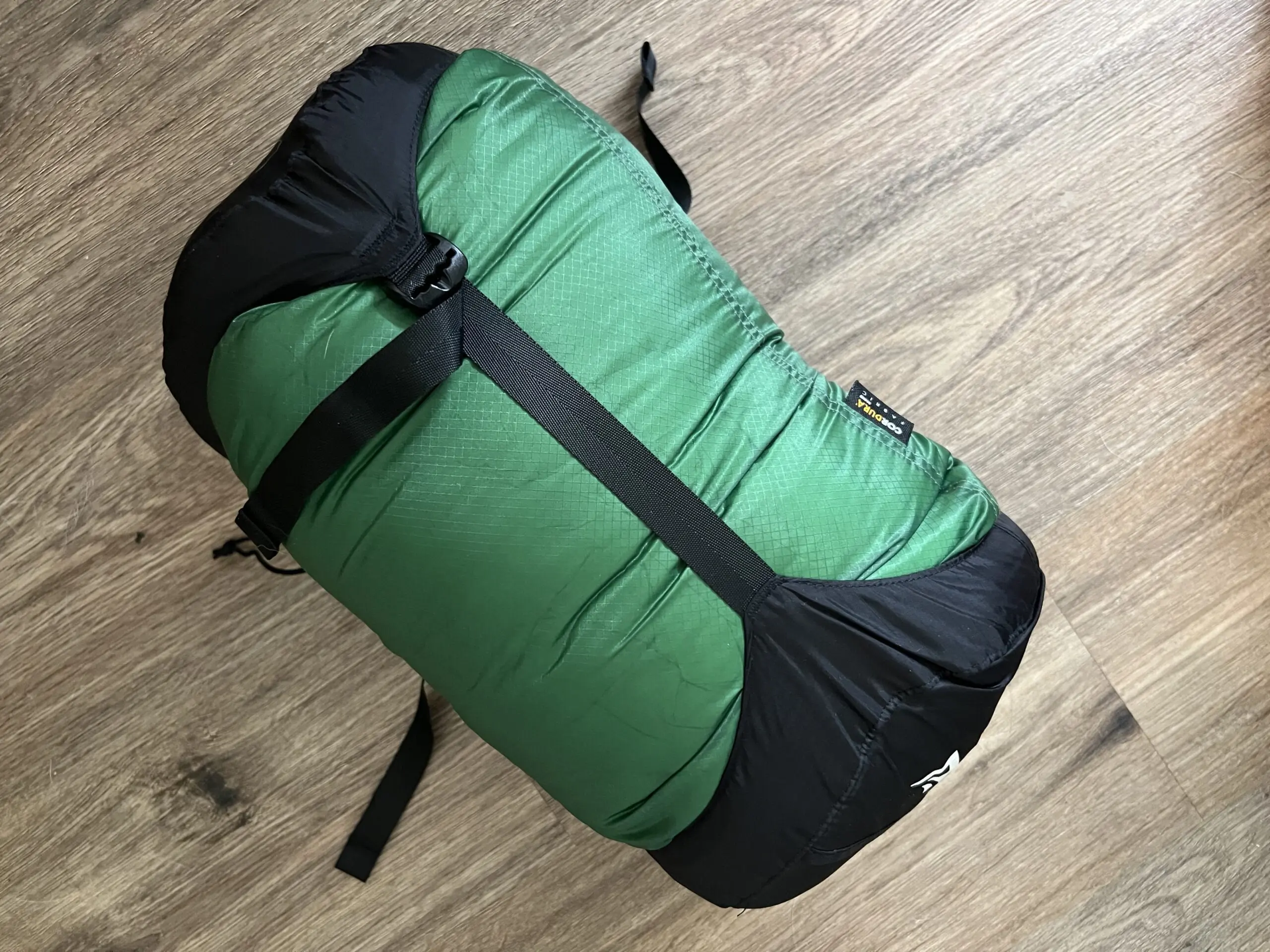
Stuff sack compression uses a special bag designed to compress your sleeping bag. Place the sleeping bag loosely inside the sack. Then push and press down to remove air.
- Open the stuff sack wide and insert the sleeping bag.
- Push the bag down firmly to remove air pockets.
- Use the sack’s straps or drawstrings to tighten it.
- Check that the sack holds the sleeping bag tightly.
Using Compression Straps
Compression straps wrap around your sleeping bag to squeeze out air and reduce volume. They are useful after rolling or stuffing your bag.
| Strap Type | Best Use | Tip |
| Elastic straps | Flexible compression with easy adjustment | Check tension regularly to keep tight |
| Buckle straps | Strong hold for heavy compression | Align straps evenly for balance |
| Velcro straps | Quick and simple compression | Keep clean to avoid losing grip |

Credit: www.reddit.com
Storage Tips For Longevity
Proper storage helps keep your sleeping bag warm and soft. Avoiding damage during storage extends its life. Follow simple tips to store your sleeping bag well.
Many sleeping bags lose their loft when compressed too long. Learn how to store your bag for the best care.
Avoiding Over-compression
Compressing your sleeping bag for a long time can damage the insulation. It may lose its fluff and warmth. Use a large storage sack or hang it instead of keeping it tightly packed.
- Do not keep the bag in a tight stuff sack for months.
- Use a large cotton or mesh storage bag.
- Hang the sleeping bag by its loops in a closet or dry area.
Choosing The Right Storage Bag
Choosing the right storage bag helps maintain loft and avoid moisture. A bag that breathes is better than a plastic one.
| Storage Bag Type | Benefits | Drawbacks |
| Large Cotton Bag | Breathable, protects from dust | Can absorb moisture if wet |
| Mesh Bag | Good airflow, light weight | Less protection from dirt |
| Plastic Bag | Waterproof, dustproof | Traps moisture, can cause mildew |
Storing In A Cool, Dry Place
Keep your sleeping bag away from heat and dampness. These conditions can damage the fabric and insulation.
- Store in a closet or under the bed where it is cool.
- Avoid basements or attics with high humidity.
- Keep it away from direct sunlight to prevent fading.
- Check the bag occasionally for dampness or mold.
Additional Space-saving Tips
Compressing a sleeping bag saves space in your backpack. Using smart packing tips helps you carry more gear easily.
Try these extra ideas to keep your sleeping bag compact and your pack organized.
Packing With Other Gear
Put your sleeping bag with other soft gear. Clothes or towels can fill empty space and keep the bag tight.
This method reduces wasted space and makes your pack balanced.
- Place the sleeping bag at the bottom or sides of the pack
- Fill gaps with clothes or small items
- Keep heavy gear close to your back
Utilizing Compression Cubes
Compression cubes help squeeze your sleeping bag smaller. They use straps to press air out and reduce volume.
Choose cubes that fit your sleeping bag size and make packing easier.
- Put the sleeping bag inside the cube
- Tighten the straps evenly
- Check for leaks or loose areas
Layering For Efficiency
Layer your sleeping bag with other gear to save space. Start with dense items, then softer ones on top.
This stacking helps compress the bag and keeps your pack neat.
- Place heavy gear first
- Put the sleeping bag in the middle
- Use clothes or blankets to fill gaps

Credit: www.amazon.co.uk
Credit: gearjunkie.com
Frequently Asked Questions
How Do I Properly Compress A Sleeping Bag?
To compress a sleeping bag, first lay it flat and fold it lengthwise. Use a compression sack and tighten the straps evenly. Avoid over-compressing to maintain insulation and loft. Store it compressed only during trips, not long-term.
What Is The Best Way To Pack A Sleeping Bag?
The best way to pack a sleeping bag is to use a compression sack. Roll or stuff it loosely before compressing. Tighten the straps gradually to reduce volume without damaging the insulation. This method saves space and protects the bag.
Can Compressing A Sleeping Bag Damage It?
Yes, excessive compression can damage a sleeping bag’s insulation. Compressing for long periods reduces loft and warmth. Always store your bag loosely when not in use. Use compression sacks only during travel or backpacking trips.
How Much Can I Compress My Sleeping Bag?
You can usually compress a sleeping bag to about one-third its original size. The exact amount depends on the fill type and bag design. Avoid compressing it too tightly to protect the insulation and extend the bag’s lifespan.
Conclusion
Compressing a sleeping bag saves space and keeps it safe. Roll or stuff it tightly to remove air. Use compression sacks or straps to reduce size more. Store your bag dry to avoid damage and smell. Practice these steps to pack smarter for trips.
A smaller bag means easier carrying and better travel. Keep your gear ready and enjoy your outdoor adventures. Simple habits make a big difference in packing well.