
Are you ready to make watering your garden easier and faster? Connecting a garden hose to a faucet might seem simple, but a few small mistakes can lead to leaks, wasted water, or even damage.
In this guide, you’ll learn exactly how to connect your garden hose the right way—quickly and securely. By the end, you’ll feel confident and ready to keep your plants happy without any hassle. Keep reading to discover the easy steps that will save you time and frustration every time you water.

Credit: www.youtube.com
Gather Necessary Tools
Connecting a garden hose to a faucet is simple. You need the right tools before starting.
Having the proper supplies makes the job quick and easy. Prepare everything ahead of time.
Choose The Right Hose
Select a hose that fits your watering needs. Length and material affect how it works.
Look for hoses that are durable and easy to handle. Avoid hoses that kink or leak often.
- Standard garden hoses usually measure 25 to 100 feet
- Materials include rubber, vinyl, or reinforced types
- Thicker hoses last longer but weigh more
Select Compatible Faucet Adapter
Check your faucet type before choosing an adapter. Some faucets need special fittings.
Adapters help connect the hose to the faucet securely. Pick one that fits tightly.
- Most garden faucets use a standard ¾-inch thread
- Adapters come in metal or plastic materials
- Look for adapters with washers to prevent leaks
Prepare Additional Supplies
Gather extra items like hose washers and clamps. They help ensure a leak-free connection.
Keep tools like pliers or a wrench nearby. These help tighten connections if needed.
- Hose washers prevent water leaks at connection points
- Clamps secure the hose to adapters or fittings
- Pliers or wrenches assist in tightening connections
Prepare The Faucet
Before connecting a garden hose, you need to get the faucet ready. This helps avoid leaks and makes the connection easy.
Check the faucet carefully to ensure it is clean and free from any old attachments. This step will help your hose fit properly.
Clean The Faucet Spout
Start by cleaning the faucet spout to remove dirt and rust. A clean spout helps the hose connect tightly.
Use a cloth or brush to wipe the spout. If needed, use water to rinse off stubborn grime.
- Wipe away dirt and dust
- Scrub off rust or old paint
- Rinse with water if necessary
Check For Existing Attachments
Look at the faucet to see if any attachments are still there. Remove old hose connectors or washers.
Clear the spout so your garden hose can fit easily and seal well. This prevents leaks when watering.
- Remove old hose connectors
- Take out worn washers
- Ensure the spout is free of obstacles
Attach The Faucet Adapter
Connecting a garden hose to a faucet often needs a faucet adapter. This adapter helps join the hose to the faucet securely.
Attaching the adapter the right way stops water leaks and makes watering easier.
Align The Adapter Properly
Start by checking the threads on the faucet and the adapter. They must match to fit well.
Hold the adapter straight and line it up with the faucet threads. This helps prevent cross-threading.
- Look for any dirt or damage on threads before attaching
- Place the adapter gently on the faucet
- Make sure it fits evenly without tilting
Secure The Adapter Tightly
Turn the adapter clockwise onto the faucet threads. Keep turning until it feels snug.
Do not use too much force. Tighten enough to stop leaks but avoid damaging the threads.
- Hand-tighten the adapter first
- Use a wrench only if needed, gently
- Check for leaks by turning on water slowly

Credit: www.erynwhalenonline.com
Connect The Garden Hose
Connecting a garden hose to a faucet is simple. It lets you water plants and wash outdoor areas easily.
You need to attach the hose to the faucet securely. This helps prevent leaks and water waste.
Thread The Hose Onto Adapter
Start by lining up the hose end with the faucet adapter. The threads must match for a tight fit.
Turn the hose end clockwise onto the adapter. Keep threading until it feels snug but not forced.
- Check the hose end for rubber washers
- Make sure the adapter threads are clean
- Align threads carefully to avoid cross-threading
Tighten Hose Connector
Once the hose is threaded, tighten the connector by hand. Avoid using tools that may damage it.
Tighten until you feel resistance. The connection should be firm to stop leaks but not over-tightened.
- Turn the connector clockwise to tighten
- Stop tightening if the hose or adapter twists
- Test for leaks by turning on the water slowly
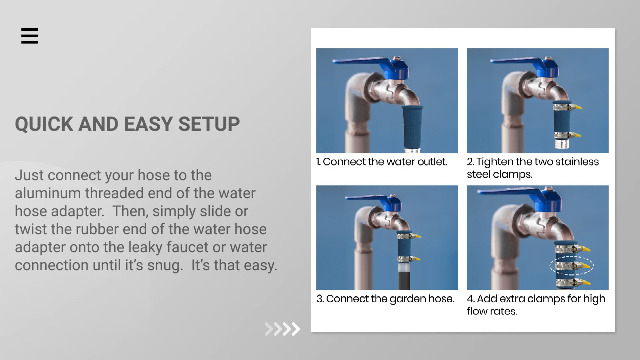
Test For Leaks
Checking for leaks is important after connecting a garden hose to a faucet. Leaks waste water and can damage your yard or home.
Test the connection carefully to make sure water flows only inside the hose and faucet.
Turn On The Water Slowly
Open the faucet slowly to avoid sudden pressure. This helps you see if water leaks right away.
Turning on water fast can cause the hose to burst or leak at the connection.
Inspect Connection Points
Look carefully where the hose meets the faucet. Check if water drips or sprays out.
- Check the rubber washer inside the hose connector
- Make sure the connector is tight but not too tight
- Look for cracks or damage on the hose end
- Replace washers or connectors if you see leaks
Credit: www.amazon.com
Fix Common Issues
Connecting a garden hose to a faucet seems easy. Yet, issues arise that need fixing. Understanding common problems helps keep your hose in top shape.
Here, we explore how to deal with leaks, replace worn washers, and adjust tightness. These tips ensure a leak-free connection.
Deal With Leaks
Leaks are common when attaching a hose to a faucet. Check if the rubber washer is in place. A missing washer often causes leaks.
Ensure the connection is tight, but not too tight. Over-tightening can damage threads and cause leaks.
- Inspect the washer inside the hose fitting
- Hand-tighten the connection firmly
- Use plumber’s tape for extra sealing
Replace Worn Washers
Over time, washers wear out and cause leaks. Replacing them is simple. Remove the old washer from the hose fitting.
Insert a new, snug-fitting washer. This stops leaks and improves water flow.
- Turn off the water supply
- Unscrew the hose and remove the old washer
- Fit a new washer and reattach the hose
Adjust Tightness
Proper tightness prevents leaks. Hand-tighten the hose to the faucet. Use pliers only if needed, and avoid over-tightening.
If the hose is too loose, water will leak. Tighten gradually until the connection is firm.
- Hand-tighten for a snug fit
- Use pliers gently if leaks persist
- Avoid excessive force to prevent damage
Maintain Hose And Faucet
Keeping your garden hose and faucet in good shape helps them last longer. Proper care prevents leaks and damage. This guide explains how to store your hose and check connections.
Simple steps can stop problems before they start. Follow these tips to keep your watering tools working well all year.
Store Hose Properly
Proper storage stops kinks, cracks, and mold growth on your hose. It also protects the faucet connection from damage.
- Drain all water from the hose after use.
- Coil the hose loosely to avoid sharp bends.
- Hang the hose on a wall hook or reel off the ground.
- Store the hose indoors during winter months to avoid freezing.
- Keep the hose away from direct sunlight when not in use.
Regularly Inspect Connections
Check the faucet and hose connections often. Tight and clean fittings stop leaks and water waste.
| Inspection Point | What to Check | Action Needed |
| Hose End | Look for cracks or worn washers | Replace washers or hose end if damaged |
| Faucet Threads | Check for rust or dirt | Clean threads with a brush before connecting hose |
| Connection Fit | Ensure the hose fits tightly on faucet | Tighten connection or use plumber’s tape if loose |
| Leaks | Look for dripping water around connections | Replace washers or reseal connections |
Frequently Asked Questions
How Do I Connect A Garden Hose To A Faucet?
To connect a garden hose, first ensure the faucet is off. Screw the hose’s female end onto the faucet’s threaded spout by hand. Tighten securely but avoid over-tightening to prevent damage. Check for leaks before use.
What Tools Are Needed To Attach A Garden Hose?
Generally, no tools are needed. Most garden hoses connect by hand. If the connection is tight or leaks, you might use a wrench gently. Always avoid overtightening, which can damage threads or the hose.
How Can I Prevent Leaks When Connecting A Hose?
Ensure the hose washer is in place inside the hose connector. Hand-tighten the hose to the faucet firmly but not excessively. Replace worn washers regularly to maintain a watertight seal and prevent leaks.
Can I Connect Any Garden Hose To Any Faucet?
Most garden hoses and faucets have standard sizes (usually 3/4 inch). Check your hose and faucet sizes before connecting. Adapters are available for mismatched sizes to ensure proper fit and avoid leaks.
Conclusion
Connecting a garden hose to a faucet is simple and quick. Check the faucet for any damage before attaching the hose. Screw the hose connector onto the faucet firmly to avoid leaks. Turn on the water slowly to test the connection.
Adjust the hose or faucet if you notice any drips. Regular checks help keep your hose working well. Now, watering your garden or washing your car is easier than ever. Just follow these easy steps every time you connect your hose.
Simple tasks like this save time and effort in your daily chores.