If you’ve ever struggled with getting your pressure washer ready for action, you’re not alone. Connecting a garden hose to your pressure washer might seem simple, but a small mistake can lead to leaks, low pressure, or even damage.
In this guide, you’ll learn the exact steps to make a secure, hassle-free connection that saves you time and frustration. By the end, you’ll be ready to power through your cleaning tasks like a pro—without any guesswork. Let’s dive in and get your equipment working perfectly!
Gather Necessary Tools
Connecting a garden hose to a pressure washer needs a few tools. Getting these ready saves time and effort.
This guide explains what tools to gather before you start.
Check Hose Compatibility
Make sure your garden hose fits the pressure washer. Hose size and thread type must match.
- Look for the hose diameter, usually 5/8 inch or 3/4 inch
- Check if the hose end has a male or female connector
- Compare thread patterns with the pressure washer inlet
Prepare Pressure Washer
Turn off and unplug the pressure washer. Release any built-up pressure before attaching the hose.
| Tool | Purpose |
| Wrench | Tighten hose connectors |
| Teflon Tape | Seal threaded connections |
| Clean Cloth | Wipe connectors clean |
Inspect Connectors And Adapters
Check connectors and adapters for damage or dirt. Clean or replace them if needed to avoid leaks.
Important things to check:
- Cracks or splits in plastic connectors
- Rust or corrosion on metal parts
- Proper fit of adapters to both hose and washer

Credit: www.amazon.ca
Attach Hose To Water Source
Connecting your garden hose to the water source correctly helps the pressure washer work well. A good connection stops leaks and keeps water flowing smoothly.
Follow the right steps to secure the hose to your outdoor faucet. This guide explains how to do it safely and easily.
Secure Hose To Outdoor Faucet
First, check the faucet and hose ends for dirt or damage. Clean them to ensure a tight fit. Screw the hose connector onto the faucet by turning it clockwise. Hand-tighten the connection until it feels firm.
- Inspect faucet threads for rust or debris
- Align hose connector with faucet threads
- Turn connector clockwise to tighten
- Make sure it fits snugly without cross-threading
Ensure Tight Connection
To prevent leaks, use a rubber washer inside the hose connector. This washer helps seal the connection. After tightening by hand, use a wrench for a quarter turn if needed. Avoid over-tightening to protect the threads.
| Connection Part | Action |
|---|---|
| Rubber Washer | Place inside hose connector |
| Hand Tightening | Turn clockwise firmly |
| Wrench Use | Quarter turn only if needed |
| Over-tightening | Avoid to prevent damage |
Test Water Flow
Turn the faucet on slowly to check water flow through the hose. Watch for any leaks at the connection point. If you see water dripping, tighten the hose connector a little more.
- Turn faucet on slowly
- Observe hose connection for leaks
- Tighten connector if needed
- Ensure steady water flow before use
Connect Hose To Pressure Washer
Connecting a garden hose to a pressure washer is simple. This guide will help you do it correctly.
Follow the steps to ensure your pressure washer works efficiently and safely.
Locate Water Inlet On Washer
The water inlet is where the hose connects to the pressure washer. It is usually on the side or back of the machine.
- Check your pressure washer manual for the exact location.
- Look for a labeled connection point.
- Ensure the inlet is clean and free of debris.
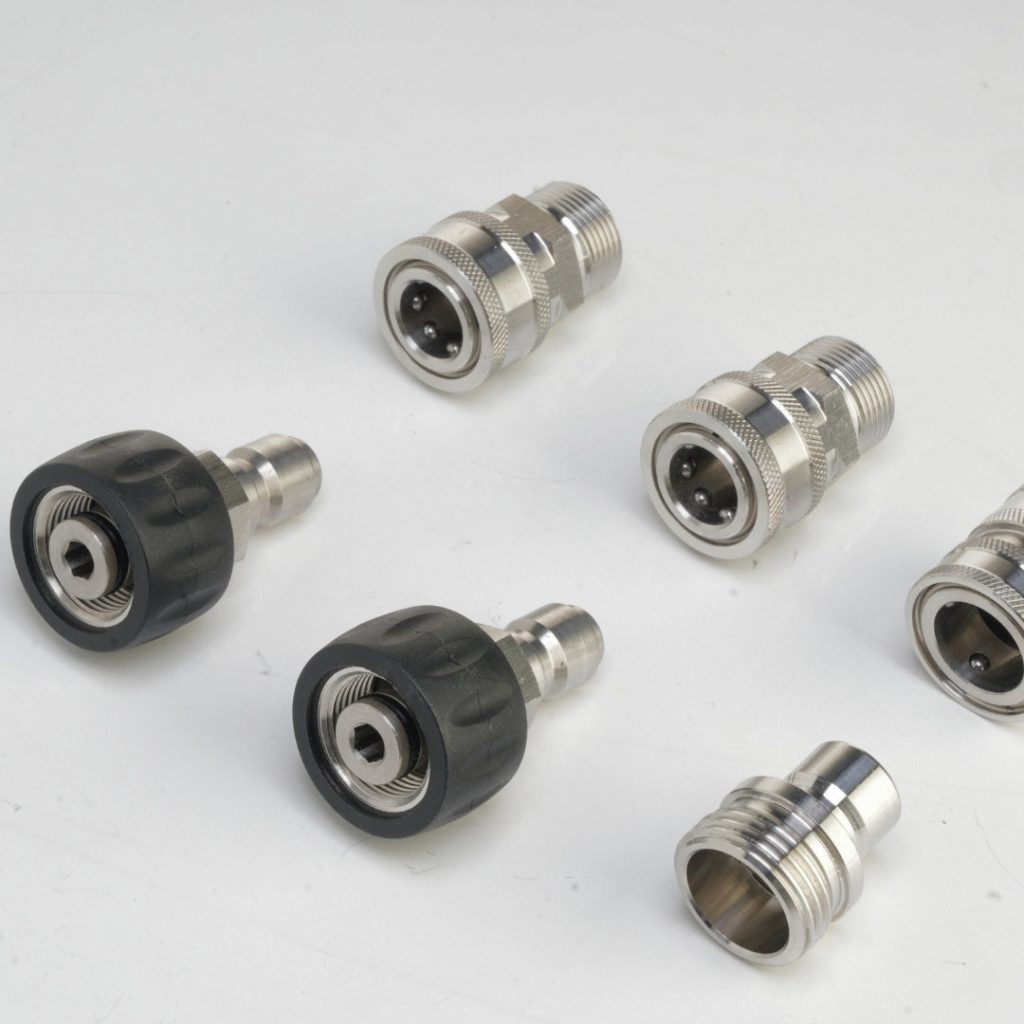
Use Adapters If Needed
Sometimes, the hose and washer fittings do not match. Adapters can solve this issue.
Ensure the adapter fits both the hose and the inlet securely. This prevents leaks during use.
Tighten Connection Properly
A loose connection can cause water to leak. Tighten the hose securely to the pressure washer.
| Connection Type | Tool Needed |
| Screw-On | Hand-tighten |
| Quick-Connect | None |
Ensure all connections are tight before starting the pressure washer to avoid any mishaps.
Check For Leaks
After connecting your garden hose to the pressure washer, check for leaks. Leaks waste water and reduce pressure. A careful check helps you spot problems early.
This guide shows how to turn on water, inspect connection points, and fix leaks.
Turn On Water Supply
Open the water faucet slowly to avoid sudden pressure. Let water flow through the hose to clear air inside. Check the hose for any wet spots while water runs.
Inspect Connection Points
- Look where the garden hose connects to the pressure washer.
- Check the hose end and washer inlet for cracks or dirt.
- Feel for any moisture or dripping water at joints.
- Make sure all fittings are tight but not over-tightened.
Fix Any Leaks
| Problem | Solution |
| Loose fitting | Turn fitting clockwise until snug |
| Damaged washer | Replace rubber washer inside hose end |
| Dirt in connector | Clean connector with cloth before reconnecting |
| Cracked hose | Replace hose section or entire hose |
Start Pressure Washer Safely
Connecting a garden hose to a pressure washer needs care. Starting the pressure washer safely protects you and your equipment.
Follow simple steps to prepare your pressure washer before use. This helps avoid damage and ensures good cleaning results.
Follow Manufacturer Instructions
Read the pressure washer manual carefully before connecting the hose. Each model has specific steps and safety tips.
- Check the hose type recommended for your washer
- Attach the hose firmly to the water inlet
- Secure all connections to avoid leaks
- Use clean water to prevent clogging
Test Pressure Settings
Adjust the pressure washer settings before starting full cleaning. Test the pressure to avoid damage to surfaces.
| Pressure Level | Use For |
| Low (1000-1500 PSI) | Delicate plants and windows |
| Medium (1500-2500 PSI) | Cars, patios, and wooden decks |
| High (2500+ PSI) | Concrete and tough stains |
Begin Cleaning
Start the pressure washer with the trigger off. Slowly squeeze the trigger to release water and check the flow.
- Turn on the water supply fully
- Switch on the pressure washer engine or motor
- Hold the spray wand firmly with both hands
- Test spray on a small area before full cleaning
- Adjust distance and pressure for best results

Credit: westinghouse.com
Maintain Connections
Keeping your garden hose and pressure washer connected well is important. Good care helps the tools work longer and better.
Check your hoses and parts often. Fix or change anything that looks old or broken. Store your tools the right way to keep them safe.
Regularly Inspect Hoses
Look over your garden hose and pressure washer hose every time before use. Check for cracks, leaks, or weak spots. Tighten loose connections to stop water loss.
Replace Worn Parts
Old or damaged parts can cause problems. Replace washers, nozzles, and hose connectors if you see wear. Using good parts keeps water pressure steady and prevents leaks.
- Check washers for cracks or flattening
- Replace cracked or torn hose ends
- Swap out nozzles that drip or don’t spray well
- Use parts made for your pressure washer model
Store Equipment Properly
Store hoses and the pressure washer in a dry, cool place. Avoid leaving them in the sun or cold weather. Coil hoses loosely to stop kinks and damage.
| Storage Tip | Why It Helps |
| Keep hoses off the ground | Prevents dirt and damage |
| Use hose reels or hooks | Keeps hoses neat and untangled |
| Cover pressure washer | Protects from dust and weather |
| Drain water before storing | Stops freezing and cracks |

Credit: www.amazon.ca
Frequently Asked Questions
How Do I Attach A Garden Hose To A Pressure Washer?
To connect a garden hose, first ensure the pressure washer is off. Attach the hose to the water inlet. Tighten the connection securely to avoid leaks. Then, turn on the water supply before starting the pressure washer.
Can I Use Any Garden Hose With A Pressure Washer?
Not all hoses are suitable. Use a high-quality, kink-resistant garden hose. The hose should handle the water pressure and flow rate recommended by your pressure washer.
Why Is Water Flow Important For Pressure Washer Connection?
Proper water flow ensures the pressure washer works efficiently. Low water flow can damage the pump. Always check the hose and water supply meet the washer’s flow requirements.
What If My Garden Hose Doesn’t Fit The Pressure Washer?
Use an adapter or quick-connect fitting compatible with your pressure washer. These fittings ensure a secure, leak-free connection between different hose sizes or types.
Conclusion
Connecting a garden hose to a pressure washer is simple and quick. Start by checking your hose and washer for matching fittings. Tighten the connection to avoid leaks. Turn on the water supply and then the pressure washer. Test the setup to ensure water flows properly.
This basic step helps protect your washer and improves cleaning. With these easy instructions, your outdoor cleaning becomes easier and more effective. Keep your tools in good shape and enjoy a cleaner space. Ready for your next cleaning task?