Have you ever needed to water your plants or wash outdoor gear but found yourself stuck without a proper hose connection? What if you could turn your kitchen sink into a convenient water source for your garden hose?
Connecting a garden hose to your kitchen sink might sound tricky, but it’s easier than you think—and it can save you time and hassle. You’ll discover simple, step-by-step instructions to make this connection quickly and safely. Ready to make your watering tasks smoother?
Keep reading, and you’ll have your hose hooked up in no time!
Tools And Materials Needed
Connecting a garden hose to your kitchen sink needs some basic tools and materials. Getting these ready makes the job easier and faster.
This list covers everything you need to start and finish the connection safely and properly.
Garden Hose
Choose a garden hose that fits your watering needs. It should be long enough to reach your garden or outdoor area.
Look for hoses with standard fittings to match sink adapters easily.
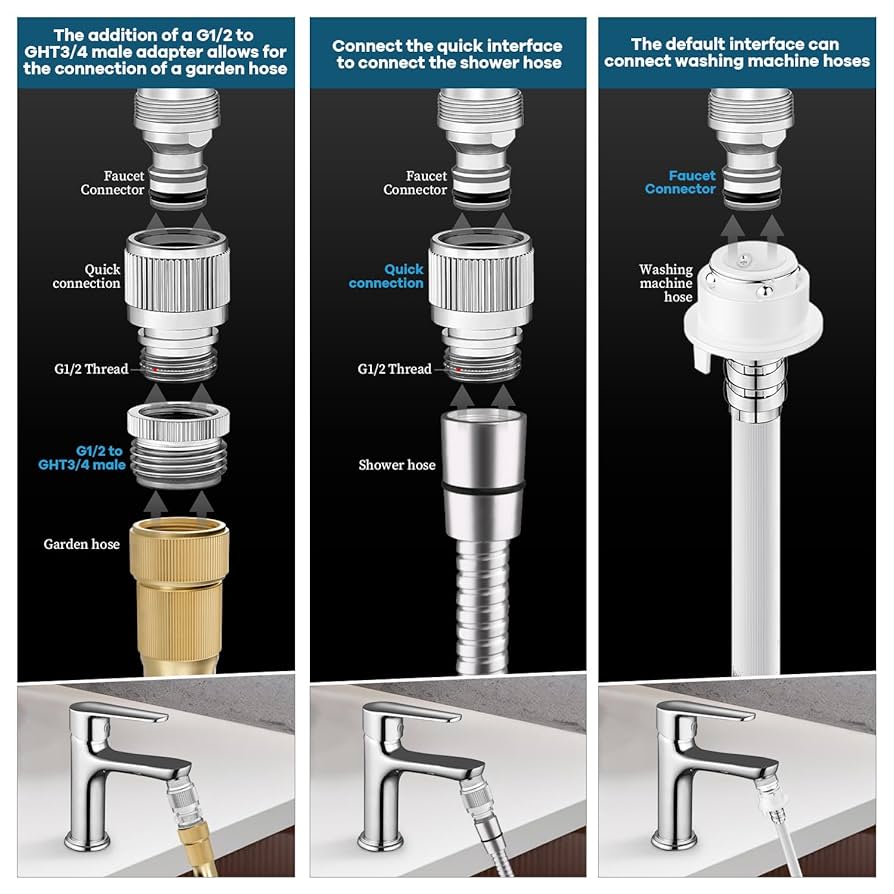
Kitchen Sink Adapter
A kitchen sink adapter connects the garden hose to your faucet. It usually screws onto the faucet spout.
Make sure the adapter size matches your faucet type for a tight seal.
Adjustable Wrench
An adjustable wrench helps tighten fittings without damaging them. It fits different nut sizes.
Use it to secure the adapter and hose connections firmly but gently.
Teflon Tape
Teflon tape seals threads on fittings to stop leaks. Wrap it around the threads before connecting parts.
This tape is thin and easy to apply, improving the water-tightness of your setup.
Bucket Or Container
Keep a bucket or container nearby to catch any water drops during installation. This prevents messes.
It also helps you test the connection for leaks once everything is attached.
Credit: www.familyhandyman.com
Choosing The Right Adapter
Connecting a garden hose to your kitchen sink needs the right adapter. This makes sure water flows smoothly without leaks.
Different sinks and hoses require different types of adapters. Picking the right one saves time and effort.
Check Your Sink Type
Look at your kitchen sink faucet. Most sinks have either a threaded or non-threaded spout. This affects which adapter fits best.
Match Hose Size And Threads
Garden hoses usually come in 5/8 inch or 3/4 inch sizes. The adapter must match the hose diameter and thread style to connect tightly.
- Measure the hose diameter with a ruler or tape
- Check if the hose threads are male or female
- Confirm the faucet threads match the adapter
Choose Material And Quality
Adapters come in plastic, brass, or stainless steel. Brass and steel last longer and resist leaks. Plastic is cheaper but less durable.
| Material | Durability | Price |
|---|---|---|
| Plastic | Low | Low |
| Brass | High | Medium |
| Stainless Steel | Very High | High |
Consider Additional Features
Look for adapters with built-in washers to prevent leaks. Some have quick-connect fittings for easy attachment and removal.
Preparing The Kitchen Sink
Connecting a garden hose to your kitchen sink can be useful for many tasks. You need to prepare the sink properly before attaching the hose.
This guide will help you get your kitchen sink ready for the connection safely and correctly.
Clear The Sink Area
Start by removing any items around the sink. Clear dishes, soap bottles, and other objects to have enough space.
This makes it easier to work and prevents any damage to your kitchen items.
Turn Off The Water Supply
Locate the shutoff valves under the sink. Turn them clockwise to close and stop the water flow.
- Check both hot and cold water valves
- Turn valves slowly to avoid damage
- Make sure water stops flowing from the faucet
Remove The Faucet Aerator
The aerator is the small screen at the faucet tip. Unscrew it carefully with your hand or a wrench wrapped in cloth.
Keep the aerator safe for later use or cleaning.
Check The Faucet Threads
| Thread Type | Description | Action Needed |
| Male Threads | Threads on the outside of the faucet tip | Attach hose adapter directly |
| Female Threads | Threads on the inside of the faucet tip | Use a male-to-male adapter |
| No Threads | Smooth faucet tip without threads | Use a universal adapter or faucet connector |
Attaching The Adapter
Connecting a garden hose to your kitchen sink needs an adapter. The adapter fits where the aerator was. This guide explains how to attach it step-by-step.
First, you remove the aerator from the faucet. Then, you install the adapter in its place. This makes it easy to connect your garden hose.
Removing The Aerator
The aerator is a small screen at the end of the faucet. It controls water flow and stops splashing. You need to remove it before attaching the adapter.
Use your hand or a wrench to unscrew the aerator. Turn it counterclockwise to loosen it. Keep the aerator safe; you might want to put it back later.
- Check if the aerator is hand-tight or needs a tool
- Wrap the wrench with cloth to avoid scratches
- Turn the aerator slowly to avoid damage
- Set the aerator aside carefully
Installing The Adapter
Take the adapter that fits your faucet. Screw it onto the faucet where the aerator was. Turn it clockwise to tighten.
Make sure the adapter is snug but not too tight. Over-tightening can damage the faucet or adapter. Once tight, attach your garden hose to the adapter.
- Align the adapter threads with the faucet
- Turn clockwise by hand to start
- Use a wrench to finish if needed
- Check for leaks after attaching the hose
Connecting The Garden Hose
Connecting a garden hose to your kitchen sink can help water plants or fill containers easily. It needs a proper fit to avoid leaks and ensure good water flow.
This guide explains how to secure the hose to the adapter and make sure the connection is tight and safe.
Securing The Hose To The Adapter
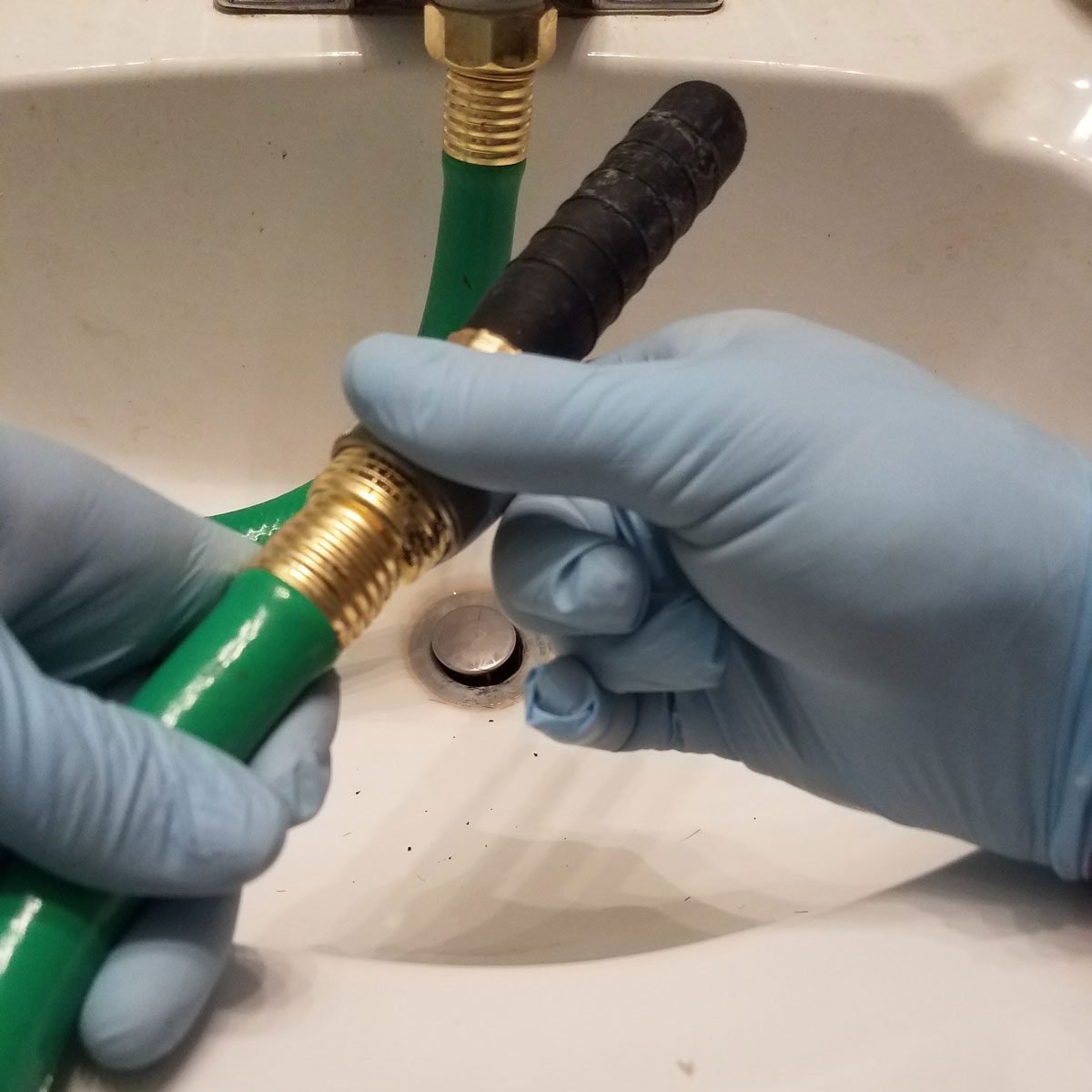
First, check the hose and the adapter for any dirt or damage. Clean both parts to get a smooth connection. Slide the hose end firmly onto the adapter’s nozzle.
- Push the hose as far as it will go onto the adapter.
- Use a hose clamp to hold the hose tight around the adapter.
- Tighten the clamp with a screwdriver until it feels secure but not too tight.
- Make sure the hose does not slip off when pulled gently.
Ensuring A Tight Connection
A tight connection stops water from leaking and waste. Check the adapter’s threads and the hose end for matching sizes. Use plumber’s tape to seal the threads well.
| Action | Purpose |
| Wrap plumber’s tape on adapter threads | Seal gaps and prevent leaks |
| Hand-tighten the hose on the adapter | Hold parts together firmly |
| Use pliers to tighten slightly | Make connection secure without damage |
| Test by running water | Check for leaks or loose parts |

Credit: www.reddit.com
Testing The Connection
After connecting your garden hose to the kitchen sink, it is important to test the connection. This ensures that water flows properly and there are no leaks.
Testing helps avoid water waste and keeps your home safe from damage.
Checking For Leaks
Turn on the water slowly and watch the connection point carefully. Look for any drops or wet spots that might show a leak.
- Check the hose connector where it attaches to the faucet.
- Inspect the hose end and any adapters used.
- Look under the sink for drips or moisture.
- Feel around the fittings for wetness.
Adjusting Water Flow
Adjust the faucet handle to control how much water comes through the hose. Too much pressure can cause leaks or damage.
| Water Flow Level | When to Use |
| Low | For gentle watering or delicate plants |
| Medium | For most garden tasks |
| High | For cleaning or filling large containers |
Troubleshooting Common Issues
Connecting a garden hose to your kitchen sink can be handy. You may face some issues while doing this. This guide helps you solve common problems.
Two main problems are leaks and poor fitting. Fixing these issues makes your hose work well and stops water waste.
Dealing With Leaks
Leaks happen when water escapes from the connection points. This can cause water damage and waste. Check all joints for drips.
Make sure rubber washers are in place. They help seal the connection. Tighten the hose and faucet parts by hand. Avoid over-tightening.
- Replace worn or missing washers
- Use plumber’s tape on threads to stop leaks
- Hand-tighten connections without forcing
- Check for cracks in hose or fittings
Ensuring Proper Fit
A poor fit can cause leaks or hose damage. Use the right adapter for your kitchen faucet. Some faucets need special connectors.
Test the fit by attaching the hose and turning the water on slowly. Adjust the connection if water leaks or the hose feels loose.
- Measure faucet size before buying adapters
- Use adapters made for kitchen sink faucets
- Check threads match between hose and faucet
- Replace adapters if they are cracked or worn

Credit: www.amazon.com
Safety Tips
Connecting a garden hose to the kitchen sink needs care to avoid damage. Following safety tips helps protect your home and health.
Using the right tools and checking for leaks keeps everything working well. Always prepare before starting the connection.
Check Water Pressure
Make sure the water pressure is low enough for the garden hose. High pressure can cause the hose or sink parts to break.
Use A Backflow Preventer
A backflow preventer stops dirty water from going back into your drinking water. This device is very important for safety.
- Attach it between the faucet and the hose
- Check it regularly for damage
- Replace it if it leaks or breaks
Secure Hose Connections
Tighten all hose fittings by hand first, then use a wrench carefully. Avoid over-tightening to prevent damage to threads.
Avoid Water Contamination
| Risk | How to Avoid |
|---|---|
| Dirty hose water | Use a clean hose only for garden tasks |
| Backflow into kitchen sink | Install backflow preventer |
| Hose chemicals | Do not use hoses treated with harmful substances |
Turn Off Water When Not In Use
Always shut off the water at the sink when the hose is not in use. This prevents leaks and water waste.
Frequently Asked Questions
How Do I Connect A Garden Hose To A Kitchen Sink?
Use a faucet adapter to connect the garden hose to your kitchen sink. Attach the adapter to the sink faucet, then screw the hose onto the adapter. Ensure all connections are tight to prevent leaks.
What Tools Are Needed To Attach A Hose To A Sink?
You need a faucet adapter, a garden hose, and possibly a wrench. Some adapters come with rubber washers for a tight seal. These simple tools help secure the hose to the kitchen sink faucet.
Can I Use A Kitchen Sink For Outdoor Watering?
Yes, you can use a kitchen sink for outdoor watering by attaching a garden hose. This setup is ideal for small garden tasks and saves you from installing an outdoor faucet.
Are Faucet Adapters Compatible With All Kitchen Sinks?
Most faucet adapters fit standard kitchen sink faucets. However, check your faucet’s size and thread type before buying. Some specialty faucets may require specific adapters.
Conclusion
Connecting a garden hose to your kitchen sink is simple and quick. Follow the right steps to avoid leaks and spills. Use the correct adapter for a secure fit. Always check the connections before use. This setup saves time for watering and cleaning tasks.
Enjoy the convenience of easy water access indoors. Keep your tools ready for smooth installation. Small effort, big help around the house. Try it yourself and see how useful it can be.