Are you tired of your fishing line slipping or tangling when you cast? Knowing how to connect your fishing line to the reel the right way can make all the difference.
It’s not just about tying a knot—it’s about making sure your setup is strong, smooth, and ready for action. In this guide, you’ll discover simple steps that anyone can follow to get your line securely attached. Whether you’re new to fishing or just want to improve your technique, mastering this skill will save you time and frustration on your next trip.
Keep reading, and you’ll be ready to reel in your catch with confidence.

Credit: windrider.com
Choosing The Right Fishing Line
Picking the right fishing line is key for a good fishing experience. The line must fit your reel and the type of fishing you plan to do.
Different lines have different strengths and uses. Knowing these will help you catch more fish and protect your gear.
Types Of Fishing Lines
There are three main types of fishing lines: monofilament, fluorocarbon, and braided. Each has unique features and uses.
- Monofilament:Made of a single nylon strand. It is stretchy and easy to handle. Good for beginners.
- Fluorocarbon:Almost invisible underwater. It sinks faster and resists abrasion well.
- Braided:Very strong and thin. It has little stretch and lasts long, good for heavy cover fishing.
Matching Line To Reel And Rod
Your reel and rod have limits on the line weight they can handle. Using the right line keeps the gear safe and works better.
| Rod Power | Recommended Line Strength (lb) | Common Reel Type |
| Light | 2-6 | Spinning Reel |
| Medium | 6-12 | Spinning or Baitcasting |
| Heavy | 12-20+ | Baitcasting or Conventional |
Preparing The Reel
Preparing your fishing reel is important before attaching the fishing line. It makes the setup smooth and helps the reel work well.
Clean and adjust the reel to avoid problems like line tangles or poor drag performance.
Cleaning The Spool
Remove the spool from the reel gently. Use a soft cloth to wipe dirt and old line residues.
Make sure the spool is dry before putting new line on it. A clean spool helps the line stay strong and untangled.
- Take off the spool carefully
- Use a soft cloth to clean dirt
- Remove any old line pieces
- Dry the spool completely
Adjusting The Drag System
The drag system controls how much resistance the fish feels when pulling the line. Adjust it before you start fishing.
Turn the drag knob clockwise to increase resistance. Turn it counterclockwise to decrease resistance. Set it to a level that protects your line but still lets fish run.
- Locate the drag adjustment knob
- Turn clockwise to tighten drag
- Turn counterclockwise to loosen drag
- Test drag by pulling line by hand
Attaching The Line To The Spool
Connecting your fishing line to the reel is important for a smooth fishing experience. It ensures that the line is secure and will not slip off during a catch.
Properly attaching the line to the spool prevents tangles and makes casting easier. Let’s explore how to do it correctly.
Using The Arbor Knot
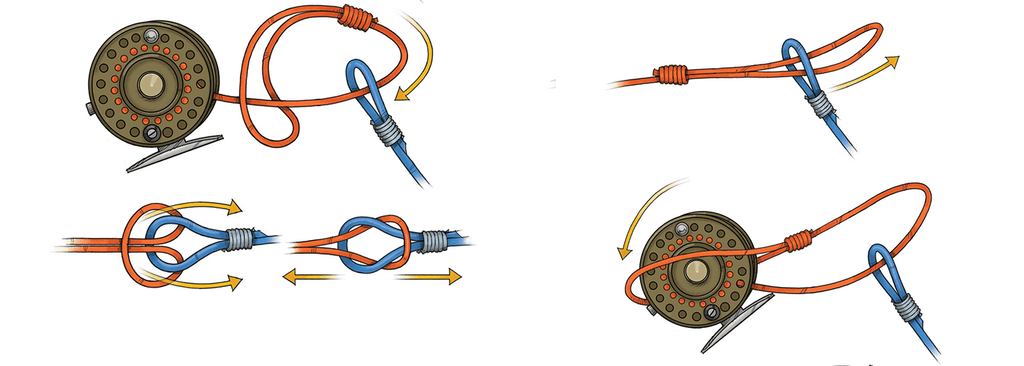
The arbor knot is a reliable way to secure the fishing line to the spool. It is simple and effective, making it a popular choice for anglers.
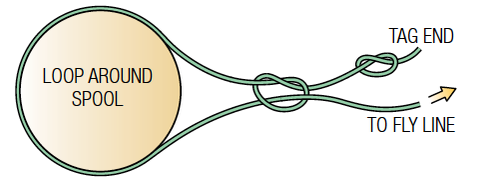
To tie the arbor knot, first wrap the line around the spool. Then, tie a simple overhand knot around the main line. Finish with another overhand knot on the tag end.
- Wrap the line around the spool
- Tie an overhand knot around the main line
- Secure with another overhand knot on the tag end
Securing The Line Properly
Securing the line properly ensures it stays tight and aligned. A loose line can cause tangles and reduce casting distance.
After tying the knot, pull the line to tighten it against the spool. Make sure there are no twists or overlaps to keep the line smooth.
Winding The Line Onto The Reel
Winding the fishing line onto your reel is a key step before you start fishing. It helps the line stay secure and ready to cast.
Proper winding keeps the line smooth and prevents problems during fishing. Take your time to do it right.
Maintaining Tension
Keep steady tension on the line while winding it onto the reel. This stops the line from loosening or getting tangled.
You can hold the line between your fingers to control the tightness as you turn the reel handle.
- Start by tying the line to the reel spool firmly
- Hold the line tight with your fingers
- Turn the reel handle slowly and smoothly
- Keep tension constant throughout winding
Avoiding Twists And Tangles
Twists and tangles make fishing frustrating. Prevent them by letting the line feed off the spool correctly.
Make sure the line flows straight from the spool onto the reel. Avoid twisting the line or letting it loop freely.
- Place the line spool so it spins freely in the right direction
- Guide the line onto the reel with your fingers
- Check the line for twists before and during winding
- Stop winding if you see loops or tangles forming
Checking Line Capacity And Quality
Knowing how much line your reel can hold is important before you start fishing. Using the right amount keeps your reel working well. You also need to check the quality of your fishing line. A strong, undamaged line helps you catch fish more easily.
This guide covers two key points: avoiding overfilling your reel and inspecting your line for damage. Both help keep your fishing line in good shape and prevent problems while fishing.
Avoiding Overfilling
Overfilling your reel can cause line tangles and reduce casting distance. It can also damage the reel’s parts. Make sure to fill the spool only up to the recommended capacity.
| Reel Size | Recommended Line Capacity (Yards) |
| 1000 | 100-120 yards of 6 lb test |
| 2500 | 150-200 yards of 8 lb test |
| 4000 | 200-250 yards of 10 lb test |
| 6000 | 250-300 yards of 12 lb test |
Always check your reel’s manual or the spool’s label for exact capacity. Leave a small gap below the spool edge to avoid line slipping off.
Inspecting For Damage
Before you attach the line to the reel, look carefully for any cuts, frays, or weak spots. Damaged line can break easily and cause lost fish.
- Run the line through your fingers to feel for rough or thin areas
- Check for discoloration or stiffness that may mean damage
- Cut out damaged sections before spooling
- Replace the line if you find many weak spots
Credit: monsterbass.com
Tips For Perfect Casting
Connecting your fishing line to the reel correctly helps your cast go far and straight.
This guide covers how to keep your line in good shape and adjust your casting style for better results.
Line Maintenance
Good line care makes casting easier and stops problems like tangles or breaks.
- Check the line for frays or damage before each use.
- Clean your line with fresh water after fishing in saltwater.
- Store your reel and line in a dry place away from sunlight.
- Replace old or worn line regularly to avoid snap-offs.
Adjusting Cast Technique
Changing how you cast can improve distance and accuracy with your fishing line and reel.
| Tip | How to Do It |
| Grip | Hold the rod firmly but not tight to allow smooth movement. |
| Backswing | Pull the rod back slowly, not too far to avoid tangles. |
| Forward Cast | Push the rod forward with a smooth, steady motion. |
| Release | Let go of the line at the right moment for better distance. |
| Follow Through | Continue the rod’s movement after release to guide the line. |

Credit: www.youtube.com
Frequently Asked Questions
How Do I Tie Fishing Line To A Reel Spool?
To tie fishing line to a reel spool, start with an arbor knot. Wrap the line around the spool, tie the knot, and tighten it securely. This ensures the line stays attached during casting and retrieval.
What Type Of Fishing Line Works Best For Reels?
Monofilament and braided lines work well for most reels. Monofilament is flexible and easy to handle. Braided line offers higher strength and durability. Choose based on your fishing style and reel type.
How Much Fishing Line Should I Put On My Reel?
Fill the reel spool to about 1/8 inch below the rim. Avoid overfilling to prevent tangles and backlashes. Proper line level helps smooth casting and better line management.
Can I Use Any Reel For All Fishing Lines?
Not all reels suit every line type. Spinning reels work best with monofilament and braided lines. Baitcasting reels handle heavier braided or fluorocarbon lines. Match your reel to your fishing line for optimal performance.
Conclusion
Connecting your fishing line to the reel is simple with the right steps. Use the right knots to keep the line secure. Make sure the line is tight and neat on the spool. Practice these steps a few times to feel confident.
A good connection helps you fish without problems. Enjoy your time by the water with strong gear. Keep your reel ready, and you will catch more fish.