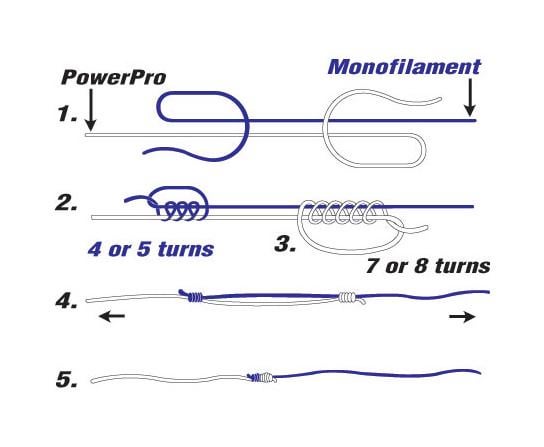
Are you tired of your fishing line snapping at the worst moments? Knowing how to connect your fishing line properly can make all the difference between a frustrating day and landing your biggest catch.
Whether you’re a beginner or looking to sharpen your skills, mastering this simple yet crucial step will boost your confidence and improve your fishing experience. Keep reading, and you’ll discover easy, effective methods to connect your fishing line like a pro—so you never miss out on the thrill of the catch again.

Credit: www.reddit.com
Choosing The Right Fishing Line
Choosing the right fishing line is key for a good fishing trip. The right line helps you catch fish easily and avoid problems.
There are many types of fishing lines. You need to pick one that fits your fishing style and conditions.
Types Of Fishing Lines
Fishing lines come in three main types: monofilament, fluorocarbon, and braided. Each has unique features and uses.
- Monofilament:This line is stretchy and easy to handle. It floats on water and is good for beginners.
- Fluorocarbon:This line is nearly invisible underwater. It sinks and is good for clear water fishing.
- Braided:This line is very strong and thin. It does not stretch much and works well for heavy fish.
Matching Line To Fishing Conditions
Choose a fishing line based on water type, fish size, and fishing method. This helps you fish better and avoid losing fish.
- Clear water:Use fluorocarbon for low visibility.
- Muddy water:Use bright or braided lines for better visibility.
- Heavy cover:Use strong braided lines to avoid breaks.
- Light fish:Use lighter monofilament or fluorocarbon lines.
- Large fish:Use strong braided or heavy monofilament lines.
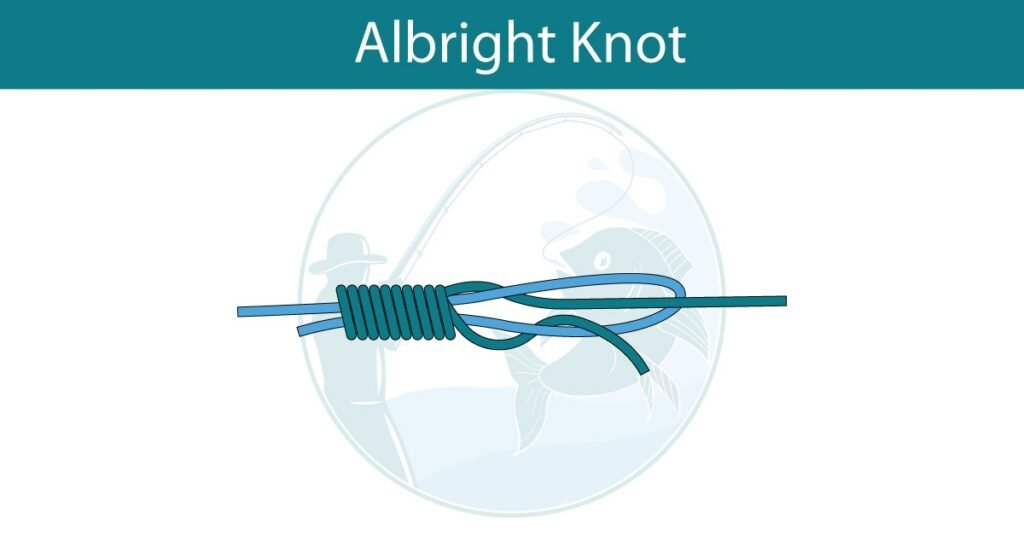
Credit: fishhunted.com
Essential Tools And Materials
Connecting fishing line properly needs the right tools. These tools help make strong, clean knots and protect your line.
Using the correct materials also keeps your fishing line smooth and easy to handle. This guide covers two main tool types you need.
Knives And Scissors
Sharp knives or scissors are essential to cut fishing line cleanly. A clean cut prevents fraying and helps knots hold better.
- Use scissors designed for fishing or sharp utility knives.
- Keep blades clean and sharp to avoid crushing the line.
- Choose compact tools for easy carrying on trips.
- Consider scissors with a notch for cutting braided lines.
Line Conditioners And Lubricants
Line conditioners and lubricants protect and smooth your fishing line. They reduce friction and prevent line damage.
| Type | Purpose | Benefits |
| Line Conditioner | Softens line fibers | Reduces memory and tangles |
| Lubricant | Reduces friction during casting | Improves casting distance and knot strength |
| Anti-abrasion Coating | Protects against rough surfaces | Extends line life |
Popular Fishing Knots For Connecting Lines
Connecting fishing lines securely is important for a good catch. Using the right knot keeps your line strong and reliable.
This guide explains four popular knots that anglers use to join fishing lines with ease and strength.
Improved Clinch Knot
The Improved Clinch Knot is common for tying a line to a hook or lure. It is simple and holds well under pressure.
- Thread the line through the eye of the hook.
- Wrap the tag end around the standing line 5-7 times.
- Pass the tag end through the small loop near the eye.
- Then pass it through the big loop created.
- Moisten the knot and pull tight.
Palomar Knot
The Palomar Knot is strong and easy to tie. It works well with braided and monofilament lines.
- Double about 6 inches of line and pass it through the hook eye.
- Tie a loose overhand knot with the doubled line.
- Pass the hook through the loop.
- Pull the loop over the hook.
- Moisten and pull both ends to tighten.
Blood Knot
The Blood Knot joins two lines of similar diameter. It is smooth and strong, ideal for leader lines.
| Step | Instruction |
|---|---|
| 1 | Overlap two line ends about 6 inches. |
| 2 | Wrap one tag end around the other line 5 times. |
| 3 | Pass the tag end back between the two lines. |
| 4 | Repeat with the other tag end in the opposite direction. |
| 5 | Moisten and pull both standing lines to tighten. |
Double Uni Knot
The Double Uni Knot is easy and works for lines of different thickness. It is strong and reliable for many fishing setups.
- Overlap the two line ends about 6 inches.
- Tie a simple overhand knot with one line around the other.
- Tie a similar knot with the second line around the first.
- Moisten the knots and pull both standing lines.
- Slide the two knots together and tighten.
Step-by-step Knot Tying Techniques
Connecting fishing lines is important for a strong, reliable setup. Using the right knots ensures your line holds well.
This guide shows simple steps to tie knots for joining fishing lines securely and easily.
Preparing The Line Ends
Start with clean, dry line ends. Cut them evenly with sharp scissors or a line cutter.
Remove any frays or damaged parts. This helps the knot hold better and prevents slips.
- Use sharp scissors for a clean cut
- Check both line ends for damage
- Trim any frayed fibers carefully
Executing Each Knot
Choose a knot type like the Double Uni or the Blood Knot. Both work well for joining lines.
Follow these steps to tie the Double Uni knot:
- Overlap line ends by 6 inches
- Make a loop with one line around the other
- Wrap the tag end 5 times around the loop
- Pull the tag end through the loop
- Repeat on the other line
- Pull both standing lines slowly to tighten
The Blood Knot uses a similar wrapping method with twists on each side before tightening.
Securing And Testing The Knot
After tying, wet the knot with water or saliva. This reduces friction and helps tighten the knot smoothly.
Pull both ends firmly to set the knot. Check for any slipping or loose loops.
- Wet the knot before tightening
- Pull slowly and firmly on both ends
- Trim tag ends close to the knot
- Test the knot by pulling hard
- Retie if the knot slips or feels weak
Tips For Stronger, More Secure Knots
Connecting fishing lines properly keeps your catch safe. Strong knots stop the line from slipping or breaking.
Use the right techniques to make your knots last longer and hold firm in water.
Maintaining Proper Tension
Keep steady tension on the line while tying knots. Too much slack makes knots weak and easy to unravel.
- Hold the line tight but not too hard
- Keep fingers close to the knot as you pull
- Adjust tension slowly to avoid snapping
Wet The Line Before Tightening
Wet your fishing line with water or saliva before pulling the knot tight. This reduces friction and heat.
| Effect | Benefit |
|---|---|
| Dry Knot | Friction can weaken the line and cause damage |
| Wet Knot | Line slides smoothly, creating a tighter, stronger knot |
Trimming Excess Line
Cut off extra line after tying your knot to stop it from catching on weeds or gear.
- Leave about 1/8 inch to prevent slipping
- Use sharp scissors or clippers for a clean cut
- Avoid leaving long tails that can tangle

Credit: www.youtube.com
Common Mistakes To Avoid
Connecting fishing line properly is key for a strong hold and good catch. Many anglers make simple errors that weaken the line connection.
Learn about common mistakes to avoid. This helps keep your fishing line secure and prevents losing fish.
Improper Knot Tightening
Not tightening knots enough can cause them to slip and fail. Tightening too much can damage the line.
- Pull knots slowly and firmly to secure them.
- Moisten the line before tightening to reduce friction.
- Check the knot after tying to ensure it holds.
Using The Wrong Knot For Line Type
Different fishing lines need different knots. Using the wrong knot can weaken the line or cause breakage.
| Line Type | Best Knot |
| Monofilament | Improved Clinch Knot |
| Fluorocarbon | Palomar Knot |
| Braid | Double Uni Knot |
Ignoring Line Wear And Damage
Old or damaged line can break easily. It is important to check your line often.
- Look for frays, cuts, or thin spots on the line.
- Replace the line if you see any damage.
- Inspect knots and connections regularly.
When To Replace Your Fishing Line
Fishing line is a key part of your gear. It wears out with use and time. Knowing when to replace it helps avoid losing fish or gear.
Replacing your line at the right time keeps your fishing smooth and safe. Watch for signs that show your line is weak or old.
Signs Of Line Weakness
Check your fishing line often for damage. Weak lines can break easily, costing you a catch. Look for these signs:
- Frays or nicks along the line
- Discoloration or fading
- Stiff or brittle sections
- Loss of smoothness or stretch
- Line slips on the reel
If you notice any of these, replace the line to avoid breakage during fishing.
Frequency Of Replacement
| Type of Line | Replacement Frequency |
| Monofilament | Every 3-6 months |
| Fluorocarbon | Every 6-12 months |
| Braid | Every 12 months or when damaged |
Replace your line more often if you fish in rough conditions. Saltwater and heavy use wear it faster. Regular checks help keep your line strong.
Frequently Asked Questions
How Do I Tie Two Fishing Lines Together?
Use the double uni knot for strong, reliable connections. Overlap lines, make loops with each end, and pull tight. This knot maintains line strength and is easy to tie, making it perfect for joining different line types or sizes.
What Is The Best Knot For Connecting Fishing Lines?
The double uni knot is the best for connecting lines. It’s strong, easy to tie, and works well with different line materials. This knot prevents slippage and keeps your line at maximum strength during fishing.
Can I Connect Braided And Monofilament Lines?
Yes, use the double uni knot to connect braided and monofilament lines. It securely joins different line types without weakening the connection. Make sure to moisten the knot before tightening to avoid friction damage.
How Do I Prevent Line Slippage When Connecting Lines?
To prevent slippage, use knots like the double uni or blood knot. Moisten the lines before tightening the knot to reduce friction. Pull the knot slowly and firmly to ensure a secure hold that won’t slip during use.
Conclusion
Connecting fishing line is a vital skill for any angler. Mastering it ensures successful fishing adventures. With practice, tying knots becomes second nature. Start with simple knots and gradually try more complex ones. Remember, patience and practice are key. Use the right tools and materials for best results.
Always check your knots before casting. This prevents mishaps and lost catches. Take time to learn and improve. Soon, you’ll be tying fishing lines with confidence. Enjoy your time on the water. Happy fishing!