Are you tired of struggling to connect your garden hose to the faucet? It might seem simple, but if it’s not done right, you could waste water, damage your hose, or make watering your plants harder than it needs to be.
Imagine turning on the faucet and having water flow smoothly through your hose every time, no leaks, no hassle. In this guide, you’ll learn exactly how to connect your garden hose to your faucet quickly and securely. Keep reading, and you’ll be ready to tackle your watering tasks like a pro.

Credit: www.erynwhalenonline.com
Choosing The Right Hose And Faucet Adapter
Connecting a garden hose to a faucet needs the right hose and adapter. This helps avoid leaks and ensures water flows well.
Picking the right parts is simple if you know what to look for. This guide explains how to choose the best hose and faucet adapter.
Selecting The Right Garden Hose
Choose a hose that fits your watering needs. Look at the length, material, and diameter.
Longer hoses reach farther but may lose pressure. Thick hoses last longer but can be heavy.
- Length: Pick a hose long enough for your garden size.
- Material: Rubber hoses are durable; vinyl hoses are lighter.
- Diameter: Larger diameters give more water flow.
Choosing The Correct Faucet Adapter
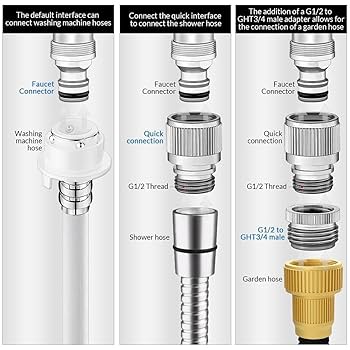
Faucet adapters connect your hose to the water source. They come in different sizes and types.
Match the adapter size to your faucet and hose to prevent leaks and ensure a tight fit.
- Check faucet thread size, usually ¾ inch in the US.
- Adapters can be brass, plastic, or metal. Brass is durable.
- Use quick-connect adapters for easy hose changes.
Credit: www.amazon.ca
Gathering Necessary Tools
Connecting a garden hose to a faucet is a simple task. You need the right tools to do it properly.
Gather everything before you start. This saves time and makes the job easier.
Garden Hose
Choose a garden hose that fits your watering needs. Make sure it is the correct length and diameter for your tasks.
Faucet Connector
A faucet connector joins the hose to the faucet. It must fit the faucet size and thread type to prevent leaks.
Hose Washer
The hose washer is a small rubber ring inside the connector. It stops water from leaking at the connection point.
- Check if your hose connector has a washer.
- Replace old washers if they are cracked or missing.
- Keep spare washers handy for future use.
Wrench Or Pliers
A wrench or pliers can help tighten the connector securely. Use them carefully to avoid damaging the faucet or hose.
Teflon Tape
Teflon tape wraps around the faucet threads. It creates a tight seal to prevent leaks at the connection.
| Tool | Purpose | Tip |
|---|---|---|
| Garden Hose | Carry water to plants | Choose length and diameter as needed |
| Faucet Connector | Connect hose to faucet | Match faucet thread size |
| Hose Washer | Prevent water leaks | Replace if worn out |
| Wrench or Pliers | Tighten connections | Use gently to avoid damage |
| Teflon Tape | Seal faucet threads | Wrap clockwise on threads |
Preparing The Faucet
Connecting a garden hose to a faucet starts with preparing the faucet properly. This helps ensure a tight fit and prevents leaks.
Before attaching your hose, check the faucet and clean the area around it. These steps make the connection easier and safer.
Checking Faucet Compatibility
Not all faucets fit garden hoses. Check if your faucet has a threaded spout that matches the hose connector.
Most garden hoses use a 3/4-inch diameter thread. Look for this size on your faucet to ensure compatibility.
- Standard outdoor faucets usually fit garden hoses
- Indoor faucets may need an adapter
- Look for a threaded metal spout, not a smooth one
Cleaning The Faucet Area
Clean the faucet’s spout before connecting the hose. Dirt or rust can cause leaks or damage the hose washer.
Use a cloth or a small brush to remove any buildup. Make sure the faucet is dry before attaching the hose.
- Remove dirt, leaves, or rust from the faucet
- Check the faucet washer for cracks or wear
- Replace the washer if it looks damaged
Attaching The Hose Adapter
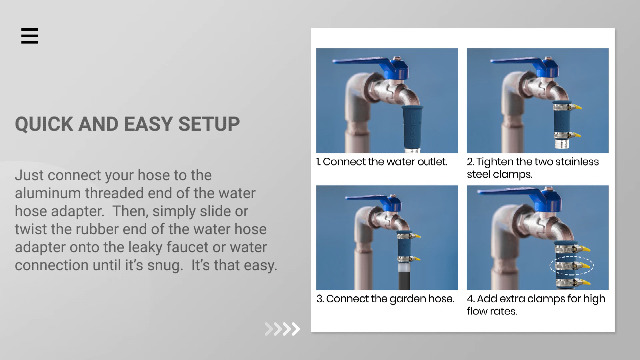
Connecting a garden hose to a faucet needs a hose adapter. This adapter helps fit the hose to the faucet properly. It makes sure water flows without leaks.
This guide shows how to install the hose adapter and ensure it fits tightly. Follow simple steps for a secure connection.
Installing The Adapter
First, check the faucet for any dirt or old tape. Clean it well. Then, take the hose adapter and line it up with the faucet threads.
Turn the adapter clockwise to screw it onto the faucet. Tighten it by hand until it feels snug. Avoid using tools that might damage the threads.
Ensuring A Secure Fit
After installing, check if the adapter fits tightly. You can wrap plumber’s tape around the faucet threads before attaching the adapter. This helps prevent leaks.
Once the adapter is on, attach the garden hose by pushing it onto the adapter and tightening its collar. Make sure it does not wobble or come loose.
- Clean faucet threads before installation
- Use plumber’s tape for a tight seal
- Screw adapter on by hand only
- Secure hose connection firmly
Connecting The Garden Hose
Connecting a garden hose to a faucet is simple and quick. It helps you water plants and clean outdoor areas.
Follow easy steps to make sure the hose fits well and does not leak.
Aligning The Hose
Start by holding the hose end near the faucet. Make sure the threads on the hose and faucet match.
Turn the hose end so it lines up with the faucet threads. Avoid forcing the hose to prevent damage.
- Check if the hose has a rubber washer inside
- Make sure the faucet threads are clean and free of dirt
- Hold the hose straight to avoid cross-threading
Securing The Connection
Once aligned, twist the hose clockwise onto the faucet threads. Turn until it feels tight but not too hard.
Check the connection by turning on the water slowly. Look for leaks and tighten if needed.
- Hand-tighten the hose; avoid using tools
- Replace the rubber washer if you see leaks
- Turn off water before loosening the hose
Testing The Connection
After attaching your garden hose to the faucet, it is important to test the connection. This ensures water flows properly and there are no problems.
Testing helps prevent leaks and maintains good water pressure for your gardening or cleaning tasks.
Checking For Leaks
Turn on the faucet slowly and watch the connection point. Look carefully for any water dripping or spraying out.
Leaks can cause water waste and damage. If you find a leak, tighten the hose connector or replace the washer inside.
- Start with faucet off
- Attach hose tightly
- Turn faucet on slowly
- Look at hose and faucet joint
- Tighten or fix if water leaks
Adjusting Water Pressure
Check the water pressure after the connection is leak-free. High pressure may damage the hose or plants.
You can control pressure by partially opening the faucet or using a pressure regulator if needed.
- Open faucet slowly
- Observe water flow from hose
- Adjust faucet handle for less or more water
- Use pressure regulator for steady flow
Troubleshooting Common Issues
Connecting a garden hose to a faucet is usually easy. Sometimes, problems like leaks or low water pressure happen. Knowing how to fix these issues saves time and water.
Below are tips for handling leaks and dealing with low water pressure. Follow these simple steps to keep your watering tasks smooth.
Handling Leaks
Leaks often happen at the connection point between the hose and faucet. Check if the hose washer is worn or missing. A damaged washer causes water to drip.
Also, make sure the hose is screwed on tight but not too tight. Over-tightening can damage the threads and cause leaks.
- Replace old or missing hose washers
- Hand-tighten the hose to the faucet
- Inspect the faucet threads for damage
- Use plumber’s tape to seal threads if needed
Dealing With Low Water Pressure
Low water pressure can make watering slow and frustrating. First, check if the faucet is fully open. Partially closed faucets reduce water flow.
Next, look for kinks or twists in the hose. These block water flow and lower pressure. Clean the hose filter screen if your faucet has one.
- Open the faucet completely
- Remove hose kinks or twists
- Clean or replace hose filter screens
- Check for leaks that reduce pressure

Credit: www.amazon.com
Maintenance Tips For Longevity
Connecting your garden hose to a faucet is easy. Keeping it in good shape helps it last longer. Simple care can stop leaks and damage.
Follow these tips to store, inspect, and clean your hose. This keeps water flowing well and saves you money.
Storing The Hose Properly
Store your garden hose in a cool, dry place. Avoid leaving it in direct sun or freezing weather. This stops cracks and wear.
Use a hose reel or hanger to keep it off the ground. Coil the hose loosely to prevent kinks and tangles.
- Keep hose away from sharp objects
- Do not stretch hose when storing
- Drain water before storing to avoid freezing
- Store indoors during winter months
Regular Inspection And Cleaning
Check your hose often for cracks, leaks, or damage. Fix small problems early to avoid bigger ones.
Clean the hose and faucet connectors to stop dirt and debris build-up. This keeps water flowing freely.
- Look for soft spots or holes on the hose
- Replace washers inside connectors if worn
- Flush hose with water to clear blockages
- Wipe connectors clean before attaching
Frequently Asked Questions
How Do I Attach A Garden Hose To A Faucet?
To attach a garden hose, first check the faucet size. Screw the hose connector clockwise onto the faucet until snug. Use a rubber washer inside the connector to prevent leaks. Hand-tighten firmly, but avoid over-tightening which can damage threads.
What Tools Do I Need To Connect A Garden Hose?
Usually, no tools are needed. Hand-tightening the hose connector suffices. If the connection is tight, a pair of pliers may help. Use care to avoid damaging the faucet or hose threads.
Why Is My Garden Hose Leaking At The Faucet?
Leaks often occur due to worn rubber washers or loose connections. Replace old washers and tighten the hose connector properly. Also, check for cracks in the hose end or faucet threads.
Can I Connect Two Garden Hoses Together?
Yes, use a hose connector or coupling to join two hoses. Ensure both hoses have compatible fittings. This extends your watering reach conveniently.
Conclusion
Connecting a garden hose to a faucet is simple and quick. Start with clean threads on both hose and faucet. Screw the hose tightly to avoid leaks. Check the connection by turning on the water slowly. Tighten more if you see drips.
Use a washer inside the hose connector for a better seal. This helps keep water flowing where you need it. Following these easy steps saves you time and water. Now, your garden hose is ready for watering tasks. Enjoy a hassle-free watering experience every time.