Are you ready to make your cleaning tasks easier and faster? Connecting your garden hose to a pressure washer might sound tricky, but it’s actually simple once you know the right steps.
Imagine saving time and effort while getting your driveway, deck, or car sparkling clean. In this guide, you’ll learn exactly how to connect your garden hose to your pressure washer quickly and safely. Keep reading, and you’ll be ready to power up your cleaning game in no time!
Choosing The Right Hose
Connecting a garden hose to your pressure washer needs the right hose. The right hose helps you clean well and avoids leaks.
Choosing the right hose means thinking about length, diameter, and material. These factors affect how well the hose works.
Length And Diameter
Pick a hose length that lets you move around your work area easily. Too short means you can’t reach far. Too long can lower water pressure.
The hose diameter affects water flow. A larger diameter lets more water flow but may not fit your pressure washer. Check your pressure washer’s size.
- Use 25 to 50 feet for most jobs
- Diameter usually is 5/8 inch or 3/4 inch
- Match diameter to your pressure washer’s inlet size
Material Considerations
Hose material affects its durability and flexibility. Some materials handle pressure better and last longer outside.
Look for hoses made of materials that resist kinks and cracks. This keeps water flow steady and stops leaks.
- Rubber hoses are strong and flexible
- Vinyl hoses are lighter but less durable
- Reinforced hoses handle high pressure well

Credit: www.amazon.ca
Gather Necessary Tools
Connecting a garden hose to a pressure washer needs some tools. Preparing them first saves time and trouble.
Make sure you have all parts ready before starting. This helps the connection work well and stay safe.
Required Attachments
The main attachments link your garden hose to the pressure washer. They must fit tightly to avoid leaks.
- Standard garden hose with a female connector
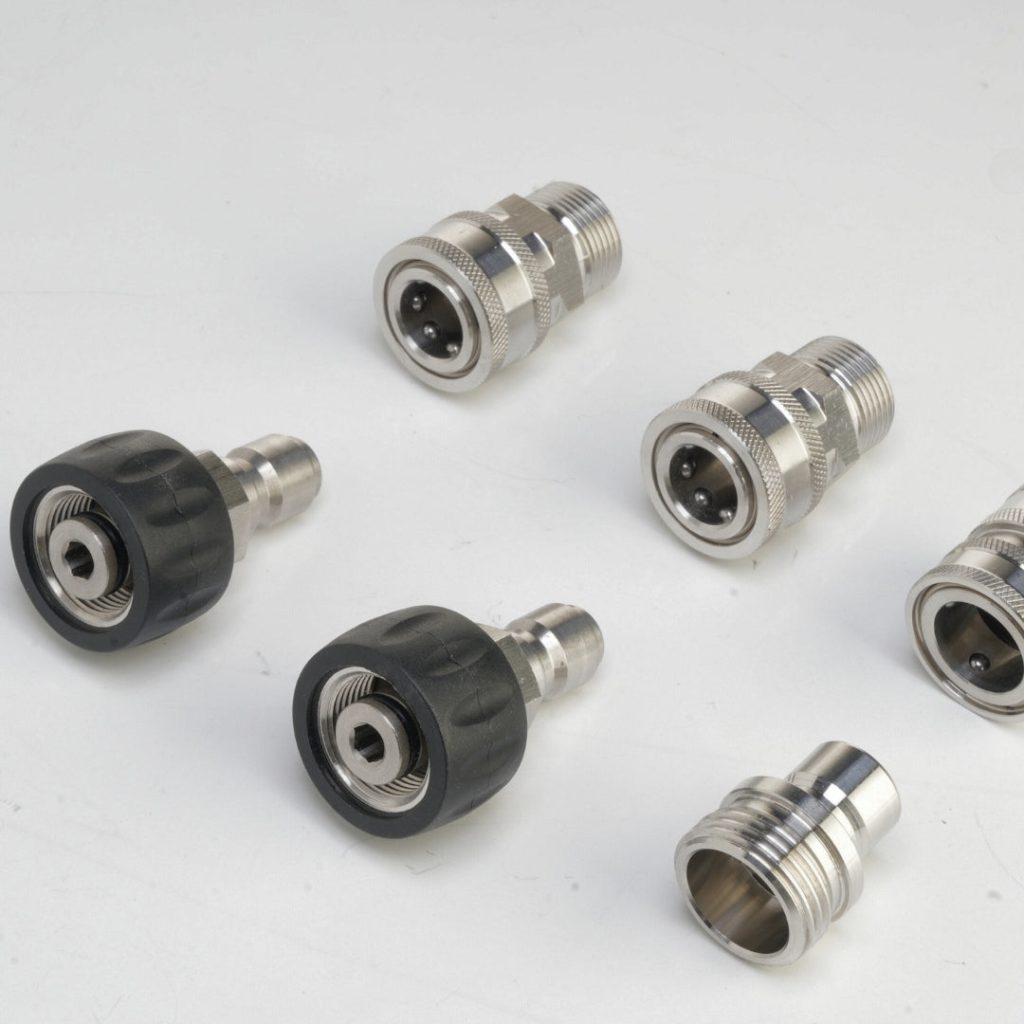
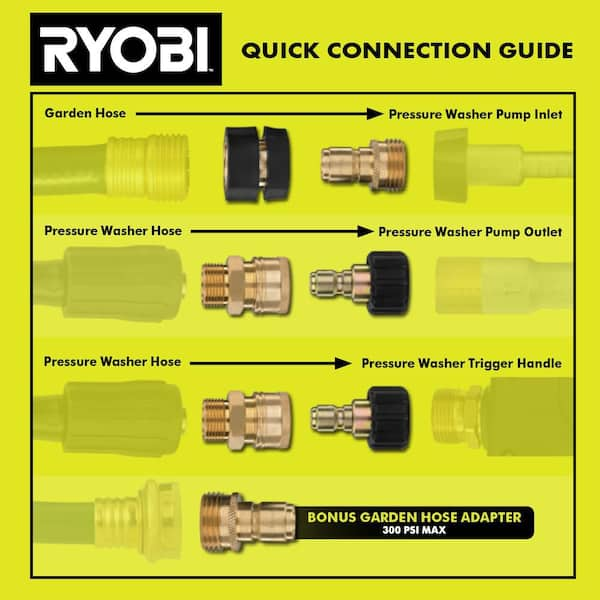
- Pressure washer inlet adapter or hose connector
- Thread seal tape (Teflon tape) to prevent leaks
- Quick-connect fittings if your washer supports them
Additional Accessories
Extra tools can make using your pressure washer easier and safer. These accessories help control water flow and protect equipment.
| Accessory | Purpose |
| Water filter | Prevents dirt from entering the pressure washer |
| Hose reel | Keeps your hose organized and tangle-free |
| Pressure regulator | Controls water pressure for delicate jobs |
| Hose clamps | Secure connections firmly |
Inspecting The Hose And Washer
Before connecting your garden hose to a pressure washer, check both for any problems. This helps avoid leaks and damage during use.
Inspecting these tools carefully ensures they work safely and last longer.
Checking For Damage
Look for cracks, holes, or worn parts on the garden hose and pressure washer. These issues can cause water leaks or loss of pressure.
- Check the hose for soft spots or cracks along its length.
- Examine the connectors for rust or broken threads.
- Inspect the pressure washer’s inlet and outlet for damage.
- Look for any loose or missing parts on both tools.
Ensuring Proper Functionality
Make sure the hose and pressure washer work correctly before connecting. This avoids problems during operation.
| Check | What to Do |
| Hose Flow | Run water through hose to ensure steady flow |
| Pressure Washer | Turn on briefly to confirm water sprays properly |
| Connections | Test fit hose to washer connectors for tight seal |
| Seals | Check rubber washers inside connectors for wear or cracks |
Attaching The Hose To The Pressure Washer
Connecting your garden hose to a pressure washer is simple. A proper connection helps the machine work well.
Make sure the hose fits tightly to avoid water leaks or damage to the pressure washer.
Securing Connections
First, check the hose end and pressure washer inlet for any dirt or damage. Clean if needed. This keeps the connection strong.
Attach the hose to the water inlet on the pressure washer. Turn the connector clockwise to tighten it. Hand-tighten only to avoid damage.
- Align the hose connector to the water inlet
- Push the hose connector firmly onto the inlet
- Turn the connector clockwise until snug
- Avoid over-tightening to prevent cracks
Testing For Leaks
Turn on the water supply slowly after attaching the hose. Watch the connection point closely for leaks.
If you see water dripping, tighten the connection more. If leaks continue, check the washer or hose for damage.
- Turn water on slowly
- Look for drips at the hose connection
- Tighten connector if water leaks
- Replace hose or washer part if leaks remain
Tips For Optimal Performance
Connecting a garden hose to a pressure washer correctly helps you clean better. Good setup keeps water pressure steady and avoids damage.
Follow simple tips for the best results and to keep your machine working well for a long time.
Maintaining Water Pressure
Strong water pressure gives your pressure washer the power it needs. Use these tips to keep the pressure high and steady.
- Check the garden hose for cracks or leaks before use.
- Use a hose that is at least 5/8 inch in diameter for better flow.
- Keep the hose as straight as possible, avoid kinks or loops.
- Connect the hose tightly to the pressure washer to stop leaks.
- Turn on the water supply fully before starting the pressure washer.
- Use a filter on the hose to stop dirt from blocking the pump.
Avoiding Common Mistakes
Many users make errors that reduce cleaning power or damage equipment. Avoid these mistakes for safe and effective use.
| Common Mistake | Effect | How to Avoid |
|---|---|---|
| Using a damaged hose | Water leaks and low pressure | Inspect and replace damaged hoses |
| Loose connections | Water sprays out, lowers pressure | Firmly tighten all hose fittings |
| Starting washer without water | Pump damage from dry running | Always turn on water before starting |
| Using a hose that is too thin | Reduced water flow and pressure | Use the recommended hose size |
| Ignoring hose kinks | Blocks water flow | Straighten hose before use |

Credit: westinghouseoutdoorpower.com
Safety Precautions
Connecting a garden hose to a pressure washer requires care. Safety measures help prevent accidents and damage. Always follow safety rules before and during use.
Knowing the right protective gear and safe operating practices keeps you and others safe. Read all instructions before starting the connection process.
Protective Gear
Wear the proper gear to protect yourself from water pressure and debris. Use safety items that cover your body well.
- Wear safety goggles to protect your eyes.
- Use gloves to avoid hand injuries and improve grip.
- Wear closed-toe shoes to protect your feet.
- Consider ear protection if the pressure washer is loud.
- Use long pants and sleeves to protect your skin.
Safe Operating Practices
Follow these rules to operate your pressure washer safely and connect the hose properly.
| Practice | Reason |
| Turn off the pressure washer before connecting the hose | Prevents sudden water bursts |
| Check hose and connectors for damage before use | Avoids leaks and accidents |
| Securely tighten all fittings | Prevents disconnection during use |
| Keep the hose clear of sharp edges and hot surfaces | Prevents hose damage |
| Never point the spray wand at people or animals | Prevents injury from high-pressure water |
Credit: www.homedepot.com
Frequently Asked Questions
How Do I Connect A Garden Hose To A Pressure Washer?
To connect, attach the garden hose to the pressure washer’s water inlet. Ensure the hose end and washer fitting are clean. Screw the hose connector tightly to avoid leaks. Turn on the water supply before starting the pressure washer.
What Adapters Are Needed For Hose To Pressure Washer?
Most pressure washers require a standard garden hose connector or quick-connect adapter. Check your pressure washer’s manual for specific fitting sizes. Use brass or durable plastic adapters for a secure and leak-free connection.
Can I Use Any Garden Hose With A Pressure Washer?
Use a high-quality, kink-free garden hose rated for pressure washers. Avoid old, cracked, or thin hoses as they may burst. A hose diameter of 5/8 inch is typically best for optimal water flow.
How Do I Prevent Leaks When Attaching A Garden Hose?
Ensure both hose and pressure washer fittings are clean and undamaged. Use Teflon tape on threaded connections for a tighter seal. Tighten fittings firmly but avoid over-tightening, which can damage connectors.
Conclusion
Connecting a garden hose to a pressure washer is simple and quick. Make sure the hose fits tightly to avoid leaks. Check the washer’s manual for any special instructions. Turn on the water before starting the machine. Keep the hose straight and free from kinks.
This helps water flow smoothly without blockages. Regularly inspect the connections for safety. Proper setup saves time and protects your equipment. Now you can clean surfaces more easily and effectively. Enjoy your pressure washer working at its best!