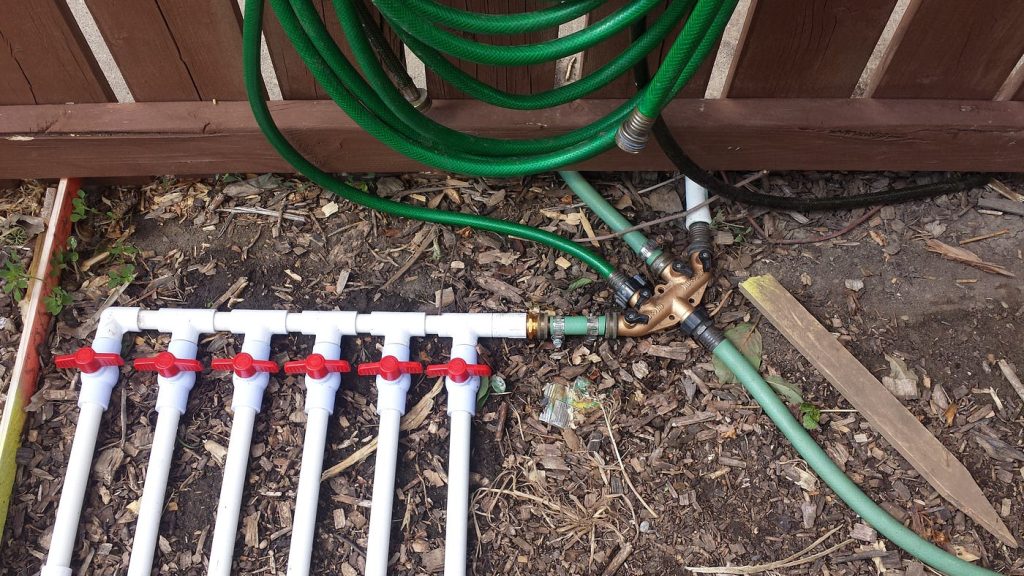
Are you struggling to connect your garden hose to a PVC pipe without leaks or hassle? You’re not alone.
Getting a secure, watertight connection can seem tricky at first, but it doesn’t have to be. Imagine watering your plants easily, without worrying about drips or weak joints. In this guide, you’ll discover simple, step-by-step tips to make the connection strong and reliable.
By the end, you’ll feel confident handling this task like a pro, saving time and avoiding costly mistakes. Keep reading to learn how to connect your garden hose to a PVC pipe quickly and effectively!

Credit: medium.com
Tools And Materials Needed
Connecting a garden hose to a PVC pipe needs some basic tools and materials. Getting the right parts helps you make a strong, leak-free connection.
This guide lists what you need to connect your garden hose to a PVC pipe easily and safely.
Garden Hose Essentials
You need a garden hose that fits your watering needs. Choose one with a durable outer layer to avoid cracks and leaks.
Check the hose diameter. Most garden hoses are 5/8 inch or 3/4 inch wide. This size matters for matching connectors.
- Garden hose (5/8″ or 3/4″ diameter)
- Hose end with threaded connector
- Hose clamps or quick-connect fittings
- Waterproof tape (optional for sealing)
Pvc Pipe Components
Choose the right PVC pipe size that fits your garden hose connection. Usually, 1/2 inch or 3/4 inch PVC pipe works well.
You also need specific PVC fittings to attach the hose. These parts help secure the hose and prevent leaks.
- PVC pipe (1/2″ or 3/4″ diameter)
- PVC pipe cutter or saw
- PVC primer and cement (for strong joints)
- PVC threaded adapter or hose bibb adapter
Additional Fittings And Tools
Extra fittings and tools make the connection easier and more secure. Use hose clamps to keep the hose tight on the fittings.
Some tools help prepare the pipe and hose ends for a good fit. Always have these ready before starting your project.
- Adjustable wrench or pliers
- Screwdriver (for hose clamps)
- Measuring tape
- Sandpaper (to smooth pipe edges)
- Hose clamps (to secure hose to fittings)

Credit: www.youtube.com
Preparing The Pvc Pipe
Connecting a garden hose to a PVC pipe involves several steps. Preparing the PVC pipe is crucial for a successful connection.
This process includes cutting the pipe to the right size and smoothing the edges. Proper preparation ensures a secure fit and prevents leaks.
Cutting To Size
Start by measuring the length of PVC pipe needed. Use a tape measure for accuracy. Mark the pipe where it needs to be cut.
Use a PVC cutter or a fine-toothed saw to cut the pipe. Make sure the cut is straight to ensure a good fit with connectors.
- Measure twice, cut once
- Ensure the cut is clean and even
- Wear safety goggles to protect your eyes
Cleaning And Smoothing Edges
After cutting, the edges of the PVC pipe might be rough. These need to be smoothed out to prevent leaks.
Use sandpaper or a deburring tool to smooth the edges. This helps in making a tight seal with the hose connector.
- Remove any burrs or sharp edges
- Check for cracks or damage after smoothing
- Ensure the edges are even for a snug fit
Choosing The Right Connector
Connecting a garden hose to a PVC pipe needs the right connector. The correct connector stops leaks and keeps water flowing.
Choosing the right type and size of connector is important. This guide explains how to pick the best one for your setup.
Types Of Hose Connectors
There are several types of hose connectors for PVC pipes. Each type fits different needs and hose styles.
Common types include slip connectors, threaded connectors, and quick-connect fittings. Slip connectors slide onto the pipe. Threaded connectors screw onto the pipe. Quick-connect fittings attach and detach easily.
- Slip Connectors:Simple and easy to use. Good for permanent connections.
- Threaded Connectors:Screw on for a tight fit. They work well for pressure connections.
- Quick-Connect Fittings:Snap on and off quickly. Ideal for tools and hoses you change often.
Matching Connector Sizes
Connector size must match both the garden hose and the PVC pipe size. A wrong size causes leaks or poor flow.
Measure the outer diameter of the PVC pipe and the inner diameter of the hose. Check connector labels for size details.
- Use a tape measure to find the pipe diameter.
- Look at the hose label for its diameter.
- Choose a connector that fits both sizes exactly.
- If needed, use adapters for different sizes.
Attaching The Connector To Pvc Pipe
Connecting a garden hose to a PVC pipe requires a strong and leak-proof joint. This guide explains how to attach the connector properly. You will learn about preparing the pipe and fitting the connector securely.
Using the right tools and materials is important. Follow each step carefully to ensure a tight fit that lasts through many watering sessions.
Applying Primer And Cement
Primer cleans and softens the PVC surface. Cement then bonds the connector to the pipe. Both are needed for a solid connection.
- Use a clean cloth to wipe the pipe end.
- Apply primer evenly on the outside of the pipe and inside the connector.
- Wait a few seconds for the primer to dry.
- Apply PVC cement to the same areas as the primer.
- Work quickly before the cement begins to set.
Fitting The Connector Securely
After applying cement, push the connector onto the pipe. Hold it firmly to avoid movement. A tight fit prevents leaks and ensures durability.
| Action | Detail |
| Insert Connector | Push fully onto the pipe with a twisting motion. |
| Hold Firm | Keep steady for 30 seconds to let cement set. |
| Check Alignment | Make sure connector is straight and not tilted. |
| Wait Before Use | Let the joint dry for at least 15 minutes before use. |
Connecting The Garden Hose
Connecting a garden hose to a PVC pipe is a common task for watering needs. It helps you extend your water supply easily.
This guide will focus on how to thread the hose and secure it properly with clamps or fittings.
Threading The Hose
Start by preparing the end of the garden hose. Cut the hose cleanly and remove any debris inside.
Next, thread the hose onto the PVC pipe fitting carefully. Turn the hose clockwise until it feels tight.
- Make sure the hose end matches the pipe fitting size.
- Use a lubricant like soapy water for easier threading.
- Do not force the hose too hard to avoid damage.
Securing With Clamps Or Fittings
After threading, secure the connection using clamps or special fittings. This prevents leaks and hose slippage.
| Type | Description | Use Case |
| Worm Gear Clamp | Adjustable metal band tightened by screw | Best for tight sealing on garden hoses |
| Spring Clamp | Metal band that uses spring tension | Easy to install and remove |
| Push-Fit Fitting | Connects hose and pipe without tools | Quick connection for PVC to hose |
Place the clamp over the hose end on the pipe. Tighten it securely but do not over-tighten.
Check the connection by running water. Look for any leaks and tighten clamps if needed.
Testing For Leaks
After connecting your garden hose to the PVC pipe, it is important to test for leaks. Leaks can waste water and cause damage.
Checking for leaks ensures your connection is tight and secure. Follow these steps to find and fix any leaks.
Turning On Water Supply
Turn on the water supply slowly to avoid pressure shock. This helps you spot leaks easily.
Watch the connection area closely as water flows. Look for any drips or wet spots.
- Open the main valve or faucet slowly
- Observe the hose and pipe junction
- Stop if you see water spraying out
Checking Connection Points
Inspect all connection points between the hose and PVC pipe. Leaks often happen at these spots.
Feel around the joints and fittings for moisture. Tighten any loose connections you find.
- Check the hose end fitting
- Examine the PVC pipe adapter
- Look for cracks or holes
- Use plumber’s tape if needed
Troubleshooting Common Issues
Connecting a garden hose to a PVC pipe can sometimes lead to problems. Leaks and loose fittings are common challenges. Fixing these issues helps keep your watering system efficient.
This guide covers simple ways to solve leaks and tighten loose fittings. Use these tips to maintain a strong, leak-free connection.
Fixing Leaks
Leaks often happen where the hose meets the PVC pipe. They waste water and reduce pressure. Checking the connection and sealing properly is key.
- Turn off water and disconnect the hose.
- Inspect the hose end and PVC pipe for cracks or damage.
- Use plumber’s tape around the PVC threads to create a tight seal.
- Replace worn washers inside hose connectors.
- Reconnect the hose and slowly turn on water to check for leaks.
Dealing With Loose Fittings
Loose fittings cause the hose to wobble or disconnect easily. Tightening them properly prevents water loss and keeps the system stable.
| Cause | Fix |
|---|---|
| Cross-threaded connection | Unscrew and realign threads carefully before tightening. |
| Worn or missing washers | Replace washers inside the hose fitting. |
| Damaged hose end | Cut off damaged part and reattach new connector. |
| Loose PVC pipe threads | Apply plumber’s tape and hand-tighten fittings. |

Credit: www.amazon.com
Frequently Asked Questions
How Do I Connect A Garden Hose To Pvc Pipe?
To connect a garden hose to PVC pipe, use a hose adapter or fitting. Attach the adapter securely to the PVC pipe, then connect the hose. Ensure all connections are tight to prevent leaks.
What Tools Are Needed To Join Garden Hose And Pvc?
You’ll need a drill, PVC cutter, hose adapter, Teflon tape, and a wrench. These tools help create a clean, secure connection between the hose and pipe.
Can I Connect A Garden Hose Directly To Pvc Pipe?
No, direct connection isn’t recommended. Use a proper hose adapter designed for PVC pipes to ensure a leak-free and durable connection.
How Do I Prevent Leaks When Connecting Hose To Pvc?
Apply Teflon tape on PVC threads before attaching the hose adapter. Tighten all fittings properly and check for leaks after connection.
Conclusion
Connecting a garden hose to a PVC pipe is simple with the right tools. Choose the correct fittings and seal them tightly to prevent leaks. Take your time to measure and cut the pipe carefully. A secure connection helps water flow smoothly for your garden needs.
This small task can save you time and water. Enjoy your well-connected watering system without any hassle. Keep these steps in mind for easy and effective results every time.