Are you tired of dragging your garden hose all the way to the outdoor faucet? What if you could easily connect your garden hose right to your sink inside?
It’s simpler than you think, and it can save you time and effort on watering, cleaning, or filling containers. In this guide, you’ll discover straightforward steps to make the connection quickly and securely. By the end, you’ll have a handy setup that makes your daily chores smoother and more efficient.
Ready to get started? Let’s dive in!
Tools And Materials Needed
Connecting a garden hose to a sink is easy with the right tools. You will need some basic items to make the connection secure and leak-free.
Gathering the correct materials will save time and prevent problems. This guide covers the main tools and parts needed.
Types Of Garden Hoses
Garden hoses come in different types. Choose one that fits your watering needs and sink connection.
- Vinyl Hoses:Lightweight and affordable, good for light use.
- Rubber Hoses:Durable and flexible, better for heavy use.
- Expandable Hoses:Compact and easy to store, expands with water pressure.
- Soaker Hoses:Designed for slow watering, ideal for gardens.
Sink Adapter Options
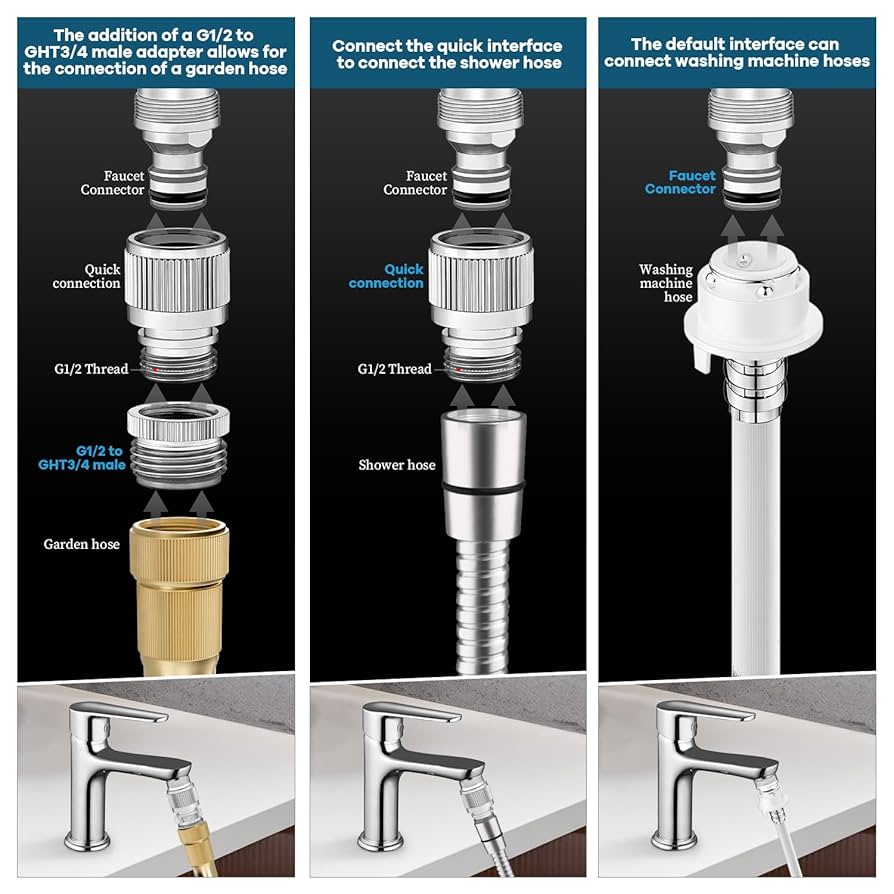
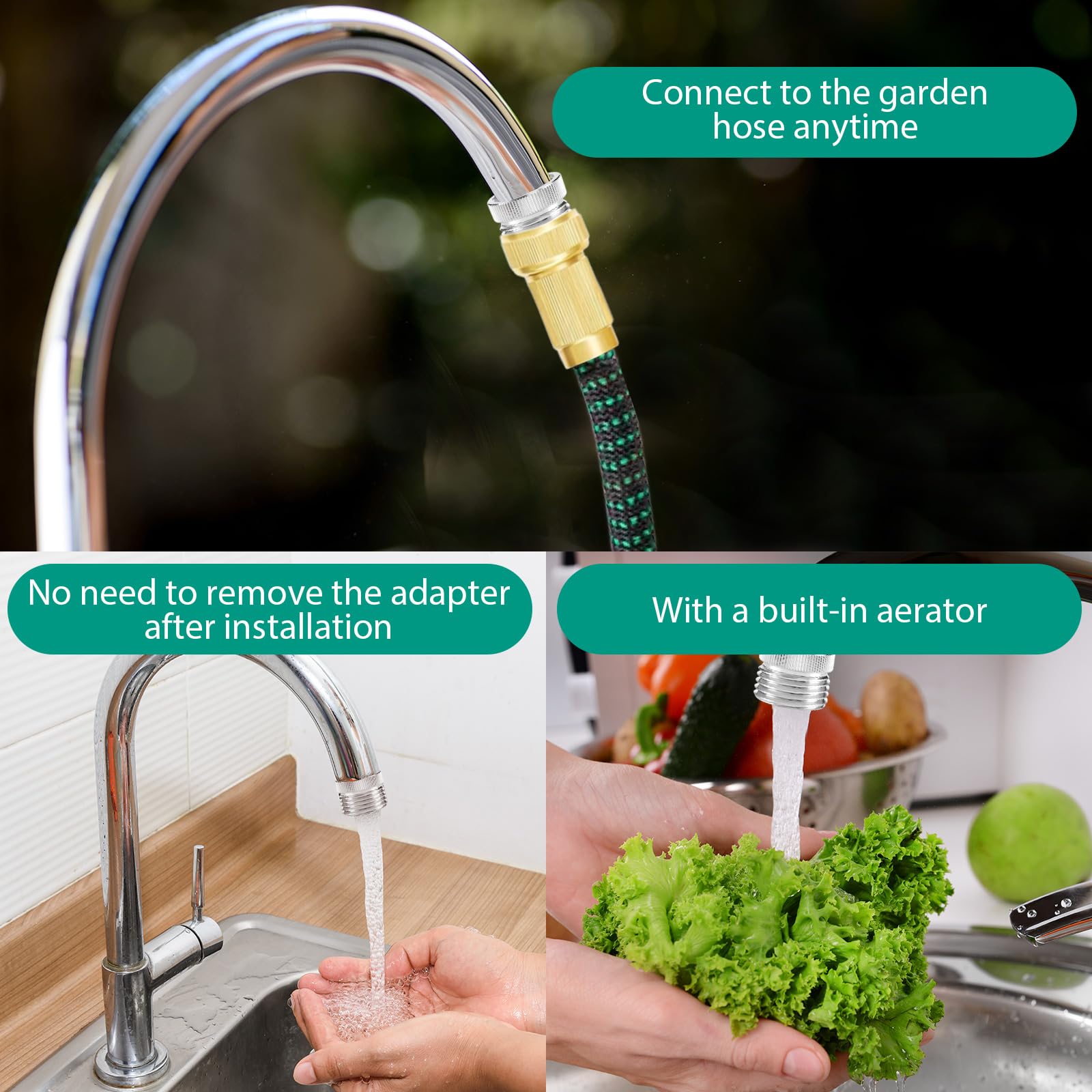
Adapters connect the garden hose to your sink faucet. Different types fit various faucet styles.
- Threaded Faucet Adapter:Screws onto faucet threads for a tight fit.
- Quick-Connect Adapter:Allows fast hose attachment and removal.
- Compression Faucet Adapter:Uses a compression ring for leak-proof connection.
- Tap Timer Adapter:Includes a timer for automatic watering control.
Additional Accessories
Extra tools and parts help improve the hose connection and use. These accessories make watering easier and safer.
- Hose Washers:Rubber rings that prevent leaks at connections.
- Hose Clamps:Secure the hose tightly to adapters or fittings.
- Spray Nozzles:Attach to hose ends to control water flow and spray pattern.
- Backflow Preventers:Stop water from flowing back into the sink.
- Teflon Tape:Wrap faucet threads to stop leaks when using adapters.
Credit: www.amazon.com
Preparing The Sink Faucet
Connecting a garden hose to your sink faucet can be useful. It helps in watering plants or cleaning without outdoor faucets. Let’s prepare your sink faucet for this task.
Ensuring your faucet is ready is important. It involves cleaning and checking the threads and sizes.
Cleaning The Faucet
A clean faucet ensures a tight connection. Remove any dirt or build-up. This helps the adapter fit properly.
Use a soft cloth and mild soap for cleaning. Avoid harsh chemicals that might damage the finish.
- Turn off water supply before cleaning
- Gently scrub the faucet with a damp cloth
- Rinse and dry the faucet thoroughly
Checking Threads And Sizes
Faucet threads and sizes must match the adapter. Check the threads to avoid leaks.
Measure the faucet size. This ensures you have the right adapter for the garden hose.
| Faucet Type | Thread Size |
| Standard Kitchen Faucet | 15/16 inch |
| Bathroom Faucet | 13/16 inch |
Choosing The Right Adapter
Connecting a garden hose to a sink needs the right adapter. Without it, water leaks or poor fit may happen.
Adapters come in different types. Picking the right one depends on your sink and hose fittings.
Threaded Adapters
Threaded adapters screw onto the sink faucet or hose end. They offer a tight and secure fit.
- Check the thread size of your sink faucet before buying.
- Common sizes are 3/4 inch and 1/2 inch.
- Use a rubber washer inside the adapter to prevent leaks.
- Threaded adapters are durable and good for permanent setups.
Quick-connect Adapters
Quick-connect adapters snap onto the faucet or hose. They are easy to attach and remove.
| Feature | Benefit |
| Push-fit design | Fast connection without tools |
| Rubber seals | Prevents leaks effectively |
| Suitable for temporary use | Easy to disconnect after use |
| Works with various thread sizes | Flexible for different faucets |
Attaching The Adapter To Sink
Connecting a garden hose to a sink needs an adapter. This adapter links the hose to the sink faucet.
There are two common adapters. One screws on the faucet threads. The other uses a quick-connect system.
Screwing On Threaded Adapter
First, check the sink faucet threads. Most sinks have standard sizes for adapters.
Turn the threaded adapter clockwise to screw it onto the faucet. Hand-tighten it firmly.
- Make sure the adapter fits the faucet size
- Align threads carefully to avoid damage
- Hand-tighten only, do not use tools
Securing Quick-connect Adapter
Quick-connect adapters snap onto the faucet for fast attachment. They use a locking collar or clip.
Push the adapter onto the faucet firmly. Slide the collar or clip to lock it in place.
- Clean the faucet surface before attaching
- Push the adapter until it clicks
- Lock the collar or clip to secure
- Test by pulling gently on the hose
Connecting The Garden Hose
Connecting a garden hose to your sink is easy and useful for many outdoor tasks. This guide helps you attach the hose securely to avoid leaks.
Follow simple steps to thread the hose onto the adapter and ensure a tight seal for a good water flow.
Threading The Hose Onto Adapter
First, check the hose end and adapter for matching threads. Align the hose threads with the adapter threads before turning.
- Hold the adapter firmly on the sink faucet.
- Place the hose end against the adapter threads.
- Turn the hose clockwise to screw it onto the adapter.
- Keep turning until the hose feels snug and stops easily.
Ensuring A Tight Seal
A tight seal stops water from leaking where the hose meets the adapter. Use these tips to check and improve the seal.
| Check Point | Action |
| Rubber Washer | Make sure it is inside the hose connector and not damaged |
| Thread Tightness | Hand-tighten the hose, then use pliers gently if needed |
| Leak Test | Turn on water slowly and watch for drips |
| Fix Leaks | Tighten more or replace washer if water leaks |

Credit: www.amazon.ca
Testing For Leaks
After connecting your garden hose to the sink, check for leaks. Leaks waste water and can cause damage.
Testing early helps you fix problems quickly. Follow simple steps to find and stop leaks.
Turning On Water Slowly
Turn the water on slowly to avoid sudden pressure. This helps you see if water escapes from the connection.
Watch the hose and faucet carefully as water starts to flow. Slow flow makes leaks easier to spot.
Fixing Common Leak Issues
Leaks often happen at the connection points. Check the hose end and the sink faucet for loose fittings.
Use these tips to fix common leaks:
- Tighten the hose connector by hand or with pliers
- Replace worn or cracked washers inside the connector
- Use plumber’s tape on threads to seal gaps
- Check the hose for holes and replace if needed
Maintenance Tips
Keeping your garden hose connected to the sink works best with regular care. Good maintenance stops leaks and damage.
Simple steps help your hose last longer and work well every time you use it.
Storing Hose Properly
Store your garden hose in a cool, dry place when not in use. This prevents cracks and splits caused by sun and cold.
Use a hose reel or hanger to keep it off the ground. This stops kinks and tangles that can cause damage.
- Drain water before storing to avoid freezing inside
- Keep hose away from sharp objects or rough surfaces
- Coil hose loosely to prevent bending or twisting
Regular Inspection Of Connections
Check your hose connections often for leaks or wear. Tighten loose fittings to stop water waste.
Look for cracks or rust on the connectors. Replace damaged parts early to keep the hose working well.
- Inspect rubber washers inside connectors for wear
- Clean dirt and debris from connection points
- Use plumber’s tape on threaded connections to seal leaks

Credit: www.amazon.ca
Frequently Asked Questions
How Do I Connect A Garden Hose To A Kitchen Sink?
Attach a faucet adapter to the sink’s faucet. Then, screw the garden hose onto the adapter securely. Ensure a tight fit to prevent leaks.
What Tools Are Needed To Connect A Hose To A Sink?
You need a faucet adapter, a wrench, and plumber’s tape. These tools help ensure a secure, leak-proof connection for your garden hose.
Can I Connect A Garden Hose To A Bathroom Sink?
Yes, if your bathroom faucet supports an adapter. Check the faucet size and use a compatible adapter to connect the hose properly.
How To Prevent Leaks When Attaching Hose To Sink?
Use plumber’s tape on the adapter threads. Tighten connections securely but avoid over-tightening to prevent damage and leaks.
Conclusion
Connecting a garden hose to a sink is simple with the right steps. Use the correct adapter for a tight fit. Always check for leaks before using water. Turn off the water supply when done. This prevents damage and saves water.
Keep tools and parts handy for easy setup. A well-connected hose makes watering easier. Try these tips to save time and effort. Enjoy a neat and functional garden space.