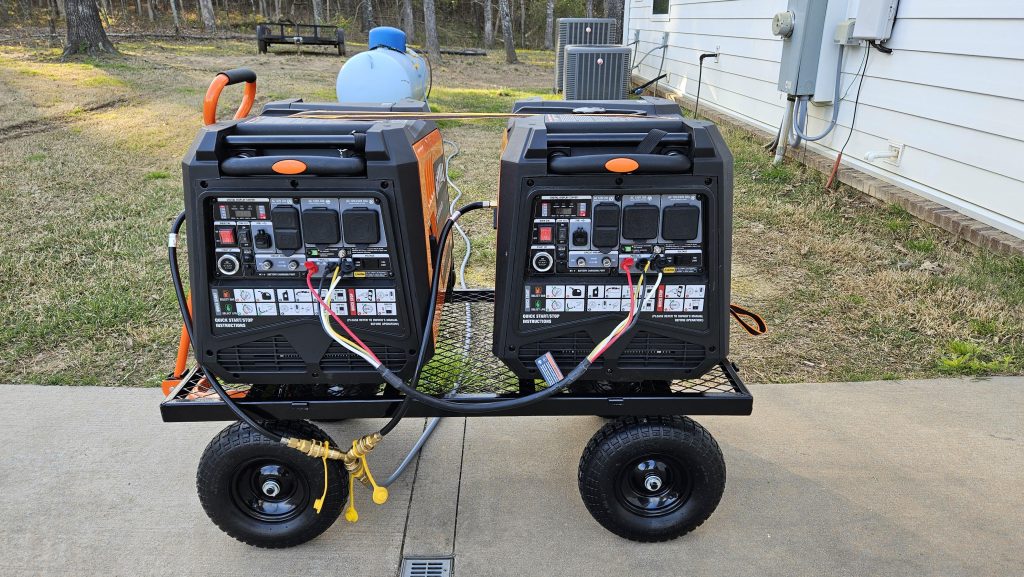
Imagine a hot summer day, and suddenly the power goes out. Your air conditioner stops working, and the heat starts to get unbearable.
What if you could quickly connect your generator to your air conditioner and keep cool without missing a beat? You’re about to learn exactly how to do that safely and efficiently. This guide will walk you through the simple steps to power your AC with a generator, so you stay comfortable no matter what.
Keep reading—you don’t want to be caught unprepared when the next outage hits!
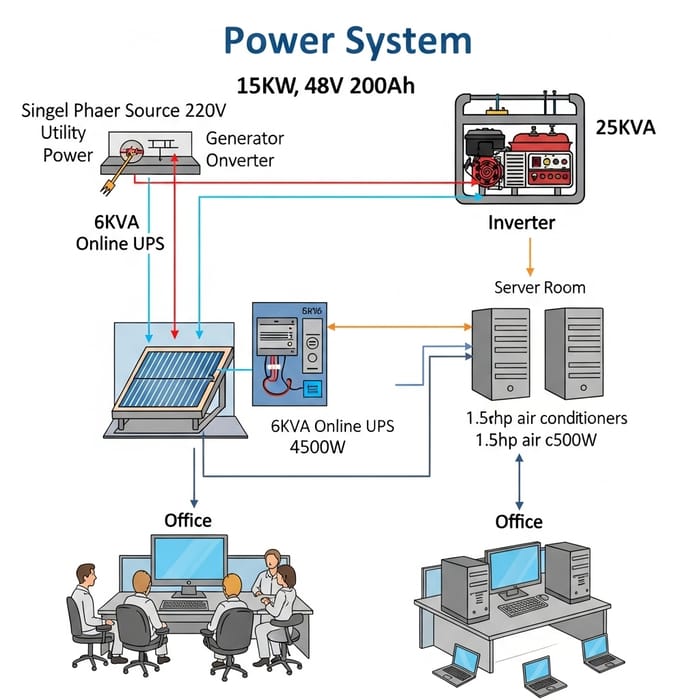
Credit: easy-peasy.ai
Check Generator Compatibility
Start by checking the power needsof your air conditioner. Find the running wattageand the starting wattage. The starting wattage is usually higher.
Compare these numbers with the generator’s output. The generator must provide at least the starting wattageto handle the AC’s power surge.
| Air Conditioner | Running Wattage | Starting Wattage | Generator Output Needed |
|---|---|---|---|
| Window AC (5,000 BTU) | 500 watts | 1,200 watts | ≥ 1,200 watts |
| Split AC (12,000 BTU) | 1,200 watts | 2,000 watts | ≥ 2,000 watts |
Check your air conditioner’s label or manual for exact specs. Match those with your generator’s continuousand peak powerratings. This ensures safe and smooth operation.
Gather Necessary Equipment
Choose extension cordsthat can handle the power of your air conditioner. Use cords with thick wiresand high amperage ratings. Avoid thin or damaged cords to prevent fires or power loss.
A transfer switchor inlet boxhelps connect the generator safely to your home’s electrical system. These devices stop backfeed, which can harm utility workers or your equipment.
Wear safety gearlike gloves and goggles when setting up. Keep the area clear of any water or flammable materials. Make sure the generator is on a stable, dry surface.
Prepare The Generator
Check the fuel levelfirst. Use fresh fuel to avoid problems.
Look at the oil levelwith the dipstick. Add oil if needed. This keeps the generator running well.
Put the generator on a flat and dry surface. Keep it away from doors and windows for safety.
Make sure it is in a well-ventilated area. This stops harmful gases from building up.
Turn the fuel valve to the ONposition.
Set the choke to STARTif the engine is cold.
Pull the starter cord or press the start button gently. Wait for the engine to run smoothly.
Move the choke to RUNafter the engine warms up.
Connect Generator To Air Conditioner
Turn off the air conditioner completely before connecting it to the generator. This prevents damage to both devices. Make sure the generator is off as well.
Plug the air conditioner’s power cord directly into the generator outlet. Check the generator’s wattage to ensure it can handle the AC unit’s power needs.
If available, use a transfer switch. This device safely connects your home’s electrical system to the generator. It helps avoid backfeeding, which can be dangerous.
Test The Connection
Power on the air conditioner carefully. Ensure the generator runs smoothly. Watch the air conditioner start without any flicker or delay. This shows the connection is good.
Monitor the generator’s performance while the air conditioner runs. Listen for unusual sounds or smells. Check that the generator does not overheat or stall.
- Check all wires and plugs for loose connections.
- Look for any sparks or burning smells.
- Ensure the voltage is stable and matches the air conditioner’s needs.
- Make sure the circuit breaker does not trip.

Credit: www.microair.net
Maintain Safe Operation
Always check the generator’s wattagebefore connecting the air conditioner. Avoid using a generator that cannot handle the AC’s power needs. Overloading can cause damage to both devices.
Place the generator in a well-ventilated area. This prevents dangerous fumesfrom building up. Never use a generator indoors or in enclosed spaces.
Follow the manufacturer’s instructionscarefully. These guidelines help ensure safe and efficient operation. Ignoring them may lead to accidents or equipment failure.
Credit: www.micro-air.com
Frequently Asked Questions
How Do I Safely Connect A Generator To An Air Conditioner?
To connect safely, use a heavy-duty extension cord and ensure the generator matches your AC’s power needs. Turn off the AC before connecting. Avoid backfeeding by using a transfer switch or a dedicated outlet for the generator.
What Size Generator Is Needed For An Air Conditioner?
Choose a generator with at least 20-30% more wattage than your AC’s starting and running power. Typically, a 5,000 to 7,500-watt generator works for most home air conditioners, but always check your AC’s specifications first.
Can I Run An Air Conditioner Directly From A Portable Generator?
Yes, you can run an AC from a portable generator if it has enough wattage and is connected properly. Use a transfer switch or a generator outlet to avoid electrical hazards and ensure the generator is grounded.
Why Use A Transfer Switch When Connecting A Generator To Ac?
A transfer switch prevents backfeeding, protects utility workers, and ensures safe power transfer. It isolates your home’s electrical system from the grid, allowing seamless and secure generator connection to your air conditioner.
Conclusion
Connecting a generator to an air conditioner is simple. Follow the steps carefully. Ensure safety by using the right cables and connectors. Check the power requirements of your air conditioner. Match them with the generator’s output. Double-check connections to avoid damage.
Regular maintenance extends the generator’s life. Always keep the generator in a well-ventilated area. Proper setup ensures your air conditioner runs smoothly. This guide helps you stay cool during power outages. Follow these tips for a reliable power supply. Stay safe and enjoy a comfortable environment.