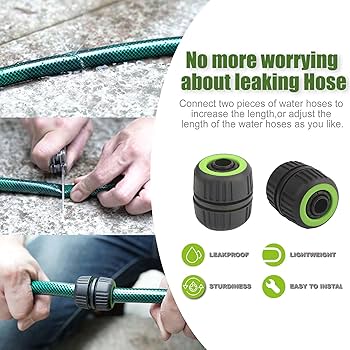
Have you ever needed to water your garden but found your hose just wasn’t long enough? Connecting two garden hoses can be the simple solution you’re looking for.
It might seem tricky at first, but once you know the right steps, you can extend your reach effortlessly. In this guide, you’ll discover easy ways to join your hoses securely, so you can take care of your plants without any hassle.
Keep reading to learn how to connect two garden hoses quickly and effectively—your garden will thank you!
Credit: www.homedepot.com
Choosing The Right Hose Connectors
Connecting two garden hoses can extend your watering reach. Using the right hose connectors makes the job easier and leak-free.
Choosing the correct connectors depends on the type, material, and size of your hoses. Each factor affects how well the connection works.
Types Of Hose Connectors
There are several hose connector types to join two hoses. Each type has different uses and advantages.
- Couplers:Simple connectors that join two hoses end-to-end.
- Quick Connectors:Allow fast attachment and detachment without twisting.
- Reducers:Connect hoses of different diameters.
- Adapters:Link hoses to different fittings or devices.
Materials And Durability
Connector materials affect strength and lifespan. Choose materials that resist weather and water pressure.
| Material | Durability | Best Use |
| Brass | High | Long-term outdoor use |
| Plastic | Medium | Light gardening tasks |
| Aluminum | Medium-High | Corrosion resistance needed |
| Rubber | Low | Temporary or indoor use |
Compatibility With Hose Sizes
Hose connectors come in different sizes. Make sure the connector matches the diameter of both hoses for a tight fit.
Common hose diameters include:
- 1/2 inch
- 5/8 inch
- 3/4 inch
Using a mismatched connector can cause leaks or poor water flow.

Credit: shopjoe.com
Preparing Your Garden Hoses
Connecting two garden hoses needs proper preparation. You must check each hose carefully.
Good preparation helps avoid leaks and ensures a strong connection.
Checking Hose Ends
Look at the ends of both hoses before joining them. Make sure the fittings fit together well.
- Check if threads are clean and not worn out
- Verify the size matches on both hose ends
- Make sure rubber washers are inside the fittings
- Replace any damaged washers to prevent leaks
Cleaning And Inspecting For Damage
Clean the hose ends and look for cracks or holes. Damage can cause water to leak or reduce pressure.
| Type of Damage | What to Do |
| Cracks or splits | Replace the hose or cut off damaged part |
| Rust on metal fittings | Clean with a wire brush or replace fitting |
| Missing or torn washers | Install new rubber washers |
| Loose fittings | Tighten or replace connectors |
Step-by-step Connection Process
Connecting two garden hoses is simple and quick. Follow these steps for a secure connection.
Ensure you have the right connectors to join your hoses properly.
Aligning Hose Ends
First, lay the hoses on the ground. Make sure the ends are clean and free of dirt.
Check that the hose ends are aligned straight. This helps in securing them properly.
- Inspect for any damage or cracks on the hose ends
- Remove any debris or blockages
- Align both hose ends side by side
Attaching Connectors Securely
Next, attach the connector to one hose end. Push the connector in until it is fully seated.
Attach the other end of the connector to the second hose. Ensure it fits snugly.
- Use compatible connectors for your hose type
- Ensure the connectors are not worn out
- Push connectors firmly onto each hose end
Tightening For A Leak-free Seal
Once connected, tighten the connectors by hand. This prevents leaks during use.
If the hoses are still leaking, use a wrench to tighten slightly more.
- Check the connectors for tightness after use
- Avoid over-tightening to prevent damage
- Test the connection by running water through the hoses
Testing For Leaks
After connecting two garden hoses, it is important to test for leaks. This helps prevent water waste and keeps the connection secure.
Check the connection carefully by turning on the water slowly. Look for any drips or wet spots around the joints.
Turning On Water Slowly
Open the water supply valve slowly to avoid a sudden rush of pressure. This reduces stress on the hose connection.
Turning on water gently helps you see if any water leaks right away. It also makes fixing leaks easier.
Identifying And Fixing Drips
Look closely at the hose connectors for small drips or wet spots. These signs show where water escapes.
If you find leaks, tighten the connectors by hand first. Use a wrench if needed, but avoid over-tightening.
- Check rubber washers inside connectors for damage
- Replace washers if cracked or worn
- Make sure hoses are pushed fully together
- Test again after adjustments
Tips For Maintaining Hose Connections
Keeping your garden hose connections in good shape helps avoid leaks and water waste. Proper care extends the life of your hoses.
Simple checks and proper storage make a big difference. Replace old parts to keep everything working well.
Regular Inspections
Check your hose connections often for cracks, leaks, or rust. Catching problems early prevents bigger damage.
- Look for cracks or holes in the hose and connectors.
- Make sure the fittings tighten properly without leaks.
- Inspect washers inside connectors for wear or damage.
- Check for rust or corrosion on metal parts.
- Test water flow to spot any blockages or leaks.
Storing Hoses Properly
How you store your hoses affects their durability. Keep them safe from sun and cold weather.
| Storage Tip | Why It Helps |
|---|---|
| Drain water before storing | Prevents freezing and damage |
| Coil hoses loosely | Avoids kinks and cracks |
| Store in a shaded, dry place | Protects from sun and moisture |
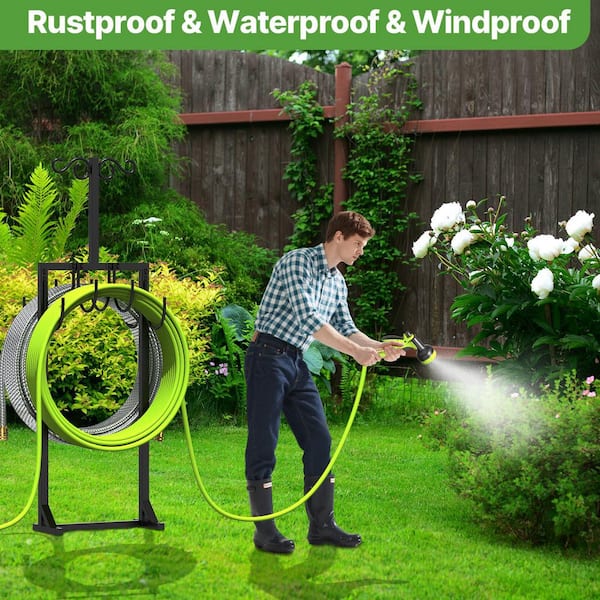
| Use a hose reel or hanger | Keeps hose off the ground |
Replacing Worn Parts
Replace washers, connectors, and hoses when they show wear. This keeps connections tight and leak-free.
- Swap out cracked washers to stop leaks.
- Change rusted metal connectors for better fit.
- Replace hoses with holes or severe wear.
- Use quality parts to ensure long-lasting repairs.

Credit: www.amazon.co.uk
Frequently Asked Questions
How Do I Connect Two Garden Hoses Securely?
Use a hose connector or coupling to join two hoses. Ensure both hose ends fit tightly on the connector. Tighten clamps or threaded fittings to avoid leaks. Check for water flow and adjust if needed for a secure connection.
What Tools Do I Need To Join Two Garden Hoses?
You need a hose connector, clamps or threaded fittings, and possibly a wrench. These tools help secure the hoses together and prevent leaks. Having plumber’s tape can improve the seal for threaded connections.
Can I Connect Hoses Of Different Diameters?
Yes, use an adapter designed for different hose sizes. It ensures a snug fit between hoses with varying diameters. This prevents leaks and maintains water pressure effectively.
How To Prevent Leaks When Connecting Garden Hoses?
Use rubber washers inside connectors to create tight seals. Tighten fittings properly without over-tightening. Inspect hoses and connectors regularly for wear. Replace damaged parts promptly to maintain leak-free connections.
Conclusion
Connecting two garden hoses is simple and quick. Use the right connector to join them tightly. Check for leaks to save water and avoid mess. Keep your hoses clean and store them properly after use. This small task helps you water large areas easily.
Practice a few times, and it will feel natural. Now, you can enjoy gardening without worrying about hose length.