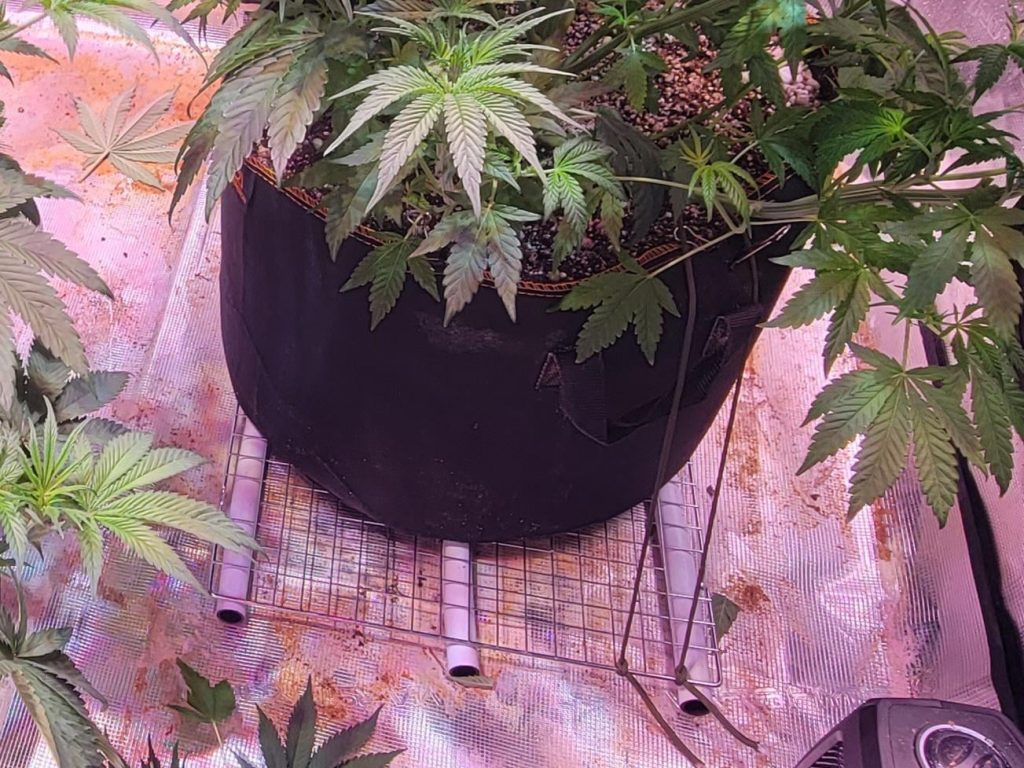
Are you struggling with too much moisture or dry air inside your grow tent? Controlling humidity is one of the most important steps to ensure your plants thrive.
Too much humidity can lead to mold and pests, while too little can stunt growth and cause stress. But don’t worry—you can easily manage the humidity levels with the right tools and techniques. You’ll discover simple, effective ways to take control of your grow tent’s environment and give your plants the perfect conditions they need to flourish.
Keep reading to learn how you can create the ideal balance for healthy, vibrant growth.
Importance Of Humidity Control
Controlling humidity in a grow tent helps plants stay healthy. Humidity affects how plants breathe and grow.
Too much or too little moisture can harm plants and reduce their yield. Keeping the right humidity level is key.
Effects On Plant Growth
Humidity affects plant growth in many ways. It controls water absorption and nutrient uptake. Proper humidity helps plants develop strong leaves and stems.
- High humidity can slow down water loss, keeping plants hydrated.
- Low humidity can cause plants to dry out and wilt.
- Humidity levels influence photosynthesis efficiency.
- Correct humidity reduces stress and disease risk.
- Balanced humidity supports seed germination and root growth.
Common Humidity Issues
Many growers face humidity problems in their tents. These issues can stunt plant growth and lead to diseases.
| Issue | Cause | Effect on Plants |
| Too High Humidity | Poor air circulation, overwatering | Mold growth, root rot, slow growth |
| Too Low Humidity | Dry air, strong fans | Leaf wilting, slow nutrient uptake |
| Humidity Fluctuations | Inconsistent watering, temperature changes | Stress, weakened immune system |

Credit: blimburnseeds.com
Ideal Humidity Levels
Controlling humidity in a grow tent is important for healthy plant growth. Different growth stages require different humidity levels to thrive.
Keeping the right humidity helps prevent mold, pests, and other problems. It also supports proper water use and nutrient uptake.
Seedling Stage
Seedlings need high humidity to avoid drying out. The air should feel moist to help young roots grow strong.
- Keep humidity around 65% to 70%
- Use a humidity dome or spray water lightly
- Ventilate gently to avoid mold
Vegetative Stage
During the vegetative stage, plants grow leaves and stems. Humidity should be lower than in the seedling stage to prevent disease.
| Growth Stage | Ideal Humidity |
| Seedling | 65% – 70% |
| Vegetative | 40% – 60% |
| Flowering | 40% – 50% |
Flowering Stage
In the flowering stage, humidity must be lower to protect buds from mold and rot. This stage needs careful monitoring.
Use this checklist to control humidity in the flowering stage:
- Keep humidity between 40% and 50%
- Increase ventilation and air flow
- Use a dehumidifier if needed
- Check humidity levels daily
Measuring Humidity Accurately
Keeping the right humidity in your grow tent is very important. It helps plants grow strong and healthy. To do this, you need to measure humidity well.
Using the right tools and placing them correctly will give you the best humidity readings. This helps you control the air inside the tent better.
Choosing The Right Hygrometer
A hygrometer shows the humidity level inside your grow tent. Pick one that is easy to read and reliable. Digital hygrometers usually give more exact numbers.
Look for a hygrometer with good reviews and a clear display. Some models can also track temperature and store data for later use.
- Choose digital for better accuracy
- Look for easy-to-read screens
- Check if it measures temperature too
- Consider models with memory features
Placement Tips
Where you put the hygrometer affects its readings. Place it near your plants but away from water sources or fans. This stops false readings.
Keep the hygrometer at plant level, not too high or low. Check it often to make sure it works well and shows correct numbers.
- Place at plant height for best results
- Keep away from direct water or sprays
- Avoid spots near fans or vents
- Check and calibrate regularly
Reducing Excess Humidity
Controlling humidity in a grow tent is important to protect plants. High humidity can cause mold and slow growth. Lowering moisture helps keep plants healthy and strong.
This guide explains simple ways to reduce excess humidity. Use these tips to create the best environment for your plants.
Ventilation Strategies
Good airflow removes moist air and brings fresh air inside. Use fans and vents to keep air moving. This stops humidity from building up inside the tent.
- Install an exhaust fan to pull out humid air
- Use an intake vent to let dry air in
- Place oscillating fans to circulate air around plants
- Keep vents open during the day for better airflow
Dehumidifiers
Dehumidifiers remove moisture from the air automatically. They help keep humidity levels stable. Choose the right size unit for your tent space.
| Grow Tent Size | Recommended Dehumidifier Capacity |
| Small (up to 20 sq ft) | 10-20 pints/day |
| Medium (20-50 sq ft) | 20-30 pints/day |
| Large (50+ sq ft) | 30+ pints/day |
Absorbent Materials
Absorbent materials soak up extra moisture inside the tent. They are easy to place and replace. Use these to help keep the air dry.
- Silica gel packs absorb water vapor well
- Clay pellets can reduce humidity near plants
- Charcoal bags help remove moisture and odors
- Change materials regularly to keep them effective
Increasing Low Humidity
Low humidity in a grow tent can slow plant growth. It can also cause leaves to dry out and drop. Raising humidity helps plants stay healthy and grow better.
There are several ways to increase humidity in your grow tent. Using humidifiers, water trays, and choosing the right plants can all help raise moisture levels.
Humidifiers
Humidifiers add moisture directly to the air. They are easy to control and work well in small spaces like grow tents. Ultrasonic humidifiers create a fine mist that spreads quickly.
Place the humidifier inside or near your grow tent. Keep it clean to avoid mold and bacteria. Adjust settings to keep humidity steady without making the tent too wet.
Water Trays And Misting
Water trays hold water that slowly evaporates to add humidity. Place shallow trays near air vents or inside the tent. The water evaporates naturally and raises moisture levels.
Misting plants with a spray bottle also raises humidity briefly. Spray leaves with water once or twice a day. Avoid over-misting to prevent mold growth on plants.
- Use shallow trays for faster evaporation
- Refill trays daily for best results
- Mist plants in the morning to dry by evening
Plant Selection
Some plants release more moisture into the air than others. Choose plants that help increase humidity naturally. Tropical plants are good options because they thrive in moist air.
Adding these plants to your grow tent can boost humidity and improve the environment. Examples include ferns, peace lilies, and spider plants.
- Ferns
- Peace lilies
- Spider plants
Maintaining Stable Humidity
Controlling humidity inside a grow tent is very important for healthy plants. Stable humidity helps plants grow well and prevents mold.
Using the right tools and techniques keeps humidity steady. This guide explains how to do it.
Automated Controllers
Automated controllers adjust humidity levels without constant help. They turn devices on or off to keep the air balanced.
These controllers connect to humidifiers or dehumidifiers. They read the humidity and act when needed.
- Set your desired humidity level on the controller
- The controller starts or stops machines automatically
- This keeps the tent environment steady all day
Regular Monitoring
Check humidity levels often to catch problems early. Use a reliable hygrometer for accurate readings.
Write down the humidity numbers daily. This helps you see patterns and adjust your settings if needed.
- Look at the hygrometer at least twice a day
- Record humidity for better tracking
- Adjust your devices based on these readings
Environmental Adjustments
Simple changes in the tent can affect humidity. Adjust air flow, temperature, and watering to control moisture.
Good ventilation lowers humidity by removing moist air. Warmer air can hold more moisture, so watch your tent’s temperature.
- Open vents or fans to improve air flow
- Keep the temperature stable and not too warm
- Water plants carefully to avoid excess moisture
Common Mistakes To Avoid
Keeping the right humidity in your grow tent helps plants grow well. Too much or too little humidity can harm them. Many growers make simple mistakes that are easy to fix.
Read about common errors to avoid. Fixing these will keep your plants healthy and strong.
Overcorrecting Humidity
Trying to fix humidity too fast can cause big changes. Plants do better with steady humidity levels. Overcorrecting may stress your plants or cause mold.
- Do not set your humidifier or dehumidifier to extreme settings.
- Adjust humidity slowly over several hours or days.
- Check your readings often before making changes.
- Use a reliable hygrometer for accurate humidity levels.
Ignoring Ventilation
Good airflow helps control humidity and keeps plants healthy. Without ventilation, air can get stale and humidity may rise too high.
| Ventilation Mistake | Effect on Grow Tent |
| No air exchange | Humidity rises, mold grows |
| Weak fans | Poor air movement, hot spots form |
| Blocked vents | Stale air, unhealthy plants |
| Over-ventilation | Humidity drops too low, plants dry out |
Neglecting Plant Needs
Different plants need different humidity levels. Ignoring this can slow growth or cause damage. Learn your plants’ needs to adjust your tent’s humidity properly.
- Seedlings: 65% to 70% humidity
- Vegetative stage: 50% to 70% humidity
- Flowering stage: 40% to 50% humidity
Check your plants often and change humidity as they grow.

Credit: www.reddit.com
Advanced Tips For Humidity Control
Controlling humidity in a grow tent helps plants stay healthy. High or low humidity can harm growth.
Advanced methods use technology and system integration to keep humidity steady. These tips improve your setup.
Using Smart Technology
Smart devices can monitor and adjust humidity automatically. Sensors track moisture levels in real time.
- Install a digital hygrometer with alert functions
- Use a smart humidifier that adjusts output based on sensor data
- Connect devices to a smartphone app for remote control
- Set schedules to maintain ideal humidity during day and night
- Receive notifications if humidity goes outside set limits
Integrating Climate Systems
Linking ventilation, heating, and humidifying systems improves humidity control. This creates a balanced environment.
| System | Function | Benefit |
| Ventilation Fans | Remove excess moisture | Prevents mold and mildew |
| Heaters | Raise temperature | Helps reduce relative humidity |
| Humidifiers | Add moisture | Keeps air from drying out plants |
| Dehumidifiers | Remove moisture | Controls high humidity spikes |

Credit: spiderfarmer.com.au
Frequently Asked Questions
How To Measure Humidity In A Grow Tent Accurately?
Use a reliable digital hygrometer placed inside the grow tent. Check readings regularly for precise humidity levels. Calibrate the device periodically for best accuracy. This helps maintain optimal growing conditions and prevents plant stress due to improper humidity.
What Are The Best Ways To Reduce Humidity In Grow Tents?
Increase ventilation with exhaust fans or open vents. Use a dehumidifier designed for small spaces. Avoid overwatering plants and remove excess moisture promptly. These steps help keep humidity in the ideal range for healthy plant growth.
How Can I Increase Humidity Inside A Grow Tent?
Place a humidifier or water trays inside the tent. Mist plants lightly with water to boost humidity temporarily. Seal any leaks to prevent dry air from entering. Maintaining higher humidity supports young plants and clones effectively.
Why Is Controlling Humidity Important In Grow Tents?
Proper humidity prevents mold, mildew, and pest infestations. It ensures optimal plant transpiration and nutrient uptake. Maintaining correct humidity promotes healthy growth and maximizes yield. Incorrect humidity can stress plants and reduce overall quality.
Conclusion
Controlling humidity in a grow tent is essential for plant health. Proper ventilation keeps moisture balanced. Use fans to circulate air. Dehumidifiers can help when moisture is too high. Hygrometers provide accurate humidity readings. Monitor them regularly. Adjust settings based on plant needs.
Plants thrive with the right humidity. It prevents mold and diseases. Happy plants mean a successful harvest. Follow these tips for healthy growth. Your plants will thank you. Keep experimenting. Find what works best for your setup. Enjoy your gardening journey.