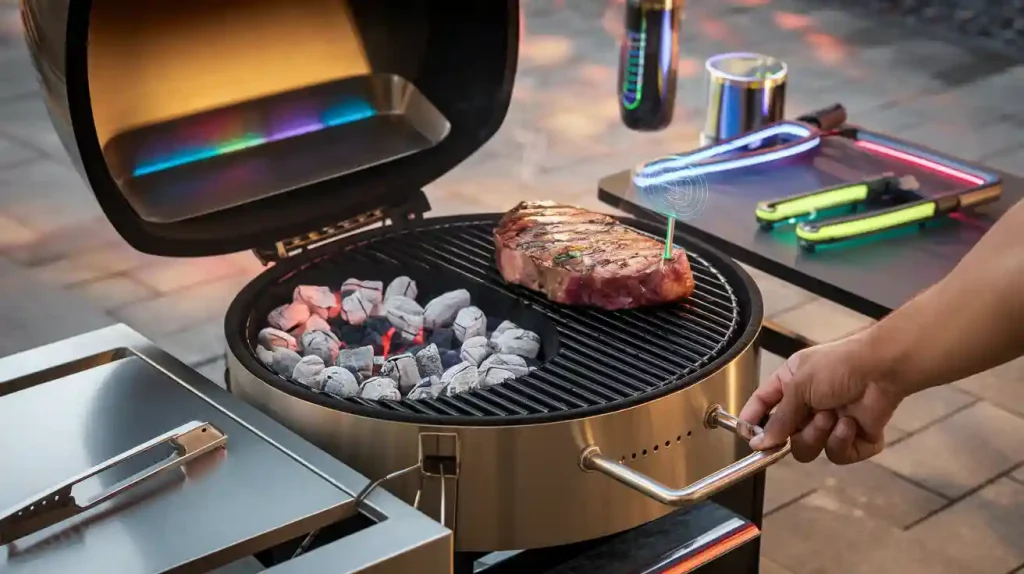
Mastering the heat on your charcoal grill can turn an ordinary cookout into a mouthwatering experience. But controlling the temperature isn’t always easy, right?
If you’ve ever struggled with food that’s burnt on the outside but raw inside, or if you want perfectly cooked meals every time, this guide is for you. You’ll learn simple, practical tips to take full control of your grill’s heat, so your food comes out just the way you want it.
Keep reading, and you’ll become the grill master everyone envies.
Charcoal Types And Their Heat
Controlling temperature on a charcoal grill starts with knowing your charcoal types. Each type burns differently and gives off different heat levels.
Choosing the right charcoal helps you cook food evenly and avoid flare-ups. Let’s look at common charcoal types and their heat traits.
Natural Lump Charcoal Benefits
Natural lump charcoal is made by burning wood in low oxygen. It burns hotter and faster than briquettes.
Lump charcoal gives a smoky flavor to food. It also lights quickly and produces less ash.
- Burns very hot for searing meat
- Lights quickly for fast cooking
- Produces less ash, so less cleanup
- Gives natural smoky taste
Briquettes For Consistent Heat
Briquettes are made from compressed charcoal dust and other materials. They burn slower and give steady heat.
This steady heat helps keep a constant temperature for longer cooking times. Briquettes are good for low and slow cooking.
- Burns evenly for long periods
- Provides steady heat for slow cooking
- Easy to control temperature
- Produces more ash than lump charcoal
Mixing Charcoal Types
Mixing lump charcoal and briquettes can give you the best of both worlds. Use lump for quick heat and briquettes for steady heat.
This mix helps control the grill temperature better. You get fast heat and longer burn time together.
- Start with lump charcoal for high heat
- Add briquettes to maintain steady temperature
- Adjust the mix to suit your cooking style
- Helps balance heat and burn time
Credit: www.vevor.com
Setting Up Your Grill
Cooking on a charcoal grill can be fun. Setting it up right helps control the temperature. Follow these simple steps to get started.
Learn how to arrange charcoal, use a chimney starter, and add wood for flavor. These tips will make grilling easier.
Arranging Charcoal For Heat Zones
Arrange your charcoal to create different heat zones. This helps cook food evenly. You can set up direct and indirect heat areas.
- Direct heat zone: Place charcoal on one side.
- Indirect heat zone: Leave other side empty.
- Spread charcoal evenly for a single heat zone.
Using A Charcoal Chimney Starter
A chimney starter helps light charcoal quickly. It is easy to use and reduces the need for lighter fluid.
| Step | Action |
| 1 | Fill chimney with charcoal |
| 2 | Place newspaper at the bottom |
| 3 | Light the newspaper |
| 4 | Wait 10-15 minutes for coals to glow |
Adding Wood For Flavor
Adding wood chips can enhance flavor. Choose the right wood type for your food. Soak them in water before use.
Common wood types include:
- Hickory for a strong flavor
- Apple for a sweet flavor
- Mesquite for a bold taste
Airflow And Temperature Control
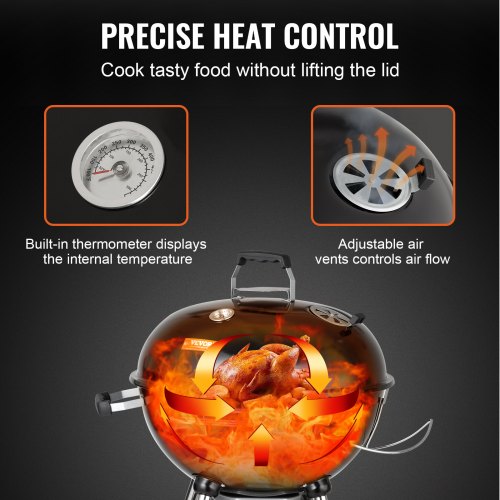
Controlling the temperature on a charcoal grill is important for cooking food properly. Airflow plays a big role in how hot your grill gets.
By adjusting vents, you control the amount of oxygen that reaches the charcoal. This controls the heat level and helps keep it steady.
Adjusting Bottom Vents
The bottom vents let air into the grill. Opening them more increases oxygen flow and makes the fire hotter.
Closing the bottom vents reduces oxygen and lowers the temperature. Start with vents halfway open and change as needed.
- More open vents mean higher heat
- Less open vents mean lower heat
- Adjust slowly to avoid big temperature swings
Managing Top Vents
The top vents allow smoke and air to escape. Opening them fully lets heat flow out quickly, lowering the grill temperature.
Partially closing the top vents traps heat inside and raises the temperature. Keep them open enough to avoid smoke buildup.
- Open top vents reduce temperature
- Closed top vents increase temperature
- Use top vents to fine-tune airflow
Balancing Oxygen For Steady Heat
Good temperature control depends on balancing bottom and top vents. Both affect how much oxygen feeds the charcoal.
Adjust vents slowly to keep the heat steady. Too much oxygen makes the fire too hot; too little makes it die out.
- Open bottom vents for more oxygen
- Adjust top vents to control heat escape
- Watch temperature often and tweak vents

Credit: www.amazon.com
Temperature Monitoring Tools
Controlling temperature on a charcoal grill is key for good cooking. Using the right tools helps keep the heat steady.
Knowing the grill’s temperature lets you cook food safely and evenly. Below are common tools to check and control heat.
Built-in Grill Thermometers
Most charcoal grills come with a built-in thermometer on the lid. It shows the air temperature inside the grill.
This tool helps you watch the overall heat but may not be very precise. The thermometer measures air, not food temperature.
Using Digital Meat Thermometers
Digital meat thermometers check the temperature inside the food. They give quick, accurate readings.
- Insert the probe into the thickest part of the meat.
- Wait a few seconds for a stable reading.
- Use a waterproof model for easy cleaning.
- Some have timers or alarms for desired temperature.
Infrared Thermometer Advantages
| Feature | Benefit |
| Non-contact | Check surface heat without opening grill |
| Quick readings | See temperature instantly |
| Easy to use | Point and read with one hand |
| Safe | No risk of burns or piercing food |
Infrared thermometers measure the grill surface. They do not check food inside but help find hot spots on the grill.
Managing Heat During Cooking
Controlling temperature on a charcoal grill is key for good cooking. Managing heat helps you cook food evenly and avoid burning.
This guide covers ways to keep the right heat by adding charcoal, moving food, and handling flare-ups.
Adding Charcoal Mid-cook
Adding charcoal during cooking keeps the heat steady. Use fresh charcoal to keep a consistent temperature.
- Wear heat-resistant gloves for safety.
- Open the grill lid to add charcoal carefully.
- Place new charcoal on one side to create a hot zone.
- Wait a few minutes for coals to heat before cooking again.
Moving Food Between Heat Zones
Using heat zones helps control cooking speed. Move food to different zones to avoid burning or to finish cooking.
| Heat Zone | Use For |
| Direct Heat | Quick searing and grilling |
| Indirect Heat | Slow cooking and finishing |
| Cool Zone | Keeping food warm without cooking |
Controlling Flare-ups
Flare-ups happen when fat drips onto hot coals. They can burn food if not controlled.
Follow these tips to manage flare-ups:
- Keep a spray bottle of water nearby to spray small flames.
- Move food away from flare-ups to cooler areas.
- Trim excess fat from meat before grilling.
- Close the grill lid to reduce oxygen and lower flames.

Credit: www.bbqspitrotisseries.com.au
Cleaning And Maintenance Tips
Keeping your charcoal grill clean helps control temperature better. Dirt and ash block airflow and cause uneven heat.
Regular maintenance makes your grill last longer. It also makes cooking safer and easier.
Removing Ash For Better Airflow
Ash buildup stops air from flowing under the coals. This lowers the fire’s heat and control.
Clean out ash after every use. Wait until the grill is cool to avoid burns.
- Use a metal scoop or small shovel to remove ash
- Empty ash into a metal container to prevent fire risks
- Leave some ash to help maintain heat if cooking longer
- Check air vents and clean them if blocked
Grate Cleaning Techniques
Clean grates remove stuck food and grease. This stops flare-ups and keeps heat even.
Scrub grates before and after cooking. Use tools and safe cleaners for best results.
- Use a stiff wire brush to scrub grates while warm
- Soak grates in warm, soapy water for tough spots
- Use a grill scraper to remove burnt bits
- Rinse well and dry to stop rust
- Oil grates lightly to keep food from sticking
Storage For Long-term Use
Store your grill properly to protect it from weather. This keeps it working well over time.
Cover the grill and keep it in a dry place if possible. Clean it fully before storing.
- Remove all ashes and clean grates before storage
- Cover grill with a waterproof cover
- Store in a garage or shed if you can
- Check for rust or damage before using again
- Keep vents slightly open to avoid moisture buildup
Frequently Asked Questions
How Do I Adjust Airflow On A Charcoal Grill?
Adjust airflow by opening or closing the grill’s vents. More air increases heat, while less air reduces it. Control both top and bottom vents for precise temperature management during grilling.
What’s The Best Way To Arrange Charcoal For Heat Control?
Arrange charcoal in a single even layer for uniform heat. For indirect cooking, pile coals on one side. This setup helps you manage high and low temperature zones effectively.
How Can I Maintain Consistent Temperature On A Charcoal Grill?
Keep vents steady and avoid opening the lid frequently. Use a grill thermometer to monitor heat. Add charcoal gradually to maintain consistent temperature throughout cooking.
Why Does Temperature Fluctuate On My Charcoal Grill?
Temperature changes due to airflow, lid position, and charcoal amount. Wind and weather can also impact heat. Proper vent adjustment and charcoal management minimize fluctuations during grilling.
Conclusion
Controlling temperature on a charcoal grill takes some practice and patience. Start by adjusting the air vents to control airflow. Add or remove charcoal to raise or lower heat. Use a thermometer to check the grill’s temperature often. Remember, steady heat means better cooking results.
Keep the lid closed to hold temperature longer. With time, you will feel confident managing your grill’s heat. Enjoy cooking delicious meals outdoors every time you grill. Simple steps lead to great BBQ experiences.