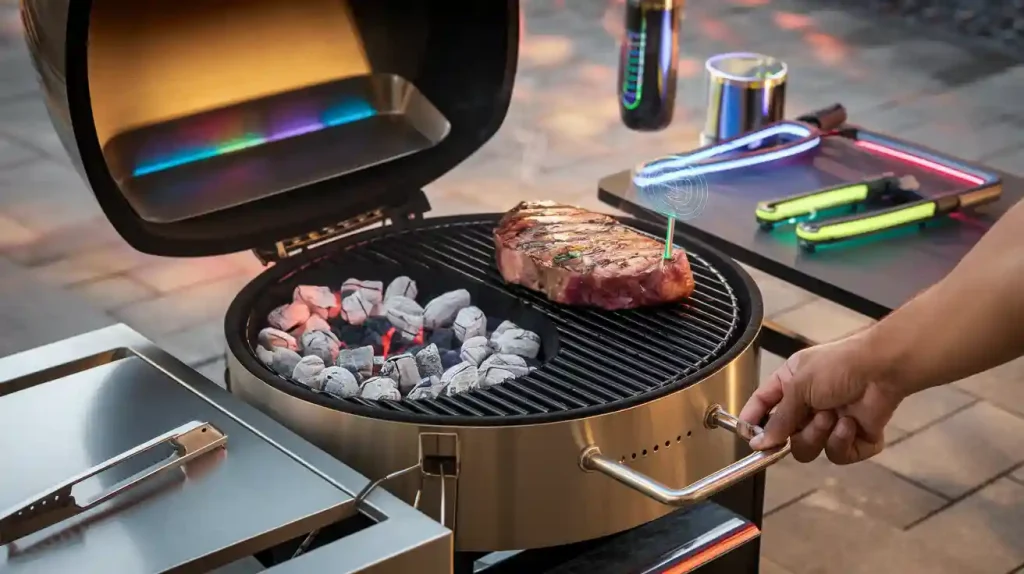
Controlling the temperature in your charcoal grill can make all the difference between a perfectly cooked meal and one that’s overdone or undercooked. If you’ve ever struggled with flames that are too hot or coals that just won’t stay warm, you’re not alone.
But here’s the good news: with a few simple tips and tricks, you can master the heat and cook your food exactly the way you want. Ready to become the grill master in your backyard? Keep reading to discover how to take full control of your charcoal grill’s temperature and impress everyone at your next cookout.
Choosing The Right Charcoal
Controlling the temperature in a charcoal grill starts with choosing the right charcoal. The type of charcoal affects heat and cooking time.
Picking charcoal that fits your cooking style helps you cook better food every time.
Lump Charcoal Vs Briquettes
Lump charcoal is made by burning wood in low oxygen. It burns hotter and faster than briquettes.
Briquettes are made from compressed charcoal dust and other ingredients. They burn longer and more evenly.
- Lump charcoal heats up quickly and gives strong flames.
- Briquettes provide steady heat for long cooking times.
- Lump charcoal produces less ash than briquettes.
- Briquettes have a uniform shape for easy stacking.
Quality And Burn Time
High-quality charcoal burns cleaner and lasts longer. It helps keep a steady temperature in your grill.
Low-quality charcoal may have fillers that cause quick burning and uneven heat.
- Good charcoal has few chemicals and no additives.
- Look for natural hardwood charcoal for better flavor.
- Longer burn time means less need to add charcoal during cooking.
Adding Wood Chips
Wood chips add flavor to food and can affect the grill’s temperature. Soak chips in water before adding them to hot coals.
Adding wood chips slowly gives a smoky taste without dropping the temperature too fast.
- Use hickory or mesquite for strong smoky flavors.
- Fruit woods like apple or cherry give mild, sweet smoke.
- Adding chips in small amounts keeps heat steady.
.jpg)
Credit: www.bbqspitrotisseries.com.au
Setting Up Your Grill
Controlling the temperature in a charcoal grill starts with proper setup. Setting your grill correctly helps you cook food evenly and avoid flare-ups.
Learn how to arrange charcoal, use a chimney starter, and adjust vents. These steps make temperature control easier and more precise.
Arranging The Charcoal
Place the charcoal in a way that matches your cooking style. For direct heat, spread the coals evenly across the bottom. For indirect heat, push coals to one side.
You can also create zones by piling coals higher on one side. This lets you move food between hot and cooler areas while cooking.
- Direct heat: spread coals in a single layer
- Indirect heat: pile coals on one side
- Two-zone fire: thick pile on one side, thin or no coals on the other
Using A Charcoal Chimney Starter
A charcoal chimney starter helps light coals evenly without lighter fluid. It uses paper or fire starters under a metal cylinder filled with charcoal.
Light the paper, and the coals will heat up in 10-15 minutes. Then, pour the hot coals into your grill for consistent temperature.
- Fill chimney with charcoal
- Place paper or fire starter under chimney
- Light paper and wait for coals to glow
- Pour hot coals carefully into grill
Vent Placement And Adjustment
Vents control airflow and temperature inside your grill. Open vents let in oxygen, making the fire hotter. Closing vents lowers the heat.
Adjust the vents during cooking to keep the temperature steady. Use the bottom vents to control air intake and the top vents to release smoke.
- Open bottom vents to increase oxygen and heat
- Close bottom vents to reduce heat
- Open top vents to allow smoke to escape
- Keep top vents open slightly to maintain airflow
Controlling Airflow
Controlling airflow is key to managing the temperature in a charcoal grill. The air vents let you adjust the heat by controlling oxygen flow.
Knowing how to use the vents will help you cook your food evenly and keep the fire steady.
Bottom Vents Function
Bottom vents allow fresh air to enter the grill. More air means hotter coals. Closing these vents reduces oxygen, which lowers the heat.
Keep the bottom vents open wider for high heat and close them to slow down the fire or cool the grill.
Top Vents Role
Top vents let smoke and hot air exit the grill. Adjusting them controls the airflow direction and temperature inside.
- Open top vents to increase airflow and raise temperature.
- Close them to trap heat and smoke for slow cooking.
- Keep vents partly open to avoid too much oxygen loss.
Balancing Air Intake And Exhaust
| Vent Type | Function | Effect on Temperature |
|---|---|---|
| Bottom Vents | Control air intake | More open = hotter, less open = cooler |
| Top Vents | Control air exhaust | More open = better airflow, less open = smoke retention |
| Balance | Adjust both vents | Steady temperature and good smoke flow |
Both vents work together to keep the fire burning just right. Adjust them slowly and watch the grill’s temperature change.

Credit: www.youtube.com
Managing Heat Zones
Controlling the temperature in a charcoal grill is essential for successful grilling. Understanding heat zones helps you cook food evenly and avoid burning.
Learn how to manage heat by using different techniques. This will improve your grilling skills and make your food taste better.
Direct Vs Indirect Heat
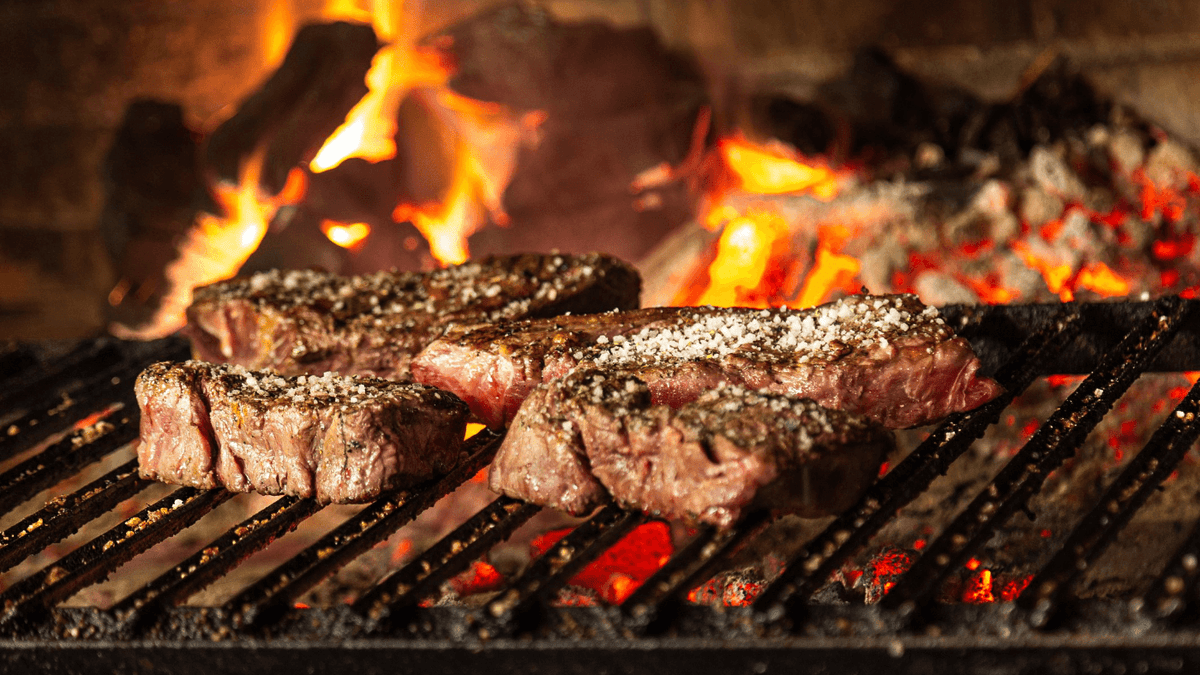
Direct heat means cooking food directly over the flames. This is great for searing and cooking thin cuts of meat quickly.
Indirect heat involves cooking food away from the flames. It is ideal for larger cuts that need more time to cook through.
- Use direct heat for steaks, burgers, and sausages.
- Choose indirect heat for roasts, whole chickens, and ribs.
Creating Two-zone Fire
Creating a two-zone fire is simple. It gives you flexibility to cook different types of food at the same time.
Arrange charcoal on one side of the grill for direct heat. Leave the other side empty for indirect heat.
This method lets you move food between zones. You can sear on the hot side, then finish cooking on the cooler side.
Using Heat Deflectors
Heat deflectors are tools that help control temperature. They are placed between the charcoal and the food.
| Type | Function |
| Stone | Even heat distribution |
| Metal | Protects food from direct flame |
| Water pan | Maintains moisture |
Using deflectors allows for more precise cooking. It reduces the risk of burning and helps keep food juicy.
Temperature Monitoring Tools
Controlling the temperature is key to grilling with charcoal. You need to know how hot your grill is to cook food properly.
Temperature monitoring tools help you keep track of heat levels. This makes grilling easier and safer.
Built-in Thermometers
Many charcoal grills come with built-in thermometers on the lid. They show the air temperature inside the grill.
These thermometers are simple to use but may not show the exact food temperature. They give a general idea of the heat level.
Digital Thermometers
Digital thermometers use probes to measure the temperature inside the food. They give accurate readings quickly.
Some digital thermometers have wireless features. This lets you check temperature without opening the grill.
- Insert the probe into the thickest part of the meat
- Wait for the reading to stabilize
- Use the temperature to know when food is done
Using Infrared Thermometers
Infrared thermometers measure surface temperature without touching the grill or food. Point it at the surface and press a button.
These thermometers are good for checking grill heat quickly. They do not measure internal food temperature.
- Hold the device close to the grill surface
- Avoid steam or smoke blocking the sensor
- Use it to check hot spots on the grill
Credit: barbecueathome.com
Adjusting Temperature During Cooking
Controlling the temperature of your charcoal grill is key to cooking food evenly. You need to make small changes while cooking to keep the heat just right.
Adjusting the heat means adding or removing charcoal, changing vents, and handling flare-ups carefully. These actions help you keep the perfect temperature.
Adding Or Removing Charcoal
Adding charcoal raises the heat inside the grill. You can add more if the fire is too low. Be careful not to add too much at once.
Removing charcoal lowers the temperature. Use tongs or a metal scoop to take out some coals if it gets too hot.
- Add small amounts of charcoal to avoid sudden heat spikes
- Remove hot coals carefully to reduce temperature
- Use gloves and tools to protect yourself from burns
Adjusting Vents Mid-cook
The vents control airflow and fire intensity. Opening vents increases oxygen, making the fire hotter. Closing vents reduces oxygen, cooling the fire.
Adjust vents slowly. Small changes can cause big temperature shifts. Watch the grill thermometer to guide your adjustments.
- Open vents more for higher heat
- Close vents partially to lower heat
- Keep vents balanced for steady cooking
Controlling Flare-ups
Flare-ups happen when fat drips on hot coals. They cause sudden flames that can burn food. Watch your grill closely to spot flare-ups early.
Move food away from flames and close the lid or vents slightly to reduce oxygen. Use a spray bottle with water to calm small flames.
- Keep a spray bottle nearby for quick flare-up control
- Move food to cooler grill areas during flare-ups
- Trim excess fat from meat to reduce flare-ups
Maintenance For Consistent Heat
Keeping a charcoal grill at the right temperature needs regular care. Proper maintenance helps the grill work well and gives steady heat.
Cleaning and checking parts often can stop problems. This makes grilling easier and food cooks better every time.
Cleaning Ash And Residue
Ash builds up after grilling and blocks air flow. This can make the fire weak and uneven. Remove ash after each use to keep air moving well.
Also clean leftover grease and food bits inside the grill. This stops flare-ups and keeps heat steady.
- Wait until ashes cool completely.
- Use a metal scoop or brush to remove ash.
- Wipe the grill bowl with a damp cloth.
- Clean grill grates with a wire brush.
Inspecting Grill Components
Look over your grill parts before each use. Check vents, grates, and the lid for damage or rust. Good parts keep heat in and airflow balanced.
Loose or broken parts can cause heat loss or unsafe cooking. Fix or replace parts that do not work well.
- Check vents for blockages or rust.
- Examine grill grates for cracks or warping.
- Make sure the lid fits tightly.
- Look for rust on metal surfaces.
Replacing Worn Parts
Old parts wear out and cause heat problems. Replace grates, vents, or seals that are damaged. New parts help keep the grill hot and safe.
Using the right parts made for your grill model is important. This keeps the grill working like it should.
- Buy replacement grates for even cooking.
- Install new vent covers to control airflow.
- Replace gaskets or seals to trap heat.
- Use tools to remove old parts safely.
Frequently Asked Questions
How Do Air Vents Control Grill Temperature?
Air vents regulate oxygen flow to charcoal. Opening vents increases oxygen, raising heat. Closing vents reduces oxygen, lowering temperature. Adjust vents gradually for precise heat control during grilling.
What Is The Best Charcoal Arrangement For Temperature Control?
Use a two-zone setup: one side with hot coals, the other empty. This creates direct and indirect heat zones. Move food between zones to control cooking temperature effectively.
How Often Should I Adjust Charcoal During Cooking?
Adjust charcoal every 30-45 minutes for steady heat. Add fresh charcoal to maintain high temperatures. Stir coals occasionally to prevent hot spots and ensure even cooking.
Can Water Pans Help Regulate Grill Temperature?
Yes, water pans stabilize grill temperature by absorbing heat. They add moisture to the cooking environment, preventing food from drying out. Place pans under food for best results.
Conclusion
Controlling temperature in a charcoal grill is simple with practice. Adjust vents to control airflow and heat. Add or remove charcoal to raise or lower the fire. Keep the lid closed to keep heat steady. Check temperature often to avoid overcooking or burning.
These steps help you cook food just right. Enjoy grilling with confidence and tasty results every time.