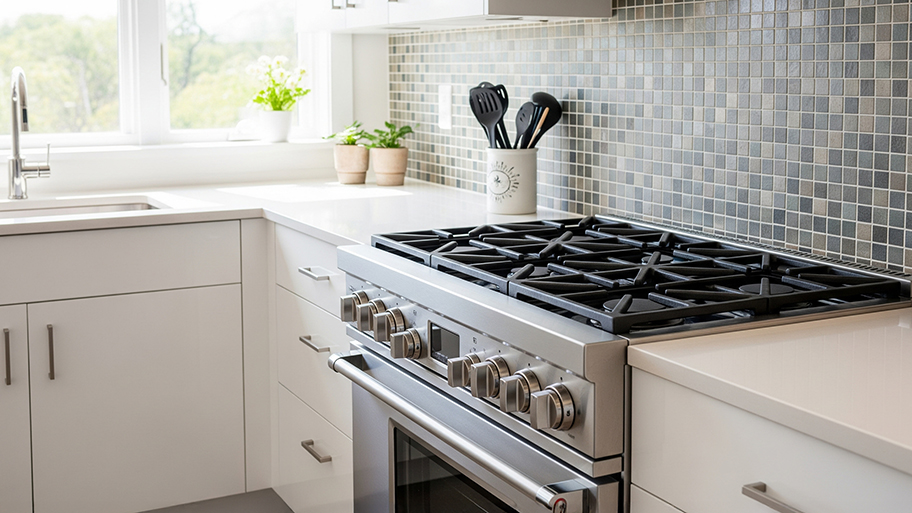
Are you tired of your electric cooktop and dreaming of cooking with the precision and control that only a gas stove can offer? You’re not alone.
Many home chefs crave the instant heat and nuanced temperature adjustments that gas provides. But the idea of converting your electric cooktop to gas might feel daunting. How do you even begin? What tools and skills do you need? And most importantly, is it worth the effort?
In this guide, we’ll unravel the mystery behind the conversion process, making it simple and straightforward. By the end of this article, you’ll not only understand the steps involved but also feel confident about making the switch. Get ready to transform your cooking experience and unleash your inner chef!
Reasons To Switch To Gas
Thinking about switching from an electric cooktop to gas? There are solid reasons why many home cooks prefer gas stoves. The change can improve your cooking experience and even affect your kitchen’s energy efficiency.
Precise Temperature Control
Gas cooktops give you instant heat adjustments. You can lower or increase the flame right away, unlike electric cooktops that take time to warm up or cool down.
This control helps you cook delicate dishes perfectly. Have you ever burnt a sauce because the heat was too high? Gas reduces that risk.
Energy Efficiency
Gas stoves often use less energy compared to electric ones. They heat pots and pans directly, so less energy is wasted heating the air around them.
This can lower your utility bills over time. Do you want to save money while cooking your favorite meals?
Better Heat Distribution
Gas flames spread heat evenly across the bottom of your cookware. This means your food cooks more uniformly.
Electric cooktops sometimes have hot spots or uneven heating areas. With gas, you get consistent results every time.
Continued Use During Power Outages
Electric cooktops depend on electricity, so they won’t work during a power outage. Gas cooktops can still be used if you light the burner manually.
This can be a lifesaver during emergencies. Wouldn’t it be reassuring to cook even when the power is out?
Cost-effectiveness Of Gas Appliances
Gas appliances often have a lower upfront cost than electric ones. Plus, natural gas prices tend to be more stable than electricity rates.
This makes gas a budget-friendly option for many households. How much could you save by switching?

Credit: www.whirlpool.com
Tools And Materials Needed
Changing an electric cooktop to gas takes the right tools and materials. Having everything ready helps the job go smoothly. Safety is important, so use proper equipment and follow instructions carefully.
This section lists all you need for the conversion. Prepare these tools and materials before starting.
Basic Tools
- Adjustable wrench for tightening fittings
- Pipe wrench to handle gas pipes
- Phillips and flathead screwdrivers for screws
- Drill with bits for mounting
- Level to ensure proper installation
- Measuring tape for accurate measurements
Safety Equipment
- Gas leak detector or soapy water for testing leaks
- Work gloves to protect your hands
- Safety goggles to shield your eyes
- Fire extinguisher in case of emergencies
Materials Needed
- Gas cooktop unit compatible with your kitchen
- Gas supply line with shutoff valve
- Flexible gas connector hose
- Pipe thread sealant or gas-rated Teflon tape
- Ventilation hood or exhaust system (if required)
Additional Supplies
- Electrical tape for securing wires
- Replacement screws or anchors
- Instruction manual from the gas cooktop manufacturer
Safety Precautions Before Starting
Before you start converting your electric cooktop to gas, safety must be your top priority. Handling gas lines and electrical components can be risky without proper precautions. Taking the right steps to protect yourself and your home will make the process smoother and prevent accidents.
Turn Off All Power And Gas Supplies
Make sure to switch off the electrical circuit that powers your electric cooktop. This prevents any chance of electric shock while you work. Equally important is shutting off the main gas supply to avoid leaks or accidental ignition.
Check For Gas Leaks Thoroughly
After shutting off the gas, inspect the area for any lingering leaks. Use a gas leak detector or a simple soap-water solution on connections to spot bubbles. Catching leaks early can save you from dangerous situations later on.
Work In A Well-ventilated Area
Ensure your kitchen or workspace has plenty of fresh air. Proper ventilation helps disperse any stray gas fumes that might escape during the conversion. Have windows open or use fans to keep air moving.
Wear Protective Gear
Protect your hands with gloves and your eyes with safety goggles. Gas fittings and electrical parts can cause injuries if you’re not careful. Wearing the right gear reduces risks and keeps you comfortable while working.
Have A Fire Extinguisher Ready
Keep a fire extinguisher rated for gas fires within reach. Being prepared for emergencies gives you peace of mind. If a small fire starts, you can control it quickly without panic.
Understand Your Appliance And Local Codes
Before you begin, read the gas cooktop manual carefully. Familiarize yourself with local building codes and regulations related to gas appliance installations. Following these rules ensures your setup is safe and legal.
Have you ever started a home project without fully checking safety precautions? How did that turn out? Taking these steps seriously helps you avoid costly mistakes and protects your loved ones.
Removing The Electric Cooktop
Removing the electric cooktop is the first task before installing a gas stove. This step requires care and attention to avoid damage or injury. You need to disconnect the power safely and free the cooktop from the countertop.
Turn Off The Power Supply
Locate the circuit breaker for the cooktop. Switch it off to cut the electricity. Use a voltage tester to check if the power is off. Safety is the priority during this process.
Disconnect The Cooktop
Unplug the cooktop if it has a plug connection. If hardwired, remove the cover plate on the junction box. Unscrew the wire connectors and separate the wires carefully. Remember to note the wire positions for any future use.
Remove The Cooktop From The Countertop
Look under the countertop for mounting clips or screws. Use a screwdriver to loosen these fasteners. Gently lift the cooktop upward. Ask for help if it is heavy or awkward to handle.
Clear The Area For The Gas Installation
Clean the space left by the electric cooktop. Remove any debris or dust. Make sure the surface is smooth and ready for the new gas cooktop.
Preparing The Kitchen For Gas Installation
Preparing your kitchen for a gas cooktop installation is a crucial step that sets the foundation for a smooth and safe transition. This process involves more than just clearing space; it requires careful planning to ensure your kitchen is ready for the new setup. Ignoring these preparations can lead to costly adjustments or safety hazards later.
Checking Gas Supply And Connections
Before you start, verify if your kitchen has an existing gas line or if one needs to be installed. A professional inspection is essential to confirm that your gas supply meets local codes and has enough pressure to support your new cooktop.
Consider the location of the gas valve and whether it is easily accessible. Having a shut-off valve near the cooktop adds a layer of safety and convenience, allowing you to quickly turn off the gas if needed.
Measuring And Clearing The Installation Area
Accurate measurements are key. Ensure the space where the electric cooktop sits can accommodate the gas model’s dimensions and ventilation requirements.
Clear out any items from cabinets and countertops around the installation area. This not only makes room for the new appliance but also prevents damage during the installation process.
Ensuring Proper Ventilation
Gas cooktops release combustion gases, so proper ventilation is vital to keep your kitchen safe and comfortable. Check if your existing range hood is rated for gas appliances or if you need to upgrade it.
Ventilation options include ducted hoods that expel air outside or recirculating hoods with filters. Which one suits your kitchen best depends on your current setup and airflow availability.
Preparing Electrical And Safety Features
Although gas cooktops don’t rely on electricity for heating, they often need power for ignition and lighting. Confirm that there is a nearby electrical outlet that meets the appliance’s requirements.
Additionally, think about installing a carbon monoxide detector near your kitchen. This small device can alert you to dangerous gas leaks, providing peace of mind every time you cook.
Installing The Gas Cooktop
Installing the gas cooktop is a crucial step in converting your electric cooktop to gas. It requires careful attention to detail to ensure safety and functionality. Taking your time here will make your cooking experience safer and more enjoyable.
Connecting The Gas Line
Before you start, turn off the main gas supply to avoid any accidents. Use a flexible gas connector that fits your cooktop’s inlet valve. Make sure the connection is tight but avoid over-tightening, which can damage fittings.
Applying a gas-approved thread sealant or tape helps prevent leaks. After connecting, test for leaks by brushing soapy water on the joints—bubbles mean you need to tighten or reseal. Have you ever overlooked this step? Even a small leak can cause serious hazards.
Securing The Cooktop In Place
Once the gas line is connected, slide the cooktop into the countertop cutout carefully. Check that it sits evenly and fits snugly without gaps. Uneven placement can affect burner performance and safety.
Use the mounting brackets or clips supplied with your cooktop to secure it firmly. These keep the cooktop stable during use and prevent accidental movement. Have you noticed any wobble in your current cooktop? Fixing that now will save trouble later.
Finally, double-check all connections and mounting points. A stable, well-connected cooktop is the foundation of a smooth cooking experience.
Testing The Gas Cooktop
Testing the gas cooktop is a crucial step after conversion. It ensures your new setup works safely and efficiently before you start cooking. Skipping this phase could lead to dangerous leaks or poor performance.
Checking For Gas Leaks
Before lighting the burners, inspect all connections carefully. Use a soap and water solution to brush over joints and hoses. If bubbles form, you’ve found a leak that needs fixing immediately.
Never use an open flame to test for leaks. This simple precaution can prevent accidents. Have a gas detector handy if possible, as it provides extra peace of mind.
Igniting The Burners Safely
Turn the gas supply on slowly and ignite each burner one at a time. Listen for a consistent whoosh sound, which signals proper gas flow. If a burner sputters or fails to light, double-check the connections and air mixture settings.
Keep your face and hands clear while lighting. If a burner doesn’t ignite after a few attempts, shut off the gas and investigate before trying again.
Adjusting Flame Quality
Your flame should be blue with minimal yellow tips. A yellow or orange flame can indicate incomplete combustion or dirty burners. Adjust the air shutter to control the flame color and size.
Take time to get this right — it affects cooking performance and safety. A weak flame wastes gas, while a too-large flame risks overheating cookware.
Testing Burner Controls
Rotate each burner knob through its full range of settings. The flame should respond smoothly, without flickering or dying out. If you notice any irregular behavior, the control valve might need adjustment or replacement.
How do your controls feel? Smooth operation often indicates a well-installed system, while stiffness or looseness may signal problems.
Final Safety Checks
- Ensure the gas supply valve shuts off completely and no gas escapes.
- Verify the ventilation is adequate to clear combustion gases.
- Install a carbon monoxide detector nearby for extra safety.
Testing your gas cooktop thoroughly can save you from costly repairs or dangerous situations down the line. Are you confident in your setup after these checks?
Common Issues And Troubleshooting
Converting an electric cooktop to gas can bring new cooking benefits. Yet, some common issues may appear during or after the switch. Knowing these problems helps you fix them fast. Troubleshooting saves time and avoids frustration.
Most problems come from installation errors or incompatible parts. Safety is also key. Careful checks prevent leaks and hazards. Understanding common issues ensures smooth conversion and safe cooking.
Gas Supply ProblemsGas flow issues can stop burners from lighting. Check if the gas valve is fully open. Make sure the gas line is connected correctly. Look for kinks or blockages in the hose. Faulty regulators may reduce gas pressure.
Ignition FailuresBurners not igniting is a frequent trouble. Clean burner ports to remove dirt or food debris. Inspect the igniter for cracks or damage. Ensure the igniter spark reaches the gas. Loose wiring can prevent proper ignition.
Incorrect Burner FlameFlames should be blue and steady. Yellow or flickering flames signal incomplete combustion. Adjust air shutters to allow more oxygen. Check for gas leaks causing unsafe flames. Use a gas leak detector for safety.
Compatibility Issues with Cooktop PartsElectric parts cannot work with gas systems. Replace electric controls with gas-compatible valves. Ensure burner sizes match the gas cooktop model. Use proper mounting brackets for stability. Mismatched parts reduce performance and safety.
Safety Concerns and Leak ChecksGas leaks are dangerous and must be avoided. Use soapy water on connections to spot leaks. Smell for gas odor during and after installation. Install a carbon monoxide detector nearby. Regularly inspect gas lines and fittings.
When To Call A Professional
Knowing when to call a professional during your electric cooktop to gas conversion can save you from costly mistakes and safety hazards. This process involves handling gas lines and electrical components, which require precise skills and tools. If you’re unsure about any step, it’s better to pause and seek expert help.
Signs You Should Hire A Professional
- Unfamiliar with Gas Plumbing:If you don’t know how to safely connect or modify gas lines, a professional is essential to prevent leaks or accidents.
- Complex Electrical Work:Converting from electric to gas often means adjusting electrical circuits. If you can’t confidently handle wiring changes, a licensed electrician is necessary.
- Lack of Proper Tools:Using the wrong tools can damage your cooktop or gas line. Professionals have specialized equipment to ensure the job is done right.
- Local Code Requirements:Many areas require certified technicians for gas installations to meet safety codes and pass inspections.
Risks Of Diy Conversion Without Professional Help
Attempting this conversion without proper expertise can lead to gas leaks, fire hazards, or appliance damage. Even a small mistake in connecting gas lines can have serious consequences.
Remember, your safety and home’s integrity are more important than saving a few dollars. Have you ever underestimated a home project and ended up paying more to fix it later?
How Professionals Ensure A Safe Conversion
- They perform a thorough inspection of your existing setup before starting.
- Professionals use certified parts and follow manufacturer guidelines precisely.
- They conduct leak tests and safety checks after installation to guarantee proper function.
- Licensed technicians provide warranties and documentation that protect your investment.

Credit: www.angi.com
Credit: www.kitchenaid.com
Frequently Asked Questions
Can I Convert An Electric Cooktop To Gas Safely?
Yes, converting requires professional help to ensure safety and proper installation. Gas lines must be correctly installed and checked for leaks.
What Tools Are Needed For Electric To Gas Conversion?
You need a gas line, connectors, a gas cooktop, and proper venting. Professional-grade tools and safety equipment are essential.
How Much Does Converting Electric Cooktop To Gas Cost?
Costs vary but typically range from $300 to $1,500. It depends on labor, parts, and gas line installation complexity.
Is It Worth Converting An Electric Cooktop To Gas?
Gas cooktops offer faster heating and better temperature control. Conversion is worth it if you cook frequently and want energy efficiency.
Conclusion
Converting an electric cooktop to gas can improve cooking control. It takes careful planning and the right tools. Always check local codes before starting your project. Safety matters most in any kitchen change. Hiring a professional can help avoid mistakes.
Gas cooktops heat faster and offer better temperature control. Follow each step carefully for the best results. Enjoy cooking with your new gas cooktop soon!