Have you ever needed more fridge space but only have a freezer on hand? What if you could turn that freezer into a fridge without buying a new appliance?
Converting your freezer to a fridge can save you money and give you exactly the storage you need. You’ll discover simple, step-by-step ways to make this switch quickly and safely. Keep reading to learn how to transform your freezer and make your kitchen work better for you.

Credit: www.youtube.com
Check Freezer Compatibility
Checking your freezer’s compatibility is essential before converting it into a fridge. Not all freezers can switch modes. Understanding your appliance’s features helps avoid damage and saves time. This step ensures the conversion works correctly and keeps food safe.
Identify Convertible Models
Some freezers come with a built-in option to convert to a fridge. Look for terms like “convertible,” “multi-use,” or “dual function” in the manual. These models often have a switch or button to change the temperature settings.
Check the model number online to confirm its capabilities. Older or basic freezers usually lack this feature. Investing time in identifying the right model prevents costly mistakes.
Assess Temperature Controls
Temperature control is key for conversion. Freezers work at very low temperatures, while fridges need warmer settings. See if your freezer has an adjustable thermostat.
Look for a temperature dial or digital control panel. The control should allow settings above freezing point, around 35°F to 40°F (1.7°C to 4.4°C). If not, the unit may not function properly as a fridge.
Test the controls by adjusting them slowly and observing changes. Proper temperature control ensures food stays fresh and safe.
Adjust Temperature Settings
Adjusting the temperature settings is crucial when converting your freezer into a fridge. Freezers are designed to stay much colder than refrigerators, so simply changing the door won’t do the trick. You need to dial down the cold to a safe, fridge-friendly range to keep your food fresh and avoid freezing it.
Locate Thermostat Dial
First, find the thermostat dial inside your freezer. It’s usually a small knob or wheel located near the top or on the side wall. If you can’t spot it right away, check the user manual or look for a temperature control panel.
Sometimes the dial is hidden behind a cover or inside a control box. Knowing exactly where it is saves you time and frustration. Have you ever tried adjusting settings only to realize you were turning the wrong knob?
Set To Refrigerator Temperature
Once you find the thermostat, adjust it to a temperature between 35°F and 38°F (1.6°C to 3.3°C). This range keeps your food cold without freezing it. Many freezers have numbers instead of temperatures, so refer to your manual or experiment by setting it halfway and checking after a few hours.
It’s a good idea to use a fridge thermometer to monitor the temperature accurately. I once set my freezer to “4” thinking it was right, but the thermometer showed it was still too cold. With a little patience, you can find the perfect setting to keep your food fresh.
Modify Internal Components
Modifying the internal components is a key step in converting a freezer into a fridge. It involves changing the storage setup inside for better air flow and organization. These changes help the appliance cool more like a refrigerator.
Remove Freezer Shelves
Start by taking out the freezer shelves. They are usually designed for frozen food and do not fit well with fridge needs. Removing them clears space for new racks that support fresh and chilled items.
Use gloves to protect your hands. Gently pull the shelves straight out from their slots. Some shelves may have clips or screws. Unscrew or unclip these parts carefully to avoid damage.
Install Refrigerator Racks
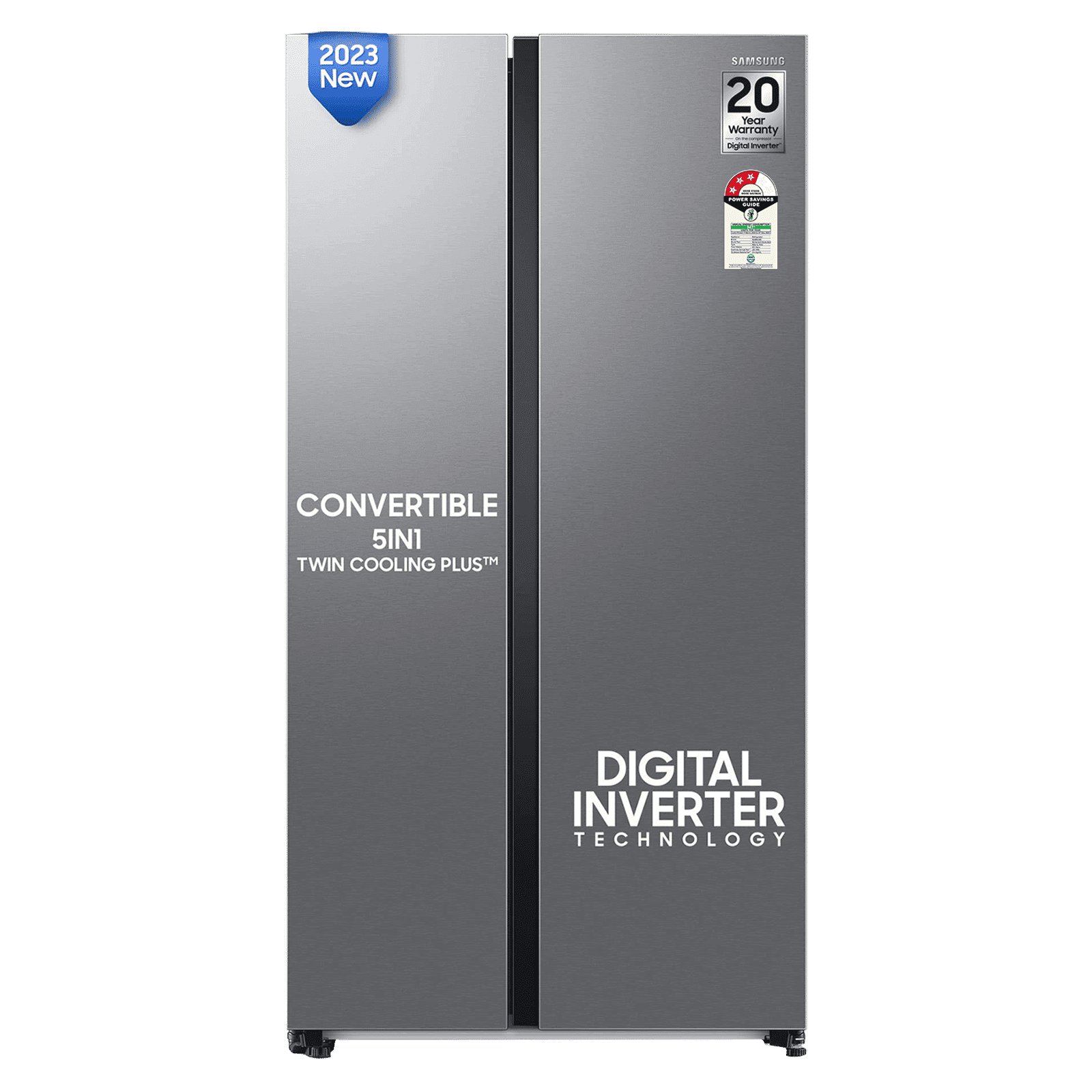
Next, add racks made for refrigerators. These racks allow better air circulation and hold different types of food containers. Choose racks that fit the freezer’s dimensions closely.
- Place racks evenly to create multiple storage layers.
- Ensure racks are secure and stable before loading items.
- Use racks with adjustable heights for flexibility.
Proper rack installation helps the fridge maintain an even temperature. It also makes it easier to organize fresh food efficiently.
Credit: www.tataneu.com
Improve Air Circulation
Improving air circulation inside your converted freezer is key to maintaining an even temperature and keeping your food fresh. Without proper airflow, cold spots can develop, leading to uneven cooling and potential spoilage. Simple adjustments can make a significant difference in how well your freezer functions as a fridge.
Clean Air Vents
Air vents allow cold air to move freely throughout the interior. Over time, these vents can get blocked by dust, debris, or even food particles. Take a few minutes to locate and clean them thoroughly.
Use a soft brush or a vacuum cleaner with a brush attachment to remove buildup gently. Keeping these vents clear ensures the cold air circulates evenly, preventing hot spots. Have you noticed uneven cooling in your converted fridge? Cleaning the vents might be the quick fix you need.
Ensure Proper Door Seals
The door seal, or gasket, keeps the cold air inside and warm air out. If your seal is cracked, loose, or dirty, air leaks can occur, ruining your efforts to maintain consistent temperatures.
Check the gasket for any damage by pressing it firmly against the fridge body. A simple test is to close the door on a piece of paper; if the paper slides out easily, your seal might need replacing. Clean the gasket regularly with warm, soapy water to keep it flexible and effective.
Have you ever felt cold air escaping from your fridge door? Tightening up your door seal could save energy and improve cooling performance.
Test Cooling Performance
Testing the cooling performance of your converted freezer is key to making sure it functions well as a fridge. This step helps you avoid spoiled food and energy waste. It’s about understanding how your appliance handles the new temperature range and making adjustments to keep things consistent.
Monitor Temperature Stability
Start by placing a reliable thermometer inside the fridge. Keep it away from walls and vents to get an accurate reading of the air temperature. Check the temperature at different times of the day to see if it stays steady or fluctuates.
Watch for temperature swings that could affect your food quality. If you notice big changes, think about what might be causing them — is the door opening too often, or is the compressor cycling irregularly? Keeping a simple log of these readings can help you spot patterns and decide what to fix.
Adjust Settings As Needed
If the temperature isn’t where you want it, don’t hesitate to tweak the thermostat. Your freezer’s original settings might be too cold for fridge use, so raise the temperature gradually until it stabilizes between 35°F and 38°F (1.7°C to 3.3°C).
Remember, small changes can make a big difference. Test each adjustment for at least 24 hours before making another. You might also need to check the door seals and ventilation to improve cooling efficiency.
Have you ever tried adjusting settings and found unexpected results? Sometimes, what seems like a simple fix can lead to new challenges—but that’s part of making your fridge work just right for your needs.
Maintain Converted Fridge
Maintaining your converted fridge is key to keeping it running smoothly and efficiently. Since you’ve changed its function, some habits will differ from a standard freezer or fridge. Paying attention to simple upkeep tasks can save you from costly repairs and ensure your food stays fresh longer.
Regular Cleaning Tips
Cleaning your converted fridge regularly prevents odors and bacteria buildup. Wipe down shelves and walls every two weeks with a mixture of warm water and mild soap. Avoid harsh chemicals that can damage the interior lining or leave behind harmful residues.
Check the door seals during cleaning. If you notice any cracks or debris, clean them gently and consider replacing damaged seals to keep cold air inside. A tight seal means your fridge won’t have to work harder than necessary.
Prevent Frost Build-up
Frost can form even in a converted fridge if moisture collects inside. To reduce this, avoid placing hot or uncovered food directly into the fridge. Use airtight containers to keep moisture levels low.
How often do you defrost your converted fridge? Skipping this can make frost buildup worse and reduce cooling efficiency. Defrost manually when you see a quarter-inch layer of frost or use a hairdryer on a low setting to speed up the process safely.
Keeping your converted fridge frost-free not only improves energy use but also extends the life of your appliance. What small changes can you make today to keep frost at bay?

Credit: www.youtube.com
Frequently Asked Questions
How Can I Convert A Freezer Into A Fridge?
To convert a freezer into a fridge, adjust the thermostat to a higher temperature. Freezers usually have a colder setting, so set it around 35-40°F. This change allows the appliance to maintain fridge-like temperatures suitable for storing fresh food.
Is It Safe To Use A Freezer As A Fridge?
Yes, it is safe if you adjust the temperature properly. Ensure the freezer maintains 35-40°F to prevent food spoilage. Avoid frequent temperature fluctuations to keep food fresh. Regularly monitor the temperature for consistent fridge conditions.
What Are The Energy Impacts Of Converting A Freezer?
Freezers use more energy due to lower temperature settings. Raising the temperature to fridge levels reduces energy consumption. However, freezers may still use slightly more power than standard fridges because of insulation differences.
Can All Freezer Types Be Converted Into Fridges?
Most standard freezers can be converted by adjusting the thermostat. However, some chest freezers may lack precise temperature controls. Check your freezer’s manual or model specifications before attempting conversion for best results.
Conclusion
Converting a freezer to a fridge is simple and useful. It saves money and space. Just follow the steps carefully. Ensure you have the right tools. Adjust the thermostat settings correctly. Check the temperature regularly. This keeps your food fresh.
Make sure your freezer is suitable for conversion. Not all models work well. Enjoy the flexibility this change brings. Perfect for extra fridge space. Ideal for events or large gatherings. Keep an eye on energy usage. Stay informed about your appliance’s needs.
Now you’re ready to make the switch confidently. Happy converting!