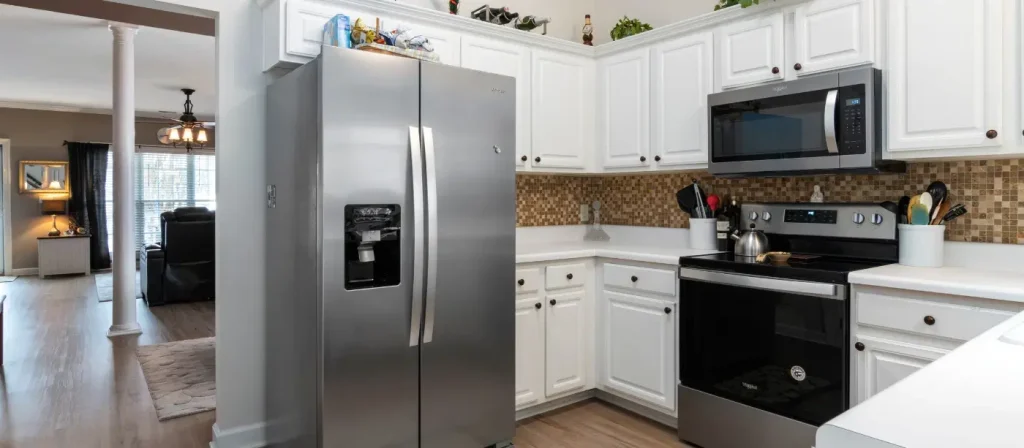
Have you ever wished your freezer could double as a refrigerator? Maybe you need extra fridge space but don’t want to buy a new appliance.
What if you could turn your freezer into a fridge with just a few simple steps? This guide will show you exactly how to do it. By the end, you’ll know how to save money, create more storage, and make your kitchen work better for you.
Ready to unlock the full potential of your freezer? Keep reading to discover how easy it can be.
Why Convert A Freezer
Freezers keep food frozen, but sometimes you need cool storage instead. Converting a freezer to a refrigerator changes its purpose. This switch offers flexibility and saves money. It also helps reduce food waste and better suits daily needs.
Benefits Of Conversion
- Use freezer space for fresh food storage
- Save money by avoiding new fridge purchase
- Reduce energy costs with efficient cooling
- Extend the life of an old freezer
- Customize temperature for specific food types
- Free up space in your main refrigerator
Common Use Cases
- Storing fruits and vegetables in a cool, but not frozen, environment
- Keeping drinks cold for parties or gatherings
- Storing leftovers for easy access
- Using in garages or workshops where a fridge is needed
- Temporary solution during kitchen renovations
- Extra storage for meals prepared in advance
Tools And Materials Needed
Converting a freezer into a refrigerator needs the right tools and materials. Gathering everything before starting makes the process smooth and safe.
Some tools are essential for basic adjustments, while others help with fine-tuning and maintenance. Preparing both types ensures the project goes well.
Essential Tools
- Screwdriver set – for removing panels and screws
- Multimeter – to check electrical components
- Thermostat or temperature controller – to regulate temperature
- Drill with bits – for creating ventilation holes
- Wire cutters and strippers – for electrical wiring
- Insulation tape – to secure electrical connections
- Level – to make sure the unit stands evenly
Additional Supplies
- Silicone sealant – to close gaps and prevent air leaks
- Replacement thermostat sensor – in case the original is incompatible
- Zip ties – to organize wires neatly
- Cleaning cloths and mild detergent – to clean interior surfaces
- Extra shelving – if you want more storage options
- Vent covers – to protect ventilation holes
- Instruction manual or wiring diagram – for reference during modifications
Preparing The Freezer
Preparing the freezer is a key step in converting it into a refrigerator. It ensures the appliance works well and keeps food fresh. Proper preparation also helps avoid any damage or malfunction.
Cleaning And Defrosting
Start by emptying the freezer completely. Remove all food and containers. Clean the inside with warm water and mild soap. Avoid harsh chemicals that can harm surfaces.
Defrost the freezer if there is ice buildup. Turn off the power and leave the door open. Place towels to catch melting water. This process can take several hours. Remove all ice to improve cooling efficiency.
Inspecting Components
Check the door seals for cracks or gaps. Good seals keep cold air inside and save energy. Replace damaged seals before converting the freezer.
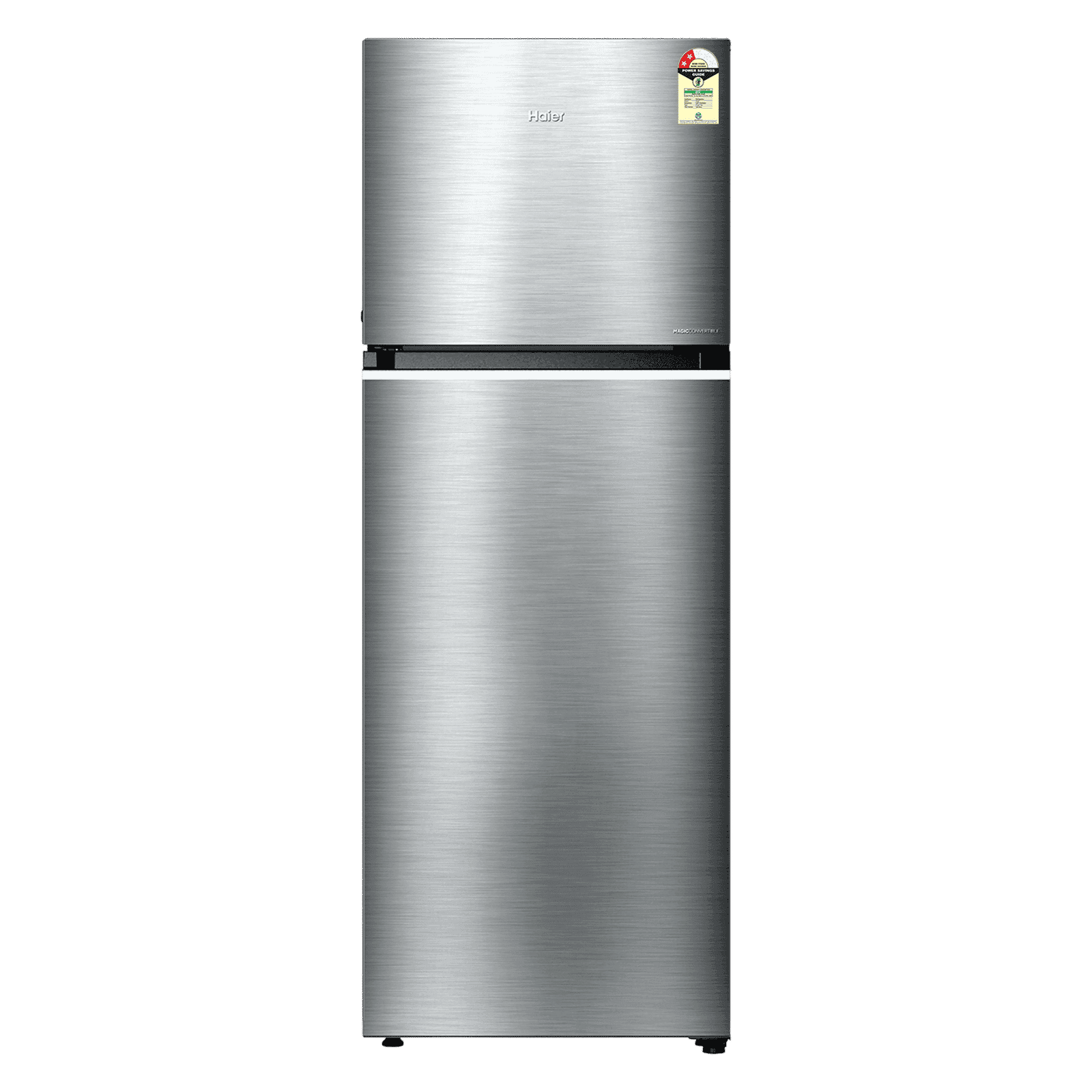
Look at the thermostat and temperature control. Make sure they can be adjusted to higher temperatures suitable for refrigeration. Inspect the fan and compressor for any unusual sounds or leaks. Fix or replace faulty parts to ensure smooth operation.
Credit: www.tataneu.com
Adjusting The Thermostat
Adjusting the thermostat is a crucial step in converting your freezer into a refrigerator. This simple change controls the temperature and ensures your food stays fresh without freezing solid. Knowing how to locate and set the thermostat correctly can save you from guesswork and unnecessary trial and error.
Locating The Thermostat
Most freezers have their thermostat hidden inside, often behind a panel or near the back wall. You might need to remove a plastic cover or unscrew a small panel to access it. If you’re unsure, check the user manual or look for a dial or digital control with temperature markings.
Keep in mind, some freezers use a simple dial, while others have digital controls. Identifying the type helps you understand how precise your temperature adjustments can be. Don’t rush—take your time to find this control before making any changes.
Setting The Temperature
Once you find the thermostat, adjust it to a higher temperature suitable for refrigeration—usually around 35°F to 40°F (1.6°C to 4.4°C). This range keeps your items cool without freezing them solid. Avoid setting it too high; otherwise, your food might spoil quickly.
Start by moving the dial one notch or setting the digital control a few degrees warmer. Then, wait 24 hours to see if the temperature stabilizes. This patience prevents overheating or freezing and helps you find the perfect balance for your converted appliance.
Have you ever tried adjusting a thermostat only to find out the food was either frozen or spoiling? Taking these small, careful steps can save you from that frustration and make your converted freezer work just like a regular fridge.
Installing A Temperature Controller
Installing a temperature controller is key to turning a freezer into a reliable refrigerator. It keeps the temperature steady and prevents overcooling. This simple device allows precise control over cooling cycles. You avoid food freezing and save energy at the same time.
Choosing the right controller and wiring it correctly ensures safe, effective operation. A good setup helps the appliance work smoothly for everyday use. Let’s explore how to pick and install a temperature controller for your converted freezer.
Choosing A Controller
Select a temperature controller that fits your appliance’s power and size. Most people use digital thermostat controllers with a sensor probe. These offer accurate temperature readings and simple settings.
- Check the voltage and current rating match your freezer.
- Pick a controller with a temperature range from about 35°F to 50°F (2°C to 10°C).
- Look for models with clear digital displays and easy controls.
- Choose a controller with a relay rated for your freezer’s compressor.
These features ensure your freezer runs like a refrigerator without risk of damage.
Wiring And Setup
Turn off the freezer and unplug it before starting any wiring. Safety is important. Follow the controller’s wiring diagram carefully. Usually, you connect the controller’s power input to the main outlet.
The controller’s output connects to the freezer’s compressor power line. Attach the temperature sensor probe inside the freezer compartment. Place it where it can read air temperature, not near the cooling coils.
- Use insulated connectors and secure all wires tightly.
- Double-check all connections before powering on.
- Set the desired temperature on the controller, usually around 40°F (4°C).
- Test the system by running the freezer and watching the temperature.
Adjust settings as needed to keep food fresh without freezing.

Credit: www.youtube.com
Testing And Monitoring
Testing and monitoring are crucial after converting a freezer into a refrigerator. These steps ensure the appliance works properly and keeps food safe. Regular checks help catch problems early and maintain the right temperature.
Initial Testing
Start by plugging in the appliance and setting the thermostat to refrigerator mode. Use a thermometer to check the internal temperature. It should be between 35°F and 40°F (1.6°C to 4.4°C).
Monitor the temperature for at least 24 hours. Make sure it stays steady within the safe range. Also, listen for unusual noises from the compressor or fans.
- Check the door seals for tight closure.
- Ensure no frost builds up inside.
- Note any temperature fluctuations.
Maintaining Optimal Conditions
Keep the appliance clean and free from dust around vents. This helps maintain airflow and efficiency. Regularly check the temperature with a reliable thermometer.
Adjust the thermostat if the temperature drifts outside the safe range. Avoid opening the door frequently, as this changes the internal temperature.
- Inspect door seals monthly for wear.
- Defrost if frost forms inside.
- Clean condenser coils every 6 months.
Consistent monitoring protects your food and extends the appliance’s life. Small efforts make a big difference in performance.
Safety Tips
Converting a freezer to a refrigerator requires careful attention to safety. Ignoring key safety tips can cause damage or hazards. Follow simple guidelines to ensure a safe and effective conversion.
Electrical Safety
Check the power cord for any damage before use. Use a grounded outlet to prevent electric shocks. Avoid using extension cords as they can overheat. Make sure the freezer’s electrical rating matches your home supply. Unplug the appliance before any adjustments or cleaning. Keep the area dry to avoid electrical hazards.
Proper Ventilation
Place the converted freezer in a well-ventilated area. Leave space around the appliance for airflow, at least 2-3 inches on all sides. Avoid placing it close to heat sources like ovens or direct sunlight. Good ventilation helps the compressor work efficiently. It also prevents overheating and extends the appliance’s life.

Credit: www.youtube.com
Frequently Asked Questions
Can You Convert A Freezer Into A Refrigerator?
Yes, you can convert a freezer into a refrigerator. Adjust the thermostat to a higher setting. This will increase the temperature inside the freezer. Use a temperature controller to maintain optimal refrigerator temperatures. It’s a cost-effective way to repurpose an old freezer.
What Tools Are Needed For Conversion?
You’ll need a temperature controller, screwdriver, and possibly a drill. The temperature controller is essential for maintaining the right temperature. A screwdriver will help in accessing the thermostat. A drill might be needed for mounting the controller. These tools are usually found in most households.
Is It Energy-efficient To Convert Freezers?
Converting a freezer can be energy-efficient. Freezers are well-insulated, helping maintain consistent temperatures. This can result in less energy usage compared to some refrigerators. Ensure the converted unit is regularly maintained. This will help in optimizing energy consumption and performance.
What Temperature Should I Set For A Refrigerator?
Set the temperature between 34°F to 40°F (1°C to 4°C). This range ensures food safety and freshness. It prevents bacterial growth and maintains food quality. Use a thermometer to check accuracy. Adjust the temperature controller as needed to maintain this range.
Conclusion
Converting a freezer to a refrigerator saves money and adds convenience. You only need a few simple steps to adjust the temperature. This change helps keep your food fresh and easy to access. It also reduces energy use compared to running two separate appliances.
Take your time to follow the instructions carefully for the best results. Enjoy the extra space and the benefits of your new refrigerator. Simple changes can bring big improvements at home. Try this easy upgrade and see the difference.