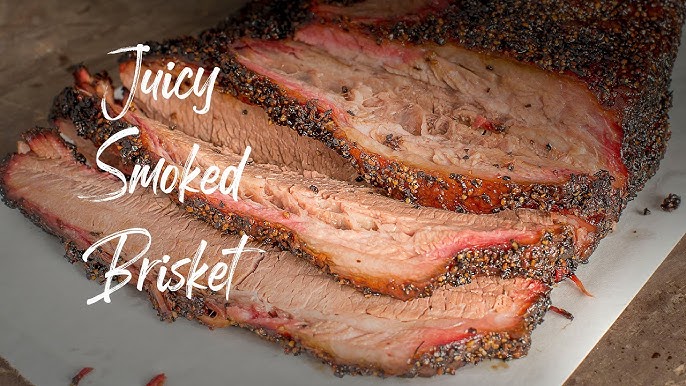
If you’ve ever wanted to master the art of cooking a brisket on a charcoal grill, you’re in the right place. Imagine biting into juicy, tender meat with a smoky flavor that only a charcoal grill can deliver.
It’s easier than you think, and once you learn the steps, you’ll impress everyone at your next cookout. In this guide, you’ll discover simple tips and tricks to turn your brisket into a mouthwatering masterpiece. Ready to fire up your grill and become the go-to barbecue hero?
Let’s get started!

Credit: snakeriverfarms.com
Choosing The Right Brisket
Choosing the right brisket is key for a tasty meal on a charcoal grill. The right meat will cook well and taste great.
Focus on quality, cut type, and size to get the best brisket for grilling.
Selecting Quality Meat
Look for brisket with a bright red color and good marbling. Fat adds flavor and keeps meat moist during long cooking.
- Avoid meat that looks dry or pale
- Choose brisket with even fat distribution
- Check for firm texture when pressed
Understanding Brisket Cuts
Brisket has two main parts: the flat and the point. Each part cooks differently and has unique uses.
| Cut | Description | Best Use |
| Flat | Lean, thin, and uniform | Good for slicing |
| Point | Fatter and more marbled | Best for shredding |
Size And Thickness Considerations
Pick a brisket size that fits your grill and the number of people you serve. Thickness affects cooking time and heat distribution.
- Small brisket: 5 to 7 pounds, cooks faster
- Medium brisket: 8 to 12 pounds, ideal for groups
- Thicker brisket needs lower heat and more time
Preparing The Brisket
Preparing the brisket correctly is key for a tasty meal. This section covers trimming, seasoning, and marinating tips.
Each step helps the meat cook evenly and absorb flavor better on your charcoal grill.
Trimming Excess Fat
Trim the fat cap on the brisket to about 1/4 inch thick. This prevents flare-ups and helps smoke flavor reach the meat.
Remove any silver skin or hard fat that will not melt during cooking. Use a sharp knife for clean cuts.
Applying A Dry Rub
Use a dry rub to add flavor and create a crust on the brisket. Apply it evenly on all sides.
- Pat the brisket dry with paper towels before applying the rub.
- Sprinkle the rub generously, then press it into the meat.
- Use a mix of salt, pepper, paprika, garlic powder, and brown sugar for balance.
- Let the brisket rest after rubbing to absorb the spices.
Marinating Tips
| Tip | Reason |
|---|---|
| Marinate overnight in the fridge | Allows flavors to penetrate deeply |
| Use acidic ingredients like vinegar or citrus | Tenderizes the meat |
| Keep the brisket covered | Prevents drying out |
| Bring to room temperature before grilling | Ensures even cooking |
Setting Up The Charcoal Grill
Cooking a brisket on a charcoal grill can be a delicious adventure. Proper setup of the grill ensures even cooking and rich flavors.
In this guide, we’ll explore how to arrange charcoal, manage airflow, and add wood chips for a smoky taste.
Arranging Charcoal For Indirect Heat
Indirect heat is essential for cooking brisket slowly and evenly. It prevents burning and enhances tenderness.
- Place charcoal on one side of the grill.
- Leave the other side empty for the brisket.
- Light the charcoal and let it ash over.
Managing Airflow And Temperature
Controlling airflow helps maintain a steady temperature. This is crucial for the long cooking process of brisket.
| Grill Part | Function |
| Bottom vent | Increases or decreases airflow |
| Top vent | Releases smoke and heat |
| Thermometer | Monitors internal temperature |
Adding Wood Chips For Smoke
Wood chips add a smoky flavor to the brisket. Choose your preferred wood type for different taste profiles.
Soak wood chips in water for 30 minutes before use. This prevents them from burning too quickly.
Cooking Process
Cooking brisket on a charcoal grill takes time and patience. You must control the fire and watch the meat closely. This process helps the brisket become tender and full of flavor.
The key steps include placing the brisket on the grill, keeping the heat steady, and checking the meat’s temperature. Each step affects the final taste and texture.
Placing The Brisket On The Grill
Start by preparing the charcoal grill for indirect heat. Place the coals on one side, leaving the other side empty. This setup lets the brisket cook slowly without burning.
Put the brisket on the side without coals, fat side up. This lets the fat drip and keep the meat moist. Close the grill lid to trap the smoke and heat.
- Use a drip pan under the brisket to catch fat
- Keep the brisket away from direct flames
- Place the grill grate clean and oiled
- Position the brisket with the thicker end closer to heat
Maintaining Consistent Heat
Keep the charcoal grill temperature steady between 225°F and 275°F. Check the vents to control airflow and adjust heat. Add charcoal or wood chips as needed to keep the fire going.
| Action | Purpose |
| Open vents wider | Increase oxygen and heat |
| Close vents partially | Reduce oxygen and lower heat |
| Add charcoal | Raise heat after cooling |
| Add wood chips | Add smoke flavor |
Monitoring Internal Temperature
Use a meat thermometer to check the brisket’s temperature. Insert it into the thickest part. The brisket is done when it reaches 195°F to 205°F.
- Start checking after 4 hours of cooking
- Take care not to open the lid often
- Remove the brisket when temperature is right
- Let it rest for at least 30 minutes before slicing
Wrapping And Resting
Wrapping and resting your brisket are key steps for juicy, tender meat. These steps help keep moisture and improve flavor after cooking.
Proper wrapping protects the brisket from drying out. Resting lets the juices settle back into the meat for better texture.
When And How To Wrap The Brisket
Wrap the brisket after it reaches an internal temperature of about 165°F (74°C). This is usually when the bark forms and the meat can dry out.
Use either butcher paper or aluminum foil to wrap the brisket tightly. This traps heat and moisture while still allowing the bark to stay flavorful.
- Check temperature with a meat thermometer
- Lay out a large sheet of butcher paper or foil
- Place brisket in the center and wrap tightly
- Seal the edges well to keep moisture in
- Return the wrapped brisket to the grill
Resting For Tenderness
Rest the wrapped brisket for at least one hour after cooking. This helps the juices redistribute inside the meat.
Keep the brisket wrapped and place it in a warm cooler or oven. Avoid cutting the meat too early to keep it moist and tender.
- Leave brisket wrapped for 60 to 90 minutes
- Use a cooler or warm oven to keep heat
- Do not unwrap until ready to slice
- Slice against the grain for best tenderness

Credit: www.youtube.com
Serving Tips
Serving brisket from a charcoal grill is as important as cooking it well. Proper serving brings out the best flavors and textures.
These tips will help you serve your brisket in a way that pleases everyone at the table.
Slicing The Brisket Properly
Slicing brisket correctly keeps the meat tender and easy to eat. Always slice against the grain to avoid chewy pieces.
- Find the grain direction by looking at the lines in the meat.
- Use a sharp knife to make clean, thin slices.
- Cut brisket into slices about ¼ inch thick.
- Slice flat against the grain for tenderness.
- Serve slices on a warm platter to keep them moist.
Pairing With Sauces And Sides
Sauces and sides add flavor and balance to your brisket meal. Choose options that complement the smoky taste from the charcoal grill.
| Sauce | Flavor Profile | Best Paired Side |
| Classic BBQ Sauce | Sweet and tangy | Coleslaw |
| Mustard Sauce | Sharp and spicy | Baked beans |
| Chimichurri | Herby and fresh | Grilled vegetables |
| Horseradish Cream | Spicy and creamy | Roasted potatoes |
Common Mistakes To Avoid
Cooking a brisket on a charcoal grill needs care and attention. Many people make simple mistakes that spoil their meat.
Avoiding these errors helps you get juicy, tender brisket every time. Here are some common mistakes to watch out for.
Overcooking Or Undercooking
Brisket needs slow and low heat to become tender. Overcooking makes it dry and tough. Undercooking leaves it chewy and hard to eat.
Use a meat thermometer to check the internal temperature. Aim for about 195°F to 205°F for the best texture.
- Check temperature often to avoid overcooking
- Cook until the meat is tender, not just heated through
- Use indirect heat on the grill to cook slowly
Ignoring Temperature Fluctuations
Charcoal grills can have hot and cool spots. This uneven heat can burn some parts and leave others raw.
Keep a steady temperature by adjusting the vents and adding charcoal as needed. Use a grill thermometer to monitor heat.
- Use a two-zone setup: one side hot, one side cool
- Keep the grill lid closed to keep temperature steady
- Add small amounts of charcoal to avoid big heat spikes
Skipping Rest Time
Resting the brisket after cooking lets juices spread evenly. Cutting too soon causes juices to run out and dry meat.
Wrap the brisket in foil and let it rest for at least 30 minutes before slicing. This makes the meat moist and flavorful.
- Rest for 30 to 60 minutes
- Keep wrapped in foil or a towel
- Slice against the grain for tenderness

Credit: snakeriverfarms.com
Enhancing Flavor Variations
Cooking brisket on a charcoal grill offers many ways to change its taste. You can try different rubs, woods, and sauces to find flavors you like best.
These tips will help you add new layers of flavor to your grilled brisket. Each method brings a unique twist to this classic dish.
Experimenting With Rubs And Marinades
Rubs and marinades add flavor and tenderness to your brisket. Use spices, herbs, and liquids to create your own mix. Let the brisket soak for several hours or overnight to absorb the taste.
- Try a mix of paprika, garlic powder, and black pepper for a smoky rub.
- Use soy sauce, brown sugar, and mustard as a marinade for sweetness and depth.
- Add chili powder and cumin for a spicy kick.
- Include fresh herbs like rosemary or thyme for a fresh aroma.
Using Different Wood Types
Wood smoke changes the flavor of your brisket. Different woods create different smoky notes. Here is a simple guide to common wood choices:
| Wood Type | Flavor Profile |
| Hickory | Strong, bacon-like smoke |
| Mesquite | Bold and earthy smoke |
| Apple | Sweet and mild smoke |
| Cherry | Fruity and light smoke |
| Oak | Medium, versatile smoke |
Adding Smoky Sauces
Smoky sauces add moisture and extra flavor to the brisket. You can brush them on while grilling or serve on the side. Try these ideas:
- Mix barbecue sauce with a splash of liquid smoke for a smoky taste.
- Add chipotle peppers in adobo for a spicy smoky sauce.
- Combine tomato paste, vinegar, and smoked paprika for a tangy sauce.
- Use mustard-based sauces with smoked salt for a sharp flavor.
Frequently Asked Questions
How Long Does Brisket Take On A Charcoal Grill?
Cooking brisket on a charcoal grill usually takes 8 to 12 hours. Maintain a steady temperature of 225-250°F for best results. Use indirect heat and smoke to cook the meat slowly and evenly.
What Charcoal Type Is Best For Grilling Brisket?
Lump charcoal is ideal for grilling brisket. It burns hotter and longer than briquettes. Using hardwood lump charcoal adds natural smoky flavor to your brisket, enhancing its taste.
Should I Wrap Brisket During Charcoal Grilling?
Yes, wrapping brisket with foil or butcher paper helps retain moisture. Wrap it when the internal temperature reaches about 165°F. This technique speeds up cooking and keeps the meat tender.
How Do I Maintain Temperature On A Charcoal Grill?
Control airflow using the grill’s vents to regulate temperature. Add charcoal gradually to maintain heat. Use a grill thermometer for accurate monitoring throughout the cooking process.
Conclusion
Cooking brisket on a charcoal grill takes patience and care. Keep the fire steady and the smoke low. Use a good rub for flavor and wrap the meat to keep it juicy. Check the temperature often to avoid overcooking. Rest the brisket before slicing to keep it tender.
Enjoy the rich, smoky taste you created. This method brings out the best in your brisket every time. Simple steps, great results. Give it a try and taste the difference yourself.