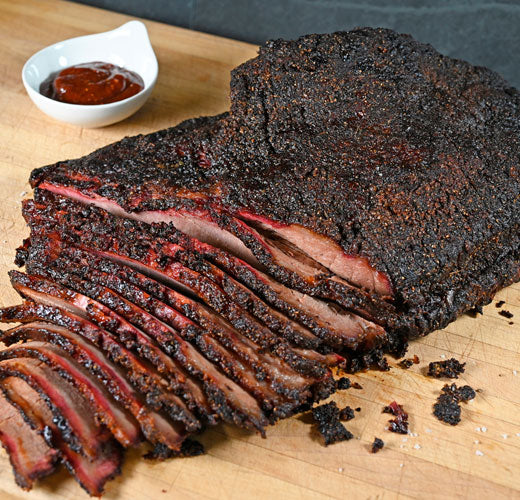
If you want to master the art of cooking brisket on a charcoal grill, you’re in the right place. Imagine biting into tender, smoky meat that melts in your mouth, made right in your backyard.
It’s easier than you think, and you don’t need fancy equipment or years of experience. In this guide, you’ll discover simple steps and insider tips to get your brisket perfectly cooked every time. Ready to impress your friends and family with mouthwatering barbecue?
Let’s get started.

Credit: snakeriverfarms.com
Choosing The Right Brisket
Cooking brisket on a charcoal grill starts with picking the right meat. Good brisket makes your meal tasty and juicy.
Learn how to choose quality brisket and understand the cuts to cook it well on charcoal.
Selecting Quality Meat
Look for brisket with fresh color and firm texture. Avoid meat that looks dry or has a bad smell.
Good brisket has some fat, called marbling. This fat keeps the meat tender and adds flavor during cooking.
- Choose brisket with even marbling
- Check for a bright red or pink color
- Pick meat that feels firm to touch
- Avoid any slimy or sticky texture
Understanding Brisket Cuts
Brisket has two main parts: the flat and the point. Each part cooks differently on a charcoal grill.
The flat is leaner and slices nicely. The point has more fat and is very tender after slow cooking.
- Flat:Lean, good for slicing thin
- Point:Fatty, great for juicy bites
- Whole packer brisket:Includes both flat and point
Preparing The Brisket
Cooking brisket on a charcoal grill starts with proper preparation. It ensures the meat is flavorful and tender.
Follow these steps to prepare your brisket for grilling perfection.
Trimming Excess Fat
Trimming fat helps the brisket cook evenly. It also prevents flare-ups on the grill.
- Use a sharp knife to carefully remove the thick fat cap.
- Leave about 1/4 inch of fat to keep the meat moist.
- Trim away any silver skin for even seasoning.
Applying A Dry Rub
A dry rub adds flavor and forms a tasty crust on the brisket. It is easy to make with common spices.
- Mix salt, black pepper, paprika, and garlic powder.
- Rub the mixture evenly over the entire brisket.
- Let it sit for at least 30 minutes to absorb flavors.
Marinating Tips
Marinating the brisket can enhance its flavor. Consider using a simple marinade for extra taste.
| Ingredient | Purpose |
| Soy sauce | Adds umami flavor |
| Worcestershire sauce | Enhances savory taste |
| Brown sugar | Balances flavors with sweetness |
| Olive oil | Helps to keep the brisket moist |
Setting Up The Charcoal Grill
Cooking brisket on a charcoal grill needs the right setup. Proper setup helps keep the heat steady. This guide shows how to prepare your grill for the best results.
Focus on arranging the charcoal, controlling temperature, and adding smoke flavor. Each step is key to cooking a tender brisket.
Arranging Charcoal For Indirect Heat
Indirect heat cooks brisket slowly without burning it. Arrange charcoal so the meat does not sit over direct flames. Use this method for even cooking.
- Light charcoal and wait until it is covered with gray ash.
- Push the hot charcoal to one side of the grill or split into two piles on opposite sides.
- Place a drip pan in the center to catch fat and prevent flare-ups.
- Put the brisket above the drip pan, away from direct heat.
Controlling Temperature
Keeping the grill temperature steady is important for tender brisket. Adjust vents to control airflow and heat. Watch the temperature often.
| Vent Position | Effect on Temperature |
|---|---|
| Open vents | Increase airflow, raise temperature |
| Partially closed vents | Moderate airflow, steady temperature |
| Closed vents | Reduce airflow, lower temperature |
Adding Wood Chips For Smoke
Wood chips add smoky flavor to brisket. Soak chips in water before use. Add them to hot charcoal to create smoke.
Follow these tips when using wood chips:
- Soak chips for 30 minutes in water.
- Drain chips and place them on hot charcoal.
- Use fruit woods like apple or cherry for mild smoke.
- Add chips every hour for consistent smoke.
Cooking The Brisket
Cooking brisket on a charcoal grill takes time and care. The goal is to get the meat tender and full of smoky flavor.
Keep the heat low and steady. Watch the brisket closely to cook it just right.
Placing Brisket On The Grill
Place the brisket on the grill away from direct flames. Use indirect heat to cook it slowly.
Put the fat side up to let the fat drip down and keep the meat moist.
- Preheat grill and set up for indirect cooking
- Place brisket on the cooler side of the grill
- Keep the fat side facing up
Maintaining Consistent Heat
Keep the grill temperature steady between 225°F and 250°F. This low heat cooks the meat slowly.
Add charcoal as needed to keep the fire going. Use water pans to keep the environment moist.
- Monitor grill temperature with a thermometer
- Add charcoal every hour or as needed
- Use a water pan to maintain moisture
Timing And Monitoring
Cook the brisket for about 1 to 1.5 hours per pound. Check the internal temperature often.
The brisket is done when it reaches 195°F to 205°F and feels tender when poked.
- Use a meat thermometer to check temperature
- Look for tenderness by feeling the meat
- Rest brisket for 30 minutes before slicing
Using A Water Pan
Cooking brisket on a charcoal grill needs patience and good technique. Using a water pan helps keep the meat moist during the long cook.
A water pan sits inside the grill to add moisture and stabilize the temperature. This improves the flavor and texture of your brisket.
Benefits Of Moisture
The water pan releases steam that keeps the air inside the grill moist. This stops the brisket from drying out.
Moist air helps break down the meat’s fibers, making it tender. It also keeps the brisket juicy and flavorful.
- Prevents brisket from drying out
- Keeps meat tender and juicy
- Helps slow, even cooking
- Reduces flare-ups from dripping fat
Setting Up The Pan Properly
Place the water pan below the brisket on the grill grate. Make sure it does not touch the coals but catches drippings.
Fill the pan with hot water before cooking. Check the water level every hour and refill as needed to keep steam going.
- Use a heat-safe pan, like aluminum or cast iron
- Fill pan with hot water for faster steam
- Keep pan stable and centered under the brisket
- Refill water to maintain steam during cooking
Wrapping The Brisket
Wrapping a brisket helps keep it moist during cooking. It also speeds up the cooking process.
Choosing the right time and material to wrap affects the final taste and texture of your brisket.
When To Wrap
Wrap your brisket after it reaches the stall. The stall is when the temperature stops rising for a while.
This usually happens around 150°F to 170°F (65°C to 77°C). Wrapping helps push through this phase faster.
- Wait until brisket hits the stall temperature.
- Wrap brisket tightly to keep moisture in.
- Return brisket to the grill to finish cooking.
Choosing Foil Or Butcher Paper
Foil and butcher paper are the two common wraps. Each one changes the cooking results in different ways.
| Wrap Type | Breathability | Effect on Crust | Moisture Retention |
|---|---|---|---|
| Foil | Non-breathable | Softens crust | High moisture retention |
| Butcher Paper | Breathable | Keeps crust crisp | Moderate moisture retention |
Foil traps steam and juice, making the brisket very tender. But it can soften the bark.
Butcher paper lets the brisket breathe. It keeps the bark firmer and adds a slight smoky flavor.
Checking Doneness
Cooking brisket on a charcoal grill takes time and care. It is important to check if the meat is done before serving. This ensures the brisket is tender and flavorful.
Two main ways to check doneness are measuring the internal temperature and testing the meat’s tenderness. Both methods help you know when the brisket is ready.
Internal Temperature Guide
Use a meat thermometer to check the brisket’s internal temperature. This is the best way to know if it is cooked properly. Insert the thermometer into the thickest part of the meat.
- 195°F to 205°F: Brisket is fully cooked and tender
- 180°F to 190°F: Brisket is cooked but may need more time to soften
- Below 180°F: Brisket is not done and needs more cooking
Testing Tenderness
Tenderness shows if the brisket is soft and easy to pull apart. Use a fork or skewer to test it. Insert it into the brisket and twist gently.
If the fork slides in and out with little resistance, the brisket is tender. If it feels tough or hard, cook the brisket longer and test again.

Credit: www.youtube.com
Resting And Slicing
Cooking brisket on a charcoal grill takes time and care. Resting and slicing are key to great results.
Proper resting locks in juices. Slicing the brisket right keeps it tender and tasty.
Importance Of Resting
Resting lets the meat cool slightly. This helps the juices spread evenly inside.
If you slice too soon, the juices will run out. The brisket will be dry and less flavorful.
- Rest brisket for 30 to 60 minutes after grilling
- Cover it loosely with foil to keep heat
- Allow juices to redistribute for a juicy bite
Proper Slicing Techniques
Slice brisket against the grain. This breaks muscle fibers and makes meat tender.
Use a sharp knife and cut thin slices. Thick slices can be tough to chew.
- Find the direction of the meat grain
- Cut perpendicular to the grain
- Keep slices about ¼ inch thick
- Use a long, sharp knife for clean cuts
Serving Suggestions
Cooking brisket on a charcoal grill creates a smoky flavor. Serving it right makes the meal better. Choose sides and sauces that match the rich taste of brisket.
Good pairings balance the meat’s boldness. They add texture and flavor to the plate. Use simple choices for a great meal.
Complementary Sides
Brisket goes well with sides that are fresh or creamy. These help cut the richness of the meat. Pick sides with different textures for variety.
- Coleslaw: Crunchy and tangy to balance the smoky brisket
- Baked beans: Sweet and savory for a classic touch
- Grilled corn on the cob: Adds sweetness and charred flavor
- Potato salad: Creamy and cool for contrast
- Roasted vegetables: Earthy flavors to complement the meat
- Pickles: Sharp and sour to refresh the palate
Sauce Pairings
Sauces add moisture and extra flavor to brisket. Choose sauces that match the smoky taste. Mild and spicy sauces both work well.
- Classic barbecue sauce: Sweet and tangy for a familiar flavor
- Mustard sauce: Sharp and slightly spicy for contrast
- Chimichurri: Fresh herbs and garlic brighten the meat
- Horseradish sauce: Adds heat and creaminess
- Hot sauce: Spicy kick for those who like heat
- Vinegar-based sauce: Tangy and light for balance

Credit: www.youtube.com
Common Mistakes To Avoid
Cooking brisket on a charcoal grill takes patience and care. Many beginners make simple mistakes that affect taste and texture.
Knowing what to avoid helps you cook a tender and flavorful brisket every time.
Temperature Fluctuations
Keeping the grill temperature steady is key for slow cooking brisket. Fluctuations can make the meat tough or dry.
Opening the grill too often lets heat escape and causes temperature swings. Using too much charcoal at once can also create hot spots.
- Keep the grill closed as much as possible
- Use a good thermometer to monitor temperature
- Add small amounts of charcoal gradually
- Arrange coals to create even heat zones
Overcooking Or Undercooking
Brisket needs long, slow cooking to become tender. Cooking too long dries it out. Not cooking enough leaves it tough.
Check internal temperature often. Aim for about 195°F to 205°F for the best texture. Rest the meat after cooking to keep juices inside.
- Use a meat thermometer to check doneness
- Cook until brisket feels tender when poked
- Let brisket rest wrapped in foil for at least 30 minutes
Frequently Asked Questions
How Long To Cook Brisket On A Charcoal Grill?
Cooking brisket on a charcoal grill takes about 8 to 12 hours. Maintain a steady temperature of 225-250°F for best results. Use indirect heat and monitor the internal temperature until it reaches 195-205°F for tender meat.
What Charcoal Type Is Best For Grilling Brisket?
Lump charcoal is best for grilling brisket because it burns hotter and cleaner. It imparts a natural smoky flavor and maintains consistent heat. Avoid briquettes with additives to keep the brisket’s taste pure and delicious.
How To Maintain Temperature On A Charcoal Grill?
Control airflow by adjusting the grill vents to maintain 225-250°F. Add charcoal gradually to keep steady heat. Use a grill thermometer to monitor temperature. Avoid opening the lid too often to prevent heat loss.
Should I Wrap Brisket During Charcoal Grilling?
Wrapping brisket in foil or butcher paper after 4-6 hours helps retain moisture. It speeds up cooking and prevents the meat from drying out. Unwrap during the last hour for a crispy bark.
Conclusion
Grilling brisket over charcoal brings rich, smoky flavor to your meal. Keep the fire low and steady for tender results. Use a good rub and let the meat rest before slicing. Patience pays off with juicy, delicious brisket every time.
Try these steps for your next cookout and enjoy great taste. Practice makes perfect, so don’t rush the process. Charcoal grilling turns simple brisket into a special treat. Give it a try and savor the difference.