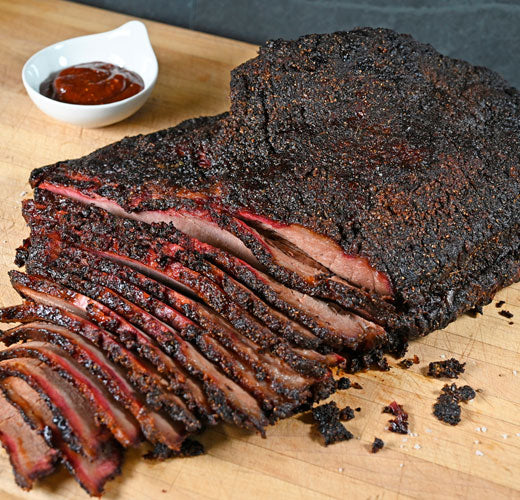
Are you ready to master the art of cooking brisket on a charcoal grill? Imagine biting into tender, smoky meat that melts in your mouth, all made by your own hands.
It’s easier than you think, and with the right steps, you’ll impress your family and friends every time. In this guide, you’ll discover simple tips and tricks to control the heat, season your brisket perfectly, and get that unbeatable smoky flavor.
Keep reading, and soon you’ll be the grill master everyone talks about.
Choosing The Right Brisket
Cooking brisket on a charcoal grill is a delicious experience. Picking the right brisket is the first step to a tasty meal.
Understanding which cuts to buy and how to prepare them can make all the difference. Let’s look at some important factors.
Selecting Quality Cuts
Quality cuts of brisket are essential for a flavorful dish. Look for brisket with a good layer of fat.
The fat adds flavor and keeps the meat juicy. Choose a brisket that feels firm to the touch.
- Firm texture ensures a tender result
- Even fat distribution is important
- Look for fresh, bright red meat
Understanding Brisket Grades
Brisket comes in different grades that affect taste and tenderness. The grade is based on the quality and marbling of the meat.
Prime grade has the most marbling and is the most tender. Choice grade is a good option for grilling.
- Prime grade: Best marbling, most tender
- Choice grade: Good quality, less expensive
- Select grade: Less marbling, leaner meat
Trimming Tips
Trimming brisket properly helps it cook evenly. Remove excess fat but leave a thin layer for flavor.
Use a sharp knife to trim the brisket. Aim for a smooth surface to help the seasoning stick.
| Trimming Tips |
| Use a sharp knife |
| Remove silver skin |
| Leave a thin fat cap |

Credit: www.youtube.com
Preparing The Brisket
Cooking brisket on a charcoal grill needs good preparation. This step is key to get tasty and tender meat.
Start by preparing the brisket well. This helps the flavors soak in and the meat cook evenly.
Seasoning And Rubs
Seasoning your brisket adds flavor to the meat’s surface. Dry rubs are a popular choice for charcoal grilling.
A simple rub uses salt, pepper, and garlic powder. You can add paprika or chili powder for more taste.
- Salt helps bring out the meat’s natural flavor
- Pepper adds a mild heat and sharpness
- Garlic powder gives a rich, savory taste
- Paprika adds color and a smoky flavor
- Chili powder brings warmth and spice
Marinating Options
Marinating brisket adds moisture and more flavor inside the meat. Use a simple marinade for best results.
Common ingredients include vinegar, soy sauce, and spices. Let the brisket soak in the marinade for several hours or overnight.
- Use vinegar or citrus juice for tenderizing
- Soy sauce adds saltiness and depth
- Include herbs like thyme or rosemary
- Add garlic or onion for extra flavor
- Keep the brisket covered and refrigerated
Bringing To Room Temperature
Before grilling, let the brisket sit at room temperature. This helps it cook more evenly on the charcoal grill.
Take the brisket out of the fridge about one hour before cooking. Do not leave it out too long to avoid bacteria growth.
Setting Up The Charcoal Grill
Cooking brisket on a charcoal grill needs the right setup. Proper heat and smoke create tender meat.
Setting up your grill correctly helps control temperature and flavor. This guide covers key steps.
Choosing Charcoal Types
Pick charcoal that burns evenly and lasts long. Lump charcoal and briquettes are good choices.
Lump charcoal lights fast and gives strong heat. Briquettes burn longer and keep steady heat.
- Lump charcoal: quick start, hotter flames
- Briquettes: steady heat, longer burn
- Use natural charcoal without fillers for better taste
Creating Indirect Heat Zones
Indirect heat cooks brisket slowly without burning. Arrange charcoal to one side or around edges.
Place the meat on the cooler side of the grill. This setup lets heat circulate and cook brisket well.
- Push charcoal to one side for two-zone fire
- Keep the other side free for indirect cooking
- Use a drip pan under the meat to catch juices
Adding Wood For Smoke
Wood adds smoky flavor to brisket. Choose mild woods like oak, hickory, or fruit woods.
Soak wood chips in water for 30 minutes before adding. Place them on hot coals to create smoke.
- Oak: steady, medium smoke flavor
- Hickory: strong, classic BBQ taste
- Apple or cherry: sweet, mild smoke
- Use soaked wood chips or small chunks
Grilling Techniques
Cooking brisket on a charcoal grill takes skill and patience. You need to control heat and smoke carefully.
Good grilling techniques help make the brisket tender and full of flavor. Let’s look at some key tips.
Maintaining Consistent Temperature
Keep the grill temperature steady between 225°F and 275°F for slow cooking. Avoid big heat spikes.
Use vents on the charcoal grill to control air flow. Adjust the vents to add or reduce heat.
- Open vents more to increase temperature
- Close vents slightly to lower temperature
- Check temperature often with a grill thermometer
Using A Water Pan
A water pan adds moisture inside the grill. This helps keep the brisket juicy during long cooking.
Place a shallow pan filled with water under the brisket. The water will evaporate and keep the air humid.
- Use a metal or heatproof pan
- Fill it with hot water before grilling
- Refill the pan if water runs low
Monitoring Smoke Levels
Smoke adds flavor to the brisket but too much smoke can make it bitter. Use clean, dry wood or charcoal.
Keep smoke thin and blue, not thick and white. Thin smoke gives a better taste and color.
- Use small pieces of wood for smoke
- Add wood gradually to avoid heavy smoke
- Watch smoke color and adjust airflow
Cooking Process
Cooking brisket on a charcoal grill takes time and patience. You need to control heat and smoke carefully.
This guide explains how to place the brisket, manage timing and temperature, and wrap the meat properly.
Placing The Brisket On The Grill
Put the brisket fat side up on the grill grate. This lets the fat melt and keep the meat moist. Use indirect heat by placing the charcoal on one side of the grill only.
Keep the brisket away from direct flames to avoid burning. Place a drip pan under the meat to catch fat drippings and keep your grill clean.
Timing And Temperature Targets
Brisket cooks low and slow. Keep your grill temperature between 225°F and 250°F (107°C to 121°C). This temperature range helps break down tough fibers and fat.
- Preheat the charcoal grill to 225°F–250°F.
- Place the brisket on the cool side of the grill.
- Maintain the temperature with fresh charcoal and wood chunks for smoke.
- Cook until the internal temperature reaches 195°F to 205°F (90°C to 96°C).
- Use a meat thermometer to check the temperature regularly.
Wrapping The Brisket
Wrap the brisket in foil or butcher paper once it reaches about 165°F (74°C). Wrapping helps keep moisture in and speeds up cooking.
| Material | Pros | Cons |
| Aluminum Foil | Seals moisture well, cooks faster | Can soften the bark |
| Butcher Paper | Breathes, keeps bark firmer | Slower cooking, less moisture sealed |

Credit: snakeriverfarms.com
Resting And Serving
After cooking brisket on a charcoal grill, resting it is very important. Resting helps the meat stay juicy and tender.
Serving the brisket properly makes the meal more enjoyable for everyone.
Resting Duration
Let the brisket rest for at least 30 minutes after grilling. This lets the juices move inside the meat.
Wrap the brisket in foil or butcher paper to keep it warm while resting.
- Rest time can be up to 1 hour for bigger briskets
- Keep it wrapped to hold heat and moisture
- A resting period prevents dry and tough meat
Slicing Methods
Slice the brisket against the grain to keep it tender. Cutting with the grain makes it chewy.
Use a sharp knife for clean and thin slices. This helps serve the meat easily.
- Identify the grain direction before slicing
- Cut thin slices about ¼ inch thick
- Slice on a stable cutting board for safety
Serving Suggestions
Serve brisket with classic sides like coleslaw or baked beans. These add flavor and balance.
You can also offer barbecue sauce or mustard for extra taste.
- Soft bread or buns for sandwiches
- Pickles and onions for crunch
- Fresh salads for a light side
Troubleshooting Common Issues
Cooking brisket on a charcoal grill can be tricky. Problems like dryness, flare-ups, and temperature changes can spoil your meal.
Knowing how to fix these issues will help you cook a juicy and tender brisket every time.
Avoiding Dryness
Dry brisket happens when it cooks too fast or loses too much moisture. Keep the heat low and slow for best results.
Wrapping the brisket in foil or butcher paper during cooking helps keep the juices inside.
- Cook at a steady temperature around 225°F to 250°F.
- Use a meat thermometer to check doneness, aiming for 195°F to 205°F internal temp.
- Wrap brisket halfway through cooking to lock in moisture.
- Rest brisket for at least 30 minutes before slicing.
Managing Flare-ups
Flare-ups happen when fat drips onto hot coals. They cause flames that burn the meat’s surface.
Control flare-ups by moving the brisket to a cooler part of the grill if flames get too high.
- Trim excess fat before grilling to reduce drips.
- Keep a spray bottle of water nearby to calm small flames.
- Use indirect heat by placing coals on one side and brisket on the other.
- Close the grill lid quickly to lower oxygen and reduce flames.
Fixing Temperature Fluctuations
Temperature swings make cooking uneven. Brisket may cook too fast or stay raw inside.
Keep the charcoal grill steady by adding small amounts of charcoal often and adjusting vents.
- Use a good grill thermometer to monitor heat constantly.
- Adjust air vents to control oxygen and temperature.
- Add charcoal gradually to avoid sudden heat spikes.
- Keep the lid closed as much as possible to maintain temperature.

Credit: www.youtube.com
Frequently Asked Questions
How Long Should Brisket Cook On A Charcoal Grill?
Brisket usually cooks for 1 to 1. 5 hours per pound on charcoal. Maintain a steady temperature of 225°F to 250°F. Use indirect heat and turn the brisket occasionally for even cooking.
What Charcoal Is Best For Smoking Brisket?
Use lump charcoal or natural hardwood briquettes for smoking brisket. They provide steady heat and a clean, smoky flavor. Avoid lighter fluid, as it can add unwanted chemicals and taste.
How Do You Maintain Temperature On A Charcoal Grill?
Control airflow using the grill’s vents to regulate temperature. Add charcoal or wood chunks as needed. Use a grill thermometer to monitor heat consistently during cooking.
Should Brisket Be Wrapped During Grilling?
Yes, wrap brisket in foil or butcher paper when internal temperature reaches 160°F. Wrapping helps retain moisture and speeds up cooking. It also prevents the meat from drying out.
Conclusion
Grilling brisket on charcoal takes time and care. Keep your fire steady and your smoke gentle. Patience brings tender, flavorful meat every time. Use a meat thermometer to check doneness. Rest the brisket before slicing to keep juices inside. Serve with your favorite sides for a great meal.
Practice makes perfect, so enjoy the process. Your friends and family will love the results. Charcoal grilling adds a rich, smoky taste you can’t beat. Give it a try and savor the experience.