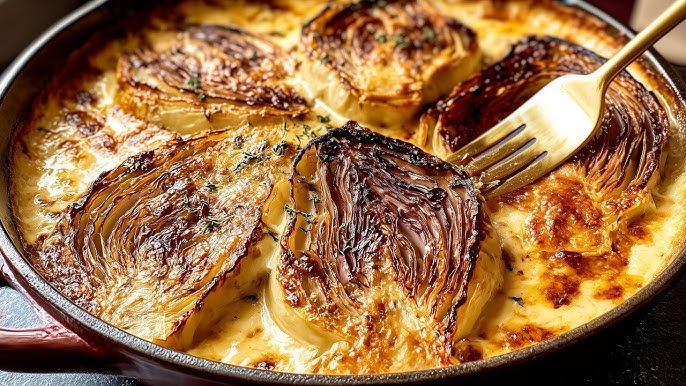
Are you looking to whip up a quick and healthy dish without spending hours in the kitchen? Cooking cabbage in a microwave oven might just be the game-changer you need.
Imagine enjoying a delicious, nutrient-rich meal with minimal effort and time. Sounds too good to be true? It’s not! With our simple tips and tricks, you can transform this humble vegetable into a delightful dish that will impress your taste buds and save you precious time.
Stick around to discover how you can master the art of cooking cabbage in your microwave, and say goodbye to long cooking times and hello to convenience and flavor.
Credit: cookpad.com
Choosing Fresh Cabbage
Choosing fresh cabbage is the first step to delicious microwave-cooked cabbage. Fresh cabbage tastes better and cooks evenly. It has a crisp texture and bright color. Knowing how to pick the right cabbage type and check its freshness helps you get the best results every time.
Selecting The Right Cabbage Type
Cabbage comes in different varieties. Each type has a unique flavor and texture. Green cabbage is the most common and mild in taste. Red cabbage adds color and a slightly peppery flavor. Savoy cabbage has crinkled leaves and a tender texture. Choose the type that fits your recipe and taste preference.
Checking For Freshness And Quality
Freshness affects the taste and texture of cabbage. Look for firm heads that feel heavy for their size. The leaves should be crisp, not wilted or slimy. Avoid cabbages with brown spots or holes. The stem end should be fresh and moist, not dry or cracked. Fresh cabbage will last longer and cook better in the microwave.

Credit: www.everylastbite.com
Preparing Cabbage For Cooking
Preparing cabbage correctly makes cooking faster and tastier. Proper cleaning removes dirt and pesticides. Cutting the cabbage into even pieces helps it cook evenly in the microwave.
Washing And Cleaning
Start by removing the outer leaves. These leaves often carry dirt or damage. Rinse the cabbage under cold running water. Use your hands to rub the surface gently. Pay attention to the base where dirt hides. Soak the cabbage in water for a few minutes. This step helps loosen any remaining dirt. Finally, shake off excess water or pat dry with a towel.
Cutting And Chopping Techniques
Place the cabbage on a cutting board. Cut the cabbage into halves or quarters. Remove the hard core from each piece by slicing at an angle. Chop the cabbage into small or medium pieces. Use a sharp knife for clean cuts. Uniform pieces cook faster and evenly in the microwave.
Microwave Cooking Methods
Microwaving cabbage is a quick and efficient way to prepare this nutritious vegetable while preserving its flavor and nutrients. Different microwave cooking methods can bring out unique textures and tastes in cabbage, depending on how you prefer it. Understanding these methods helps you customize your cooking to match your meal perfectly.
Steaming Cabbage In Microwave
Steaming cabbage in the microwave locks in moisture and keeps the leaves tender yet crisp. Start by placing chopped cabbage in a microwave-safe bowl with a couple of tablespoons of water. Cover the bowl with a microwave-safe lid or plastic wrap, leaving a small vent for steam to escape.
Microwave on high for about 3 to 5 minutes, checking halfway through and stirring if needed. The steaming method enhances the natural sweetness of cabbage without making it soggy. Have you noticed how steaming preserves the vibrant green color better than boiling?
Microwave Boiling Tips
Boiling cabbage in the microwave requires a bit more water and careful timing to avoid overcooking. Use a larger bowl filled with enough water to fully submerge the cabbage pieces. Cover the bowl with a microwave-safe lid to trap heat and bring the water to a boil faster.
Microwave on high for 5 to 7 minutes, depending on the quantity and your microwave’s power. Stir the cabbage once or twice to ensure even cooking. Remember, boiling can cause cabbage to lose some nutrients and flavor, so keep an eye on the cooking time to retain its crunch and taste.
Seasoning And Flavoring
Seasoning and flavoring cabbage cooked in a microwave can transform a simple vegetable into a delicious side dish. The right combination of herbs, spices, and fats can enhance the natural sweetness and crunch of cabbage. Let’s dive into how you can easily boost flavor without complicating your cooking process.
Adding Herbs And Spices
Think about the herbs and spices you enjoy most. Fresh parsley, dill, or thyme can add a bright, fresh note to your cabbage. Dried spices like smoked paprika, cumin, or even a pinch of chili flakes introduce warmth and depth.
Sprinkle your chosen herbs or spices over the cabbage before microwaving for even flavor. Or, toss them in after cooking to preserve their freshness and aroma. Have you tried a dash of garlic powder or a squeeze of lemon juice? They can really wake up the flavors.
Using Butter And Oils
Adding a little fat can make your cabbage taste richer and more satisfying. Melted butter gives a creamy, comforting flavor that pairs perfectly with the mild taste of cabbage. Alternatively, a drizzle of olive oil adds a fruity, slightly peppery note.
Try tossing the cooked cabbage with a tablespoon of butter or oil right after microwaving. This helps the seasoning stick and makes every bite silky smooth. Would you experiment with flavored oils like garlic or chili oil for an extra kick?
Microwave Cooking Tips
Microwaving cabbage is a quick and convenient way to prepare this nutritious vegetable. However, getting the timing and power settings right can make all the difference between a crisp-tender bite and a soggy mess. Let’s look at some practical tips to help you microwave cabbage perfectly every time.
Optimal Cooking Time And Power Settings
Cooking cabbage in the microwave doesn’t require long. Generally, 4 to 6 minutes on high power works well for a medium-sized portion. If you’re cooking a larger batch, increase the time by one or two minutes, but avoid going beyond 8 minutes to keep the texture pleasant.
Using high power helps steam the cabbage quickly, but keep an eye on it. If your microwave tends to cook unevenly, pause and stir halfway through to ensure every leaf cooks evenly. Covering the dish with a microwave-safe lid or plastic wrap traps steam, which speeds up cooking and preserves moisture.
Preventing Overcooking
Overcooked cabbage becomes mushy and loses its vibrant color and fresh taste. To avoid this, start checking the cabbage a minute or two before the suggested cooking time ends. Use a fork to test tenderness—if it pierces easily but still offers slight resistance, it’s done.
Let the cabbage sit covered for a minute after microwaving. The residual heat will finish the cooking without overdoing it. Have you ever stopped the microwave too late and ended up with cabbage that tastes like boiled socks? Adjusting cooking time based on your microwave’s wattage can prevent that unpleasant experience.

Credit: themom100.com
Serving Ideas
Serving microwave-cooked cabbage offers many tasty options. It fits well as a simple side or part of a main meal. Its mild flavor blends with many dishes. Use it to add color, texture, and nutrition to your plate. Here are some ideas for serving microwave cabbage.
Simple Side Dishes With Microwave Cabbage
Microwaved cabbage makes a quick and healthy side dish. Try these easy ideas:
- Sprinkle with salt, pepper, and a little butter or olive oil.
- Mix with chopped fresh herbs like parsley or dill.
- Add a splash of lemon juice or vinegar for a tangy flavor.
- Toss with cooked carrots and peas for a colorful vegetable mix.
- Top with toasted sesame seeds or crushed nuts for crunch.
Incorporating Into Main Meals
Cabbage cooked in the microwave fits well in many main dishes. Use it to boost flavor and nutrition:
- Mix into stir-fries with chicken, beef, or tofu.
- Add to soups and stews for extra texture and vitamins.
- Combine with rice or noodles for a quick bowl meal.
- Use as a filling in wraps or tacos with your favorite protein.
- Layer in casseroles or baked dishes for moisture and taste.
Cleaning And Maintenance
Cleaning and maintaining your microwave oven after cooking cabbage is key to keeping your kitchen fresh and your appliance working well. Leftover food particles and moisture can cause odors and even damage the microwave over time. Taking a few minutes to care for your microwave ensures it stays ready for your next meal.
Handling Microwave After Cooking
After cooking cabbage, steam and small bits of food often cling inside the microwave. Wipe the interior with a damp cloth or sponge while it’s still warm but not hot to the touch. This makes it easier to remove any stuck-on residue.
If you notice any strong cabbage smell lingering, place a bowl of water mixed with lemon juice or vinegar inside and run the microwave for a minute. The steam will neutralize odors and loosen grime, making cleaning quicker and more effective.
Keeping Equipment Ready
Regularly clean the microwave turntable and any detachable parts with warm, soapy water. Dry them completely before placing them back to avoid moisture buildup.
Check the microwave door seal for crumbs or spills that could affect the door’s ability to close properly. Wiping the seal gently with a cloth keeps the microwave efficient and safe.
Have you considered how often you clean your microwave? A quick daily wipe can save you from tougher cleaning sessions later. Keeping your equipment ready means less hassle and better cooking results every time.
Frequently Asked Questions
How Long Does It Take To Cook Cabbage In A Microwave?
Cooking cabbage in a microwave usually takes 5 to 7 minutes. Cut the cabbage into pieces and place them in a microwave-safe dish. Cover and cook on high, stirring halfway for even cooking. Adjust time based on microwave power and cabbage quantity.
Can I Cook Cabbage In Microwave Without Water?
Yes, you can cook cabbage without water in the microwave. Use a microwave-safe dish and cover it to retain moisture. The cabbage will steam in its own juices, keeping it tender and flavorful. Avoid overcooking to prevent dryness.
What Is The Best Way To Season Microwave-cooked Cabbage?
Season microwave-cooked cabbage with salt, pepper, and butter for simple flavor. Add garlic powder, onion flakes, or herbs like thyme for variety. Season after cooking to maintain freshness and enhance taste.
Is Microwave-cooked Cabbage Nutritious Compared To Other Methods?
Microwave cooking preserves more nutrients in cabbage than boiling or frying. It uses less water and shorter cooking times, reducing nutrient loss. Microwave-cooked cabbage retains vitamins and minerals effectively while being quick and convenient.
Conclusion
Cooking cabbage in a microwave oven saves time and effort. It keeps the vegetable fresh and tasty. You only need a few simple steps to follow. This method works well for quick meals or snacks. Try different seasonings to find your favorite flavor.
Enjoy healthy, soft cabbage without much fuss. Keep practicing, and it will become easy. Cooking should be simple and fun. Give microwave cabbage a try today.