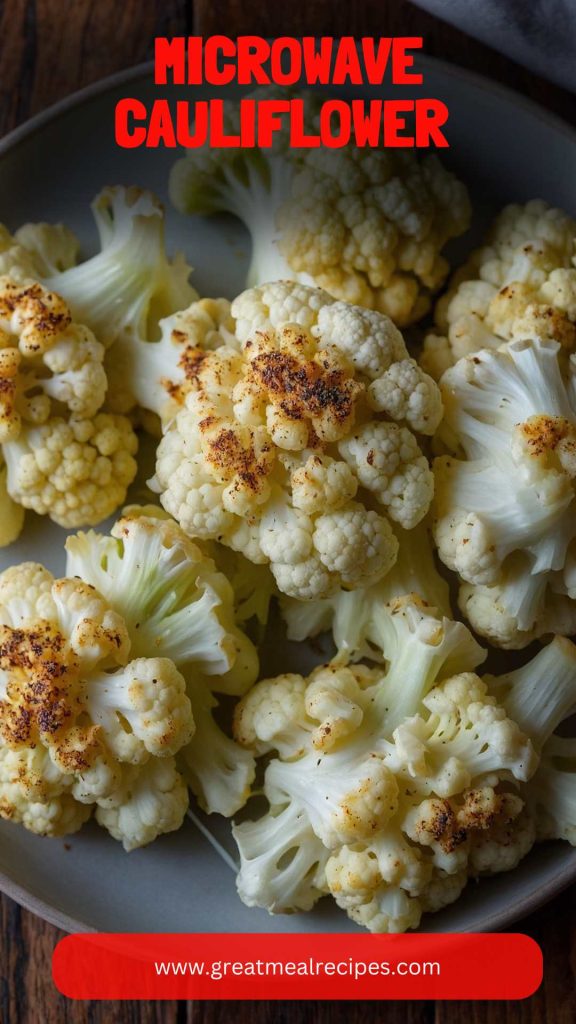
Are you tired of spending hours in the kitchen, yet still want to enjoy a delicious and healthy meal? Discovering how to cook cauliflower in a microwave oven might just be the time-saving trick you need.
Imagine perfectly cooked cauliflower that retains its nutrients and flavor, all achieved with minimal effort. This simple method not only saves you time but also keeps your kitchen mess-free. Curious about how you can transform a humble cauliflower into a mouthwatering dish in just minutes?
Read on to find out how you can revolutionize your cooking routine and impress your taste buds with this quick and easy technique.
Choosing The Right Cauliflower
Choosing the right cauliflower is the first step to making a delicious microwave-cooked dish. The quality of your cauliflower directly affects the texture and flavor after cooking. Knowing what to look for can save you from soggy or bitter results.
Freshness Tips
Look for cauliflower heads that are firm and compact. Avoid any with brown spots or soft patches, as these indicate age or spoilage. The leaves should be crisp and green, not wilted or yellowing.
Smell the cauliflower if you can. It should have a mild, fresh scent—not sour or strong. Fresh cauliflower cooks better and tastes sweeter after microwaving.
Size And Texture
Choose cauliflower that feels heavy for its size. Larger heads are great for roasting but might take longer to cook evenly in the microwave. Medium-sized heads usually cook faster and have a better texture after microwaving.
Check the texture by gently squeezing the head. It should feel dense but not hard. If it’s too soft, the cauliflower may be past its prime and could turn mushy when cooked.
Preparing Cauliflower For Cooking
Preparing cauliflower before cooking in a microwave is a simple yet crucial step that can affect the final taste and texture. Paying attention to how you wash and cut the cauliflower, as well as removing unwanted parts, makes the cooking process smoother and the results better. Let’s look at how to get your cauliflower ready efficiently.
Washing And Cutting
Start by rinsing the cauliflower under cold running water. This removes dirt and any tiny bugs hiding between the florets. Give it a gentle shake to get rid of excess water, but don’t dry it completely—some moisture helps during microwaving.
Next, place the cauliflower on a cutting board and use a sharp knife to break it into bite-sized florets. Cutting evenly ensures they cook at the same rate. Have you noticed how uneven pieces often result in some parts being soggy while others stay crunchy?
Removing Leaves And Stem
Look at the base of your cauliflower and remove the tough outer leaves. These leaves are usually bitter and don’t soften well when microwaved. Then, trim off the thick stem at the bottom.
Removing the stem prevents uneven cooking since the stem is denser and takes longer to soften. Keep in mind, if you want to use the stem, slice it thinly so it cooks faster. This simple step can save you from biting into a hard, raw piece!
Microwave Cooking Methods
Microwaving cauliflower is a quick and convenient way to prepare this nutritious vegetable without sacrificing flavor or texture. Different microwave cooking methods can affect how your cauliflower turns out, so it’s worth experimenting to find what works best for your taste and schedule. Let’s look at some easy techniques to cook cauliflower in your microwave efficiently.
Steaming Cauliflower
Steaming cauliflower in the microwave helps retain its nutrients and keeps it tender yet crisp. Place chopped cauliflower in a microwave-safe bowl and add a few tablespoons of water. Cover the bowl with a microwave-safe lid or plastic wrap, leaving a small vent for steam to escape.
Heat on high for about 3 to 5 minutes, checking halfway to avoid overcooking. The steam softens the florets evenly without making them soggy. Have you noticed how steamed cauliflower holds its bright color better than boiling?
Microwaving With Water
This method involves cooking cauliflower directly in water, similar to boiling but faster and with less mess. Add cauliflower florets and enough water to cover the bottom of your dish—around 2 to 3 tablespoons. Cover the dish and microwave for 4 to 6 minutes, depending on the quantity and your microwave’s power.
Drain the water immediately to prevent the cauliflower from becoming mushy. This method is great if you want softer cauliflower for mashing or blending into soups. How much water you add can change the texture—have you tried less water for a firmer bite?
Using Microwave-safe Containers
Choosing the right container can make a big difference in how evenly your cauliflower cooks. Use microwave-safe glass or ceramic bowls instead of plastic, as they distribute heat more uniformly. Avoid tightly sealed lids; instead, opt for vented covers or loosely placed microwave-safe wraps to let steam escape.
Containers with lids designed for steaming can speed up cooking and reduce cleanup. I once used a microwave steamer basket, and it cut my cooking time in half while keeping the cauliflower perfectly tender. What kind of container do you usually use for microwaving vegetables?
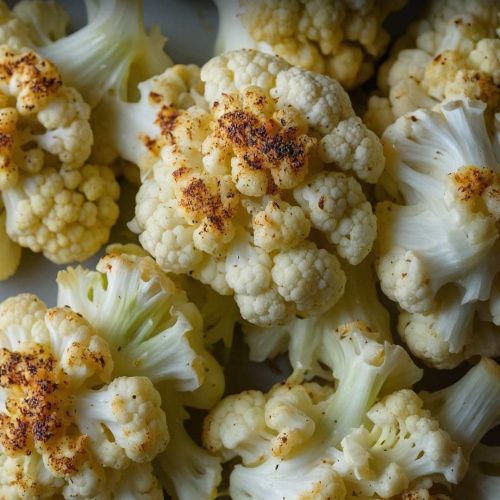
Credit: greatmealrecipes.com
Cooking Times And Power Settings
Getting the cooking time and power settings right is key to making perfectly tender cauliflower in your microwave oven. Too little time leaves it crunchy, while too much turns it mushy and unappetizing. Understanding how to balance these factors will help you cook cauliflower that retains its flavor and texture every time.
Adjusting For Quantity
The amount of cauliflower you cook directly affects how long it needs in the microwave. A small bowl of florets might only take 3 to 4 minutes on high power, while a larger batch could require up to 7 minutes.
Try to spread the cauliflower evenly in your microwave-safe dish to ensure uniform cooking. If you’re cooking a bigger quantity, consider stirring halfway through the process to avoid cold spots.
Have you noticed that the same cooking time doesn’t work for different amounts? That’s because microwave heat distribution changes with volume, so adjust accordingly rather than guessing.
Avoiding Overcooking
Microwaves can be tricky because they cook quickly and unevenly. To avoid turning your cauliflower into a soggy mess, use medium or 70% power instead of full power.
Check the cauliflower a minute before the expected finish time. If it’s nearly done, stop the microwave and let the residual heat finish the job — this helps keep the texture just right.
Have you tried poking a fork through the florets mid-cook? It’s a simple trick to test doneness without overcooking. Overcooked cauliflower loses its vibrant color and becomes waterlogged, so keep a close eye on timing.
Seasoning And Flavoring Ideas
Seasoning and flavoring can turn plain cauliflower into a tasty dish. Simple additions enhance its natural taste. Experiment with different herbs, spices, and fats to find your favorite blend. These ideas suit quick microwave cooking and bring out fresh flavors.
Simple Salt And Pepper
Salt and pepper are the easiest way to season cauliflower. Sprinkle evenly after cooking. Salt brings out the vegetable’s natural sweetness. Pepper adds a mild heat and depth. Use freshly ground black pepper for the best taste.
Herbs And Spices
Add dried or fresh herbs for extra aroma and flavor. Some good options include:
- Parsley for a fresh, green taste
- Thyme for a subtle earthiness
- Oregano for a Mediterranean touch
- Garlic powder for a savory kick
- Paprika for a smoky flavor
Mix these with salt and pepper to create your own blend. Sprinkle before or after microwaving to suit your preference.
Adding Butter Or Olive Oil
Butter or olive oil adds richness and helps spices stick to cauliflower. Melt butter or drizzle olive oil over the florets before cooking. This also improves texture and flavor. Olive oil gives a fruity note, while butter adds creaminess.
A small amount is enough to make a big difference. Toss cauliflower gently to coat evenly before microwaving.

Credit: bakingmischief.com
Serving Suggestions
Cauliflower cooked in a microwave oven is soft and tender. It works well in many dishes. You can serve it simply or mix it with other foods. Here are some ideas to enjoy your microwave-cooked cauliflower.
As A Side Dish
Serve cauliflower with a little butter or olive oil. Sprinkle salt and pepper on top. Add garlic powder or lemon juice for extra flavor. It pairs well with grilled meats, fish, or roasted vegetables. A quick, healthy side that complements many meals.
In Salads And Soups
Chop the cooked cauliflower into small pieces. Mix it into fresh salads for crunch and nutrition. It blends well with greens, tomatoes, and cucumbers. Add cauliflower to soups for a creamy texture. It works great in vegetable or chicken soups, adding mild flavor.
In Casseroles
Use cooked cauliflower in casseroles for extra taste and texture. Combine it with cheese, rice, or pasta. Mix with cooked chicken or ground meat. Bake until bubbly and golden brown. Cauliflower adds a healthy twist to classic comfort foods.
Tips For Best Results
Getting the best results when cooking cauliflower in your microwave comes down to a few key details. Small adjustments can make your florets tender, flavorful, and perfectly cooked without turning mushy. These tips will help you avoid common pitfalls and enjoy cauliflower at its best.
Covering For Even Cooking
Cover your cauliflower with a microwave-safe lid or damp paper towel before cooking. This traps steam and ensures every piece cooks evenly without drying out. Leaving it uncovered often leads to unevenly cooked florets, where some parts are crunchy while others are soggy.
Try to spread the cauliflower in a single layer inside the dish. Overcrowding will cause uneven heat distribution, so if needed, cook in batches for consistent results.
Checking Doneness
Microwave ovens vary, so check your cauliflower frequently. Start with a few minutes, then poke a floret with a fork to test tenderness. It should be soft but still have a slight bite.
If you find the cauliflower too firm, add 30-second bursts rather than longer cooking times. This prevents overcooking and keeps the texture just right. Ask yourself—how do you prefer your cauliflower: crisp-tender or fully soft?
Storing Leftovers
Store leftover cauliflower in an airtight container in the refrigerator. It will keep well for 3 to 4 days, maintaining most of its texture and flavor.
Reheat gently in the microwave with a cover to retain moisture. Avoid overheating, which can make the cauliflower rubbery or dry. Have you noticed how quickly steamed vegetables lose their appeal when reheated improperly?

Credit: justplaincooking.ca
Frequently Asked Questions
How Long To Microwave Cauliflower For Perfect Cooking?
Microwave cauliflower for 3 to 5 minutes on high power. Adjust time based on cauliflower size and microwave wattage. Check tenderness with a fork to avoid overcooking. Rest for 1 minute before serving to finish steaming.
Should I Add Water When Microwaving Cauliflower?
Yes, add 2 to 3 tablespoons of water to cauliflower before microwaving. Water creates steam that cooks cauliflower evenly and keeps it moist. Cover the dish with a microwave-safe lid or plastic wrap to trap steam.
Can I Microwave Frozen Cauliflower Directly?
Yes, you can microwave frozen cauliflower without thawing. Place it in a microwave-safe dish with a little water. Microwave on high for 5 to 7 minutes, stirring halfway. Adjust timing based on your microwave’s power and cauliflower quantity.
What Is The Best Container For Microwaving Cauliflower?
Use a microwave-safe glass or ceramic dish for best results. Avoid metal or non-microwave-safe plastics. Cover the container with a microwave-safe lid or vented plastic wrap to trap steam and cook cauliflower evenly.
Conclusion
Cooking cauliflower in the microwave saves time and keeps it healthy. This method is quick and simple for any kitchen. You get tender, tasty cauliflower without using much water or oil. Experiment with cooking times to find your perfect texture.
Serve it plain or add your favorite spices. Enjoy fresh, nutritious cauliflower any day of the week. Easy, fast, and good for you. Why not try it today?