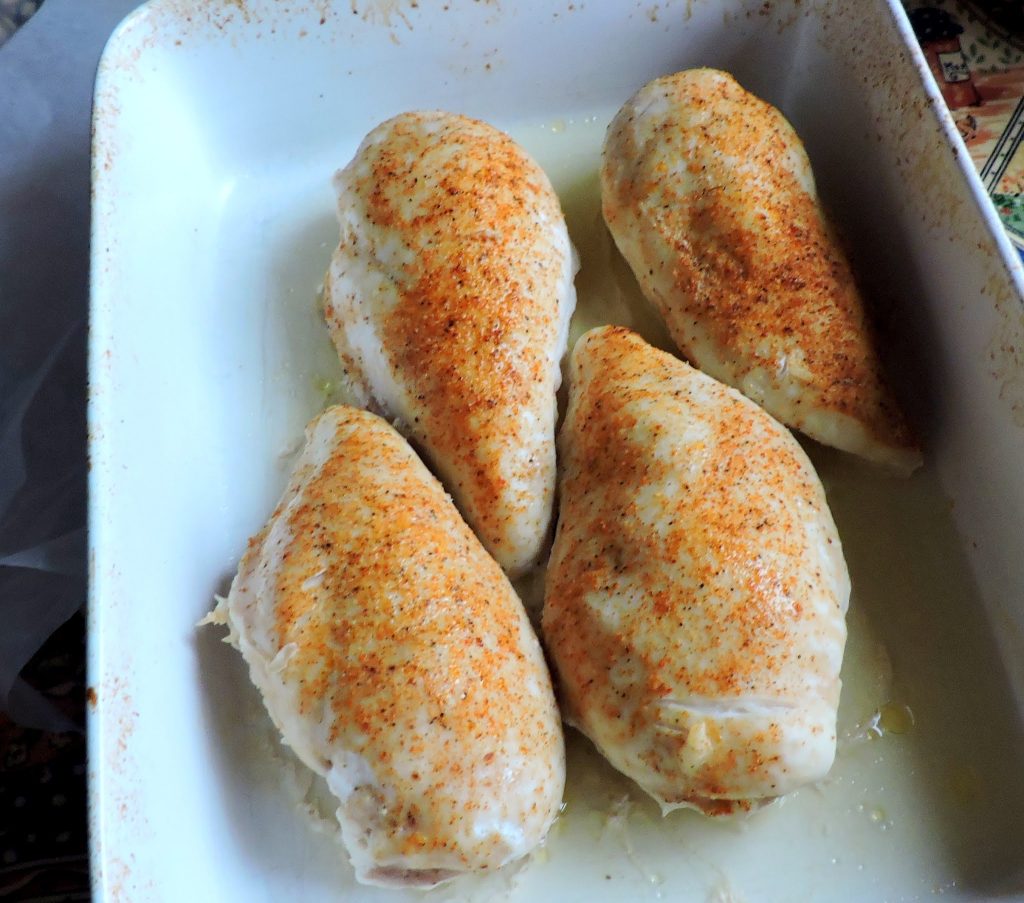
Are you tired of the same old cooking routines and looking for a quick and easy way to prepare a delicious meal? If so, cooking chicken breast in the microwave oven might just be your new kitchen hack.
Imagine coming home after a long day, hungry and craving something tasty, but not having the energy to spend hours cooking. This method is your perfect solution. It’s fast, simple, and can deliver juicy, flavorful chicken that will surprise your taste buds.
Intrigued? Stick around, because we’re about to reveal the secrets to mastering this efficient cooking technique. Your microwave is about to become your new best friend!

Credit: www.wholesomeyum.com
Choosing The Right Chicken Breast
Choosing the right chicken breast is important for microwave cooking. The texture and taste depend on the quality of the meat. Picking the best chicken breast ensures even cooking and juicy results. Consider freshness, size, and thickness before cooking.
Fresh Vs Frozen
Fresh chicken breast cooks faster in the microwave. It keeps its natural flavor and texture better. Frozen chicken breast needs defrosting before cooking. Defrosting may take extra time but can still yield good results. Avoid cooking chicken breast straight from frozen to prevent uneven heating.
Size And Thickness Matters
Thicker chicken breasts take longer to cook. Thin pieces cook quickly and evenly in the microwave. If breasts vary in size, cook them separately. Cut large breasts into smaller parts for uniform cooking. Use a meat thermometer to check the internal temperature for safety.
Preparing Chicken For Microwaving
Preparing chicken breast properly before microwaving is key to juicy, flavorful results. Taking a little extra time to clean, marinate, and season can make a big difference. This preparation step sets the foundation for quick and tasty meals.
Trimming And Cleaning
Start by rinsing the chicken breast under cold water to remove any surface residue. Pat it dry with paper towels to ensure even cooking. Trim off any excess fat or visible tendons—these can cause uneven textures or chewiness.
Have you noticed that some microwave-cooked chicken turns rubbery? Often, it’s because of leftover sinew or fat that wasn’t removed. Taking a moment to trim your chicken properly helps avoid that.
Marinating Tips
Marinating adds moisture and flavor, which the microwave may otherwise struggle to develop. Use simple ingredients like olive oil, lemon juice, yogurt, or soy sauce. These not only tenderize but keep the chicken juicy.
Try to marinate for at least 15 minutes, or up to 2 hours if you have time. Even a quick 10-minute soak can boost flavor significantly. Remember, avoid sugary marinades if microwaving for longer than a few minutes—they can burn easily.
Seasoning Ideas
Seasoning before microwaving ensures every bite is tasty. Salt and pepper are basics, but don’t stop there. Add garlic powder, paprika, dried herbs, or a squeeze of fresh lemon for brightness.
Consider mixing your spices with a little olive oil to help them stick to the chicken. This also promotes more even cooking and flavor distribution. What’s your favorite seasoning combo to brighten up plain chicken breast?
Microwave Cooking Techniques
Microwave cooking techniques help cook chicken breast quickly and evenly. Using the right tools and settings makes a big difference. Small changes can improve taste and texture. Understanding these techniques ensures juicy and safe chicken every time.
Using Microwave-safe Containers
Always use microwave-safe containers. Glass or ceramic dishes work best. Avoid metal or plastic that is not labeled microwave-safe. These containers heat evenly and keep the chicken moist. They also prevent harmful chemicals from leaching into food.
Covering And Venting
Cover the chicken to trap steam. Use a microwave-safe lid or plastic wrap. Leave a small vent for steam to escape. This stops the chicken from drying out. It also prevents splatters inside the microwave, making cleanup easier.
Setting Power Levels
Cook chicken breast at medium or medium-high power. High power can cook outside too fast and leave the inside raw. Medium power cooks more evenly. It helps keep the chicken tender and juicy. Adjust power levels based on your microwave’s strength.

Credit: www.theenglishkitchen.co
Step-by-step Cooking Process
Cooking chicken breast in a microwave requires a clear process for best results. The goal is juicy, tender chicken without drying it out. Follow these steps carefully for even cooking and safety.
Initial Cooking Time
Place the chicken breast in a microwave-safe dish. Cover it with a microwave-safe lid or plastic wrap. Cook on high power for 4 to 5 minutes. This time works for average-sized breasts. Larger pieces may need more time.
Checking Doneness
After the initial cooking, check the chicken’s inside. Use a meat thermometer if available. The safe temperature is 165°F (75°C). If no thermometer, cut into the thickest part. The meat should be white and juices clear.
Adjusting For Even Cooking
If the chicken isn’t done, cook in short bursts of 1 minute. Turn or flip the breast to cook evenly. Cover it again to keep moisture inside. Repeat checking until fully cooked. Avoid overcooking to keep it tender.
Ensuring Juicy Results
Cooking chicken breast in the microwave can be quick and easy. The challenge is keeping it juicy and tender. Dry, tough chicken is common without care. Small tips can make a big difference. Follow these ideas to keep moisture locked inside.
Resting The Chicken
Resting lets juices settle inside the meat. After microwaving, cover the chicken loosely with foil or a plate. Let it sit for 3-5 minutes. This step helps the juices redistribute evenly. Cutting too soon causes juice loss and dry meat.
Adding Moisture
Adding moisture keeps chicken soft during cooking. Use a small amount of broth, water, or lemon juice. Place a damp paper towel over the chicken before microwaving. These methods create steam inside the microwave. Steam helps keep chicken tender and flavorful.
Avoiding Overcooking
Overcooked chicken becomes tough and dry fast. Cook in short bursts of 30-45 seconds. Check the chicken often to avoid overcooking. Use a meat thermometer to check for 165°F (75°C). Stop cooking as soon as chicken reaches this temperature.

Credit: www.theenglishkitchen.co
Safety Tips And Common Mistakes
Cooking chicken breast in the microwave can be quick and convenient, but it requires attention to safety and technique. Mistakes like uneven cooking or undercooking can lead to health risks or a disappointing meal. Knowing how to avoid these pitfalls helps you enjoy a perfectly cooked, safe chicken breast every time.
Preventing Undercooking
Undercooked chicken is a serious health risk. Always use a food thermometer to check the internal temperature; it should reach at least 165°F (75°C). If you don’t have a thermometer, cut into the thickest part of the breast to ensure the meat is white, not pink.
Microwave cooking can be uneven, so pause the cooking halfway and flip the chicken breast. This simple step helps heat penetrate evenly. Also, cover the chicken with a microwave-safe lid or wrap to trap steam, which cooks the meat more thoroughly.
Handling Microwave Variations
Not all microwaves cook the same way. Power levels and wattage vary, affecting cooking time and results. If your microwave is lower wattage, increase cooking time gradually in short bursts rather than cooking all at once.
Keep a cooking log for your microwave. Note how long it takes to cook a chicken breast perfectly. This saves you from guessing next time and prevents overcooking or drying out your meal. Have you ever been surprised by how different two microwaves can be?
Serving Suggestions
Once your chicken breast is perfectly cooked in the microwave, the next step is making it shine on your plate. Serving suggestions can elevate a simple microwave meal into something satisfying and memorable. Think about how you want to balance flavors and textures to keep every bite interesting.
Simple Side Dishes
Pair your microwave chicken breast with easy-to-make sides that complement its mild flavor. Steamed vegetables like broccoli or green beans add a fresh crunch and color to your plate.
- Microwaved sweet potatoes—just poke holes and cook for 5-7 minutes until soft.
- Quick quinoa salad tossed with cherry tomatoes, cucumber, and a splash of lemon juice.
- Garlic butter rice—cook rice in the microwave and mix in butter and minced garlic for a fragrant side.
Have you tried mixing in fresh herbs like parsley or cilantro? They can instantly brighten your dish without extra effort.
Sauce Pairings
Adding a flavorful sauce can turn your plain chicken into a dish you’ll crave again. Consider sauces that can be quickly prepared or store-bought options that pack a punch.
- Honey mustard sauce—mix equal parts honey and mustard for a sweet and tangy glaze.
- Simple yogurt and herb sauce—combine plain yogurt with chopped dill, garlic, and a squeeze of lemon.
- Salsa verde or tomato salsa—adds a fresh, zesty kick, especially if you like a bit of spice.
Why not experiment with a drizzle of balsamic glaze or a spoonful of pesto? These can bring unexpected depth to your microwave-cooked chicken.
Frequently Asked Questions
How Long To Cook Chicken Breast In Microwave?
Cook chicken breast on high for 4 to 5 minutes per side. Cooking times vary with microwave wattage and chicken thickness. Use a meat thermometer to ensure it reaches 165°F for safe consumption.
Can I Cook Frozen Chicken Breast In Microwave?
Yes, you can cook frozen chicken breast in the microwave. Use the defrost setting first, then cook on high. Adjust cooking time to ensure thorough cooking and avoid dryness or uneven cooking.
How To Keep Microwave Chicken Breast Juicy?
Marinate chicken breast before microwaving to retain moisture. Cover it with a microwave-safe lid or wrap to trap steam. Let it rest for a few minutes after cooking to allow juices to redistribute.
Is Microwaving Chicken Breast Healthy?
Microwaving chicken breast is healthy as it preserves nutrients and uses minimal oil. It cooks food quickly, reducing nutrient loss and fat content compared to frying or grilling.
Conclusion
Cooking chicken breast in the microwave saves time and effort. It stays juicy and tender when done right. Use simple steps and check the chicken often. Season well to add flavor without extra work. This method suits busy days or quick meals.
Try it today and enjoy a fast, healthy dish. Practice makes perfect, so don’t give up. Quick, easy, and tasty meals are possible with your microwave.