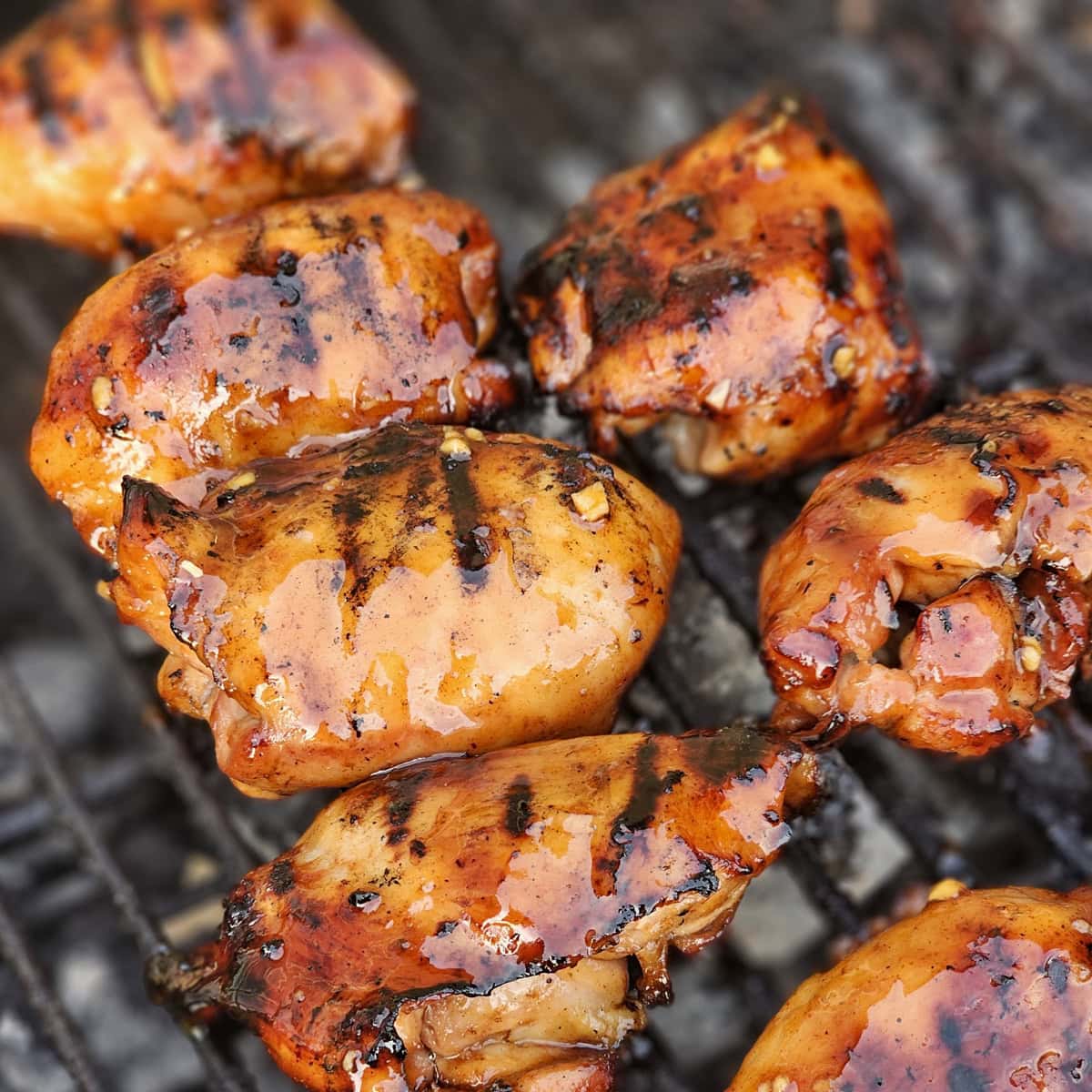
If you love the rich, juicy flavor of grilled chicken, cooking chicken thighs on a charcoal grill is a game-changer. You might think it’s tricky to get that perfect balance of crispy skin and tender meat, but with the right steps, you’ll master it every time.
Imagine biting into a smoky, flavorful chicken thigh that melts in your mouth. Ready to impress your family and friends at your next cookout? Keep reading, and you’ll discover simple tips and tricks to make your charcoal-grilled chicken thighs absolutely unforgettable.
Credit: carnediem.blog
Choosing The Right Chicken Thighs
Cooking chicken thighs on a charcoal grill can be delicious. Picking the right thighs is key to a tasty meal.
Consider factors like bone-in or boneless and skin-on benefits. Also, think about freshness and quality.
Bone-in Vs Boneless
Bone-in chicken thighs take longer to cook. They keep the meat juicy and add flavor.
Boneless thighs cook faster and are easy to eat. They are perfect for quick meals.
- Bone-in: Juicier, more flavor
- Boneless: Faster, easier to eat
Skin-on Benefits
Skin-on chicken thighs get crispy on the grill. The skin helps lock in moisture and flavor.
Grilled skin adds a tasty texture. It makes the chicken more enjoyable to eat.
- Crispy skin texture
- Locks in moisture
- Enhances flavor
Freshness And Quality Tips
Fresh chicken has a mild smell. It should be pink, not gray or brown.
Check the expiration date on the package. Buy from a trusted store for the best quality.
- Mild smell
- Pink color
- Check expiration date
- Buy from trusted store
Preparing Chicken Thighs For Grilling
Grilling chicken thighs on a charcoal grill is a tasty way to enjoy summer meals. Preparing the chicken well helps you get juicy and flavorful results.
Take time to clean, season, and sometimes brine the thighs. These steps make a big difference in taste and texture.
Trimming And Cleaning
Start by trimming excess fat and skin from the chicken thighs. This helps prevent flare-ups on the grill and keeps the meat from getting too greasy.
Rinse the thighs under cold water to remove any bone fragments or loose bits. Pat them dry with paper towels to help the seasoning stick better.
- Trim off large fat pieces
- Remove leftover feathers or debris
- Rinse gently under cold water
- Dry thoroughly before seasoning
Marinades And Dry Rubs
Marinades add moisture and flavor to chicken thighs. Use a mix of oil, acid like lemon juice or vinegar, and herbs for best taste.
Dry rubs are a quick way to season. They use spices and salt to create a tasty crust on the grill.
- Marinade example: olive oil, garlic, lemon juice, salt
- Dry rub example: paprika, black pepper, garlic powder, salt
- Marinate for at least 30 minutes
- Dry rub right before grilling
Brining For Extra Juiciness
Brining helps chicken thighs stay juicy during grilling. Soak them in saltwater for a few hours before cooking.
Use a simple brine with water, salt, and a bit of sugar. This balances flavor and moisture inside the meat.
- Mix 4 cups water, 1/4 cup salt, 1/4 cup sugar
- Submerge chicken thighs fully
- Brine for 1 to 4 hours in the fridge
- Rinse and dry before seasoning or grilling
Setting Up The Charcoal Grill
Cooking chicken thighs on a charcoal grill needs proper setup. Good preparation helps cook the meat evenly and adds smoky flavor.
Start by arranging the charcoal and controlling the heat. This makes grilling easier and safer.
Charcoal Selection
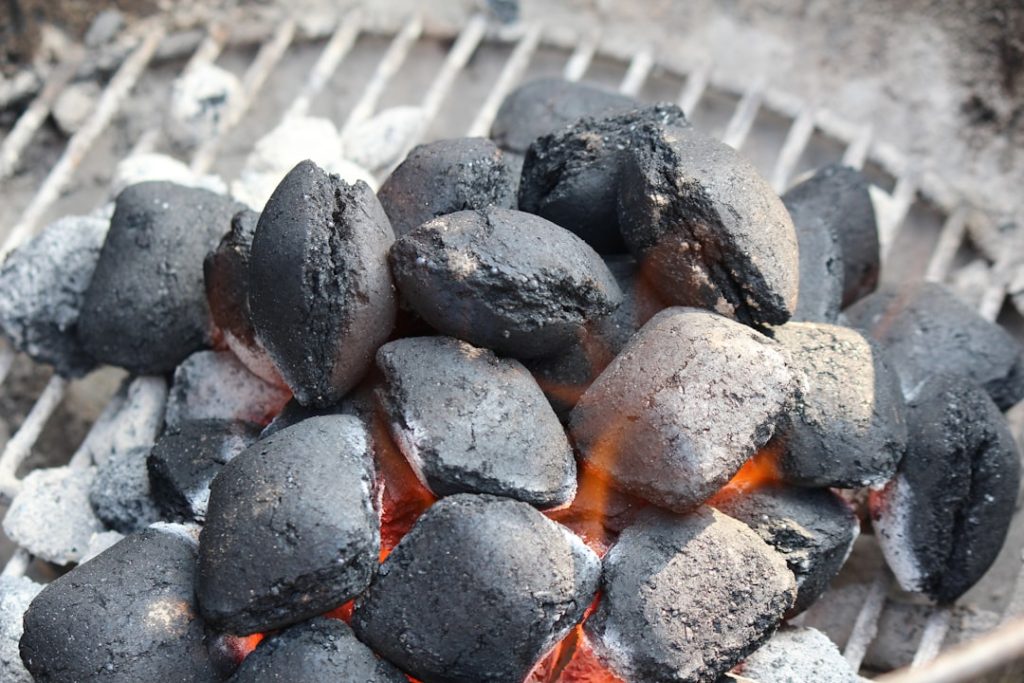
Choose high-quality charcoal for better heat and flavor. Lump charcoal lights fast and burns hot. Briquettes last longer and give steady heat.
Avoid charcoal with added chemicals. Natural charcoal gives a cleaner taste to your chicken thighs.
Building A Two-zone Fire
Create two heat zones on your grill for better cooking control. One side will have hot coals for searing. The other side will be cooler for gentle cooking.
Place charcoal on one half of the grill. Leave the other half empty or with fewer coals. This setup helps cook chicken thighs without burning.
- Hot zone: direct heat for searing
- Cool zone: indirect heat for cooking through
Managing Grill Temperature
Keep the grill temperature steady for juicy chicken thighs. Use the grill vents to control airflow and heat. Open vents increase heat; close vents lower it.
Check the temperature often with a grill thermometer. Aim for about 350°F to 400°F for cooking chicken thighs well.
- Adjust vents to keep steady heat
- Move chicken between zones to avoid burning
- Use a thermometer to monitor temperature
Grilling Techniques For Juicy Thighs
Cooking chicken thighs on a charcoal grill can bring out great flavors. Using the right techniques keeps the meat juicy and tender.
This guide covers heat methods, cooking time, and flipping tips. Follow these steps for delicious grilled chicken thighs.
Direct Vs Indirect Heat Cooking
Direct heat means cooking the chicken right above the coals. This gives a nice sear but can burn if not watched.
Indirect heat cooks the thighs away from the coals. It cooks slower and keeps the meat moist.
- Start with direct heat to brown the skin.
- Move to indirect heat to finish cooking inside.
- Use a two-zone fire for best control.
Optimal Cooking Time
Cooking time depends on heat and thigh size. Usually, it takes 25 to 30 minutes total.
| Cooking Stage | Time Range |
| Direct Heat Sear | 5 to 7 minutes |
| Indirect Heat Cooking | 18 to 23 minutes |
| Internal Temperature Goal | 165°F (75°C) |
Flipping And Rotating Tips
Turn chicken thighs carefully to cook evenly. Avoid flipping too often to keep juices inside.
- Flip thighs once after the first 5 to 7 minutes.
- Rotate every 5 to 10 minutes on indirect heat.
- Use tongs to avoid piercing the meat.
Checking Doneness And Safety
Cooking chicken thighs on a charcoal grill needs careful checking. It is important to know when the meat is safe to eat. Undercooked chicken can cause illness.
There are easy ways to check if the chicken is done. You can use a meat thermometer or look for visual signs. Resting the chicken before serving also helps.
Using A Meat Thermometer
A meat thermometer is the best tool to check doneness. Insert it into the thickest part of the thigh without touching bone. The safe temperature is 165°F (74°C).
Check the temperature near the end of cooking. If it is below 165°F, continue grilling. This prevents eating unsafe chicken.
- Insert thermometer into thickest part
- Avoid touching the bone
- Cook until temperature reads 165°F (74°C)
Visual And Texture Cues
Look at the chicken’s color and texture to check doneness. Cooked chicken thighs have clear juices. The meat should not be pink inside.
The texture changes from soft to firm. If the chicken feels rubbery or very soft, it may need more cooking.
- Juices should run clear, not pink
- Meat inside should be white or light brown
- Texture should be firm, not soft or rubbery
Resting Before Serving
Let the chicken rest for 5 to 10 minutes after grilling. Resting lets juices spread through the meat. This makes the chicken juicy and tender.
Cover the chicken loosely with foil during resting. Do not skip this step. It also helps the temperature stay steady for safety.

Credit: www.youtube.com
Enhancing Flavor After Grilling
Grilled chicken thighs have a rich taste. Adding flavors after cooking makes them even better. Simple touches can bring out the best in your meal.
Use sauces, smoky hints, and the right side dishes to complete your plate. These ideas will help you enjoy every bite.
Basting And Saucing Ideas
Basting your chicken after grilling keeps it juicy and adds flavor. Sauces bring a new taste layer that matches the smoky meat.
- Brush a mix of honey and mustard for a sweet and tangy glaze.
- Use garlic butter to add richness and a smooth finish.
- Try chimichurri sauce for a fresh, herb-filled taste.
- Pour barbecue sauce for a classic smoky sweetness.
Adding Smoky Finishes
Smoky flavors deepen the grilled taste. Add wood chips or smoked salts after cooking to enhance the aroma and taste.
| Smoky Flavor Option | How to Use |
|---|---|
| Wood Chips | Place near heat to create smoke during the last minutes of grilling. |
| Smoked Paprika | Sprinkle on chicken after grilling for a smoky spice touch. |
| Liquid Smoke | Lightly brush on chicken for a rich smoke flavor without extra heat. |
| Smoked Salt | Use as a finishing salt to add smoky taste and crunch. |
Pairing With Side Dishes
Side dishes balance and highlight grilled chicken thighs. Choose sides that bring freshness and texture to the meal.
- Grilled vegetables like zucchini and bell peppers add smoky sweetness.
- Creamy coleslaw offers a cool, crisp contrast.
- Fresh green salads lighten the plate with bright flavors.
- Roasted potatoes bring a hearty, crispy element.
- Rice or quinoa provide a mild base to soak up sauces.
Common Mistakes To Avoid
Cooking chicken thighs on a charcoal grill can be delicious. But mistakes can ruin the taste or texture. Avoiding common errors helps you get juicy and flavorful chicken every time.
This guide covers key mistakes to watch out for. Learn how to prevent overcooking, flare-ups, and dryness while grilling chicken thighs.
Overcooking Risks
Overcooking chicken thighs makes them tough and less tasty. It is important to monitor the grill temperature and cooking time closely. Using a meat thermometer helps you check doneness without guessing.
- Keep the grill temperature around 350°F (175°C).
- Grill thighs for 20-30 minutes, turning often.
- Use a thermometer to check for 165°F (74°C) internal temperature.
- Remove the chicken promptly once done.
Avoiding Flare-ups
Flare-ups happen when fat drips on the hot charcoal. They burn the chicken’s outside and leave black marks. You can avoid flare-ups by managing the grill heat and fat drippings.
- Trim excess fat from the chicken thighs before grilling.
- Use a two-zone fire: one side with hot coals, one side empty.
- Start cooking on the cooler side to reduce flare-ups.
- Keep a spray bottle of water nearby to control sudden flames.
Preventing Dryness
| Method | How It Helps |
|---|---|
| Marinate the chicken | Keeps meat moist and adds flavor |
| Cook over indirect heat | Prevents drying from direct flames |
| Rest the chicken after grilling | Allows juices to redistribute inside |
| Use a meat thermometer | Prevents overcooking and dryness |

Credit: www.gritsandpinecones.com
Frequently Asked Questions
How Long To Grill Chicken Thighs On Charcoal?
Grill chicken thighs for 25-30 minutes over medium heat. Turn them every 5-7 minutes for even cooking. Ensure the internal temperature reaches 165°F (74°C) for safe consumption.
Should Chicken Thighs Be Marinated Before Grilling?
Yes, marinating chicken thighs enhances flavor and tenderness. Use a marinade with acid, oil, and spices. Marinate for at least 30 minutes, or up to 8 hours for best results.
How To Prevent Chicken Thighs From Sticking To The Grill?
Clean and oil the grill grates before cooking. Use high heat to sear the chicken initially. Avoid moving the thighs too soon; let them release naturally when ready.
What Is The Best Charcoal Type For Grilling Chicken Thighs?
Use lump charcoal for high heat and natural smoky flavor. It lights quickly and burns hotter than briquettes. Avoid charcoal with additives or chemicals for clean grilling.
Conclusion
Grilling chicken thighs on charcoal is simple and tasty. Keep the heat steady and cook evenly for juicy meat. Use your favorite spices to add flavor. Watch the grill closely to avoid burning. Serve hot and enjoy with friends or family.
This method brings out rich, smoky taste every time. Try it often for a delicious meal outdoors.