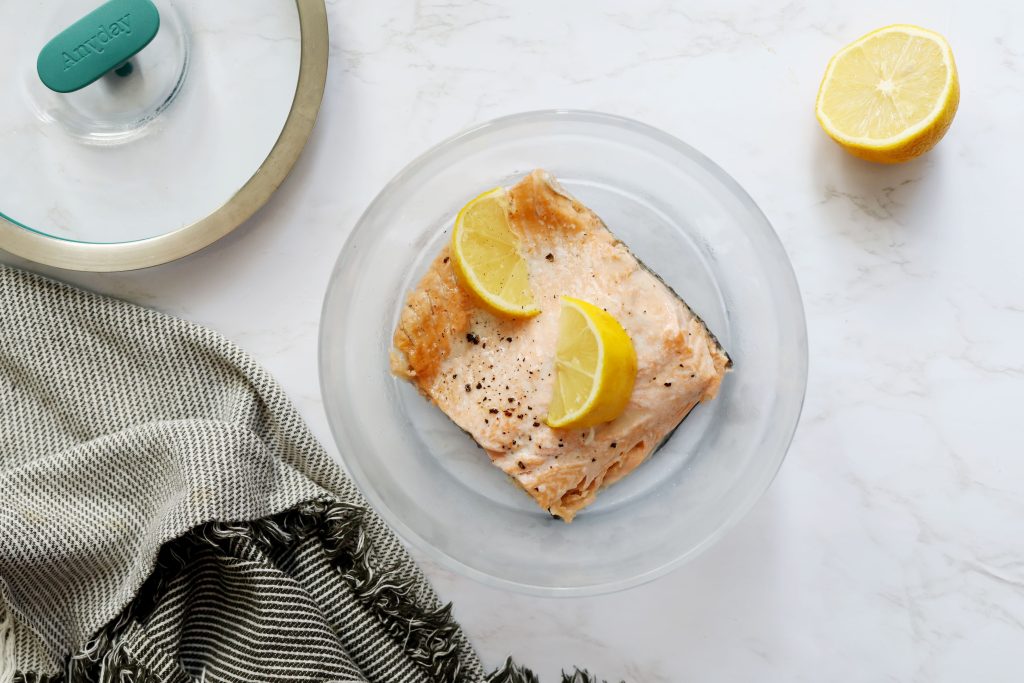
Do you love fish but dread the thought of spending hours in the kitchen? Imagine if you could prepare a delicious fish meal in minutes without sacrificing taste or quality.
Cooking fish in a microwave oven is not only possible, but it’s also quick and incredibly convenient. You’re about to discover a method that transforms this kitchen appliance into your new best friend, especially when time is tight and hunger is knocking at your door.
Whether you’re a busy professional, a parent juggling multiple tasks, or simply someone looking for an easy cooking solution, this guide will show you how to achieve perfectly cooked fish with minimal effort. Stay with us, and you’ll learn the secrets to making your microwave work magic, ensuring a delightful meal without the fuss.
Choosing The Right Fish
Choosing the right fish is key to cooking a delicious meal in your microwave oven. Not every fish cooks well under microwave heat, so picking the right type can make your dish tender and flavorful. Understanding your options helps you avoid dry or rubbery results.
Best Fish Types For Microwaving
Some fish handle microwave cooking better than others due to their texture and fat content. Fatty fish like salmon and trout stay moist and rich when microwaved, making them excellent choices.
- Salmon:Holds moisture well and cooks evenly in the microwave.
- Trout:Similar to salmon, it remains tender and flavorful.
- Cod:A lean white fish that cooks quickly but needs careful timing to avoid drying out.
- Tilapia:Mild in flavor and easy to cook, perfect for quick microwave meals.
Think about how the fish you choose reacts to quick heat. Would you prefer a rich, oily fish or a lighter, flaky one? Your preference shapes the final taste and texture.
Fresh Vs Frozen Fish
Both fresh and frozen fish can work for microwaving, but they require different handling. Fresh fish tends to cook more evenly and quickly, giving you better control over the texture.
Frozen fish is convenient but often has extra moisture that can affect cooking time and texture. Thaw frozen fish thoroughly before microwaving to ensure even cooking and prevent sogginess.
- Fresh Fish:Best for flavor and texture, but use quickly to avoid spoilage.
- Frozen Fish:More accessible and lasts longer, just thaw properly before cooking.
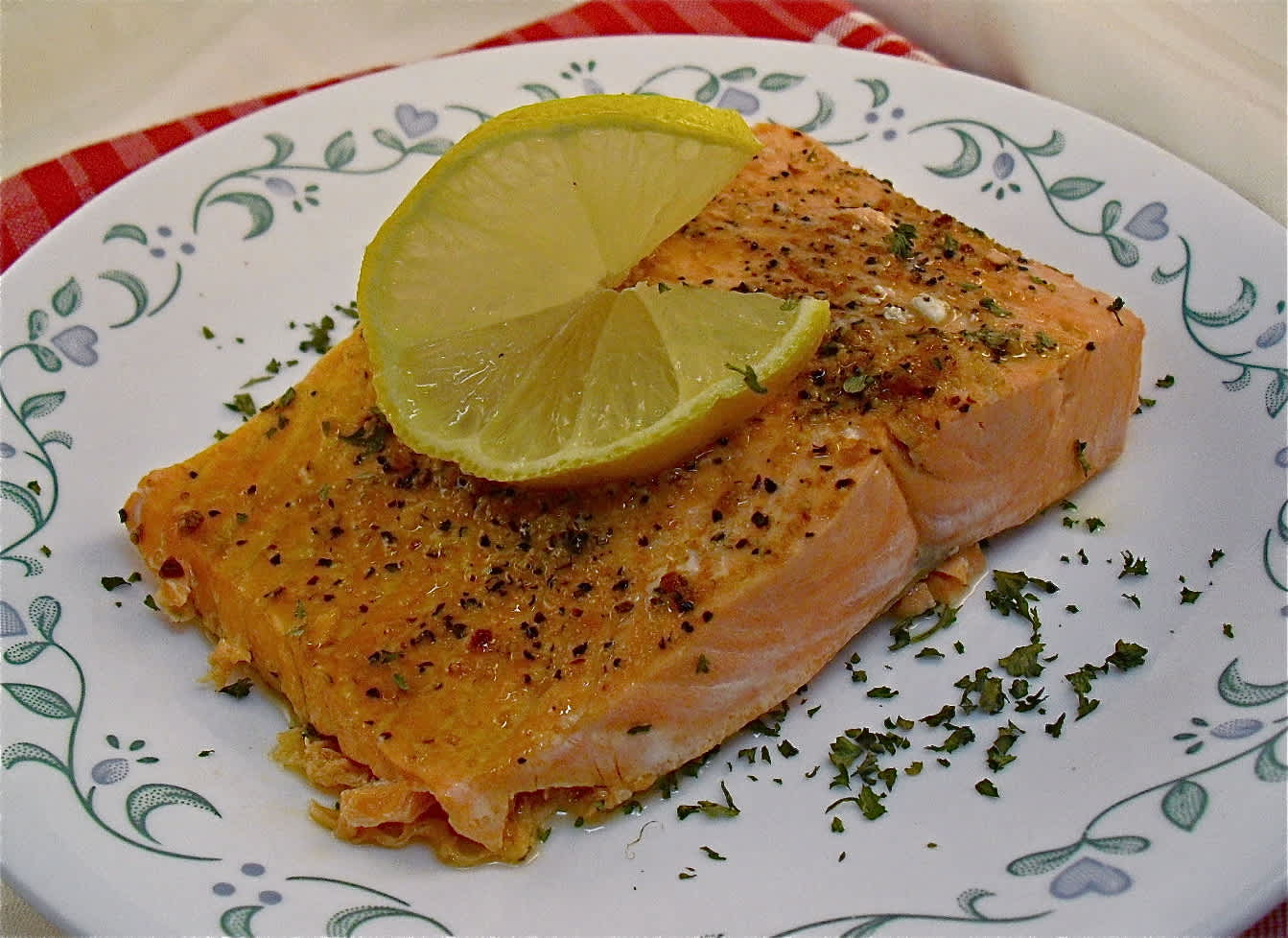
Have you noticed how thawing fish properly changes the way it cooks? Skipping this step can leave you with unevenly cooked, unpleasant bites. Taking the time to select and prepare your fish sets you up for microwave success.
Credit: www.food.com
Preparing Fish For Cooking
Preparing fish for cooking in a microwave oven is more than just a quick rinse and toss. Proper preparation ensures your fish cooks evenly, tastes fresh, and stays moist. Taking a few extra minutes to clean, season, and choose the right container will transform your microwave meal from bland to delightful.
Cleaning And Seasoning
Start by rinsing your fish under cold water to remove any surface impurities. Pat it dry with paper towels to avoid excess moisture, which can affect cooking time and texture.
Seasoning is where you can get creative. A sprinkle of salt and pepper is a classic choice, but adding a bit of lemon juice or fresh herbs like dill or parsley can brighten the flavor. Have you ever tried a pinch of smoked paprika for a subtle smoky kick? It’s an easy way to make your fish taste like it came from a restaurant.
Using Microwave-safe Containers
Choosing the right container is crucial for safe and even cooking. Always use microwave-safe glass or ceramic dishes to avoid harmful chemicals leaching into your food. Avoid plastic containers unless they are labeled microwave-safe.
Make sure the container is just the right size—too large, and the fish may dry out; too small, and it might not cook evenly. Cover the dish with a microwave-safe lid or vented plastic wrap to trap steam, which helps keep the fish moist. Have you noticed how a simple cover can change the texture of your fish?
Microwave Cooking Techniques
Microwaving fish might seem tricky at first, but mastering a few simple techniques can make your meals quick, moist, and flavorful. Understanding how to control power levels and adjust cooking times based on the type and cut of fish is key. These techniques help you avoid overcooking or undercooking, ensuring every bite is tender and delicious.
Setting Power Levels
Microwave power levels affect how evenly and gently your fish cooks. Using high power can cook fish too fast, causing it to dry out or become rubbery. Instead, try setting your microwave to medium or medium-high power to allow gradual cooking.
For delicate fish like sole or tilapia, medium power (about 50-60%) works best. Thicker or denser fish, such as salmon or cod, benefit from medium-high power (around 70-80%). Lower power levels help the heat penetrate evenly, avoiding hot spots and keeping moisture locked in.
Adjusting power levels lets you control the cooking process better. Have you noticed how some microwaved dishes come out uneven? Power control can fix that by giving the fish time to cook through without overcooking the edges.
Cooking Times For Different Fish Cuts
Cooking times vary depending on the size and thickness of the fish. Thin fillets need less time, while whole fish or thick steaks require longer cooking. It’s helpful to think about thickness rather than weight alone when deciding cooking time.
| Fish Cut | Typical Thickness | Microwave Cooking Time (Medium Power) |
|---|---|---|
| Thin Fillet (e.g., sole, tilapia) | About ½ inch (1.3 cm) | 2 to 3 minutes |
| Thick Fillet (e.g., salmon, cod) | 1 inch (2.5 cm) | 4 to 5 minutes |
| Fish Steaks (e.g., tuna, swordfish) | 1 to 1.5 inches (2.5 to 3.8 cm) | 6 to 7 minutes |
| Whole Small Fish (e.g., trout) | Varies, about 1 inch thick | 6 to 8 minutes |
Check your fish at the lower end of the time range. If it’s not done, add 30-second increments rather than guessing a longer time. The fish should flake easily with a fork and look opaque all the way through.
Have you ever ended up with dry fish from the microwave? Timing and power level control are your best friends for avoiding that. Experiment a bit with your own microwave model, since power output can vary.

Credit: www.youtube.com
Avoiding Common Mistakes
Cooking fish in a microwave is quick and easy, but some common mistakes can ruin the taste and texture. Avoiding these errors ensures your fish is moist and flavorful. Small changes in technique make a big difference.
Knowing what to avoid helps you cook fish perfectly every time. Pay attention to cooking time and how heat is distributed. These factors affect the final dish more than you might think.
Preventing Overcooking
- Use short cooking intervals to check the fish frequently.
- Choose a lower power setting to cook gently.
- Cover the fish with microwave-safe wrap to keep moisture in.
- Let the fish rest for a minute after microwaving to finish cooking.
Ensuring Even Cooking
- Place fish in the center of a microwave-safe dish for uniform heat.
- Arrange pieces in a single layer with space between them.
- Rotate or stir fish halfway through cooking if your microwave lacks a turntable.
- Use a microwave-safe lid or cover to trap steam and promote even cooking.
Adding Flavors And Sauces
Adding flavors and sauces can turn a simple microwave-cooked fish into a delicious and memorable meal. You don’t need complex ingredients to create rich, tasty dishes. A little creativity with marinades, toppings, and garnishes goes a long way in enhancing the natural taste of your fish.
Simple Marinades
Marinating your fish before cooking in the microwave adds moisture and depth to the flavor. Use basic ingredients like lemon juice, olive oil, garlic, and herbs to create a quick marinade that takes just minutes to prepare.
Try mixing:
- 2 tablespoons olive oil
- Juice of half a lemon
- 1 minced garlic clove
- Salt and pepper to taste
- A sprinkle of fresh dill or parsley
Marinate your fish for 10-15 minutes, then cover and cook. This simple blend brightens the fish and keeps it juicy. Ever noticed how a bit of acidity from lemon can make fish taste fresher? That’s the magic you want.
Toppings And Garnishes
Toppings and garnishes add texture and a burst of flavor after cooking. You can use crunchy nuts, fresh herbs, or even a dollop of yogurt-based sauce to add interest and contrast.
Consider:
- Chopped toasted almonds or pine nuts for crunch
- Fresh chopped cilantro, basil, or chives for a fresh touch
- A spoonful of tzatziki or a drizzle of soy sauce for extra flavor
- Thinly sliced green onions or radishes for a peppery bite
These toppings don’t just enhance flavor—they make your dish look inviting. What’s your favorite flavor combo to top off fish? Experimenting with toppings might surprise you with new favorites.

Credit: www.youtube.com
Serving Tips
Serving fish cooked in a microwave oven can be simple and delicious. The right sides and presentation bring out the best flavors. Keep servings fresh and colorful to make the meal inviting. Small touches make a big difference on the plate.
Pairing With Side Dishes
- Steamed vegetables like broccoli or carrots add crunch and color.
- Rice or quinoa provide a light, healthy base.
- A fresh green salad with lemon vinaigrette complements the fish well.
- Roasted potatoes or sweet potatoes offer a warm, comforting side.
- Sautéed spinach or kale adds a boost of nutrition.
Choose sides that balance the fish’s mild flavor. Light and fresh options work best.
Presentation Ideas
- Serve fish on a white plate to highlight its colors.
- Garnish with fresh herbs like parsley or dill for aroma.
- Add lemon wedges on the side for a fresh, zesty touch.
- Drizzle a little olive oil or a sauce for extra flavor.
- Use small bowls for sauces or dips to keep the plate neat.
Keep the plate clean and avoid overcrowding. Simple, neat arrangements look more appetizing.
Frequently Asked Questions
How Long To Cook Fish In Microwave?
Cook fish in the microwave for 3 to 5 minutes per inch thickness. Check doneness by flaking with a fork.
Can I Microwave Frozen Fish Directly?
Yes, you can microwave frozen fish. Use defrost mode first, then cook immediately to ensure safety and quality.
What’s The Best Microwave Setting For Cooking Fish?
Use medium or medium-high power to cook fish evenly. This prevents overcooking and keeps the fish moist and tender.
How To Avoid Fish Smelling Strong In Microwave?
Cover fish with a microwave-safe lid or wrap. Adding lemon juice or herbs reduces strong odors during cooking.
Conclusion
Cooking fish in a microwave saves time and effort. It keeps the fish moist and tender. Use simple steps and watch the fish closely. Choose fresh fish and season well for best taste. Avoid overcooking to keep the texture perfect.
Try different spices to find your favorite flavor. This method suits busy days or quick meals. Enjoy healthy, delicious fish without extra hassle. Give it a try, and see how easy it can be. Simple, fast, and tasty—microwave fish works well.