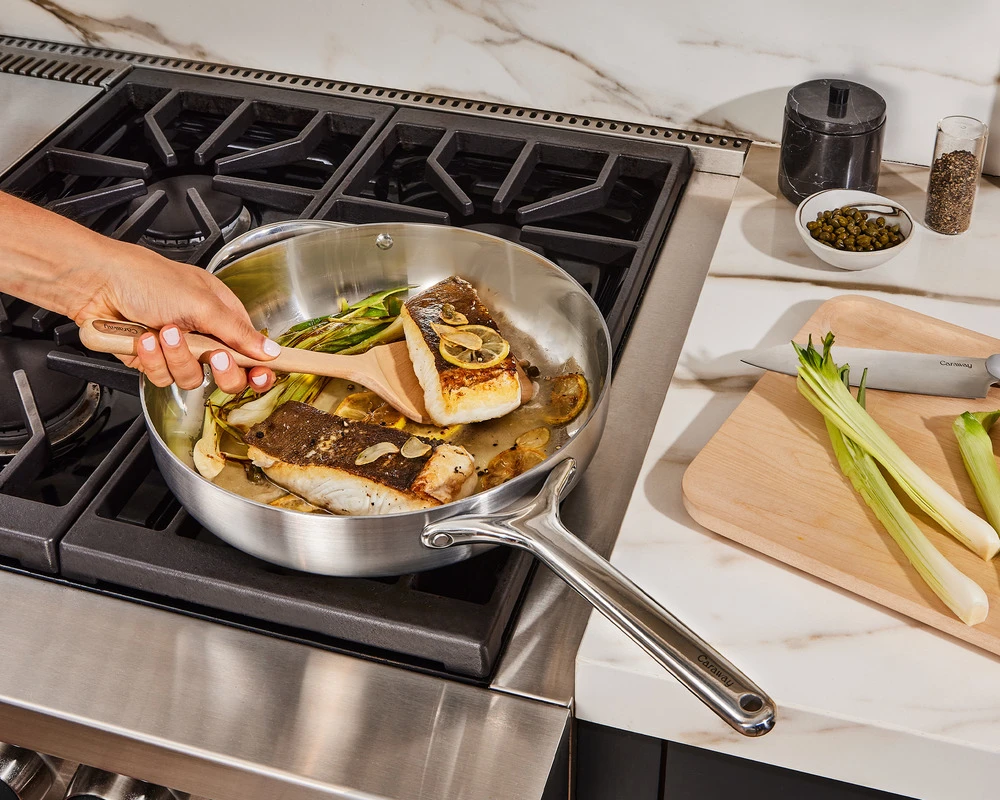
Cooking on stainless steel can feel tricky at first. You might worry about food sticking or burning, and wonder if it’s really the right choice for your kitchen.
But once you learn a few simple tricks, stainless steel will become your go-to cookware. Imagine preparing meals that taste better and look more appetizing—without frustration or wasted ingredients. In this guide, you’ll discover easy steps to master cooking on stainless steel, so your dishes turn out perfectly every time.
Ready to unlock the full potential of your pans and impress everyone at the table? Let’s dive in.
Choosing The Right Stainless Steel Cookware
Stainless steel cookware is popular for many kitchens. It lasts long and looks good. Picking the right pan helps you cook better meals.
This guide explains types of stainless steel pans, their benefits, and what to check before buying.
Types Of Stainless Steel Pans
There are many stainless steel pans for different cooking needs. Each pan has a special use in the kitchen.
- Saucepan: Good for sauces and boiling small amounts of food.
- Sauté Pan: Has straight sides, perfect for frying and sautéing.
- Frying Pan: Wide and flat, best for frying and searing.
- Stockpot: Large and deep, ideal for soups and stews.
- Griddle: Flat surface, used for pancakes and grilled sandwiches.
Benefits Of Stainless Steel Cooking
Stainless steel pans offer many advantages. They heat food evenly and resist rust. These pans do not react with food flavors.
| Benefit | Explanation |
| Durability | Stainless steel resists scratches and dents. |
| Non-reactive | Does not change food taste or color. |
| Easy to Clean | Can be washed by hand or dishwasher. |
| Even Heat | Distributes heat well for better cooking. |
| Safe | No harmful chemicals leach into food. |
What To Look For When Buying
Choosing good stainless steel cookware means checking some key features. These features affect cooking and pan life.
- Look for 18/10 stainless steel. It has 18% chromium and 10% nickel for shine and rust resistance.
- Check if the pan has a thick base. It helps spread heat evenly.
- Make sure handles are sturdy and stay cool while cooking.
- Check if the cookware works on your stove type, like induction or gas.
- Choose pans with lids that fit well to keep heat and moisture.
Preparing Your Pan For Cooking
Cooking with stainless steel pans can be easy and effective. Preparing your pan properly helps prevent food from sticking and makes cleaning simpler.
Learn how to season your pan, clean it well, and preheat it for the best cooking results.
Seasoning Stainless Steel Pans
Seasoning creates a smooth surface on your pan. It helps reduce sticking and improves cooking performance.
- Wash the pan with warm soapy water and dry it fully.
- Heat the pan on medium heat for about 2 minutes.
- Add a small amount of cooking oil and spread it evenly.
- Let the pan cool, then wipe off excess oil with a paper towel.
- Repeat this process if you want a stronger seasoning layer.
Proper Cleaning Techniques
Cleaning your stainless steel pan properly keeps it in good shape. Avoid harsh scrubbing that can damage the surface.
| Cleaning Method | Use | Notes |
|---|---|---|
| Warm soapy water | Daily cleaning | Gentle and effective |
| Non-abrasive sponge | Scrubbing food residue | Prevents scratches |
| Baking soda paste | Stubborn stains | Apply, let sit, then rinse |
| White vinegar | Water spots removal | Wipe and rinse well |
Preheating Tips
Preheating your pan evenly helps food cook better and prevents sticking.
Try this quick preheating method:
- Place the pan on medium heat.
- Let it heat for 1 to 2 minutes.
- Test heat by sprinkling a few drops of water.
- If water forms small beads that dance, the pan is ready.
- Add oil or food after this stage.
Mastering Heat Control
Cooking on stainless steel pans needs careful heat control. These pans heat quickly and keep heat well. Using the right heat level helps prevent food from sticking and burning.
Knowing when to use low, medium, or high heat can improve your cooking results. Avoiding hot spots and adjusting temperature are key skills for stainless steel cooking.
Low, Medium, And High Heat Uses
Use low heat to warm sauces or melt butter gently. Medium heat works well for cooking eggs or pancakes. High heat is best for searing meat and stir-frying vegetables quickly.
| Heat Level | Best Use | Tip |
|---|---|---|
| Low Heat | Simmering sauces, melting butter | Keep the pan covered to retain moisture |
| Medium Heat | Cooking eggs, pancakes, sautéing | Preheat pan for a few minutes before adding food |
| High Heat | Searing meats, stir-frying | Use oil with high smoke point to avoid burning |
Avoiding Hot Spots
Hot spots cause uneven cooking and burning. Stainless steel pans can have these spots if heat is too high or unevenly distributed.
- Preheat the pan slowly on medium heat.
- Use an oil layer to help spread heat evenly.
- Move food around to avoid burning in one area.
- Use a flat-bottom pan that fits your burner size.
When To Adjust Temperature
Adjust heat if food cooks too fast or sticks to the pan. Lower heat if oil smokes or food burns. Raise heat if food takes too long to brown.
| Sign | Action |
|---|---|
| Oil smokes or burns | Turn heat down immediately |
| Food sticks to the pan | Lower heat and add more oil |
| Food cooks too slow or no browning | Increase heat slightly |
| Uneven cooking seen on food | Stir or move food often |
Preventing Food From Sticking
Cooking on stainless steel pans can be tricky because food often sticks. You can avoid this problem with simple steps.
Knowing how to use oil, when to add food, and common mistakes helps keep food from sticking.
Using Oil Correctly
Always heat the pan before adding oil. Cold oil does not spread well and can cause sticking.
Use enough oil to cover the pan surface thinly. This creates a barrier between food and pan.
- Preheat pan on medium heat for 1-2 minutes
- Add oil and wait until it shimmers or moves easily
- Use oils with high smoke points like canola or vegetable oil
- Spread oil evenly with a brush or paper towel if needed
Timing For Adding Food
Put food in the pan only after the oil is hot. Adding food too soon causes sticking.
Let the food cook undisturbed for a few minutes. This helps it form a natural crust and release easily.
- Wait for oil to heat until it moves smoothly in the pan
- Add food carefully, spreading it out evenly
- Do not move food too soon; wait until edges look cooked
- Flip or stir food once it releases naturally
Avoiding Common Mistakes
Do not overcrowd the pan. Too much food lowers temperature and causes sticking.
Never use cold food straight from the fridge. Let it come to room temperature before cooking.
- Do not use too little or no oil
- Do not move food too early while cooking
- Avoid washing pan with abrasive tools that damage surface
- Clean pan properly and dry before next use
Cooking Techniques For Stainless Steel
Stainless steel pans are popular for cooking because they heat evenly and last long. Using the right techniques helps food cook better and stops sticking.
Below are simple ways to cook with stainless steel pans. These tips help you get great results every time.
Searing And Browning
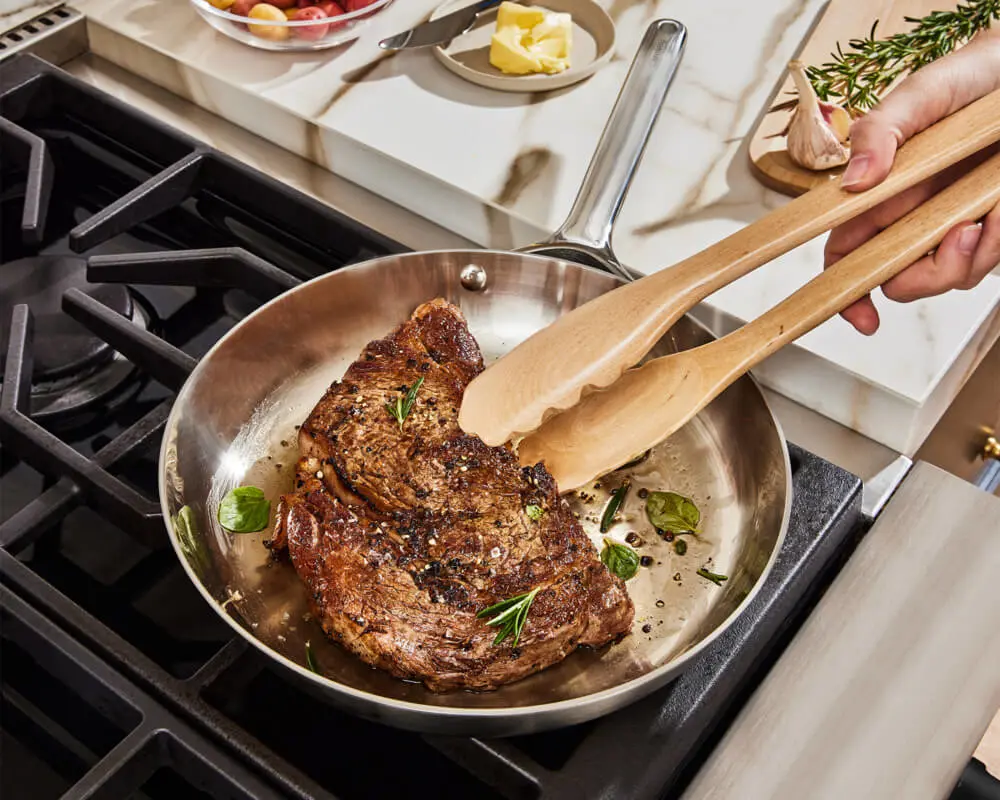
Searing locks in flavor and creates a brown crust on meats. Heat the pan well before adding oil and food. This stops sticking and gives a nice color.
Do not move the meat too soon. Let it cook until it naturally releases from the pan. This makes the best brown crust.
- Preheat the pan on medium-high heat
- Add a small amount of oil with a high smoke point
- Place meat in the pan and avoid moving it early
- Cook until a brown crust forms, then flip
Sautéing And Stir-frying
Sautéing and stir-frying use quick cooking at high heat. Cut food into small pieces for even cooking. Keep food moving in the pan to prevent burning.
Use a small amount of oil and make sure the pan is hot. This helps food cook fast and stay crisp.
- Heat pan over medium-high heat
- Add oil and let it warm up
- Add small, evenly cut pieces of food
- Keep stirring or tossing food often
Deglazing For Flavor
Deglazing means adding liquid to a hot pan to lift browned bits. These bits have great flavor and can make sauces delicious. Use broth, wine, or water for deglazing.
After cooking meat or vegetables, pour a little liquid in the pan. Scrape the bottom with a spoon to mix the flavors. Let the liquid reduce to make a sauce.
- Remove cooked food from the pan
- Add a small amount of liquid to the hot pan
- Scrape the pan bottom to loosen browned bits
- Let liquid simmer to reduce and thicken

Credit: www.lecreuset.com
Cleaning And Maintenance Tips
Stainless steel cookware is durable and versatile. Proper cleaning and care keep it looking new and working well.
Follow simple steps to remove residue, polish the surface, and store your pots safely.
Removing Stubborn Residue
Burnt food and stains can stick to stainless steel. Use gentle methods to clean without scratching.
- Fill the pan with warm water and add dish soap. Let it soak for 15 minutes.
- Use a soft sponge or cloth to scrub off residue.
- For tough spots, sprinkle baking soda on the area and scrub gently.
- Boil a mix of water and vinegar in the pan to loosen stuck food.
- Rinse well and dry with a soft towel to avoid water spots.
Polishing Your Cookware
Polishing keeps your cookware shiny and free of discoloration. Use safe products and techniques.
Try this simple polish recipe at home:
- Mix 1 tablespoon of cream of tartar with 2 tablespoons of water.
- Apply the paste on the cookware surface with a soft cloth.
- Rub gently in circular motions.
- Rinse thoroughly and dry with a clean towel.
Storage Recommendations
Store stainless steel cookware properly to avoid scratches and damage.
| Storage Tip | Reason |
| Stack pans with paper towels between them | Prevents scratches and marks |
| Keep cookware in a dry place | Avoids rust and water stains |
| Hang pots by their handles if possible | Prevents dents and saves space |
| Clean and dry before storing | Stops bacteria and odor buildup |
Troubleshooting Common Issues
Cooking with stainless steel pans is great, but some problems can happen. Knowing how to fix these issues helps keep your pans in good shape.
We will cover common problems like discoloration, warping, and scratches. These tips will help you use your pans longer.
Dealing With Discoloration
Stainless steel pans can change color after heat exposure. This looks like rainbow or blue stains on the surface. It does not harm the pan or food.
To clean discoloration, mix equal parts of water and vinegar. Heat this in the pan for a few minutes, then wash with soap and water.
- Use a soft cloth to avoid scratching
- Avoid harsh cleaners that damage the surface
- Dry the pan well after cleaning to prevent spots
Fixing Warped Pans
Warping happens when a pan heats or cools too fast. The bottom may bend and not sit flat. This causes uneven cooking.
To fix slight warping, place the pan on a flat surface. Press down gently or tap the edges with a wooden spoon. Avoid strong hits that can crack the pan.
- Heat pans slowly to avoid warping
- Do not put hot pans into cold water
- Use pans that match your stove size
Handling Scratches And Marks
Scratches and marks appear from metal utensils or abrasive cleaning. While they do not hurt cooking, they can look bad.
Use wooden, silicone, or plastic tools to protect the pan. Clean with soft sponges and mild soap. Avoid steel wool or rough scrubbers.
- Buff light scratches with a stainless steel cleaner
- Polish the pan with a soft cloth after cleaning
- Replace badly scratched pans to avoid food sticking
Credit: www.carawayhome.com
Credit: www.carawayhome.com
Frequently Asked Questions
How Do I Prevent Food From Sticking?
To prevent food from sticking, preheat your stainless steel pan properly. Add oil after the pan is hot, and let it heat until shimmering. This creates a temporary non-stick layer. Avoid overcrowding the pan, as this reduces temperature and increases sticking chances.
What Is The Best Oil For Cooking?
The best oil for cooking on stainless steel is one with a high smoke point. Oils like canola, sunflower, and peanut oil are excellent choices. They withstand high heat without breaking down, preventing food from sticking and ensuring even cooking.
How Do I Clean Stainless Steel Cookware?
Clean stainless steel cookware by soaking it in warm soapy water. Use a non-abrasive sponge to scrub gently. For stubborn stains, sprinkle baking soda and scrub with a soft sponge. Rinse thoroughly with warm water and dry immediately to prevent water spots.
Why Does My Pan Discolor After Cooking?
Discoloration occurs from overheating or mineral deposits. To remove discoloration, use a mixture of vinegar and water. Boil the solution in the pan, then scrub gently with a soft sponge. Rinse thoroughly and dry to maintain the stainless steel’s shine.
Conclusion
Cooking on stainless steel can be simple and rewarding. Use the right heat and oil to prevent sticking. Let the pan warm up before adding food. Clean your cookware properly to keep it shiny. With practice, you will cook tasty meals easily.
Enjoy the process and try new recipes often. Stainless steel pans last long and work well for many dishes. Keep these tips in mind for great cooking results every time.