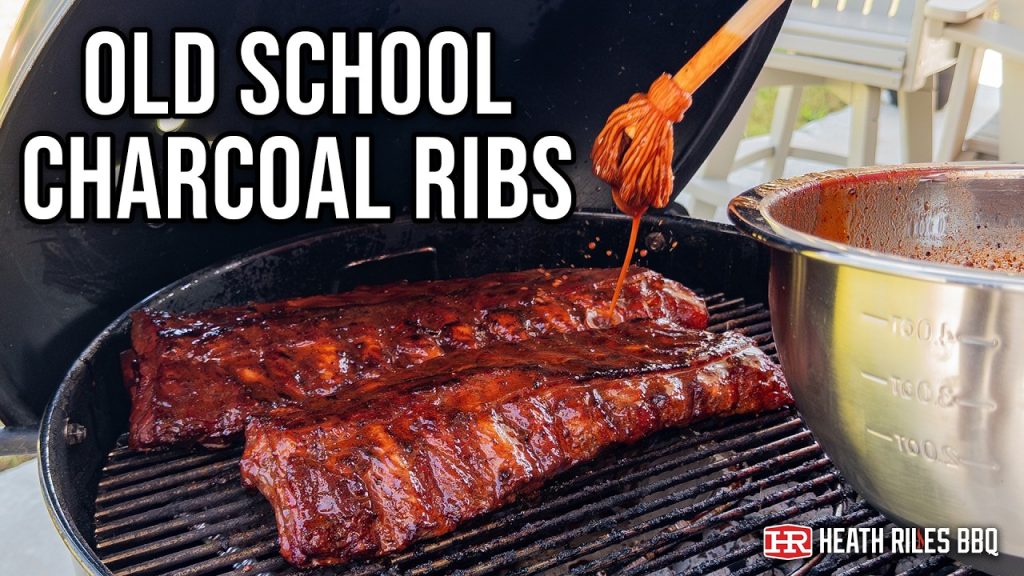
Are you ready to make your next barbecue unforgettable? Cooking pork ribs on a charcoal grill can bring out rich, smoky flavors that no other method can match.
But getting those ribs tender, juicy, and perfectly charred takes a little know-how. In this guide, you’ll discover simple steps and expert tips that turn ordinary ribs into a mouthwatering feast. Keep reading, and you’ll soon impress your friends and family with ribs that melt in your mouth every single time.
Choosing The Right Ribs
Cooking pork ribs on a charcoal grill starts with picking the right ribs. The type and quality of ribs affect taste and texture.
Knowing the differences between ribs and checking their freshness helps you cook delicious ribs every time.
Baby Back Vs Spare Ribs
Baby back ribs are smaller and leaner. They come from the upper part of the rib cage near the spine.
Spare ribs are larger and have more fat. They come from the lower part of the rib cage near the belly.
- Baby back ribs cook faster and taste tender.
- Spare ribs take longer but have richer flavor.
- Baby back ribs are curved and shorter.
- Spare ribs are flatter and bigger.
Checking Freshness And Quality
Fresh ribs should look pink or light red. Avoid ribs that are gray or have dark spots.
The ribs should feel firm and moist but not slimy. Smell the ribs for a fresh, mild scent.
- Look for a thin layer of fat for flavor and moisture.
- Ribs should not be dry or sticky.
- A fresh smell means good quality.
- Avoid ribs with bad odors or discoloration.
Preparing The Ribs
Cooking pork ribs on a charcoal grill starts with good preparation. Taking time to prepare ribs well makes them tender and tasty.
Two key steps are removing the membrane and trimming excess fat. These help the ribs cook evenly and absorb flavor better.
Removing The Membrane
The membrane is a thin layer on the back of the ribs. It can be tough and chewy after cooking. Removing it helps the meat stay tender.
- Use a knife to loosen one corner of the membrane.
- Grab the corner with a paper towel for grip.
- Pull the membrane off slowly, removing it entirely.
- If it tears, repeat to remove the rest.
- Rinse the ribs under cold water and pat dry.
Trimming Excess Fat
Fat adds flavor but too much can cause flare-ups on the grill. Trim large fat pieces to avoid burning and smoke.
| Fat Location | Trimming Advice |
| On top of ribs | Trim thick layers, leave thin fat for flavor |
| Between rib bones | Remove large chunks only |
| Edges and ends | Trim excess fat and loose pieces |
Creating A Flavorful Rub
Cooking pork ribs on a charcoal grill is a fun and tasty experience. A good rub makes your ribs flavorful and delicious.
Let’s explore how to create a rub that enhances the taste of your ribs. We’ll look at essential spices and herbs, and how to balance sweet and savory flavors.
Essential Spices And Herbs
Spices and herbs are key ingredients in a flavorful rub. They add depth and aroma to the ribs.
- Paprika gives a smoky taste and rich color.
- Garlic powder adds a bold, savory flavor.
- Onion powder gives sweetness and depth.
- Black pepper adds a spicy kick.
- Thyme and oregano bring earthiness.
Balancing Sweet And Savory
A good rub needs a balance of sweet and savory flavors. This balance makes the ribs taste amazing.
Sweetness can come from sugar. Savory flavors come from salt and spices.
- Brown sugar adds sweetness and caramelizes nicely.
- Salt enhances all the flavors.
- Mix equal parts of sweet and savory for balance.

Credit: somuchfoodblog.com
Setting Up The Charcoal Grill
Cooking pork ribs on a charcoal grill needs the right setup. Setting up the grill properly helps cook the ribs evenly and gives them great flavor.
This guide covers how to arrange coals for indirect heat and control the grill temperature. These steps make sure your ribs come out tender and smoky.
Arranging Coals For Indirect Heat
Indirect heat cooks pork ribs slowly and prevents burning. Place the coals on one side of the grill. Put a drip pan on the empty side to catch fat.
- Light the charcoal and wait until covered with white ash.
- Push the hot coals to one side of the grill.
- Leave the other side empty for indirect heat.
- Place a drip pan on the empty side to catch drippings.
- Put the cooking grate over the coals and the drip pan.
- Place the ribs on the grate above the drip pan, not over coals.
Controlling Temperature
Keeping the grill temperature steady is key for tender ribs. Use the vents to control airflow and heat.
| Action | Effect on Temperature |
| Open bottom vent | Increases airflow and heat |
| Close bottom vent | Reduces airflow and heat |
| Open top vent | Allows smoke to escape, helps temperature stay steady |
| Close top vent | Traps smoke but can raise temperature too much |
Use a grill thermometer to check the temperature. Keep it around 225°F to 250°F (107°C to 121°C) for slow cooking.
Smoking And Grilling Techniques
Cooking pork ribs on a charcoal grill takes patience and skill. Using the right smoking and grilling techniques makes ribs tender and tasty.
These techniques help you get the best flavor and texture from your ribs. You will learn how to add smoky flavor and keep the heat steady.
Using Wood Chips For Flavor
Wood chips add a smoky taste to pork ribs. Different woods give different flavors, so choose based on your preference.
Soak wood chips in water for 30 minutes before grilling. This helps them smoke slowly and not burn quickly.
- Hickory gives a strong, classic smoky flavor
- Apple wood adds a mild and sweet taste
- Cherry wood offers a fruity smoke
- Mesquite provides a bold, earthy flavor
Maintaining Consistent Heat
Keeping steady heat on a charcoal grill is key for cooking ribs well. Too much heat can burn the meat, too little slows cooking.
Use a two-zone fire by piling coals on one side. Place ribs on the cooler side to cook slowly and evenly.
- Arrange charcoal on one side for indirect heat
- Keep grill lid closed to hold temperature
- Adjust vents to control airflow and heat
- Add fresh coals every hour if needed

Credit: www.thepioneerwoman.com
Cooking Time And Monitoring
Cooking pork ribs on a charcoal grill takes patience and attention. Monitoring the ribs ensures they cook evenly and taste great.
Knowing when to check and what to look for helps you avoid undercooked or dry ribs. Use tools and senses to track the cooking process.
Checking Internal Temperature
Use a meat thermometer to check the pork ribs’ internal temperature. This is the best way to know if the ribs are safe and tender.
| Temperature | Meaning |
| 145°F (63°C) | Safe to eat but still tough |
| 190°F – 203°F (88°C – 95°C) | Ideal range for tender ribs |
| Above 203°F (95°C) | May become too soft or dry |
Signs Of Tenderness
Check the ribs by feel and look to see if they are tender and ready to eat. These signs help when you don’t have a thermometer.
- The meat pulls back from the bone tips.
- The ribs bend easily without breaking.
- You can slide a toothpick between the bones without much resistance.
- The surface of the ribs looks caramelized and slightly crisp.
Applying Sauce And Finishing Touches
Adding sauce to pork ribs on a charcoal grill is a key step. It brings flavor and a shiny finish. Timing is important to avoid burning the sauce.
This guide explains when to add BBQ sauce and how to caramelize it perfectly for tasty ribs.
When To Add Bbq Sauce
Apply BBQ sauce near the end of cooking. Adding it too soon can cause burning. The sauce has sugar that burns at high heat.
- Cook ribs first without sauce for most of the time.
- Apply sauce during the last 15 to 20 minutes of grilling.
- Brush the sauce gently on both sides of the ribs.
- Repeat applying sauce 2 to 3 times for a good glaze.
- Keep the grill temperature medium-low to avoid burning.
Caramelizing The Sauce
Caramelizing sauce gives ribs a sweet, sticky surface. It adds texture and enhances flavor.
| Tip | How to Do It |
| Heat Control | Keep grill heat around 250°F (120°C). |
| Apply Sauce | Brush sauce evenly on ribs. |
| Cook Time | Grill ribs for 5–10 minutes after saucing. |
| Repeat | Apply more sauce and cook again for layers. |
| Watch Closely | Remove ribs if sauce starts to burn. |

Credit: www.thepioneerwoman.com
Resting And Serving
After grilling pork ribs on a charcoal grill, resting them is key. It helps keep the meat juicy and tender.
Serving the ribs with the right sides makes the meal complete and enjoyable.
Allowing Juices To Settle
Let the ribs rest for 10 to 15 minutes after cooking. This time lets the juices spread evenly inside the meat.
Cover the ribs loosely with foil. This keeps them warm without steaming the crust.
Best Sides For Bbq Ribs
Choose sides that balance the rich flavor of pork ribs. Fresh and simple sides work best.
- Coleslaw – adds a crunchy, tangy contrast
- Baked beans – sweet and smoky
- Cornbread – soft and slightly sweet
- Grilled vegetables – light and healthy
- Potato salad – creamy and filling
| Side Dish | Flavor Profile |
| Coleslaw | Crunchy and tangy |
| Baked Beans | Sweet and smoky |
| Cornbread | Soft and sweet |
| Grilled Vegetables | Light and fresh |
| Potato Salad | Creamy and savory |
Troubleshooting Common Issues
Cooking pork ribs on a charcoal grill can be tricky. Some common problems can ruin your meal.
Knowing how to fix these issues will help you enjoy tender and juicy ribs every time.
Avoiding Dry Ribs
Dry ribs happen if you cook them too long or at too high heat. This makes the meat lose moisture.
Keep the grill temperature low and cook ribs slowly. Use a water pan to add moisture in the grill.
- Set charcoal grill to low heat (225-250°F)
- Cook ribs slowly for 3-4 hours
- Use a water pan near the ribs to keep humidity
- Wrap ribs in foil for part of cooking to lock moisture
- Apply a thin layer of sauce or marinade
Fixing Tough Meat
Tough ribs mean the meat fibers did not break down. This happens if the ribs are undercooked or cooked too fast.
Cook ribs slowly and check with a meat thermometer. Aim for an internal temperature of about 190-203°F.
- Use indirect heat to avoid burning
- Cook ribs longer at low temperature
- Check internal temperature with a thermometer
- Test tenderness by sliding a toothpick between bones
- Let ribs rest after cooking to relax the meat fibers
Frequently Asked Questions
How Long To Cook Pork Ribs On A Charcoal Grill?
Cook pork ribs for about 4 to 5 hours on low heat. Maintain a temperature of 225°F to 250°F for tender meat. Use indirect grilling to avoid burning and ensure even cooking.
What Charcoal Type Is Best For Grilling Pork Ribs?
Use lump charcoal for hotter, cleaner heat and better flavor. It burns longer and produces less ash than briquettes. Avoid lighter fluid; opt for natural fire starters to keep ribs tasting pure.
Should Pork Ribs Be Marinated Before Grilling?
Marinating pork ribs enhances flavor and tenderness. Use a mix of acidic ingredients like vinegar or citrus, spices, and oil. Marinate for at least 2 hours or overnight for best results.
How To Maintain Grill Temperature For Perfect Pork Ribs?
Control airflow with vents to keep the temperature steady. Add charcoal gradually to maintain heat between 225°F to 250°F. Use a grill thermometer to monitor temperature throughout cooking.
Conclusion
Grilling pork ribs on charcoal gives them a rich, smoky flavor. Keep the heat low and cook ribs slowly for tender meat. Use your favorite spices or sauce to add taste. Watch the ribs carefully to avoid burning. Enjoy the process and share the delicious results with family or friends.
With practice, you will grill perfect pork ribs every time. Simple steps, great taste, happy eating!